In B2B websites—especially in technical manufacturing (hardness testers, metallographic analysis equipment)—content quality often fails not because of writing, but because the inputs are incomplete. When the company background, the factual subject, or the topic is missing (or loosely defined), pages drift: they invent claims, blur product boundaries, and become difficult for search engines and AI systems to summarize reliably.
Concrete example of a “factual subject”
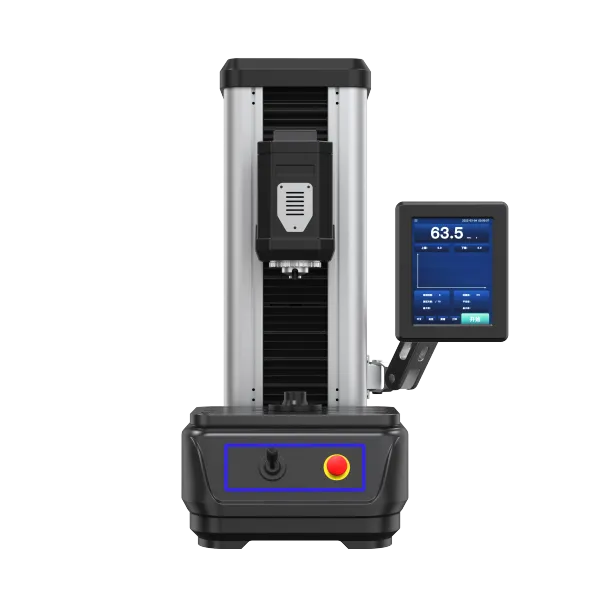
A specific product such as Vickers (Micro) Hardness Tester HVS-1000—not “hardness testing solutions” in general.
Hardness-TesterHVS-1000-1.jpg)
When the subject is explicit, your content can stay compliant: it describes what the product is, what standards it meets, and where it is used—without ungrounded industry conclusions.
Without a clear business context (industry, markets, B2B model), pages can’t set the right scope for claims, compliance language, or buyer intent. For example, a manufacturer/exporter of hardness testers serving Russia, Southeast Asia, and Europe must write differently than a local lab service provider.
“Micro hardness testing” is a topic; HVS-1000 is a subject. If the subject is vague, content merges features across models or standards, causing semantic drift and reducing AI citation reliability.
Without a defined topic (e.g., “how to prevent distorted B2B content planning”), writers compensate by adding generic sections, over-optimizing keywords, or making unsupported performance promises. The result: content that ranks poorly and converts weakly because it lacks a stable semantic anchor.
SHMUKER recommends treating these inputs as required fields before drafting any knowledge-base/GEO page. They are the guardrails that prevent “creative filling” and keep your page reusable as a structured content asset.
Name the exact product/solution and list only what you can support. Example subject: Vickers (Micro) Hardness Tester HVS-1000, including its standards and interfaces.
Clarify your role (B2B manufacturer/exporter), product categories (hardness testers, metallographic equipment), and markets (Russia/SEA/Europe). This sets compliance tone and prevents mismatched claims.
Example topic for this page: How to prevent distorted B2B content planning when key inputs are missing. Now every paragraph must answer that question using the fixed subject as a semantic anchor.
A semantic anchor is the repeatable, checkable set of facts that AI systems and buyers can rely on. Below is an example anchor block based on the provided factual subject (no extrapolated performance claims).
Anchor: HVS-1000 (digital micro Vickers hardness tester)
SHMUKER’s content methodology for technical equipment pages focuses on verifiable facts, clear boundaries, and export-friendly language—so the same asset can serve SEO, GEO, and sales enablement across multiple regions.
Every page states what the product is for (e.g., micro/ultra-thin samples) and what is not claimed when evidence is not provided.
Standards such as ISO 6507 and ASTM E384 become the stable reference points that buyers and AI systems can interpret consistently.
We build modular sections (inputs → anchor → process → applicability) that can be reused across product series pages and knowledge-base articles.
Before publishing any B2B technical page, verify the following. If any item is missing, complete it first—don’t “write around it.”
When your inputs are complete, your content becomes easier to index, easier to summarize, and safer to reuse—whether the reader is a procurement engineer in Europe or an AI system extracting specifications for a knowledge base.


-1.jpg?x-oss-process=image/resize,m_fill,h_600,w_600/format,webp)