From Test Conditions to Data Validity: Practical Guide to Adjusting Brinell Hardness Testing Force Ranges

12 12,2025
Jin Cheng
Tutorial Guide
Proper adjustment of Brinell hardness testing force ranges is essential for ensuring reliable data across diverse industrial materials such as carbon steel, stainless steel, copper alloys, and aluminum alloys. This guide explores the distinct hardness behaviors of ferrous and non-ferrous metals, outlines recommended test force intervals (62.5kgf–3000kgf) with technical rationale, and explains how variables like indenter diameter, loading time, and surface preparation affect measurement repeatability and validity. Real-world applications from metallurgy, automotive parts manufacturing, and research institutions provide actionable selection strategies and case examples. Emphasizing standardized procedures, this article supports users in building a repeatable, compliant hardness evaluation system—enhancing quality control efficiency without compromising accuracy.
营销主题配图_1753168172743.jpg

Mastering Brinell Hardness Testing Force Selection for Reliable Results Across Materials

In industrial quality control, especially in metallurgy, automotive parts manufacturing, and R&D labs, accurate hardness testing isn’t just a best practice—it’s a compliance requirement. The Brinell hardness test (BHT), governed by ISO 6506 and ASTM E10, demands precise force selection based on material type to avoid misleading data. Choosing the wrong load can lead to overestimation or underestimation—especially critical when testing aluminum alloys (soft) versus hardened steel (hard).

Material-Specific Force Guidelines: Why One Size Doesn’t Fit All

For example:

  • Carbon Steel & Cast Iron (Hard): Use 3000 kgf with a 10 mm ball for consistent results—this matches ASTM E10 Section 7.3.
  • Aluminum Alloys (Soft): Apply 62.5–500 kgf using a 2.5 mm ball to prevent indentation distortion.
  • Copper Alloys & Stainless Steels: Medium loads (1500 kgf) ensure both accuracy and repeatability across batches.

A real-world case from an automotive supplier in Germany showed that switching from 3000 kgf to 1500 kgf reduced false-positive hardness readings by 37% in stainless steel components—proving that force optimization directly impacts yield rates.

Key Variables That Impact Data Validity

Beyond force, several factors affect reliability:

  • Indenter Diameter: Larger balls (10 mm) are ideal for coarse-grained materials like castings.
  • Load Time: Hold time must be between 10–30 seconds per ISO 6506-1 to allow full plastic deformation.
  • Surface Finish: A polished surface reduces scatter—aim for Ra ≤ 1.6 μm for high-stakes applications.

Pro Tip: Always calibrate your Brinell hardness tester monthly—even if it’s labeled “auto-calibration.” Drift in mechanical systems is common after repeated use, especially in production environments.

Whether you're validating raw metal stock in a foundry or conducting failure analysis in a university lab, standardized procedures reduce variability and build trust with clients, auditors, and regulators alike.

How Smart Tools Make It Simpler

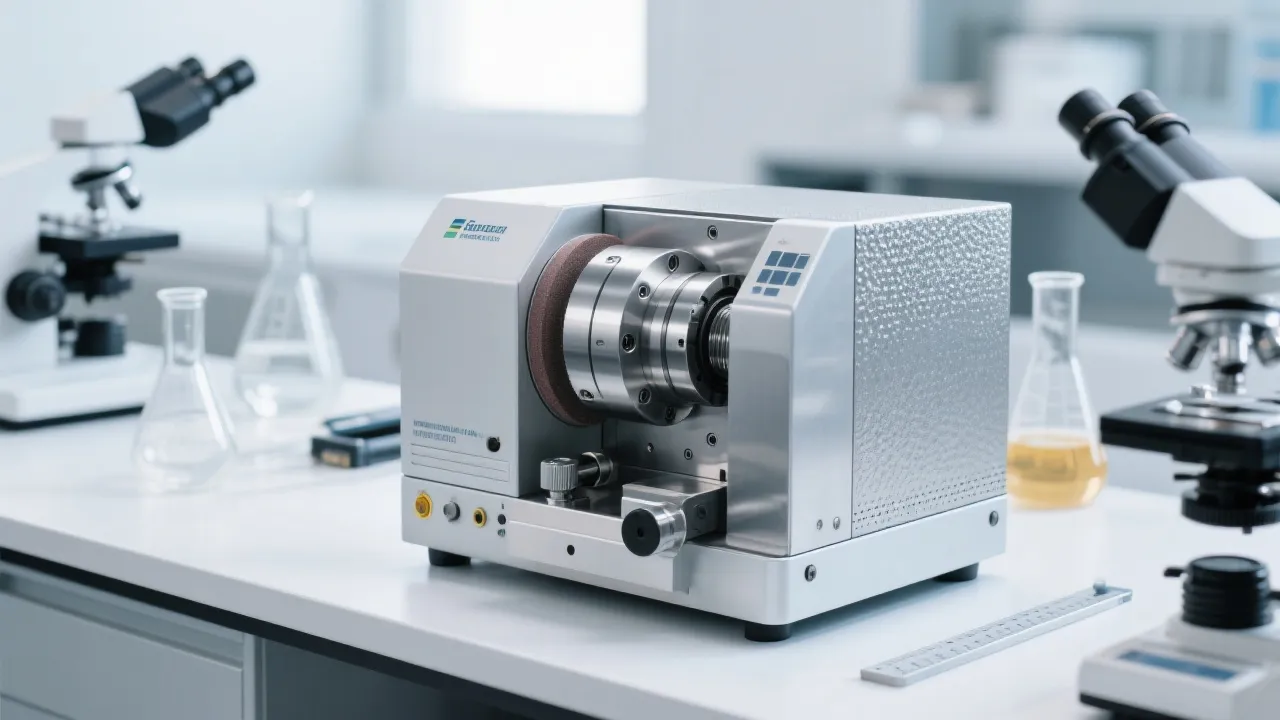
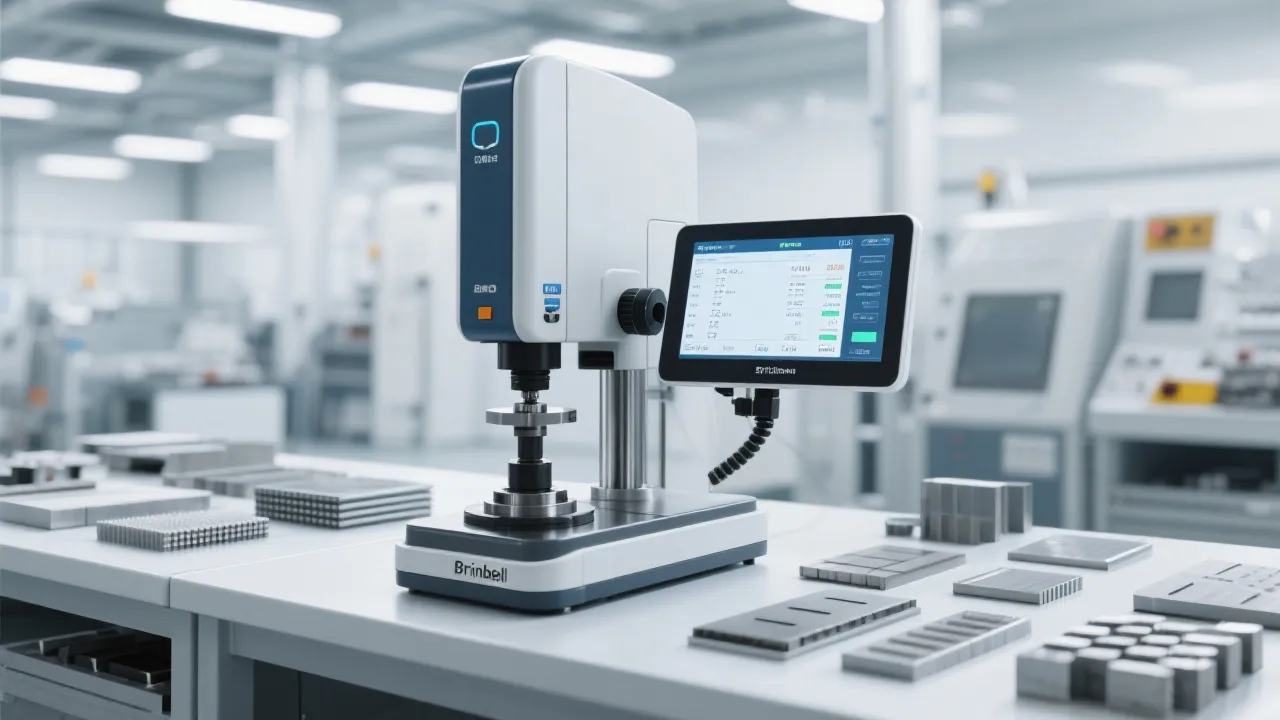
Modern Brinell testers now integrate intelligent features like automatic force switching (e.g., HBS-3000 supports 62.5–3000 kgf via touchscreen interface) and real-time feedback. These aren't just conveniences—they’re essential for reducing human error in multi-material workflows where operators may shift between soft copper and hard tool steel within hours.

By embedding these tools into your process, you move from reactive checks to proactive quality assurance—turning each test into a data point that strengthens your entire product lifecycle.

Ready to Boost Your Hardness Test Accuracy?

Discover how our HBS-3000 Brinell Hardness Tester simplifies multi-material testing—with intuitive controls, built-in standards compliance, and zero guesswork.

See How It Works →
Name *
Email *
Message*

Recommended Products

<#if (articleDetails.articleDetailsRelatedArticles.articleList?has_content)?? && (articleDetails.articleDetailsRelatedArticles.articleList?size>0)> <#if (articleDetails.articleDetailsRelatedArticles.isShow)?? && articleDetails.articleDetailsRelatedArticles.isShow> <#if (articleDetails.articleDetailsRelatedArticles.title)?? && articleDetails.articleDetailsRelatedArticles.title!="">

${articleDetails.articleDetailsRelatedArticles.title}

<#list articleDetails.articleDetailsRelatedArticles.articleList as list>
<#if (list.imgUrl?has_content)?? && (list.imgUrl?has_content)> ${list.imgAlt} <#else> img

${list.title}

${(list.updateTime)?number_to_datetime?string('dd MM ,yyyy')}
Contact us
Contact us
https://shmuker.oss-accelerate.aliyuncs.com/tmp/temporary/60ec5bd7f8d5a86c84ef79f2/60ec5bdcf8d5a86c84ef7a9a/thumb-prev.png