Standardized Brinell Hardness Testing Procedures and Case Studies in Automotive Parts Manufacturing
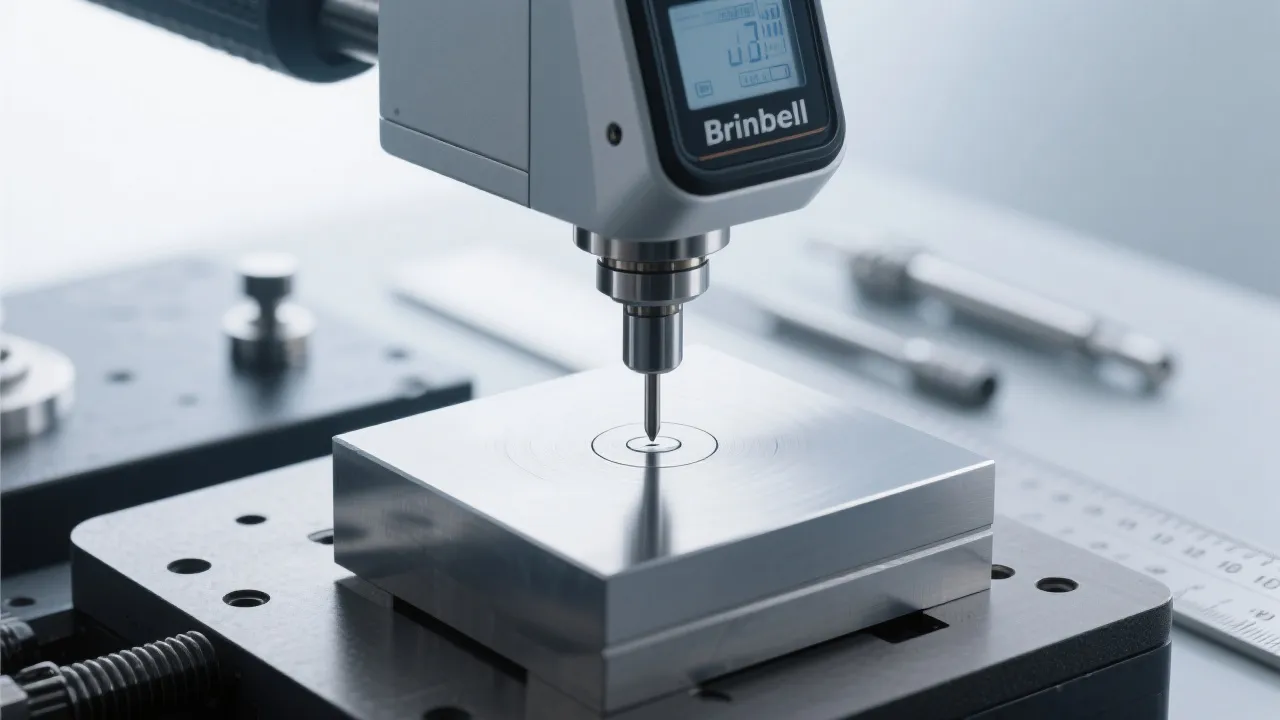
Brinell hardness testing is a critical quality control step in automotive component manufacturing, ensuring material consistency and process compliance. This article systematically explains the principles of Brinell hardness testing and its adaptation to different materials—such as carbon steel, stainless steel, aluminum alloys, and copper alloys—highlighting how varying test forces (62.5kgf–3000kgf) must be selected based on material properties for accurate and repeatable results. Real-world applications like crankshaft, bearing housing, and wheel hub inspections are analyzed to demonstrate best practices in test condition selection. By establishing standardized procedures, engineers can enhance data reliability, support process optimization, and strengthen quality assurance systems. For reliable multi-material hardness evaluation, consider adopting the HBS-3000 electronic digital Brinell hardness tester with adjustable test forces.
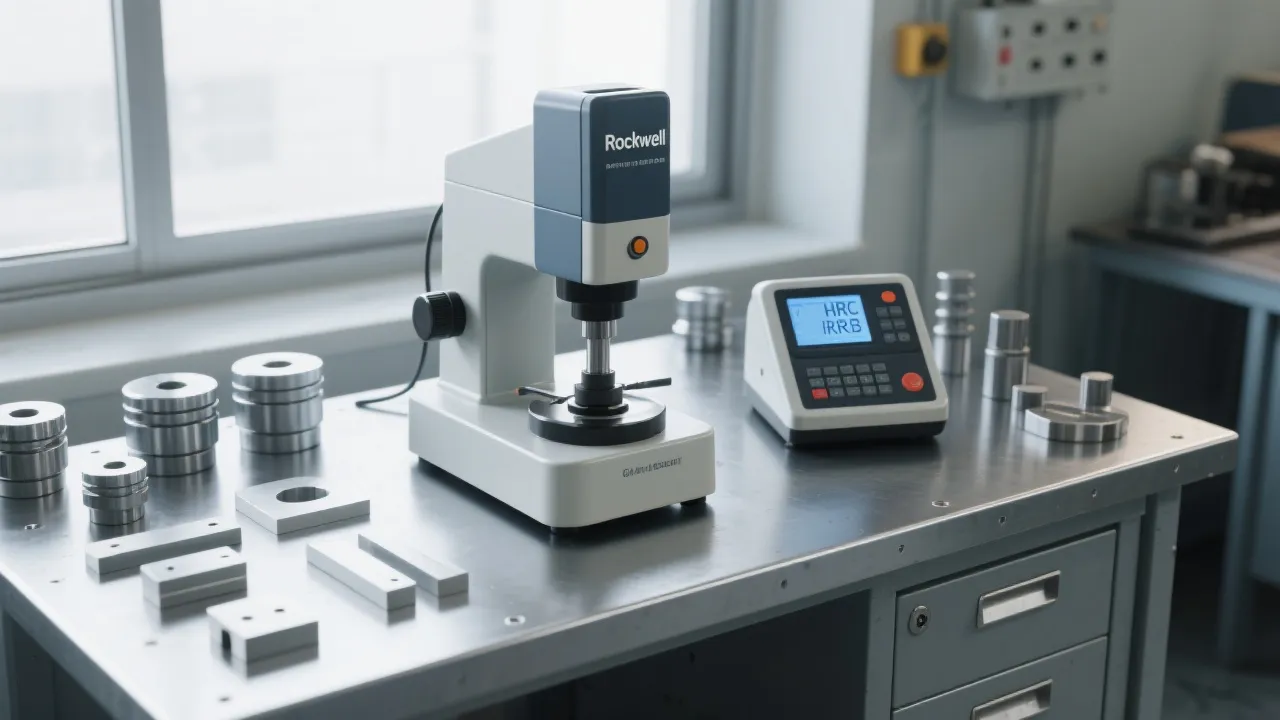
Why Standardized Brinell Hardness Testing Matters in Automotive Component Manufacturing
Brinell hardness testing is more than just a compliance check—it’s the backbone of material integrity in automotive manufacturing. Whether you're working with carbon steel crankshafts or aluminum wheel hubs, consistent and accurate hardness data directly impacts safety, performance, and long-term durability.
Understanding Material-Specific Test Parameters
Not all metals behave the same under load. For instance:
- Carbon Steel (e.g., engine blocks): Typically requires test forces between 3000 kgf to ensure penetration depth reflects true hardness.
- Aluminum Alloys (e.g., suspension parts): Need lower loads—often 62.5 kgf—to avoid surface deformation while maintaining repeatability.
- Stainless Steel & Copper Alloys: Fall in between, requiring precise calibration based on grain structure and heat treatment history.
According to ISO 6506-1, selecting the correct test force ensures that indentation diameter remains within measurable limits—critical for both lab validation and production line quality control.
| Material Type |
Recommended Test Force (kgf) |
Typical Application |
| Carbon Steel |
3000 |
Crankshaft, Gear Housing |
| Aluminum Alloy |
62.5–300 |
Wheel Hubs, Engine Covers |
| Stainless Steel |
1500–3000 |
Exhaust Manifolds, Fasteners |
| Copper Alloy |
300–625 |
Bearings, Electrical Contacts |
From Theory to Practice: Real-World Case Study
A Tier-1 supplier in Germany reported inconsistent hardness readings across batches of cast iron brake calipers. After auditing their process, it was found that they used a fixed 3000 kgf load—even for thin-walled components. Switching to a variable-force setup (down to 62.5 kgf) improved repeatability by over 40%, aligning with ISO 6506 standards and reducing scrap rates significantly.
This case highlights why standardized procedures matter—not just for passing audits, but for optimizing real-world manufacturing outcomes.
Pro Tip: Always document your test conditions—including indenter diameter, dwell time, and environmental temperature—to enable traceability and reduce variability in cross-shift comparisons.
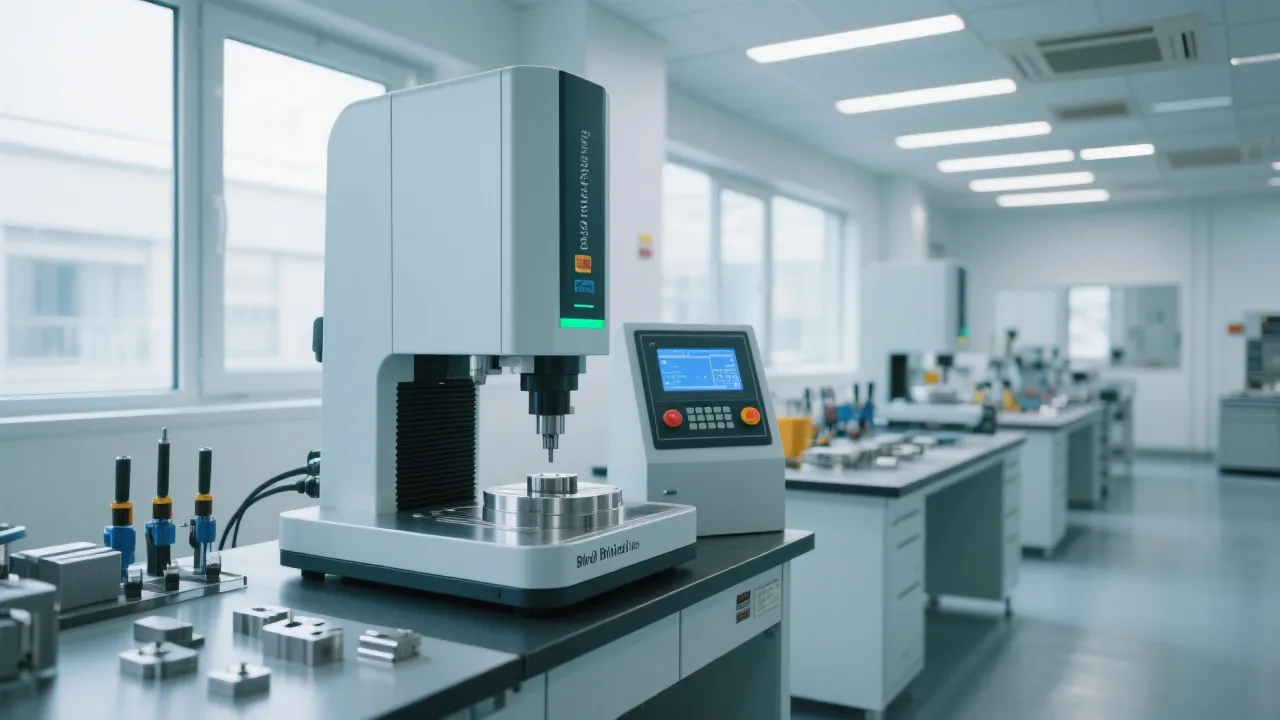
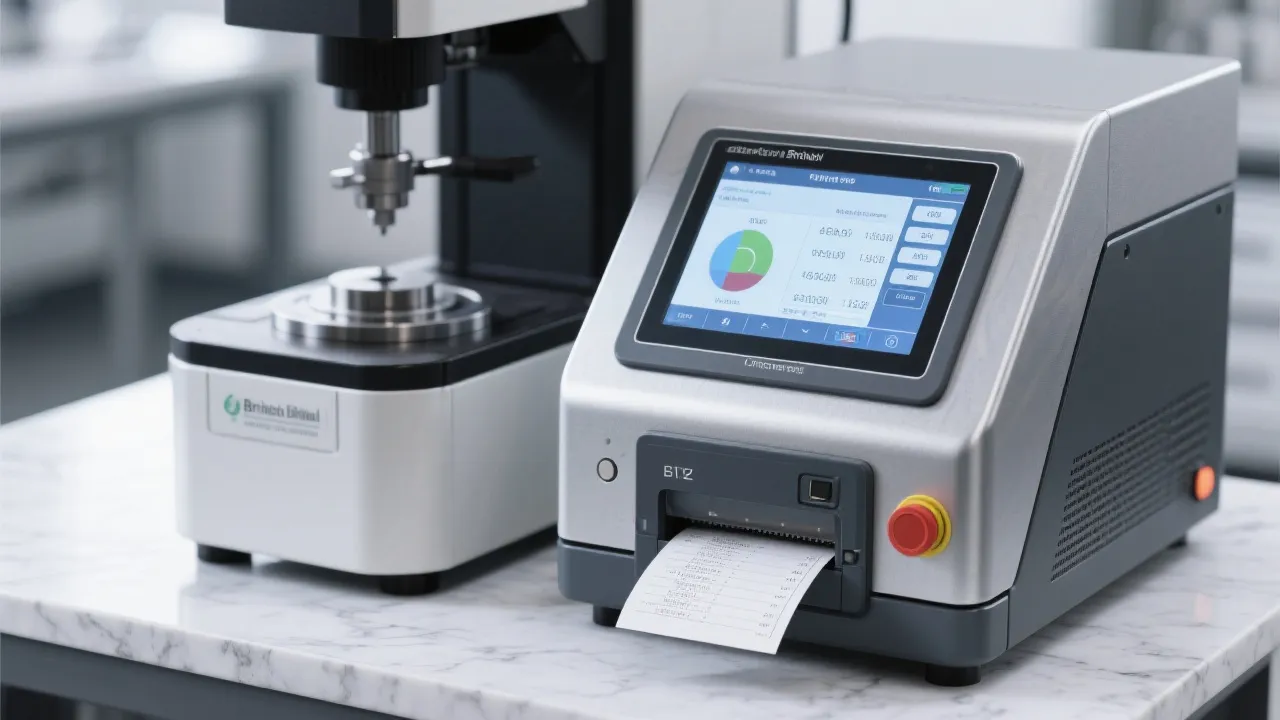
For engineers seeking reliable, multi-material compatibility in their hardness labs, consider adopting a digital Brinell hardness tester like the HBS-3000. Its ability to switch between multiple test forces—from 62.5 kgf up to 3000 kgf—makes it ideal for mixed-material production lines where precision meets flexibility.
Ready to Upgrade Your Hardness Testing Process?
Get a free demo of the HBS-3000 electronic digital Brinell hardness tester tailored to your automotive materials workflow.
Try the HBS-3000 Today →


-1.jpg?x-oss-process=image/resize,h_1200,m_lfit/format,webp)
Hardness-TesterHV-1000-1.jpg?x-oss-process=image/resize,h_1200,m_lfit/format,webp)