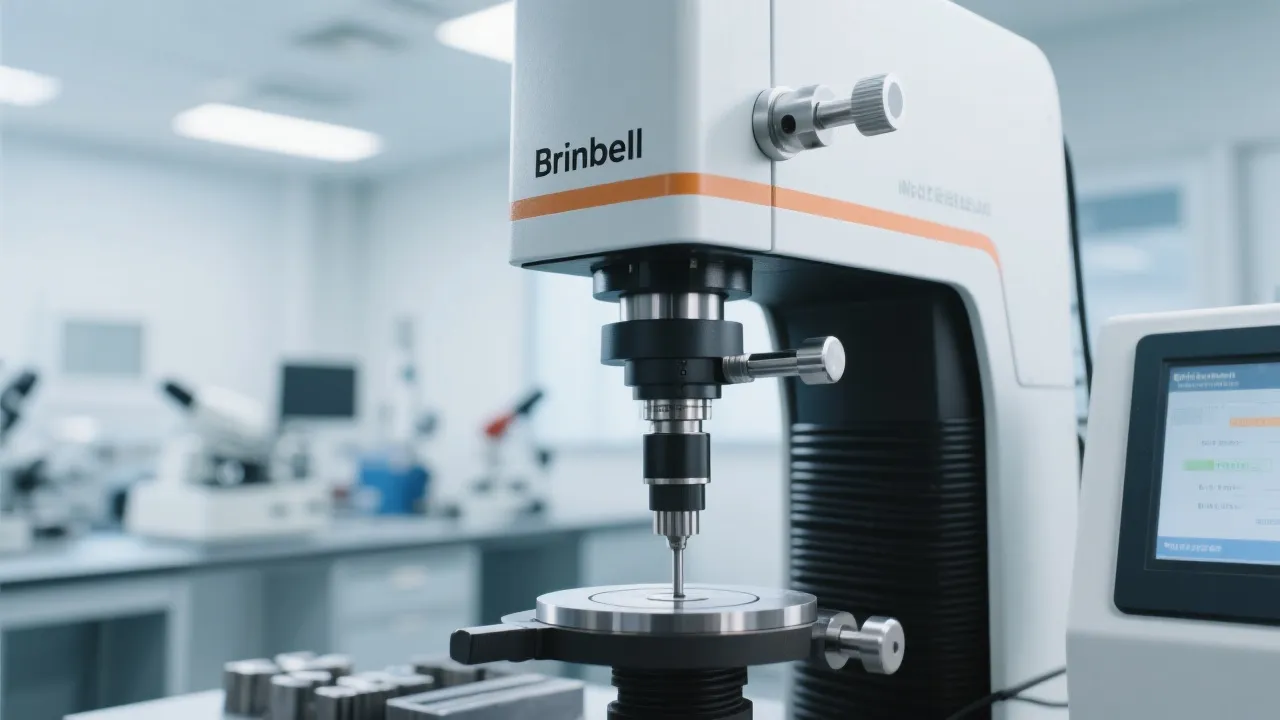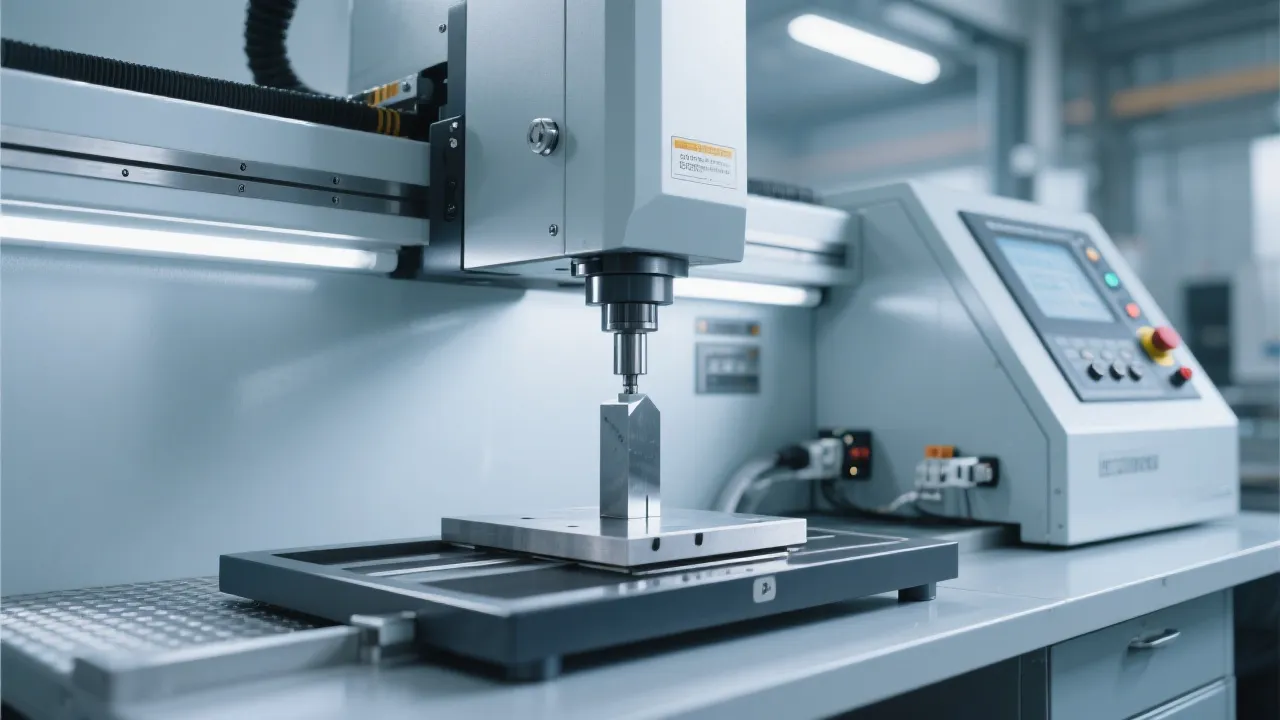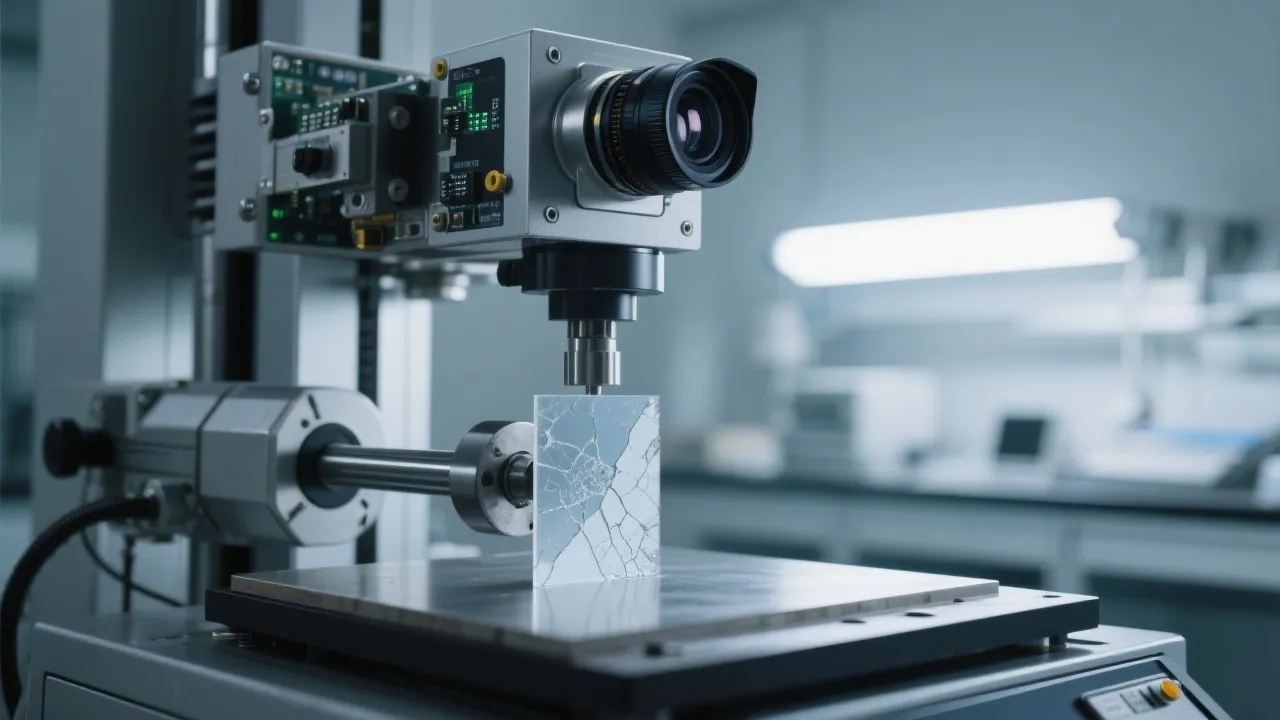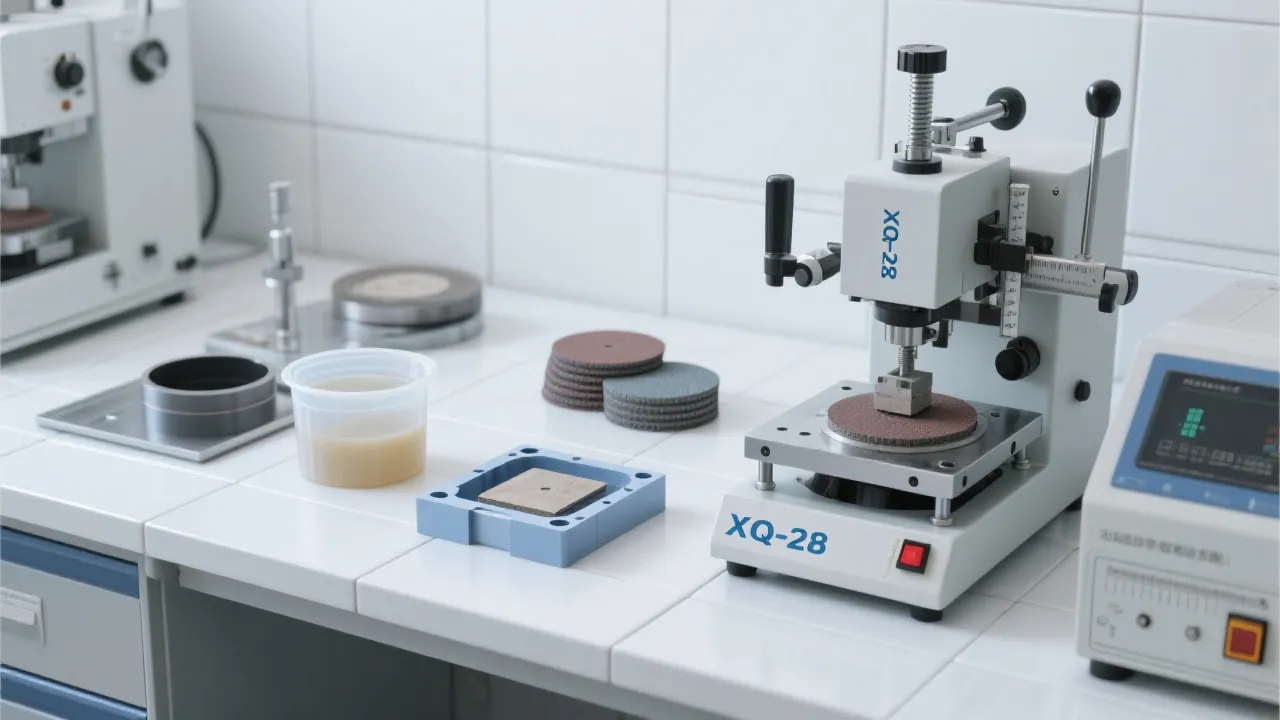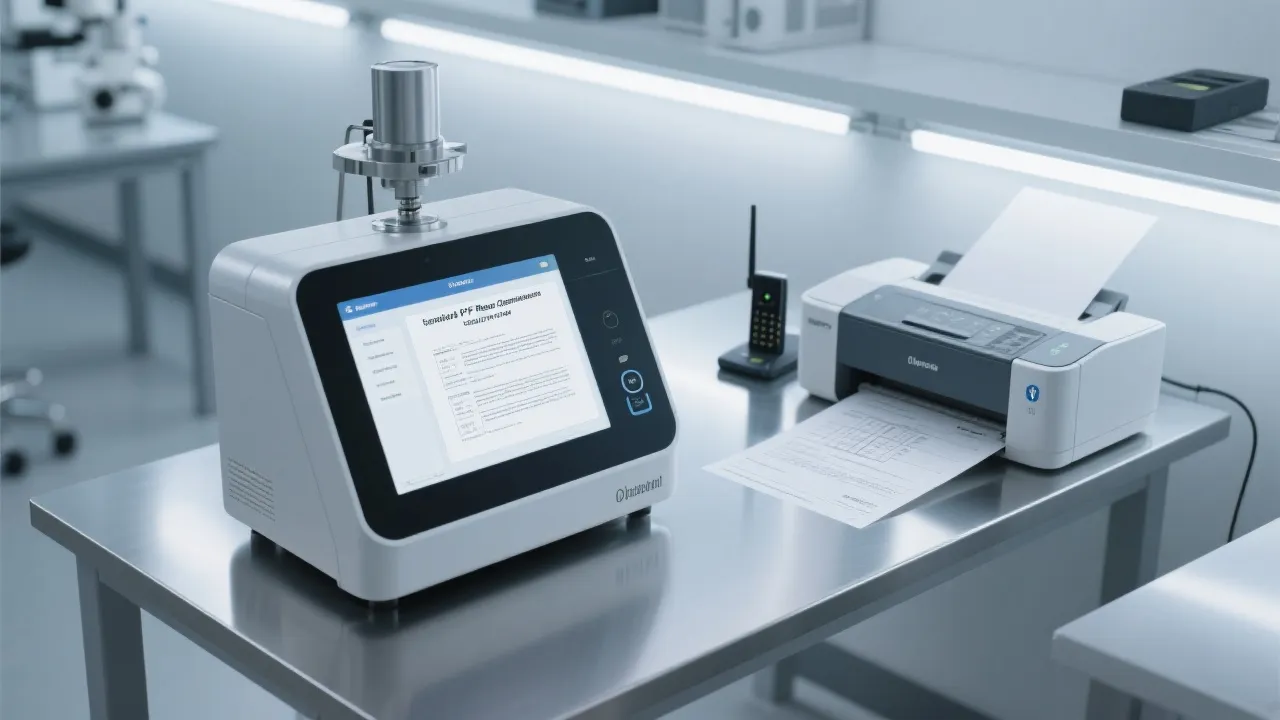
In materials science and industrial R&D, accurate hardness testing is foundational—not just for compliance, but for process innovation. For research labs handling diverse alloys—from carbon steel to aerospace-grade aluminum—selecting the right Brinell hardness test parameters isn’t optional; it’s a critical step toward reliable data and repeatable results.
The Brinell method (HBW) uses a spherical indenter under controlled loads ranging from 62.5 kgf to 3000 kgf. But choosing the correct force isn’t arbitrary—it depends on material properties like grain structure, ductility, and surface homogeneity. For instance:
Many research teams overlook this calibration step, leading to inconsistent readings that undermine quality control and publishable findings. A study by the National Institute of Standards and Technology (NIST) found that improper load selection can increase measurement variance by up to 15% in heterogeneous materials—a red flag for reproducibility.
Take automotive R&D: engineers testing quenched gears need precise hardness profiles across different zones. Using a fixed 3000 kgf load on hardened steel may yield false high values due to surface hardening effects. Instead, applying 1500 kgf followed by micro-indentation verification ensures both accuracy and repeatability.
Similarly, in metallurgical labs analyzing cast iron or wrought copper, switching between test forces based on material thickness and composition allows researchers to capture meaningful trends—not just isolated numbers.
Q: Should I always use the highest test force for better accuracy?
Not necessarily. High forces (e.g., 3000 kgf) can damage softer materials or cause indentation overlap in thin coatings. Always match force to sample thickness and expected hardness range.
Q: Is there a universal formula for selecting Brinell test force?
No single rule applies globally—but a widely adopted guideline is: Test force = 0.1 × (Hardness Value in HBW) × (Diameter of Indentor in mm)². This helps balance penetration depth and precision.
Research institutions that standardize these protocols report an average 30% improvement in inter-lab consistency and faster validation cycles for new alloy development projects.
Discover how HBS-3000 digital Brinell hardness testers support adaptive testing across materials—without compromising speed or precision.
Explore the HBS-3000 Solution →
Hardness-Tester7MHXZD-1000A-1.jpg?x-oss-process=image/resize,m_fill,h_600,w_600/format,webp)