In metallurgical quality control, consistent and accurate hardness testing is essential—but not always straightforward. For materials like stainless steel and copper alloys, traditional methods often yield inconsistent results due to differences in microstructure, grain size, and deformation behavior. This article breaks down how the Brinell hardness test can be effectively adapted across multiple industrial materials using standardized force ranges (from 62.5 kgf to 3000 kgf), supported by real-world applications from automotive parts manufacturers and research labs.
While Brinell hardness testing has long been the gold standard for carbon steels, its application to stainless steel and copper alloys requires careful adjustment. According to ASTM E10-23, "The choice of test force must reflect both material hardness and surface condition." For instance:
"For non-ferrous metals, a lower test load should be selected to ensure the impression diameter falls within 0.25–0.6D, where D is the ball diameter." This ensures repeatability and compliance with international standards.
Many companies fail here—not because they lack equipment, but because they don’t understand how to match test parameters to material properties. That’s where smart instrumentation comes in.
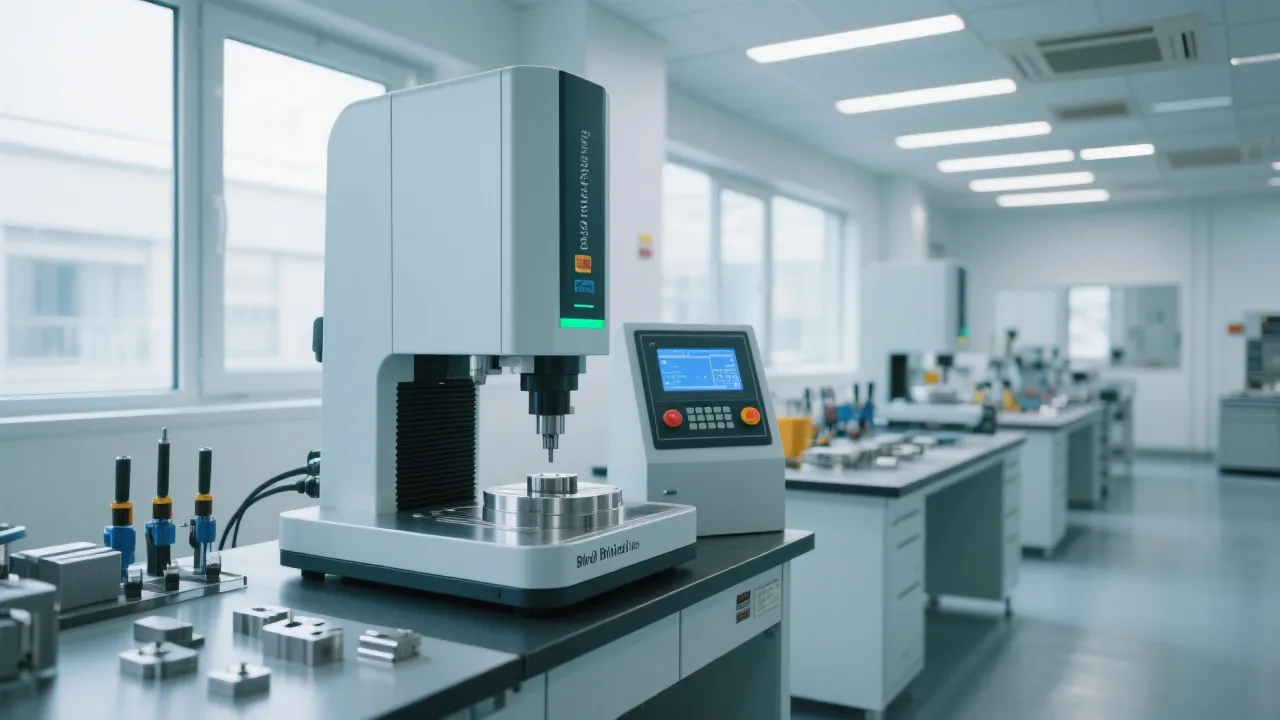
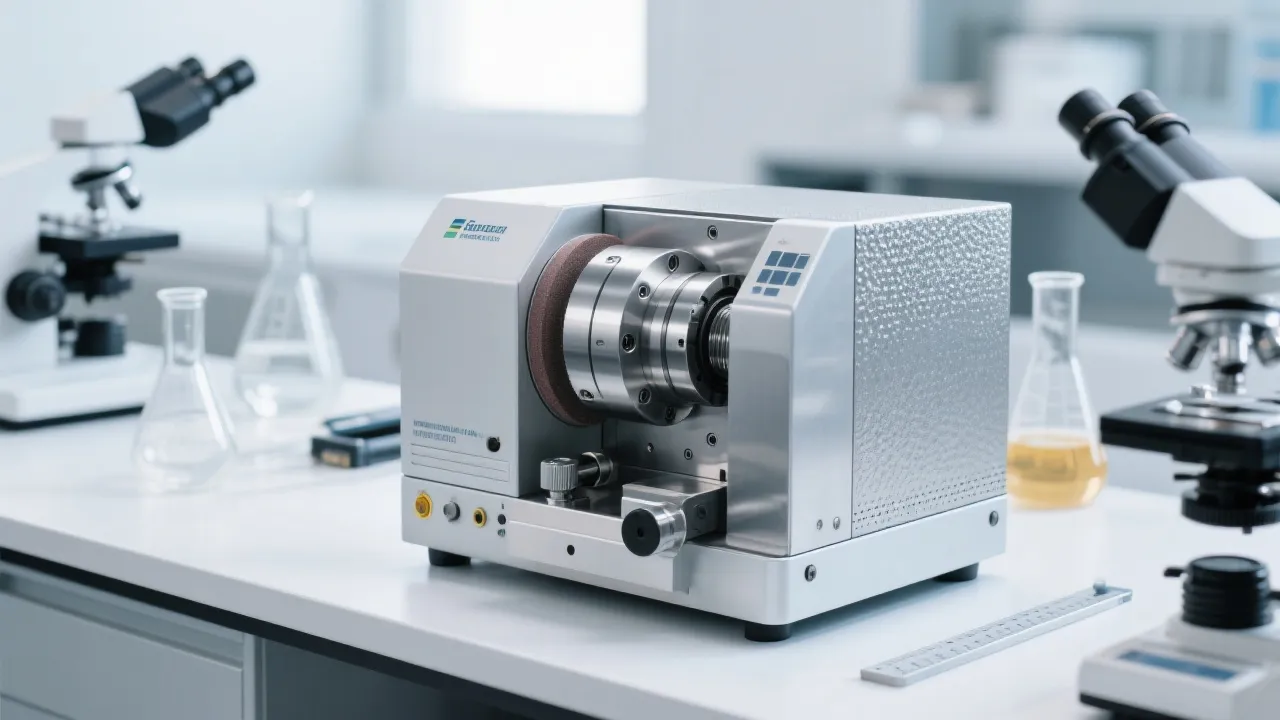
A mid-sized foundry in Germany was struggling with batch-to-batch variation in copper alloy components used in marine engineering. After switching to an HBS-3000 digital Brinell hardness tester with automatic load selection and real-time feedback, their lab achieved:
This wasn't just about better tools—it was about adopting a systematic approach to hardness evaluation that aligns with material science principles.
Q: Can I use one machine for both stainless steel and copper alloys?
A: Yes—if it supports multi-range testing forces (like 62.5kgf to 3000kgf). Our digital models allow quick setup changes via touch interface, reducing downtime between tests.
Q: Is there a risk of damaging soft copper during testing?
A: Not if you follow recommended force ranges. Using too high a load on soft metals causes plastic deformation beyond acceptable limits—a common mistake in untrained labs.
Q: Do I need special training to operate a modern Brinell tester?
A: No. Modern systems include guided workflows, visual indicators for proper positioning, and auto-calibration features that make them accessible even to junior technicians.
When done right, Brinell hardness testing becomes more than a quality check—it's a strategic lever for process optimization, customer trust, and regulatory compliance.
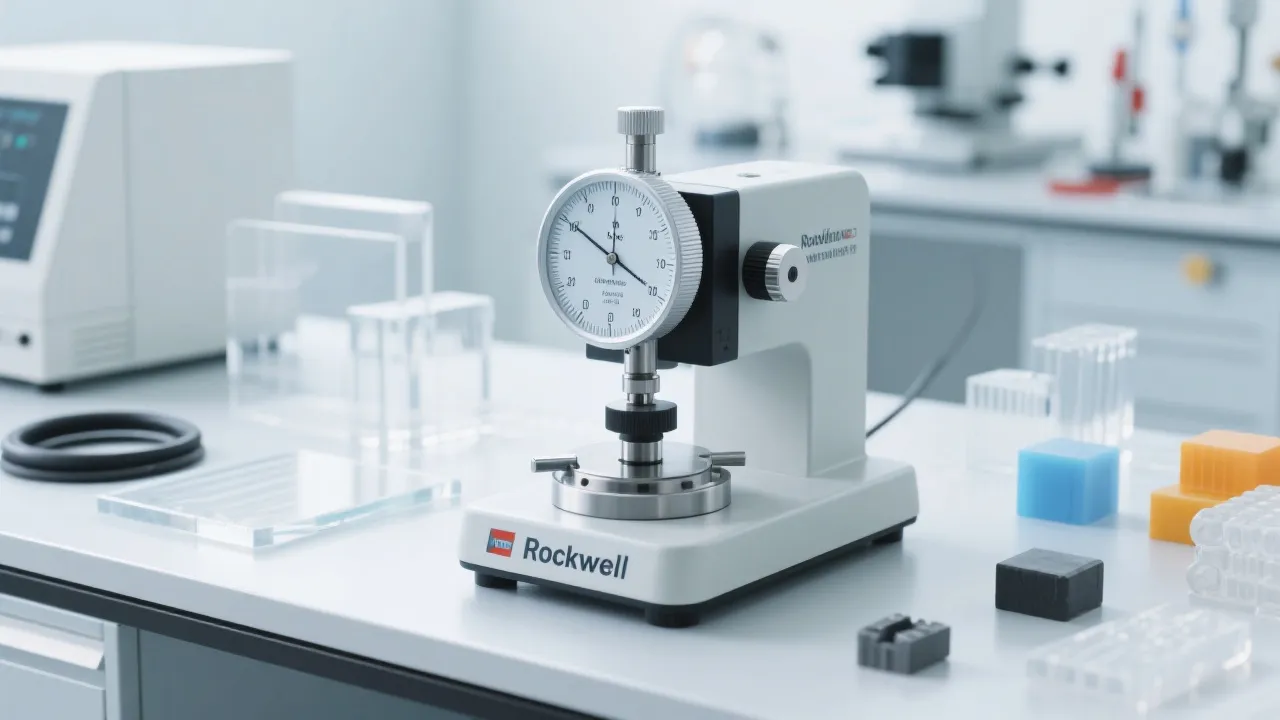
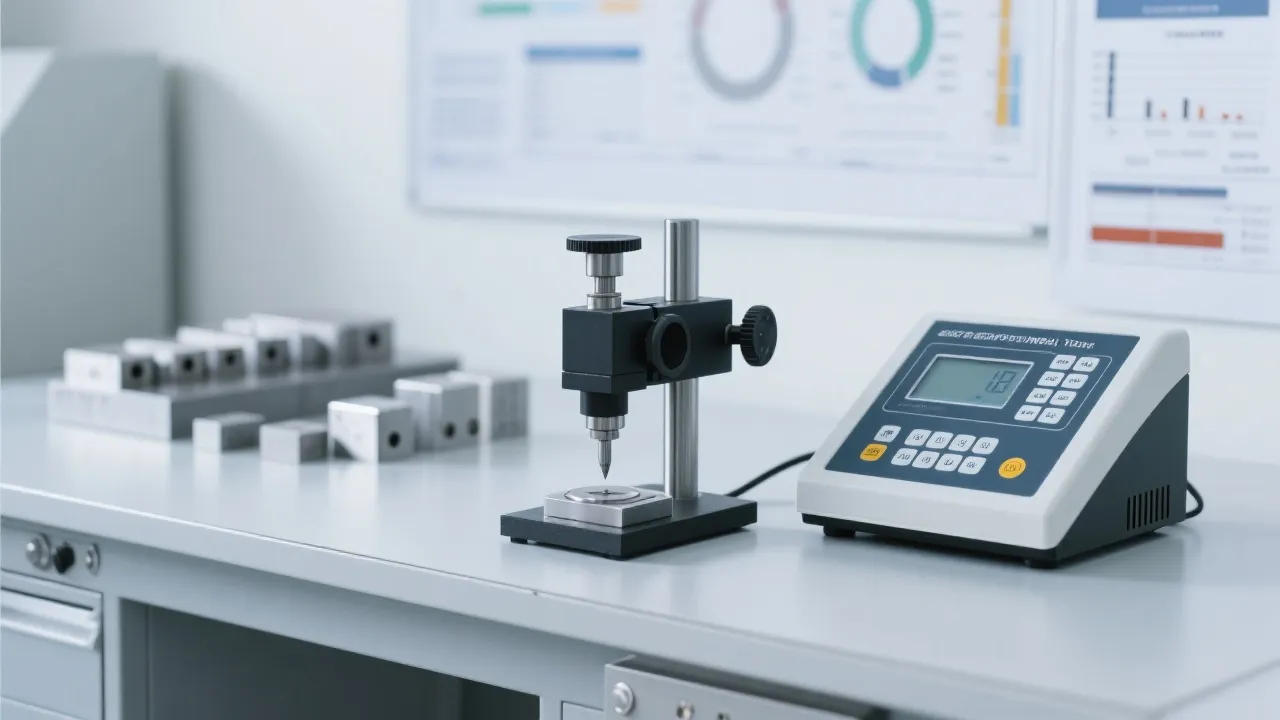
Discover how our HBS-3000 Digital Brinell Hardness Tester supports multi-material testing with precision, ease, and full compliance.
Explore the HBS-3000 Solution →





-1.jpg?x-oss-process=image/resize,h_1200,m_lfit/format,webp)