
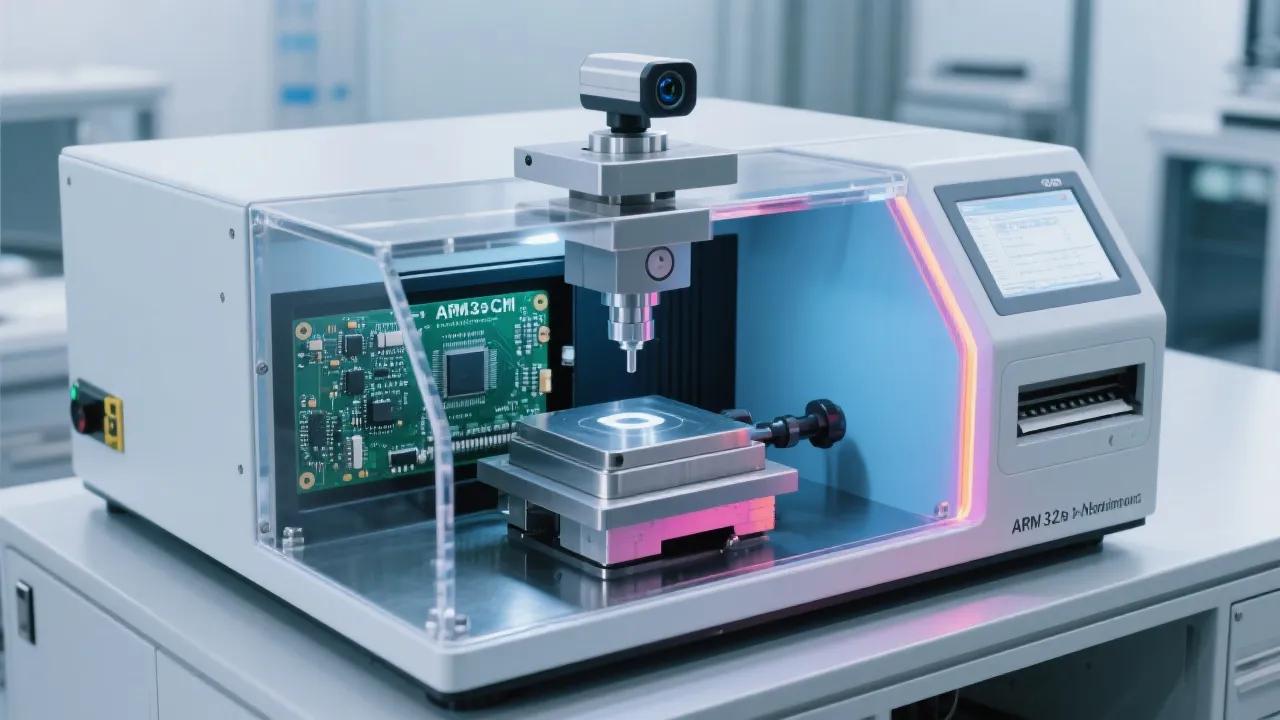
You’re in the middle of a critical sample preparation run when suddenly your metallographic cutting machine slows down—or worse, stops altogether. The culprit? A blocked coolant line.
According to industry data from 2023, over 43% of lab equipment downtime is caused by preventable issues like clogged water lines or poor maintenance routines—not complex mechanical failures. That means you could be losing up to 12 hours/month unnecessarily if not addressed proactively.
A blocked coolant system doesn’t just reduce cutting efficiency—it can cause overheating, premature blade wear, and even permanent damage to the spindle motor. In high-throughput labs, that’s not just downtime—it’s lost productivity, delayed reports, and frustrated clients.
Pro Tip: Let your machine run smoothly—because every hour saved equals one more report delivered on time.
Here’s how to diagnose it fast:
Common Mistake Alert: Many technicians try to "force" coolant through a clogged line with higher pressure—this risks damaging the pump seal or cracking brittle tubing. Don’t do it.
Once cleared, implement this simple schedule:
| Day | Action |
|---|---|
| 1 | Flush entire coolant loop with distilled water |
| 3 | Inspect tubing for wear—replace if needed |
| 7 | Test pump performance—pressure should exceed 2.5 psi |
From here, you’ll see fewer surprises—and fewer late-night troubleshooting calls.
Real-world tip: One lab manager in Singapore reported saving 30+ hours per quarter after adopting this routine. “It’s not about fixing things—it’s about never letting them break,” he said.
This guide is part of our growing library of practical solutions for lab equipment care—from sandwheel alignment to motor noise diagnosis. Stay tuned for next month’s feature: “How to Reduce Blade Wear Without Changing Tools.”
Got a question or a story of your own? Share it below—we read every comment and learn from real users like you.
Get the Full Maintenance Checklist PDF – Free for Lab Teams






Hardness-Tester7MHXZD-1000A-1.jpg?x-oss-process=image/resize,h_1200,m_lfit/format,webp)