How to Choose a Precision Cutting Machine for Material Testing: DS-600 Practical Guide
05 11,2026
Laizhou Jincheng Industrial Equipment Co.,Ltd
Laizhou Jincheng Industrial Equipment Co.,Ltd explains how choosing the wrong precision metallographic cutting machine can distort material testing results, and provides a practical selection guide highlighting the DS-600’s cutting accuracy, efficiency, reliability, and standards-oriented use.

In metallographic and material testing workflows, the cutting step is not “just preparation.” Choosing the wrong precision metallographic cutting machine can introduce thermal damage, deformation, or poor repeatability—issues that may distort downstream microscopy and hardness measurements.
This practical guide from Laizhou Jincheng Industrial Equipment Co.,Ltd explains how to evaluate a precision cutting machine for dependable material testing sample preparation, with a focus on the DS-600 cutting machine and what to check for cutting accuracy, efficiency, reliability, and standards-oriented use.
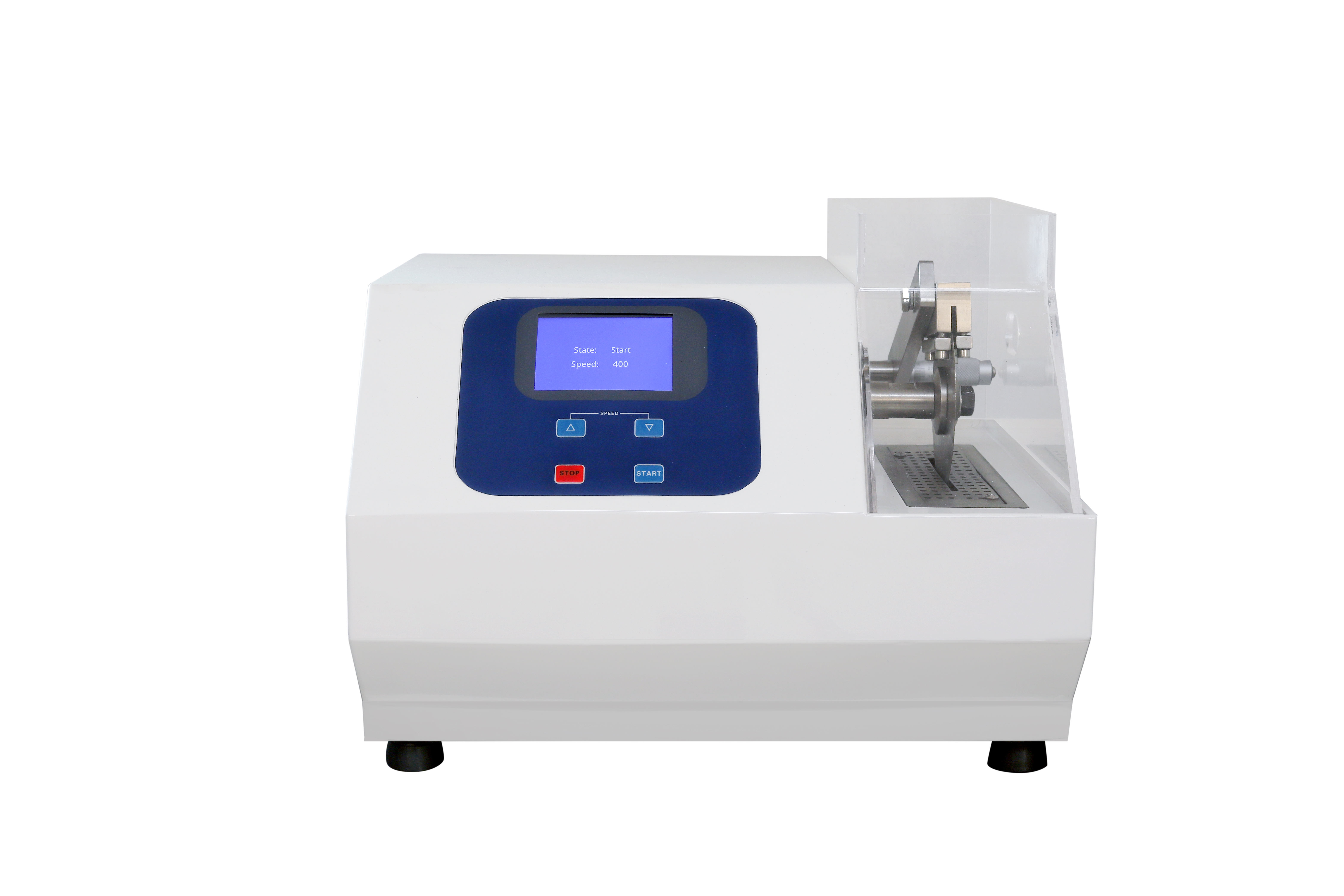
Reference image: DS-600 precision metallographic cutting machine for sample preparation.
What to Evaluate Before Buying a Precision Metallographic Cutting Machine
A procurement decision is easier when evaluation criteria match real lab and production constraints. Below are practical checkpoints commonly used by universities, research institutes, and manufacturers when selecting a cutting system for metallography and quality control.
1) Cutting accuracy (protecting the “true structure”)
- Stability of cutting path and minimal vibration, to reduce edge chipping and micro-cracks.
- Controlled cutting conditions to avoid excessive heat that can change microstructure near the cut surface.
- Repeatability from sample to sample, supporting consistent metallographic results.
2) Efficiency (throughput without sacrificing integrity)
- Setup convenience for frequent sample changes and different materials.
- Workflow compatibility with subsequent mounting, grinding, polishing, etching, and imaging.
- Operator-friendly controls to reduce training time and human error.
3) Reliability (daily stability in labs and plants)
- Robust mechanical design for continuous use and consistent cut quality.
- Easy-to-maintain structure and clear serviceability for wear parts.
- Stable performance in different use environments (education labs, R&D, production QC).
4) Standards-oriented use (ASTM / ISO alignment)
If your metallographic workflow targets ASTM or ISO practices, your cutting process should be designed and operated in a way that supports consistent, traceable preparation—especially when cutting quality directly affects microscopy interpretation and subsequent hardness testing.
DS-600 Practical Guide: How to Assess Fit for Your Application
The DS-600 cutting machine is positioned for precision metallographic sample cutting. When reviewing DS-600 for procurement, focus on how its operation supports your material testing objectives rather than only comparing basic specifications.
| Evaluation item |
What to verify during selection (DS-600 oriented) |
Why it matters in material testing |
| Cut integrity |
Inspect cut surface condition and edge preservation on representative materials; confirm the process can limit heat-affected and deformed zones. |
Reduces risk of misleading microstructure interpretation and inconsistent hardness results. |
| Operational efficiency |
Check ease of sample clamping, workflow speed, and operator control logic for routine QC and teaching environments. |
Improves throughput while maintaining consistency across batches. |
| Reliability |
Evaluate structural robustness, stability over repeated operation, and maintenance convenience. |
Ensures repeatable sample quality and predictable operating cost. |
| Standards-oriented workflow |
Confirm your cutting procedure can be documented and controlled to support ASTM/ISO-aligned metallographic preparation expectations. |
Supports auditability and consistent lab practice across users and sites. |
Tip for buyers: Ask to evaluate the DS-600 using your
real sample types (material category, geometry, and downstream analysis requirements). A precision cutting machine should be judged by how well it protects the integrity of the area you plan to observe and measure.
Typical Users & Application Scenarios
- Manufacturing QC labs: consistent metallographic sample preparation supporting process control and incoming inspection.
- Universities: teaching demonstrations and repeatable preparation for student lab work.
- Research institutes: precise cutting to help protect microstructures for advanced analysis workflows.
- Metallurgy and precision industries: preparation tasks where accuracy and reliability are prioritized to reduce rework.
Why Laizhou Jincheng (Jincheng Industrial) for Metallography & Hardness Testing
Founded in 2004, Laizhou Jincheng Industrial Equipment Co.,Ltd focuses on metallographic testing and hardness testing. We provide equipment and consumables solutions that support a complete material testing workflow—covering manual systems for intuitive operation and computerized solutions designed for automated control and high-resolution optical imaging to align with international standards such as ASTM and ISO.
If you are selecting the DS-600 precision metallographic cutting machine as part of a broader lab build-out, we can align cutting with subsequent metallographic preparation and hardness testing needs—helping teams form a consistent, standards-oriented operating practice.
Procurement Checklist (Quick Use)
- Define your material testing goal (metallography, hardness correlation, failure analysis, teaching, or QC throughput).
- List representative materials and sample geometries you cut most often.
- Set evaluation criteria around cutting accuracy, efficiency, and reliability (and how you will verify each).
- Check whether your workflow must follow or reference ASTM/ISO practice, and prepare documentation needs.
- Review installation constraints (power, space, safety procedures) and daily maintenance expectations.
Note: Selection should be based on your application requirements and internal verification. This page provides general buying guidance and does not substitute for your lab’s validation procedures.