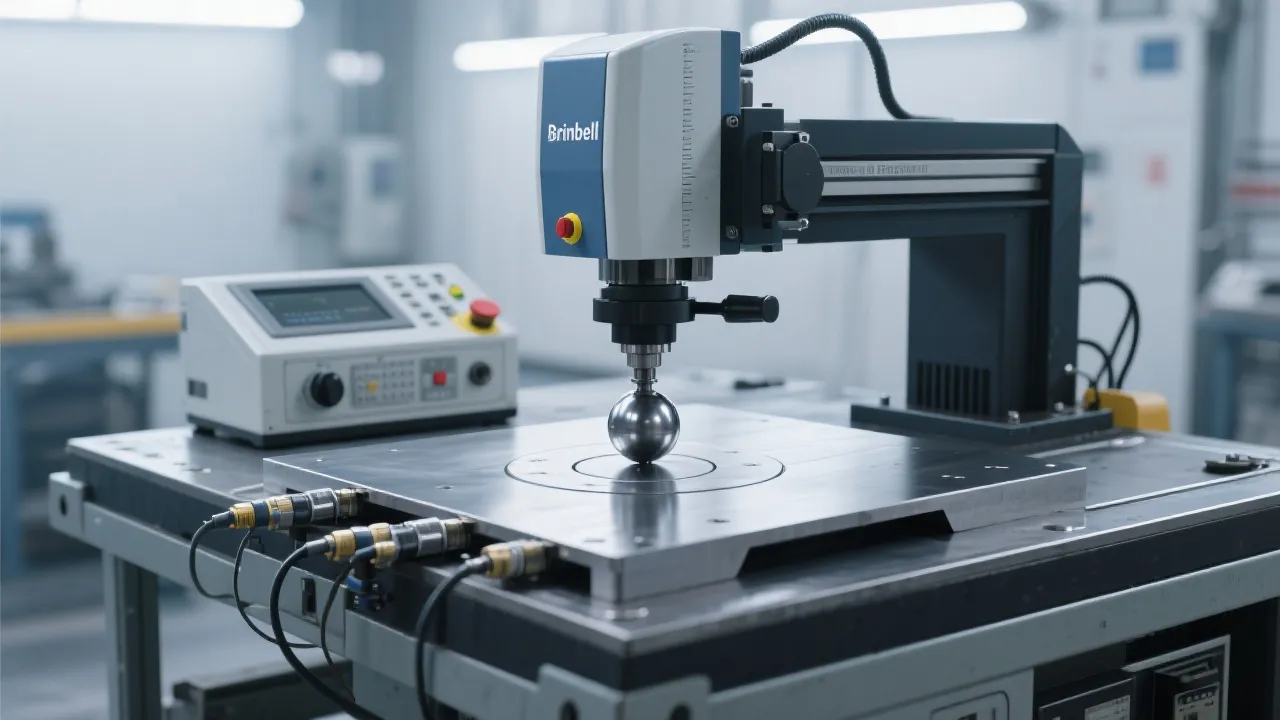
If your lab’s metallographic results vary between batches—even with the same sample—you may be overlooking a critical factor: environmental stability. Inconsistent temperature, humidity, and cleanliness aren’t just background noise—they directly impact grinding efficiency, surface integrity, and ultimately, data reliability.
Studies show that a 5°C rise in ambient temperature can reduce polishing uniformity by up to 18% (based on ASTM E3-21 standards). Why? Higher temps accelerate solvent evaporation from abrasive slurry, leading to uneven wear patterns on your sample. Similarly, relative humidity above 65% increases static charge buildup—causing particle adhesion and micro-scratches.
ASTM E3 Tip: Always maintain lab conditions within 20–25°C and 45–60% RH for consistent results. This range minimizes both thermal drift and moisture-induced artifacts.
Your lab might meet these specs on paper—but do you monitor them continuously? Many labs rely on manual logs or outdated HVAC systems, which can miss short-term spikes. That’s where real-time sensors and automated climate control make the difference.
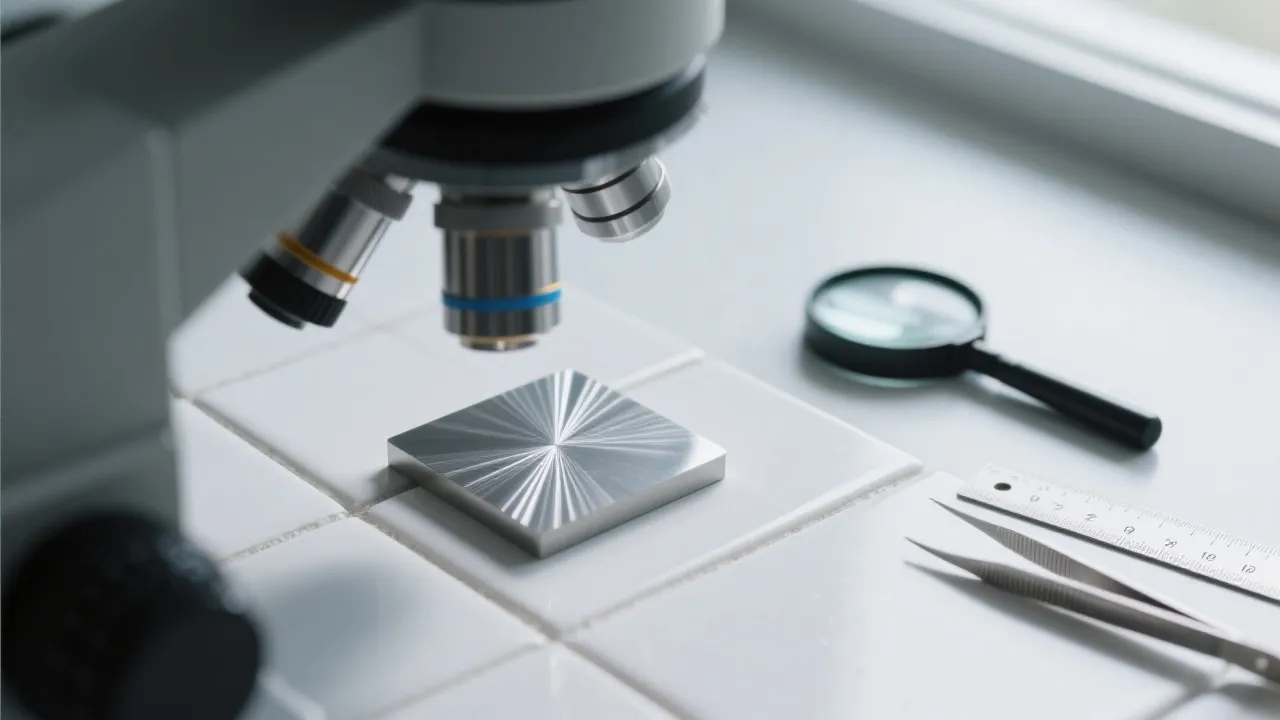
Even microscopic dust particles (as small as 0.5 µm) can embed into polished surfaces during final stages, especially when using fine diamond suspensions. A single airborne contaminant can cause misinterpretation of grain boundaries or phase distribution—leading to costly rework or incorrect material classification.
Best practice: Use HEPA-filtered air curtains around workstations, clean tools after each use, and schedule weekly deep-cleaning cycles. For labs in industrial settings, consider isolating the preparation area from high-traffic zones.
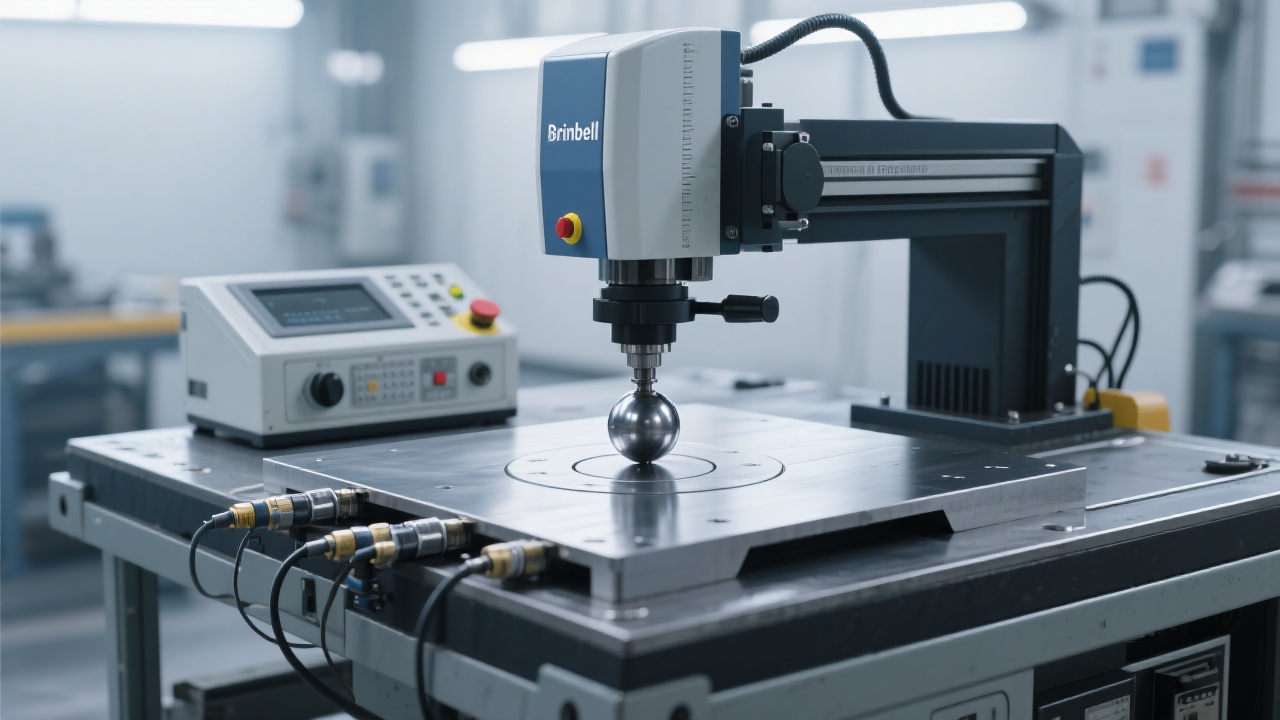
These aren’t luxury upgrades—they’re foundational controls that ensure every sample is processed under identical conditions. And here’s the kicker: they pay for themselves through reduced variability, fewer rejected samples, and higher confidence in your reports.
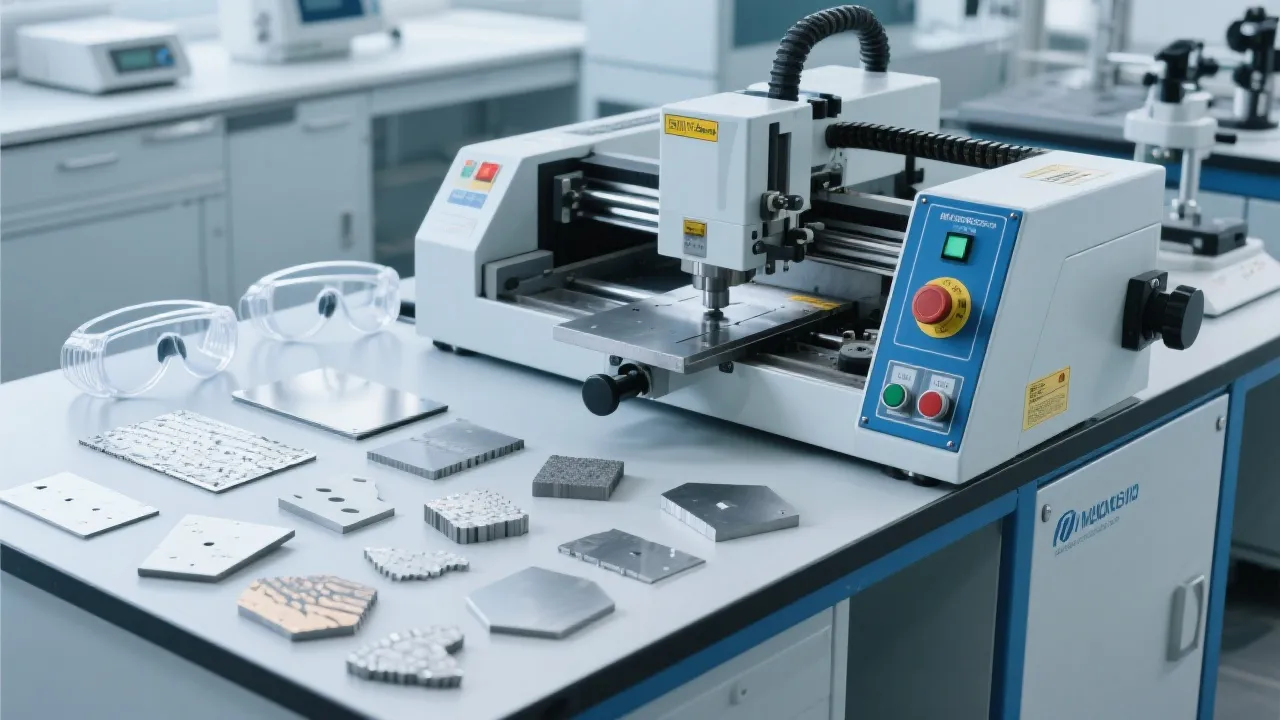
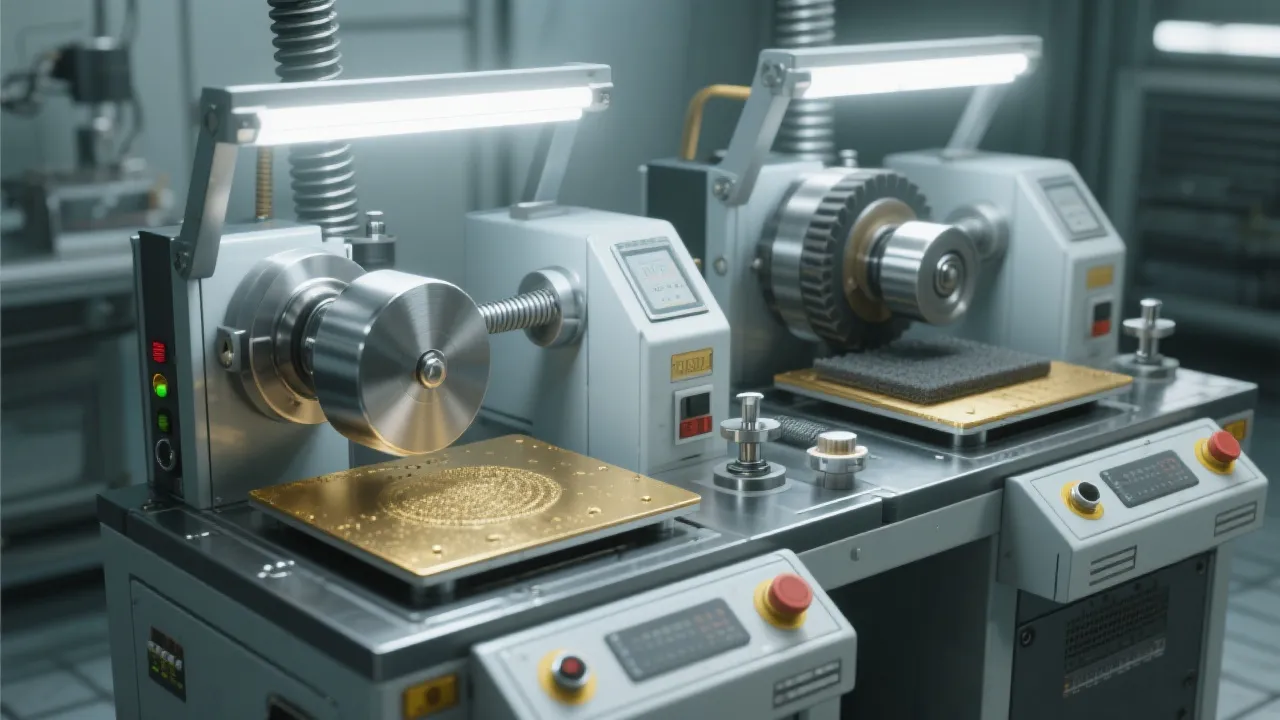
Choosing the right equipment matters just as much as controlling the environment. With its stable motor speed (±1 rpm), corrosion-resistant stainless steel housing, and low-noise operation, the MP-2S Dual-Head Manual Grinding & Polishing Machine helps minimize external variables—especially in environments where vibration or heat generation could otherwise compromise consistency.
Its ergonomic design allows precise pressure control, reducing human error—a key factor when working in less-than-ideal conditions. Whether you're in a university lab or an industrial QA facility, MP-2S gives you the repeatability needed for reliable data.
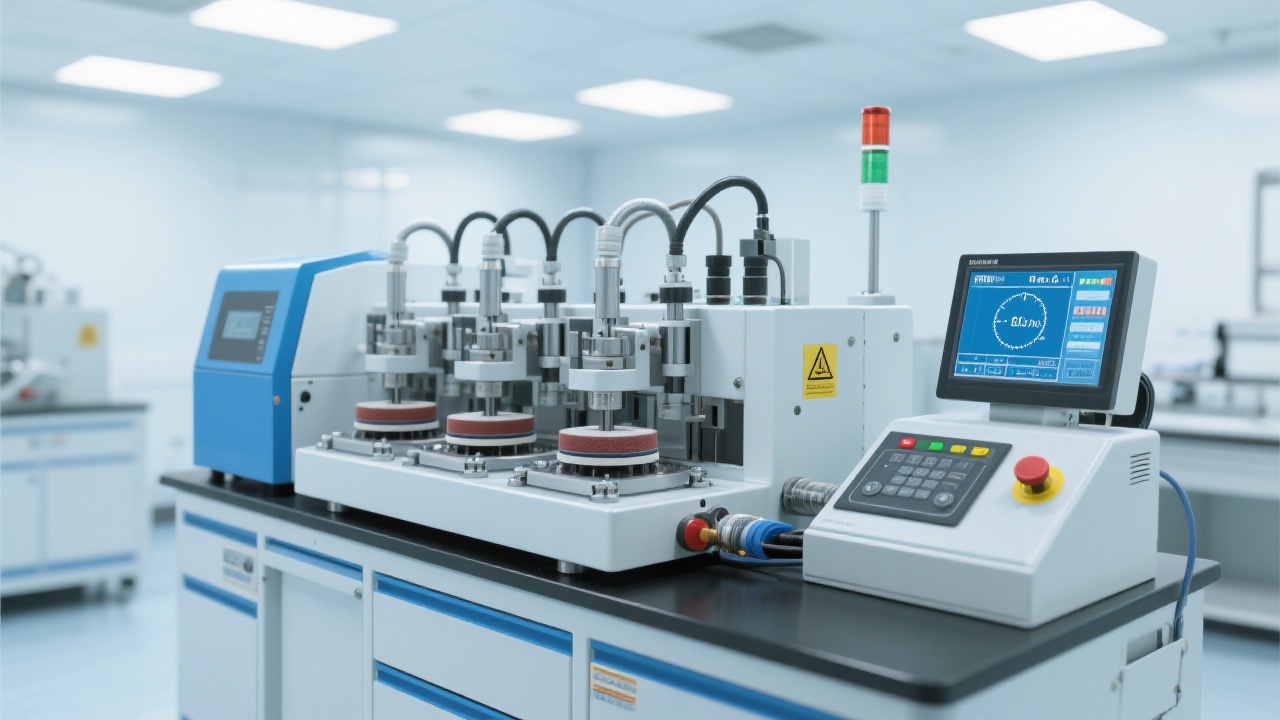
Let the MP-2S Double-Head Manual Grinder bring precision, durability, and environmental resilience to your lab—no matter where it’s located.
Explore MP-2S Features Now →


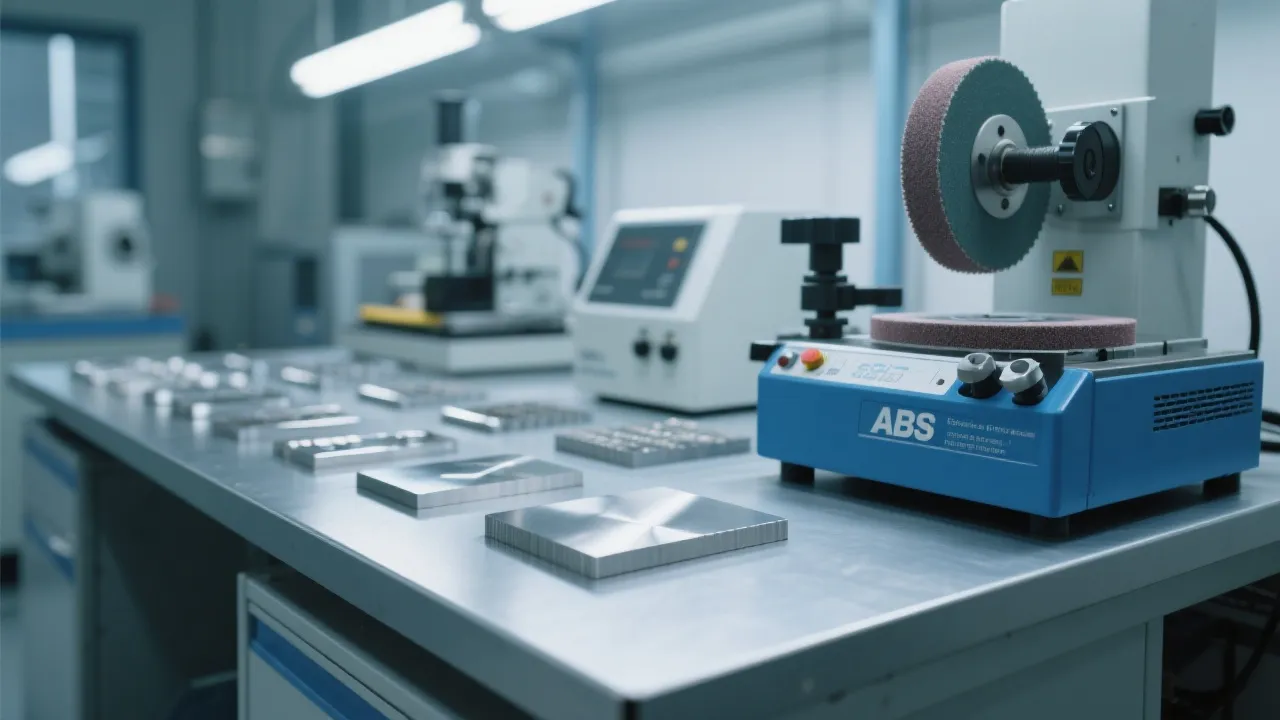




Hardness-Tester7MHVS-1000A-1.jpg?x-oss-process=image/resize,h_1200,m_lfit/format,webp)