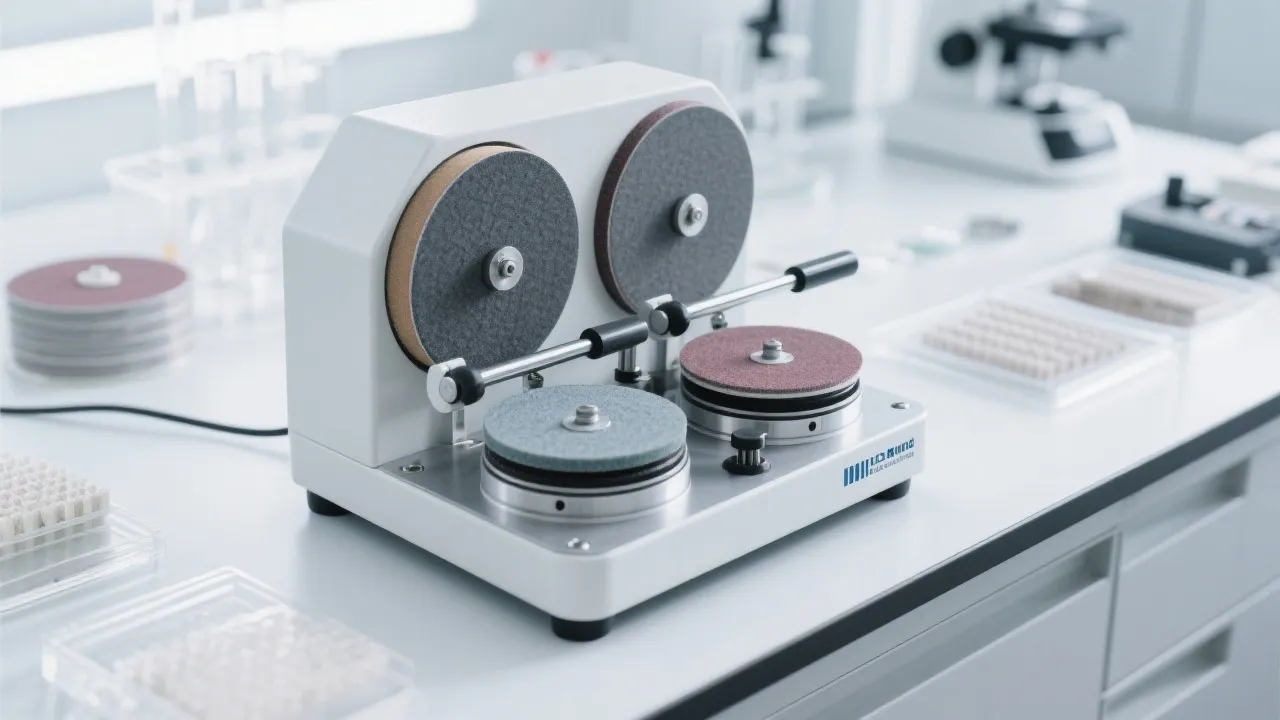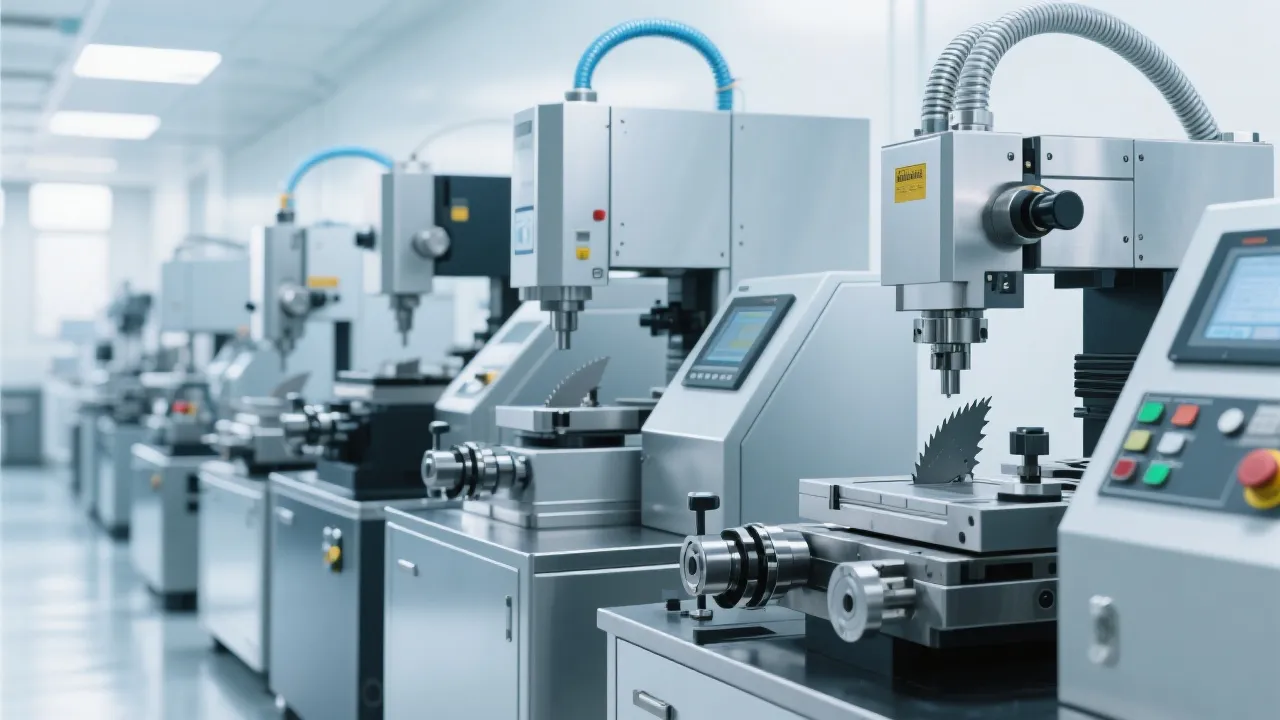
In industrial and scientific applications, stability and precision of laboratory grinding and polishing equipment are paramount. The MP-2S Double Disc Manual Grinding and Polishing Machine by Laizhou Jincheng Industrial Equipment Co., Ltd., leverages advanced materials and engineering design to deliver exceptional reliability. This article provides a thorough analysis of critical speed control system maintenance — specifically focusing on gear lubrication and motor heat dissipation — to sustain experiment accuracy and the long-term operational stability of this essential device.
The speed control system underpins the machine’s performance by regulating grinding and polishing speeds precisely. Inefficient gear lubrication raises friction, accelerating wear and increasing vibration—leading to inconsistent sample surfaces. Similarly, inadequate motor cooling results in overheating, reducing motor lifespan and causing speed fluctuations that compromise experimental data integrity.
The MP-2S model’s body is constructed from reinforced fiberglass, a material known for its superior corrosion resistance and impact durability. This design not only extends equipment longevity but also simplifies daily cleaning and anti-corrosion treatments, which are foundation steps for preventing dust and contaminants from accelerating mechanical wear.
Following ASTM E3 and ISO 14175 standards for industrial lubrication, regular application of high-quality gear lubricants is vital. We recommend using synthetic lubricants with a viscosity grade between ISO VG 68 and ISO VG 100, which optimize friction reduction while preserving gear integrity under continuous operation.
Key lubrication best practices include:
The electric motor is the heart of the MP-2S system; thus, managing its thermal profile is crucial. Overheating not only shortens motor lifespan but causes speed instability, directly impacting polishing uniformity. The motor’s cooling system should combine forced air ventilation with thermal conductive components built into the design.
Recommended cooling maintenance steps:
To facilitate structured upkeep, a standardized checklist aids laboratory managers and technicians in proactive maintenance:
Implementing this schedule can reduce equipment downtime by up to 30% and improve experiment repeatability by 15%, according to internal performance audits.
Maintenance needs vary with operational intensity. For high-throughput metallurgical labs, increased lubrication frequency and more frequent thermal inspections are essential. Conversely, moderate-use new material research labs benefit from routine weekly cleanings and monthly monitoring.
Adapting maintenance intervals aligns operational reliability with specific application demands, reducing unnecessary service costs while safeguarding data quality.
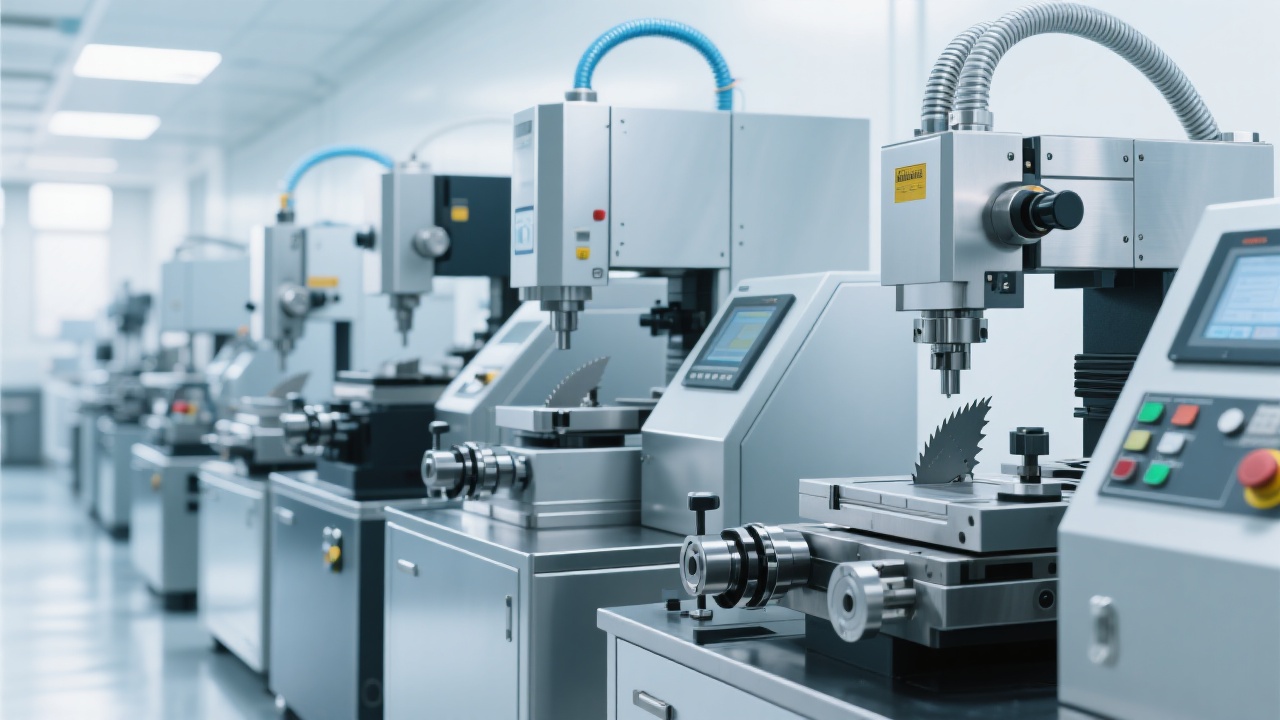
- Consistent record-keeping: Maintain logs of inspections, lubrication dates, and temperature readings to anticipate part replacement before failure.
- Staff training: Ensure operators understand the correlation between lubrication, cooling, and final sample quality.
- Use OEM-recommended parts: The MP-2S is designed with precision components—using manufacturer-approved lubricants and fan assemblies maximizes compatibility and performance.
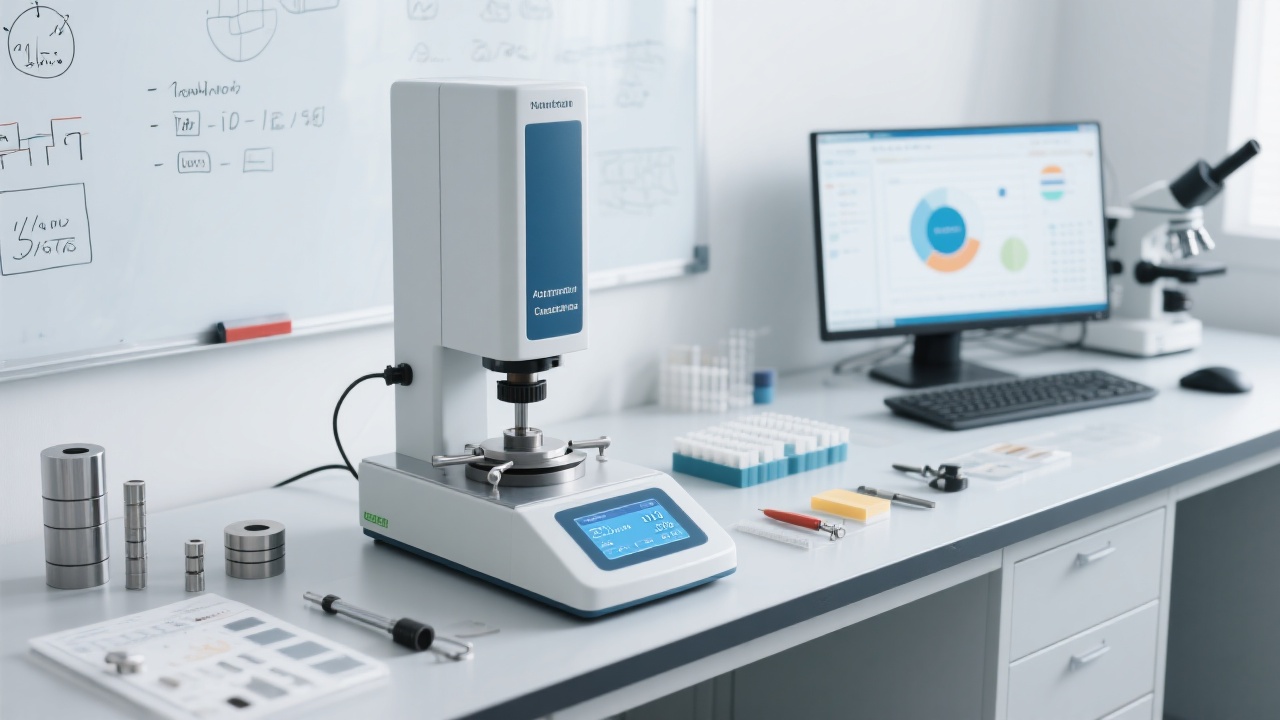
Laizhou Jincheng Industrial Equipment Co., Ltd.'s commitment to quality is reflected in the MP-2S’s material excellence, adherence to international standards, and customer-centric after-sales support. Their robust fiberglass chassis, combined with engineered maintenance protocols for the speed control system, ensures that technicians can trust the instrument for high-frequency use without sacrificing precision.
For laboratory managers and technical staff aiming for stable, repeatable polishing results across metallurgy, mechanical manufacturing, and new materials sectors, adopting comprehensive gear lubrication and motor cooling maintenance strategies is a decisive step.