As a lab technician or equipment manager, you know that every minute of downtime in your metallographic preparation process impacts productivity—and your team’s confidence in the tools they rely on. Did you know that up to 40% of unexpected machine failures in labs stem from poor maintenance practices? It's not just about fixing problems—it's about preventing them before they start.
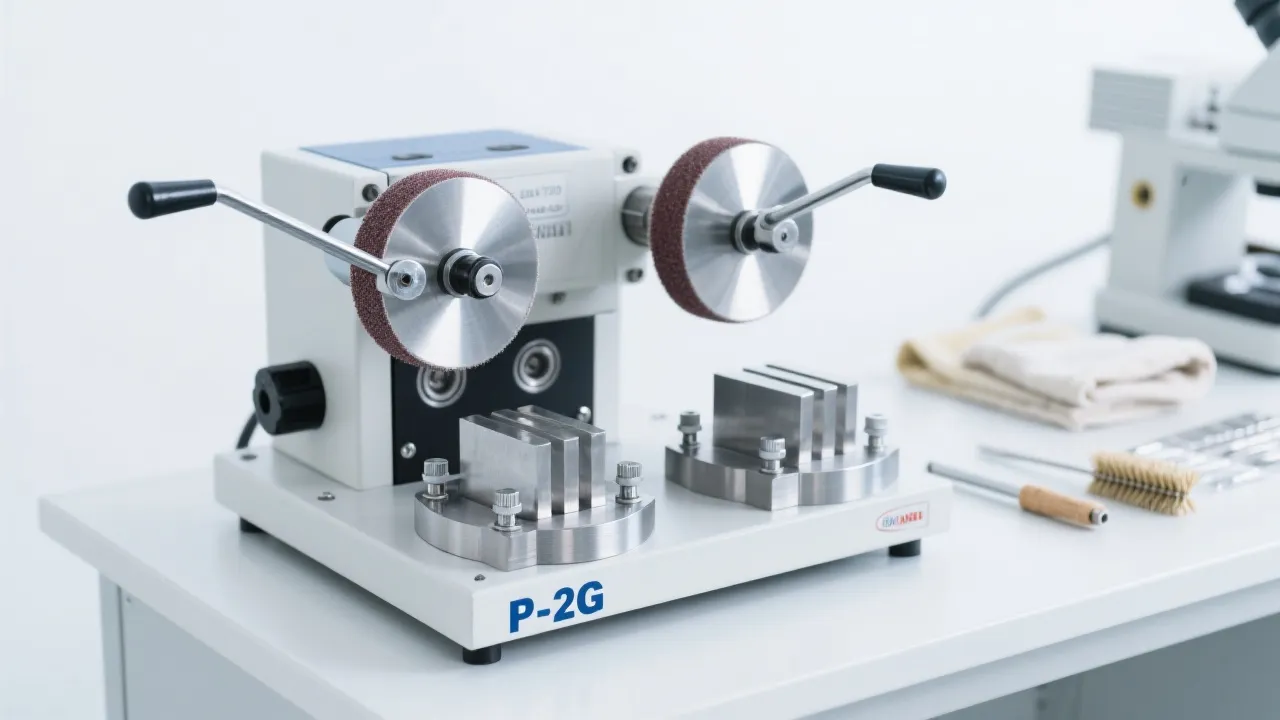
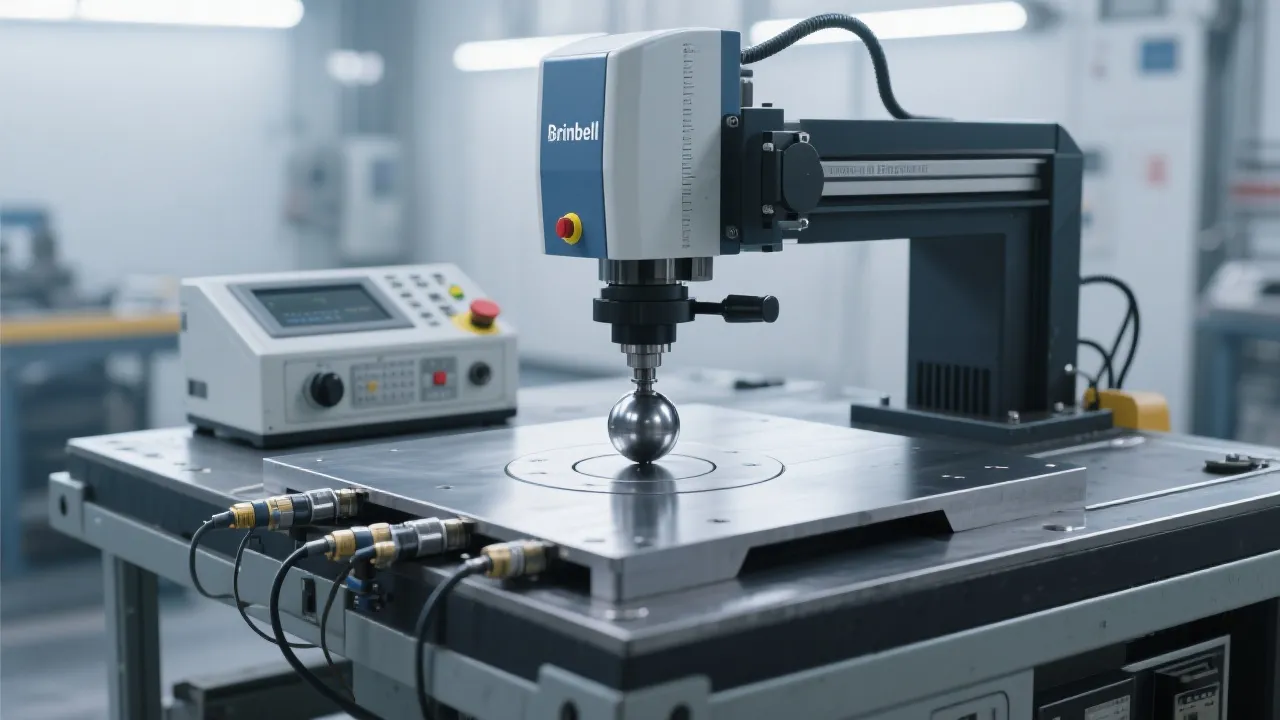
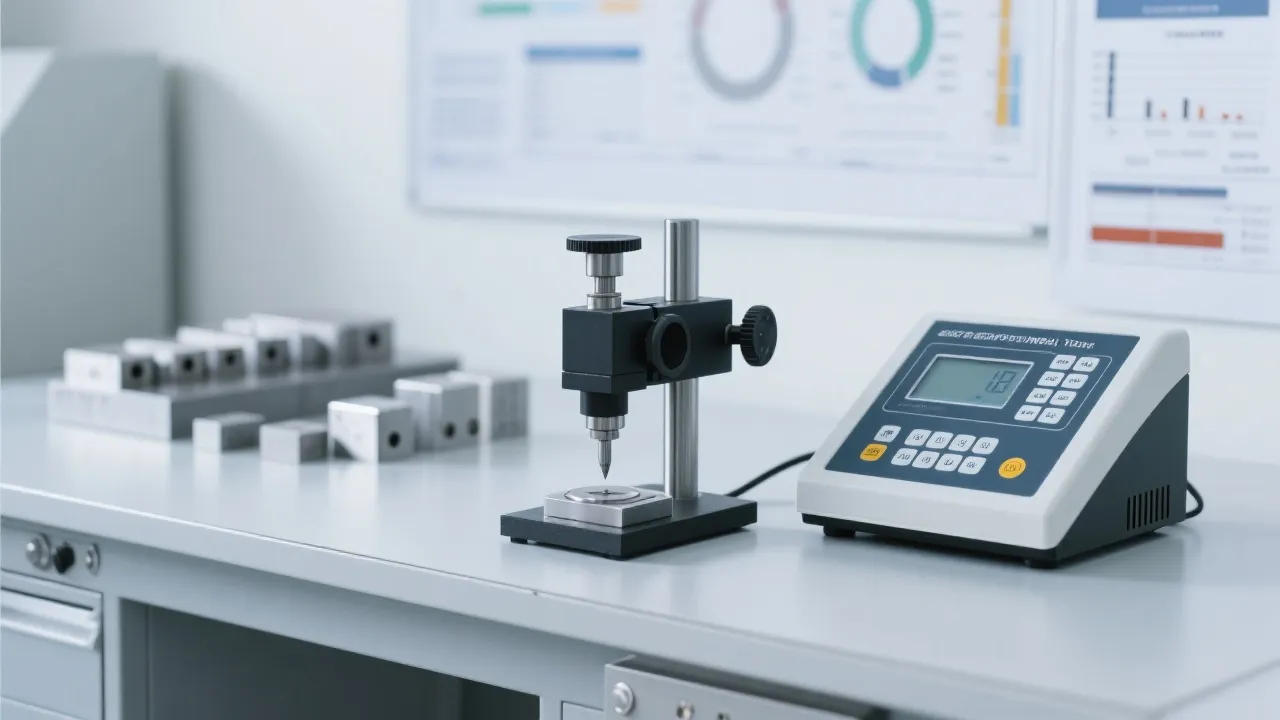
If your sample surface shows uneven cuts or inconsistent grain visibility, the culprit might be a misaligned grinding wheel. Even a 0.5° deviation can lead to wasted samples and increased rework time. Start by checking the spindle bearing clearance—this is often overlooked but critical for long-term accuracy. Use a dial indicator for calibration, and always log results in your daily checklist. This simple step reduces wear by up to 30% and ensures consistent results across batches.
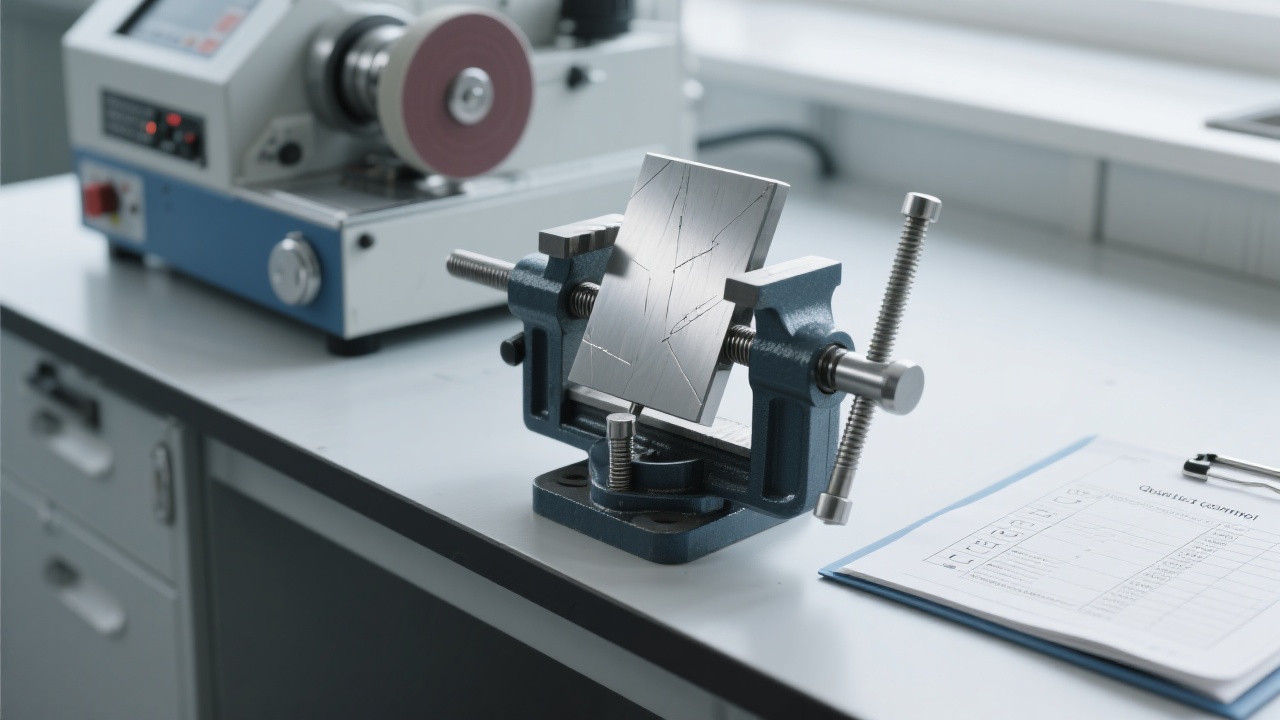
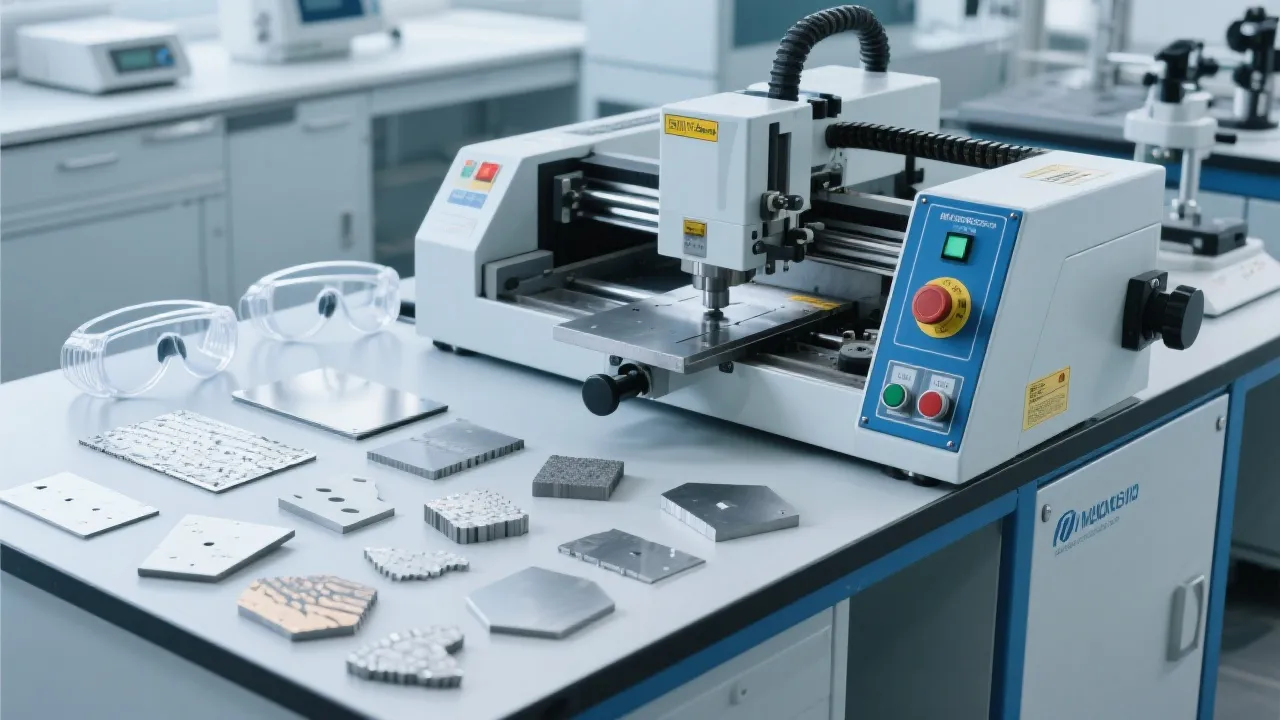
Blocked coolant lines are one of the most frequent causes of overheating and premature tool wear. A clogged nozzle isn’t just inconvenient—it can cause thermal stress fractures in your samples. We recommend flushing the entire water circuit weekly using deionized water and a soft brush. For heavy-duty labs, install a magnetic filter at the inlet to trap ferrous particles. With this routine, you’ll reduce cooling system issues by over 60%, saving both time and replacement costs.
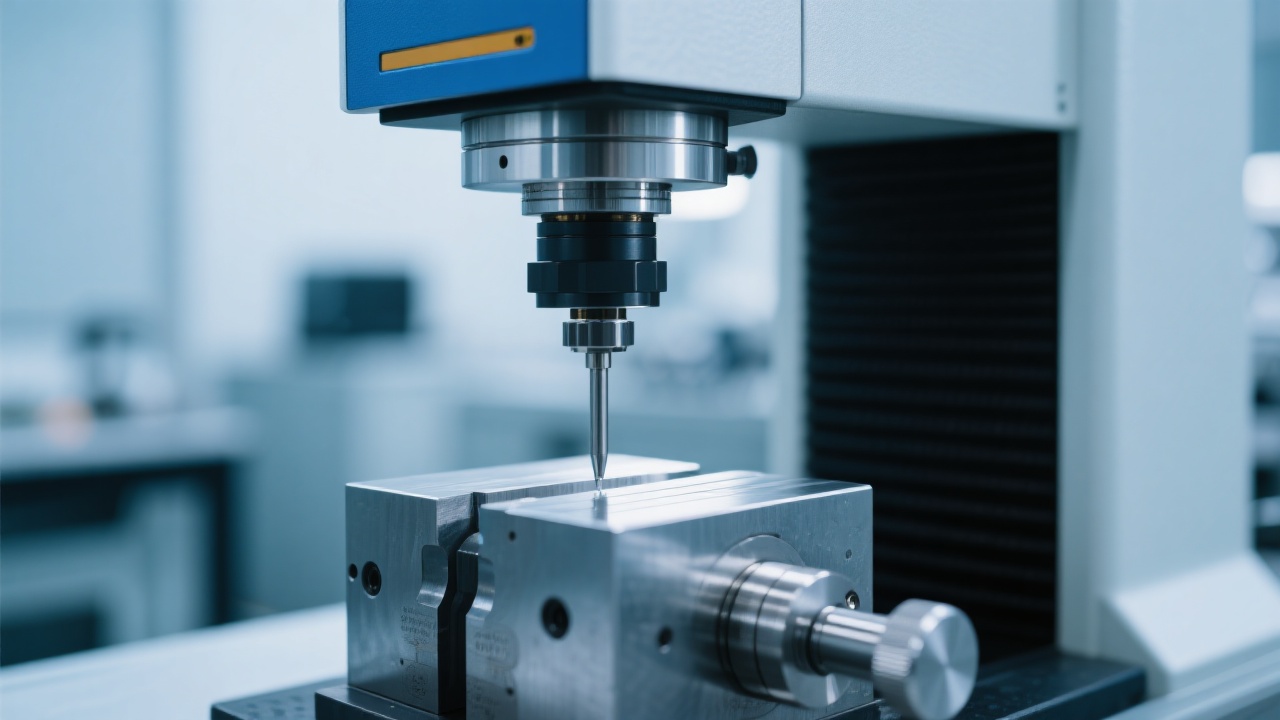
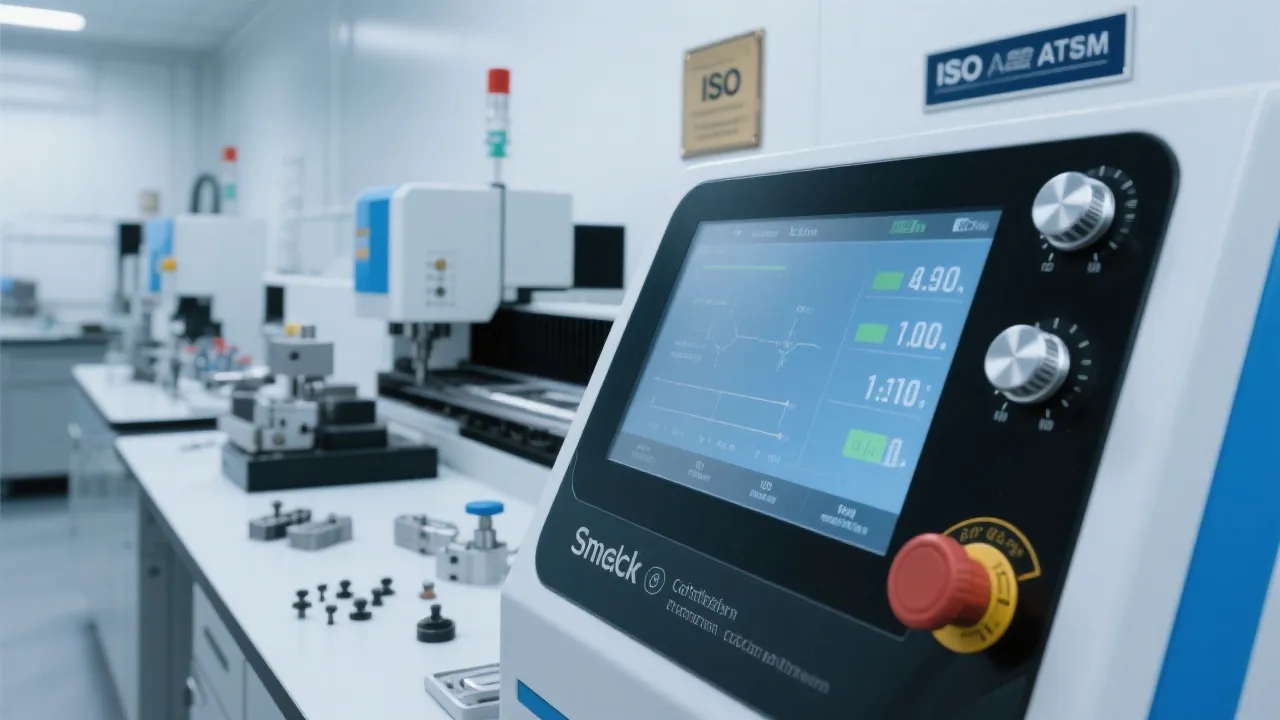
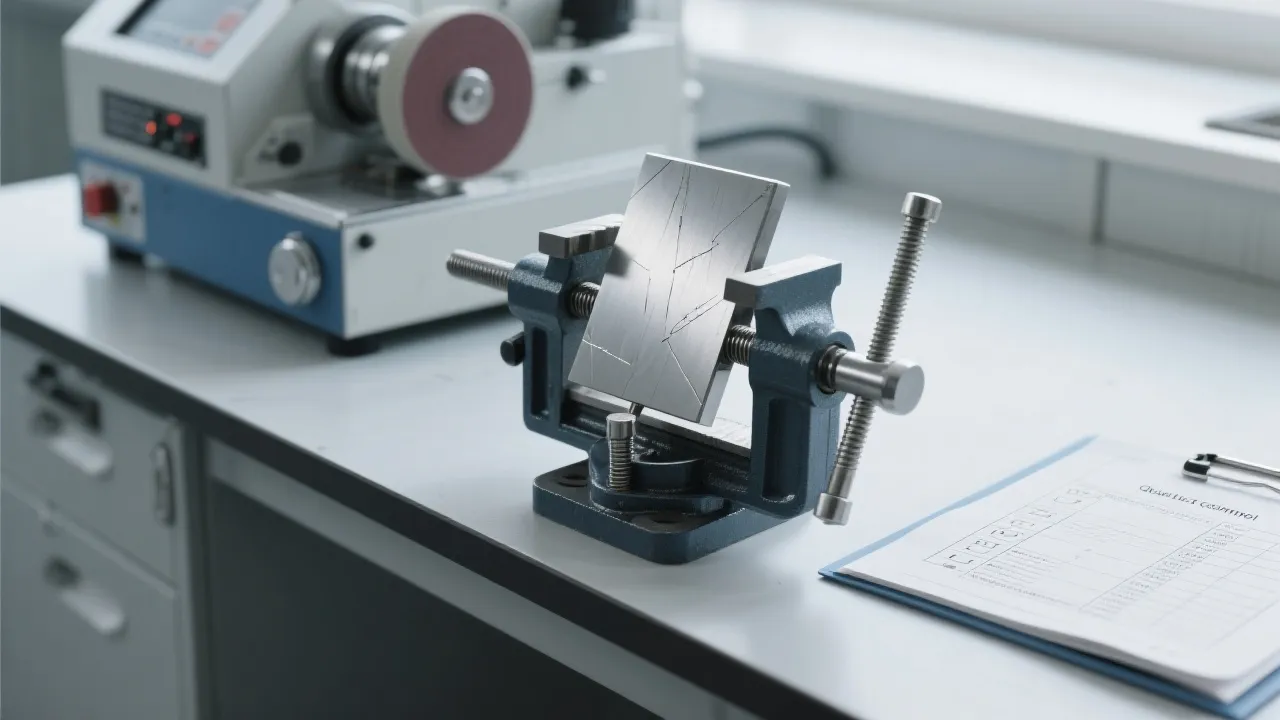
Unusual sounds—from buzzing to grinding—can signal either mechanical looseness or electrical faults. First, check all mounting bolts (especially the motor base) and tighten to manufacturer specs. If noise persists, test the drive belt tension and inspect for worn brushes or damaged windings. Many labs miss early signs because they wait until failure occurs. By adopting a monthly inspection schedule, you’ll catch issues early and avoid costly emergency repairs—boosting uptime by an estimated 25–35%.
Remember: good maintenance doesn’t require expensive tools—it requires discipline, documentation, and a proactive mindset. Create a standardized daily log template (we suggest a digital form like Google Sheets or Notion) so everyone in your lab knows exactly what to check—and when.
Still unsure how to begin? Download our free “Daily Maintenance Checklist” PDF tailored for metallography labs worldwide. It includes visual guides, reminder prompts, and space for notes—no guesswork, just action.
What’s your biggest challenge with cutting machines? Let us know below—we’re listening.