Hardness-TesterHV-5103050A-1.jpg?x-oss-process=image/resize,h_1000,m_lfit/format,webp)
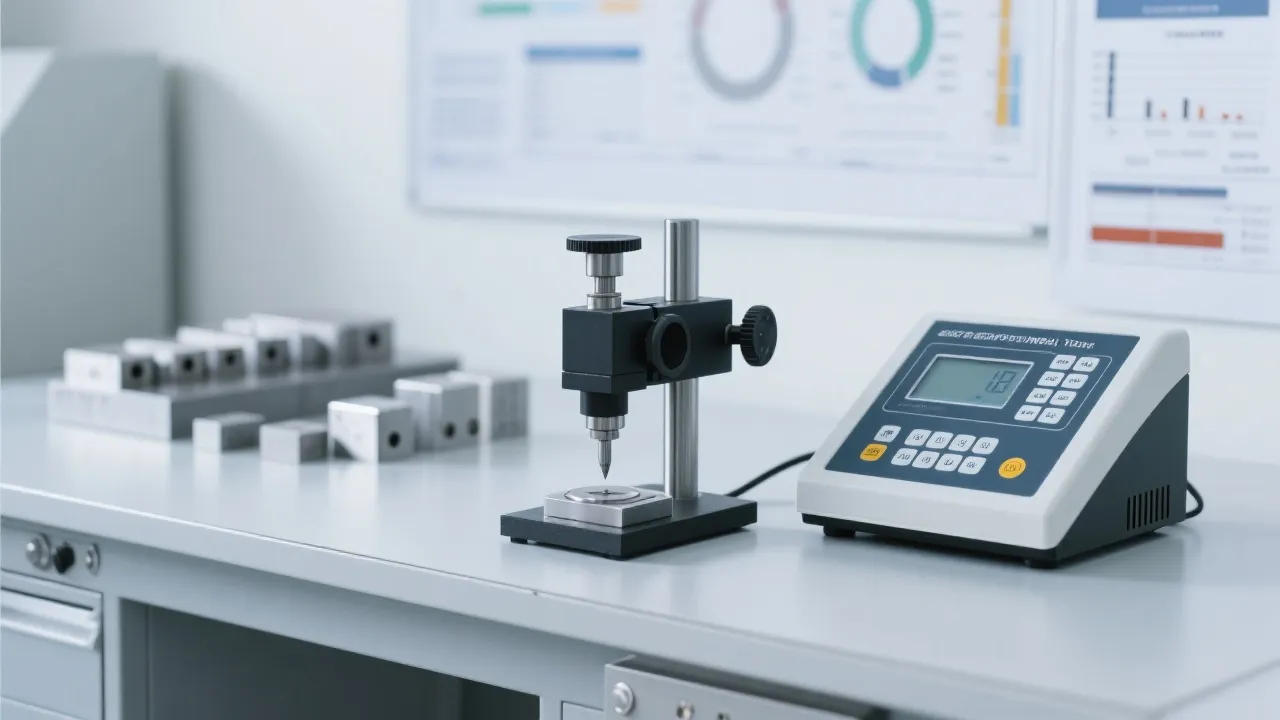
As a crucial piece of equipment for material testing and quality control, the proper use and maintenance of a hardness tester directly impacts the accuracy of measurement results and the equipment's lifespan. Whether you are a technician in the metal, plastics, or coating industries, mastering the precautions for using a hardness tester is the cornerstone of ensuring reliable test data. Based on professional experience and industry standards, the following content details the key points to note when using a hardness tester, helping you to accurately control every measurement.
1. Environmental control during testing: The ambient temperature should be maintained at 20±2℃ and the humidity should not exceed 70%. Fluctuations in ambient temperature and humidity will directly affect the material properties and the stability of the hardness tester readings.
2. Equipment calibration check: Before each use, check whether the hardness tester has been calibrated. Use a standard hardness block (such as an HRB standard block) for verification to ensure that the measurement error does not exceed ±1HRC.
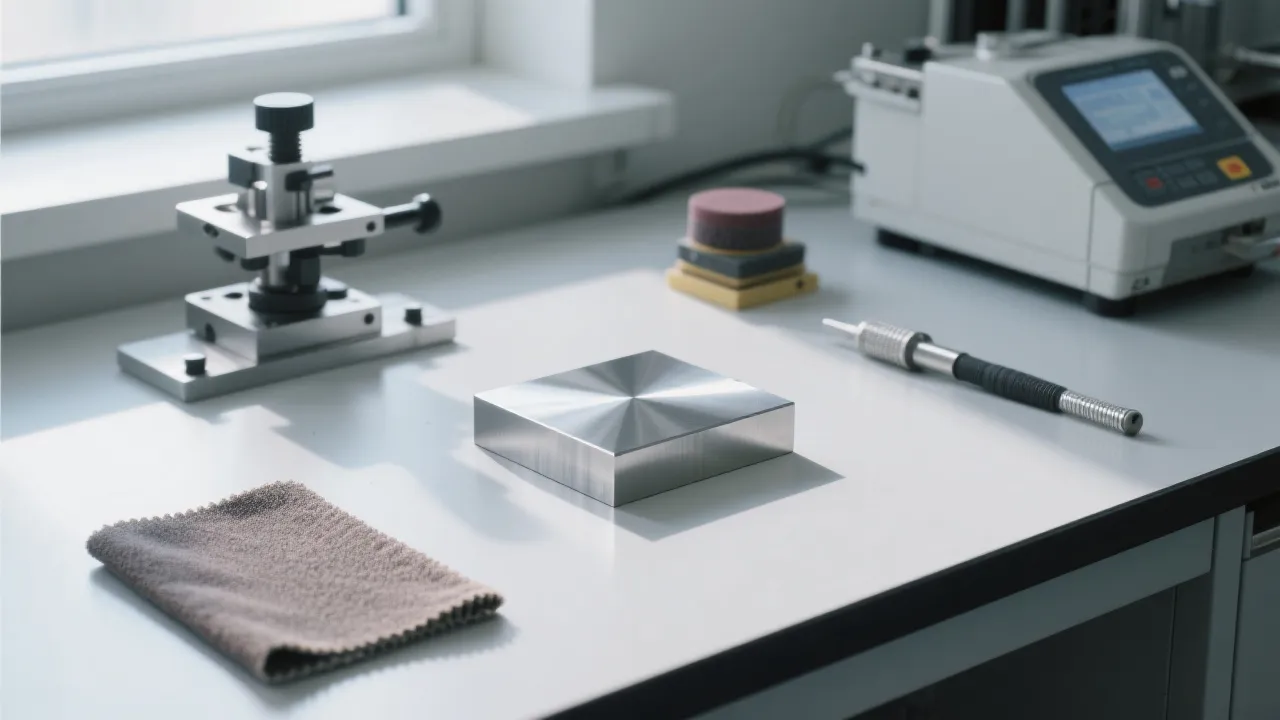
3. Test sample preparation: The measurement surface should be flat, clean, and free of oil, rust, or stains. These impurities can lead to poor contact and affect the accuracy of the data.
During the operation, details determine success or failure. The following points will help you maximize measurement stability and repeatability:
Currently, the mainstream types of hardness testers on the market include Rockwell hardness testers , Brinell hardness testers, Vickers hardness testers, and Shore hardness testers. Different types of hardness testers have different working principles and applicable ranges; proper configuration and operation are beneficial for maximizing measurement performance.
| Hardness tester type | Scope of application | Magnitude of force | Advantages and disadvantages |
|---|---|---|---|
| Rockwell hardness tester | Suitable for metals, steel, and alloys with high hardness. | 60~150 kg force | It offers fast measurement and wide applicability; the equipment is sensitive but requires high surface flatness. |
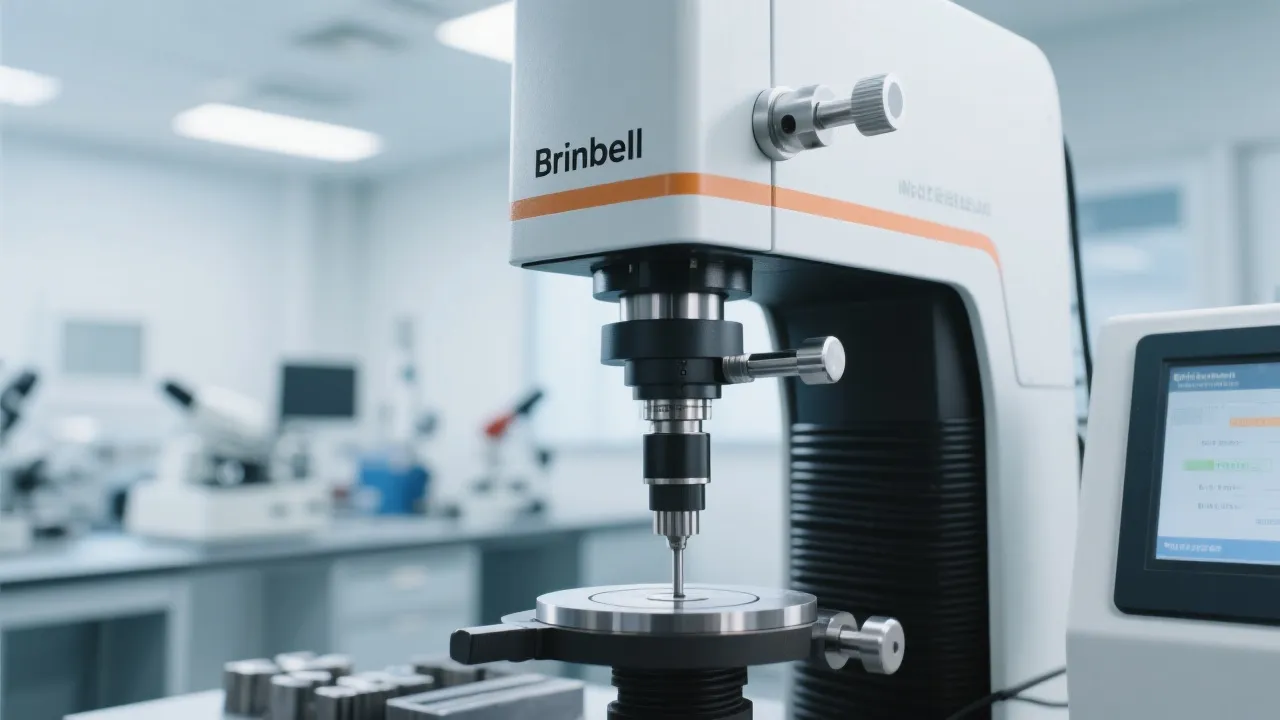
| Brinell hardness tester | Suitable for soft metals such as cast iron, aluminum, and copper. | 500~3000 kgf | High load capacity, suitable for rough samples; samples need to be relatively thick, as indentation can easily expand. |
| Vickers hardness tester | Suitable for a variety of materials, including thin samples. | Less than 1 kg force | High measurement accuracy, suitable for micro-area hardness testing; complex equipment operation. |
| Shore hardness tester | Suitable for soft materials such as plastics and rubber | Fixed spring force | Easy to operate and suitable for soft materials; results are greatly affected by surface conditions. |
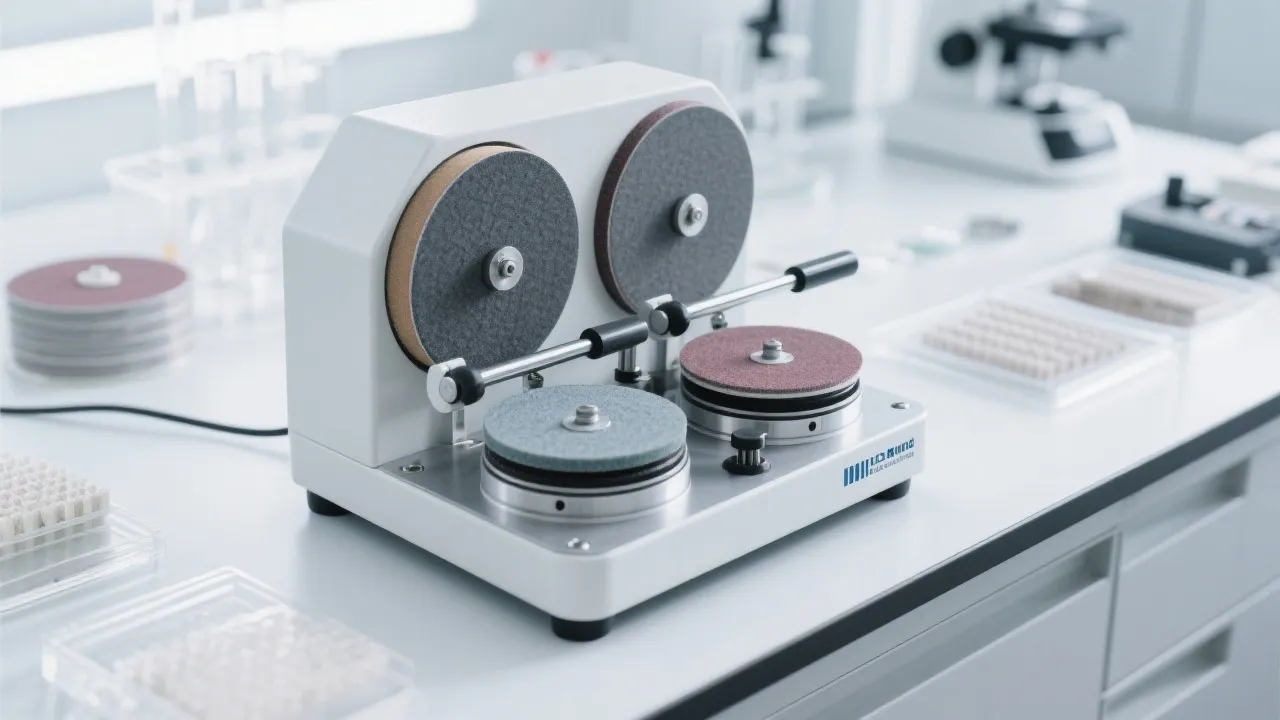
Professional maintenance is crucial for extending the lifespan of a hardness tester and ensuring accurate measurements. Common maintenance measures are as follows:
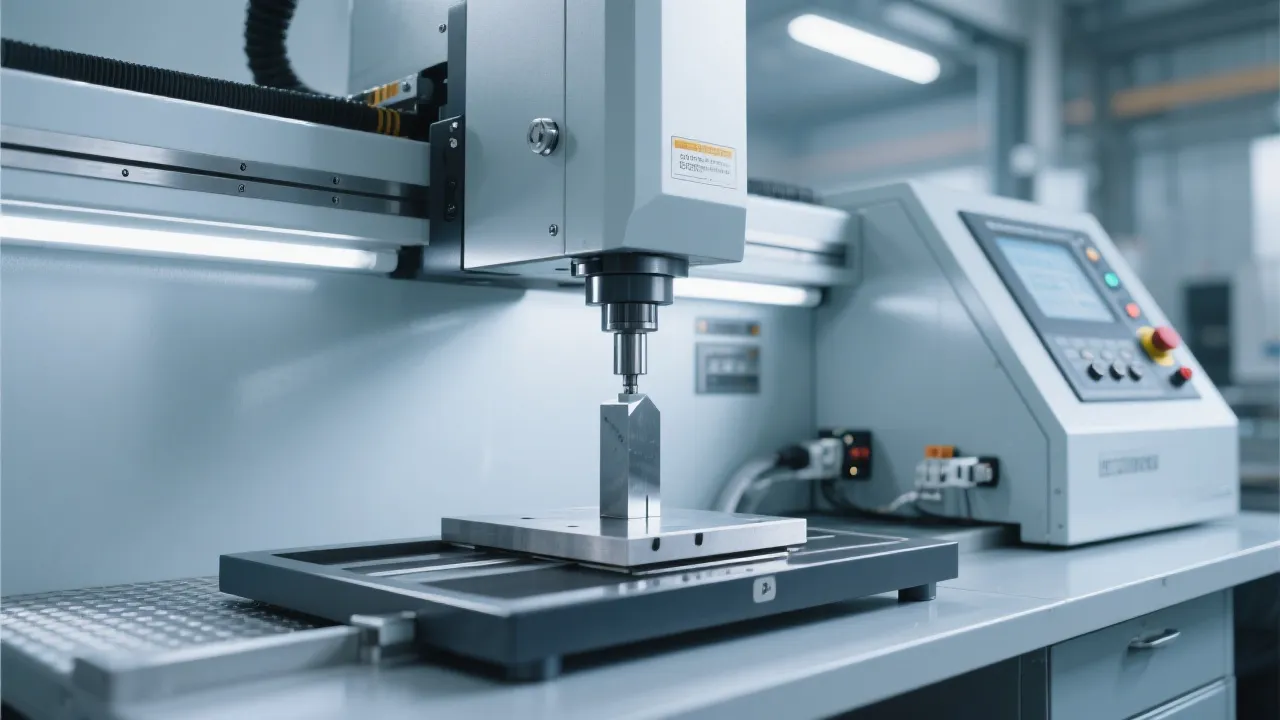
To achieve more stable and efficient hardness testing, it is recommended to combine the following techniques:
Learn about high-precision hardness testers now and easily understand material properties!

Hardness-Tester7MHXZD-1000A-1.jpg?x-oss-process=image/resize,m_fill,h_600,w_600/format,webp)


-1.jpg?x-oss-process=image/resize,h_1200,m_lfit/format,webp)

Hardness-Tester7MHXZD-1000A-1.jpg?x-oss-process=image/resize,h_1200,m_lfit/format,webp)




.jpg?x-oss-process=image/resize,h_1200,m_lfit/format,webp)