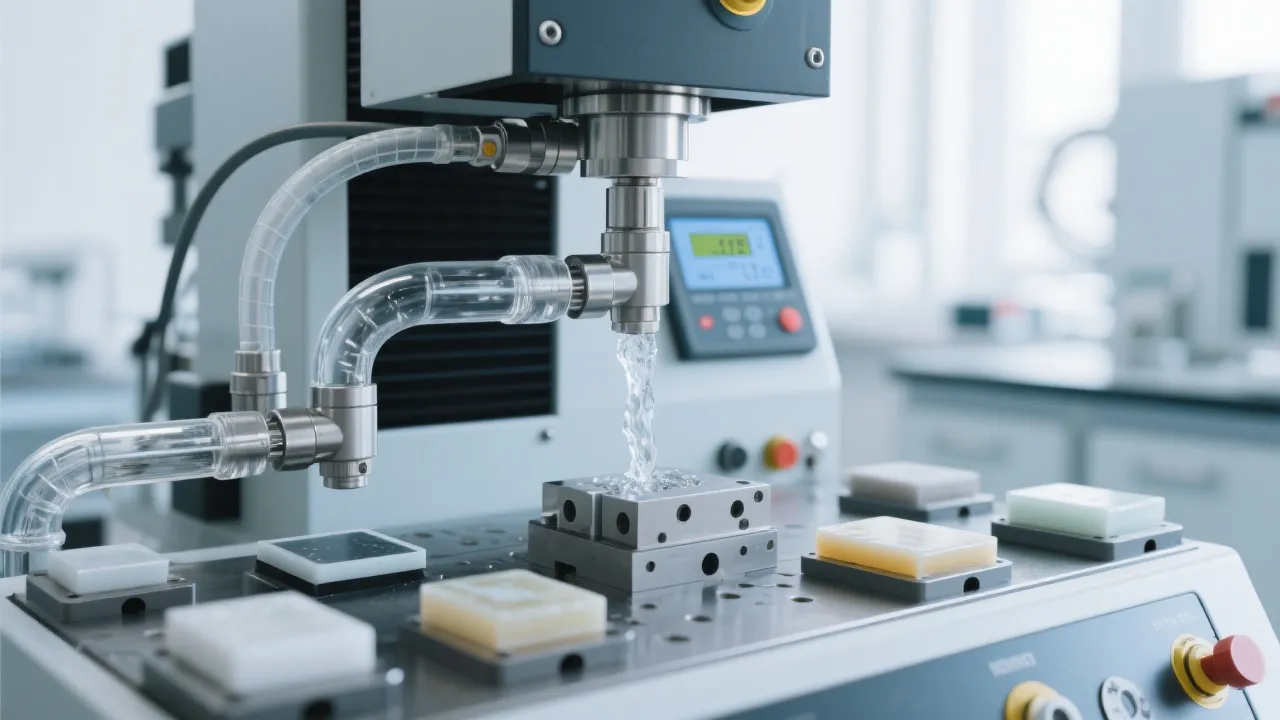
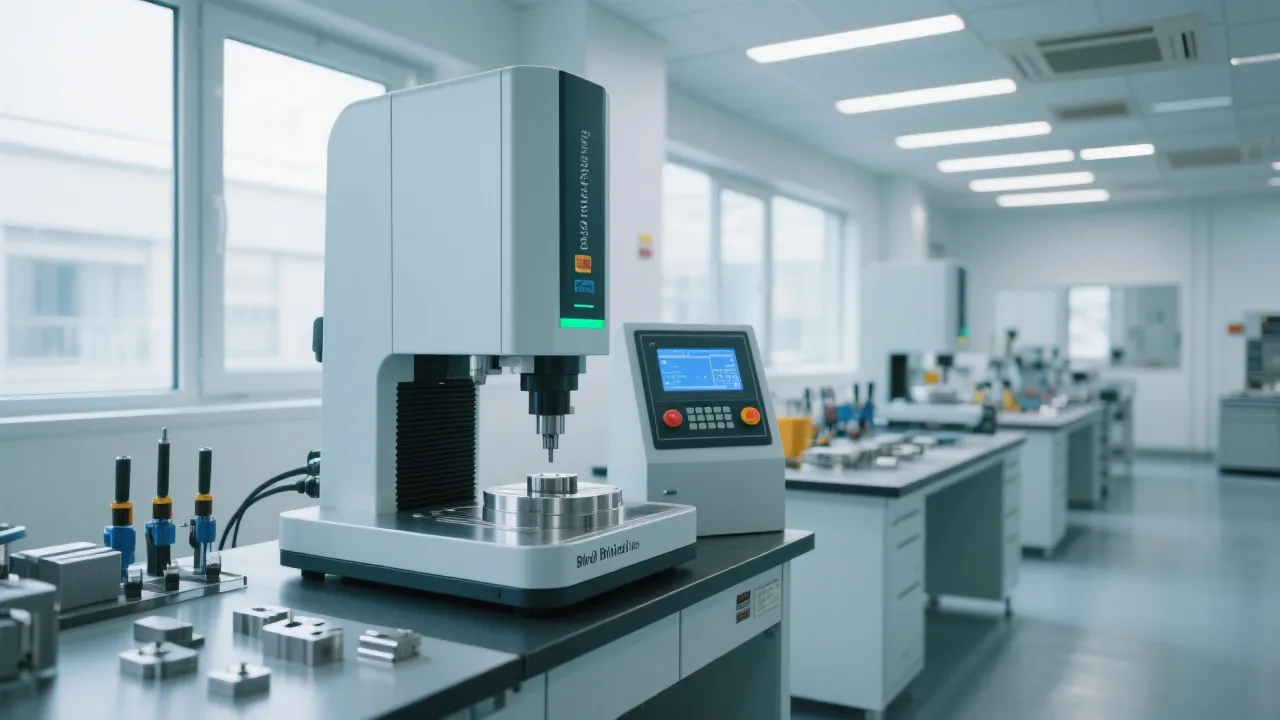
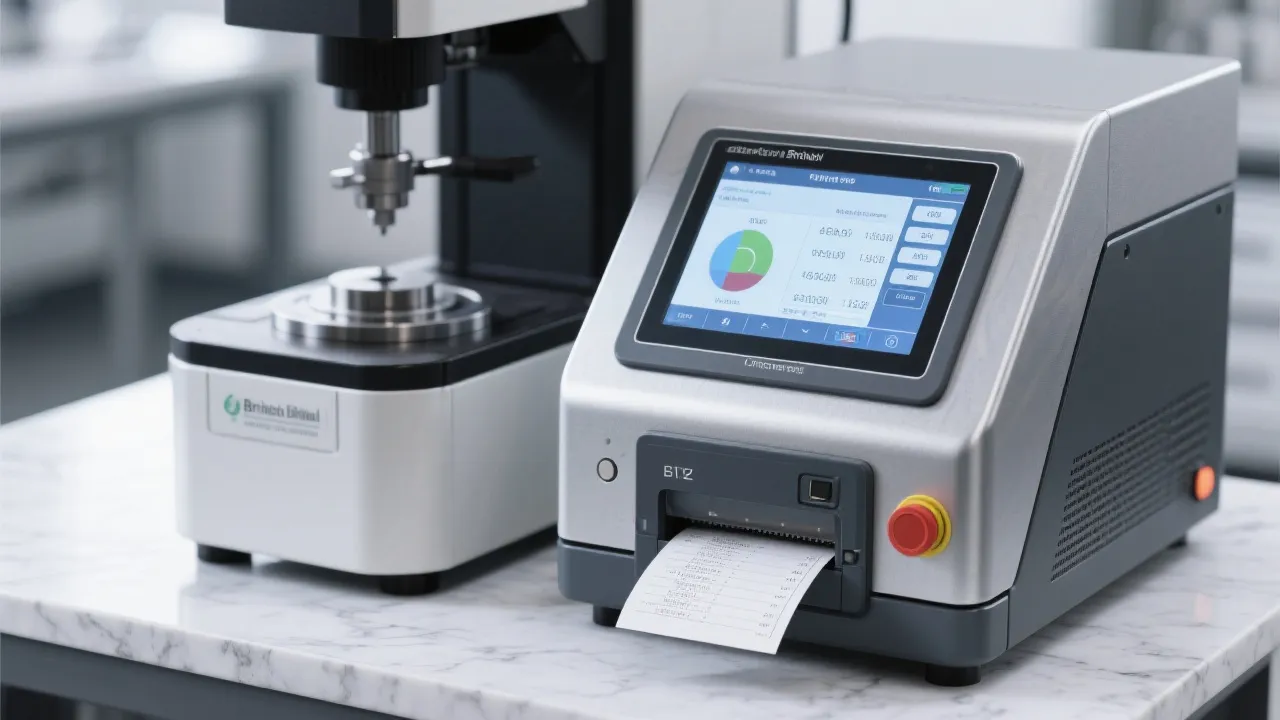
Hardness testers are indispensable tools in quality control, metallurgy, manufacturing, and material research. Accurately determining the hardness of materials ensures product durability, compliance, and performance. However, operating these devices without proper care can lead to inaccurate results, equipment damage, or even safety hazards. This article delves into the critical considerations you must keep in mind when using hardness testers, optimizing your testing process and outcomes.
Before we explore usage tips, it’s important to recognize that hardness testers come in multiple types, including Rockwell, Brinell, Vickers, and Portable testers, each equipped with different indenters, load applications, and measurement scales. Selecting the appropriate tester based on the material type (metal, plastic, thin sheet, etc.) and test specifications is crucial for reliable data.
Ensure your hardness tester is calibrated regularly with certified reference blocks. Calibration frequency depends on usage, but industry standards recommend at least monthly verification. Proper calibration guarantees accuracy within ±1 to ±3 HR (Hardness Rockwell) units depending on the model.
Any surface irregularities, coatings, rust, or oil can skew measurements. Always prepare the specimen by polishing or grinding to a smooth, clean finish. A flat and smooth surface reduces indentation errors caused by surface roughness.
The specimen must be firmly supported, stable, and correctly aligned with the indenter. If the sample is not rigidly fixed, vibrations or movements may occur, leading to inconsistent results. For smaller objects, use mounts or fixtures designed for hardness testing.

Different materials and hardness scales require specific loads—ranging typically from 1 kgf to 150 kgf. Using an incorrect load may either damage the specimen or produce inaccurate indentations. Consult the hardness testing standards such as ASTM E18 or ISO 6508 before testing.
Perform hardness testing in a controlled environment. Humidity, temperature fluctuations, and vibration can all affect readings. Ideal ambient conditions are about 20 ±5 °C with minimal dust and vibration interference.
Hardness testing requires skillful operation. Untrained operators may misread microscopes, incorrectly apply loads, or misinterpret results. Proper training in the use of the hardness tester, as well as knowledge of the tested material, is essential for precise measurements.
| Mistake | Consequence | Preventive Measure |
|---|---|---|
| Using dirty or coated surfaces | Incorrect hardness values | Clean and polish specimens before testing |
| Applying inconsistent load durations | Variable indentations and unreliable data | Follow standard load application times |
| Not calibrating regularly | Loss of measurement traceability | Schedule frequent calibrations with traceable blocks |
| Testing near edges or thin sections | False high or low hardness readings | Test away from edges, at recommended minimum distances |

By following these guidelines, you not only ensure consistent and reliable testing but also extend the lifespan of your hardness testing equipment.


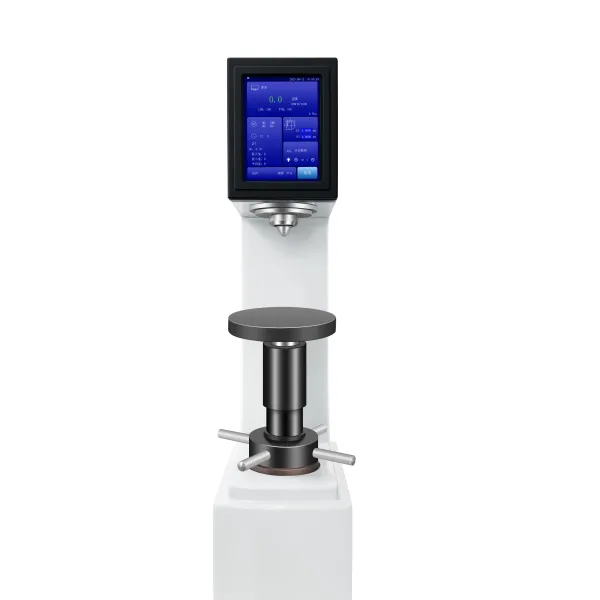





Hardness-Tester7MHXZD-1000A-1.jpg?x-oss-process=image/resize,h_1200,m_lfit/format,webp)