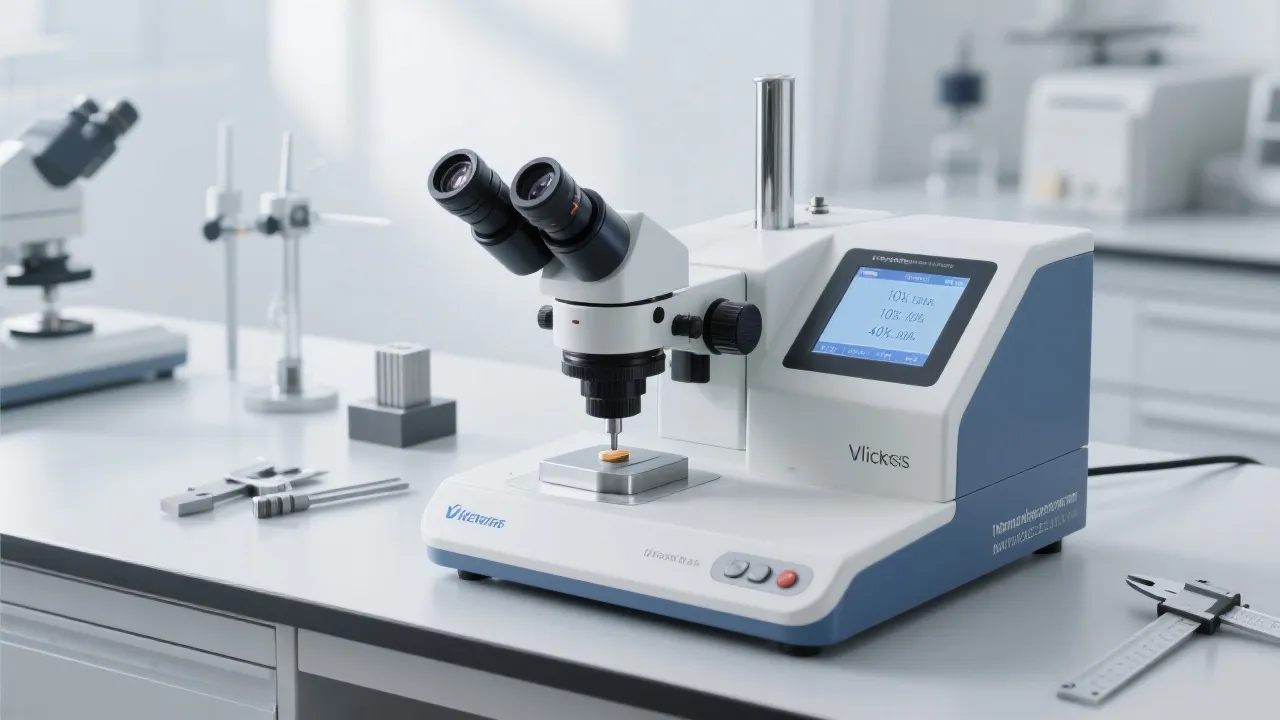
In material testing, hardness testers and metallographic analysis equipment are two foundational tool categories. They answer different questions: hardness testing quantifies resistance to indentation, while metallographic inspection reveals microstructure—grain, phases, inclusions, and defects—through sample preparation and microscopy.
Laizhou Jincheng Industrial Equipment Co.,Ltd (Laizhou Jincheng) has focused on hardness testing and metallographic inspection solutions since 2004, serving manufacturing, metallurgy, chemical, power, and research/education environments with equipment and consumables aligned with common international practices (including ASTM/ISO-based workflows).
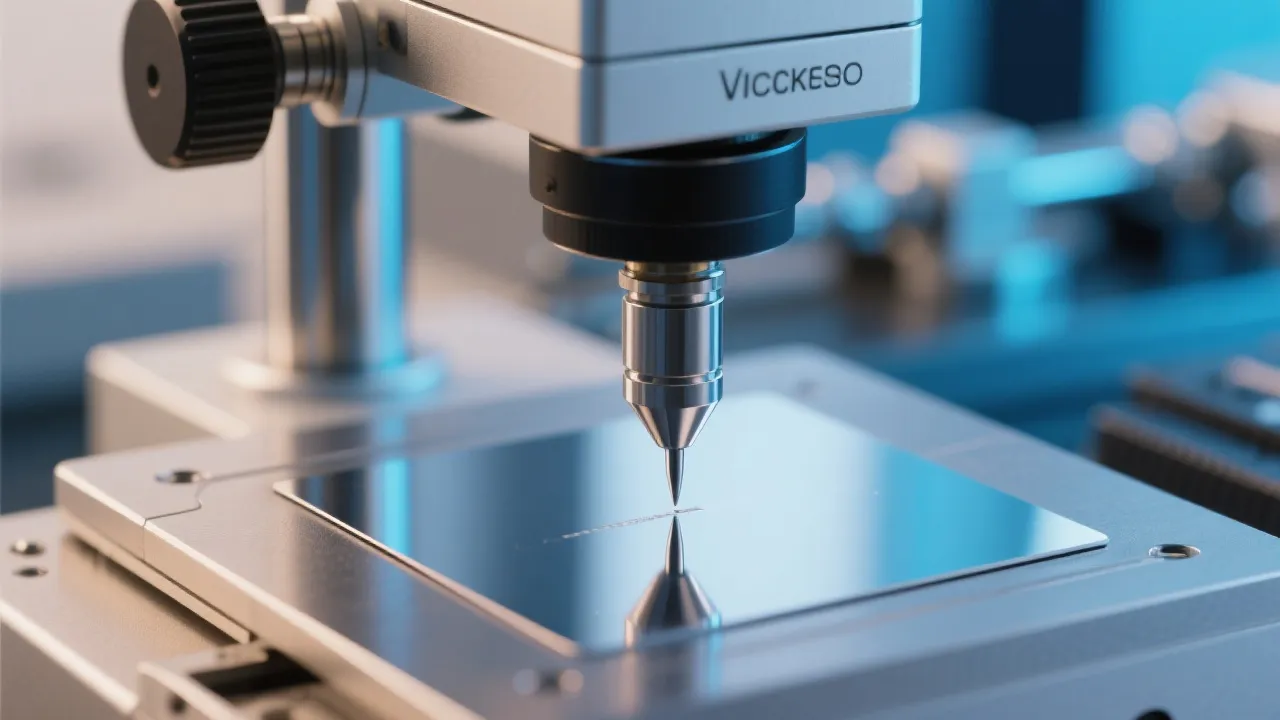
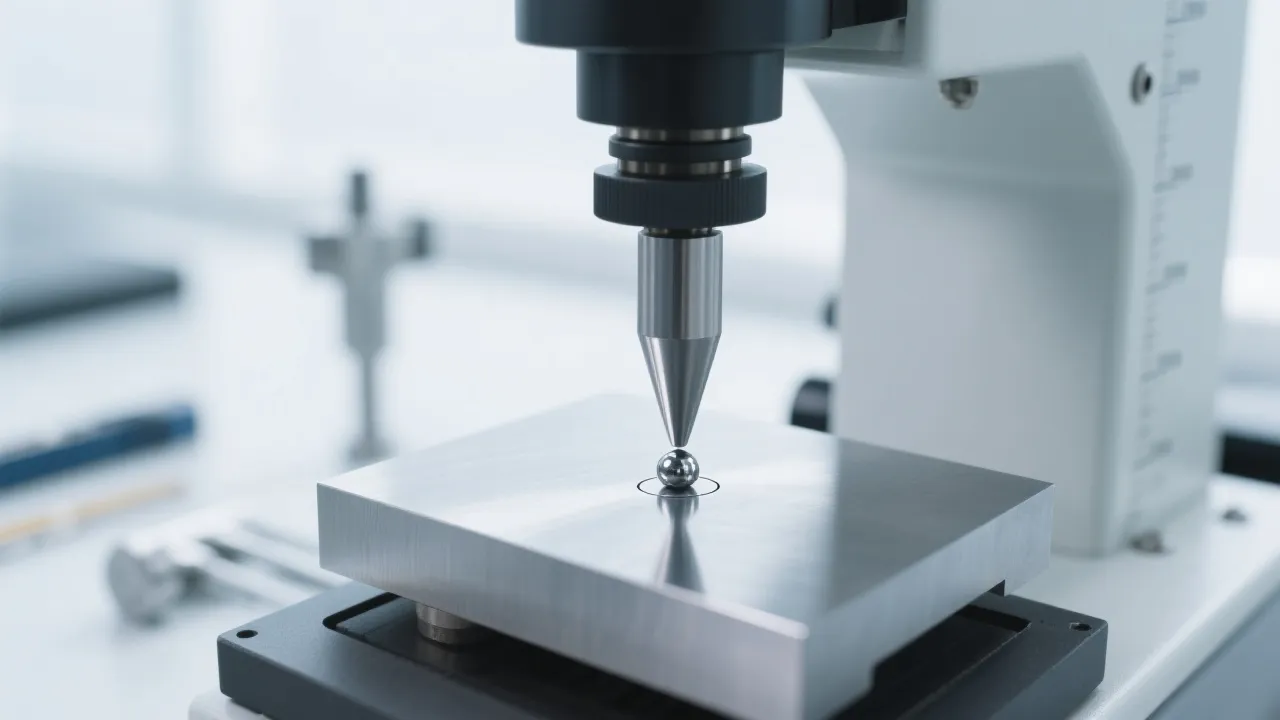
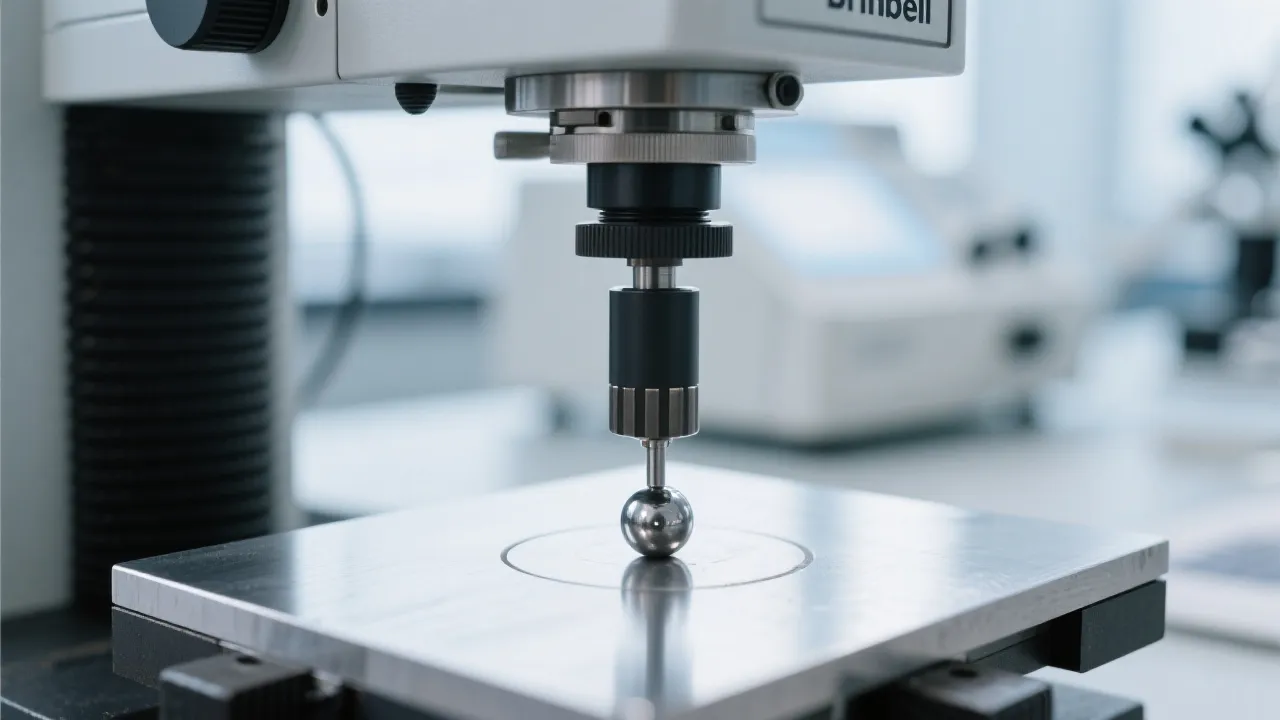
A hardness tester is used to obtain an objective hardness value (e.g., Vickers, Brinell, Rockwell) based on a standardized indentation method. It is commonly used for incoming inspection, process control, heat-treatment verification, and on-site checks where quick, comparable results are needed.
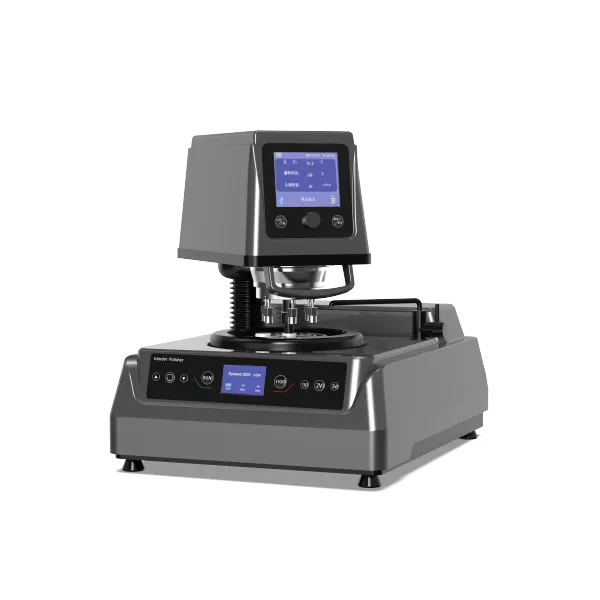
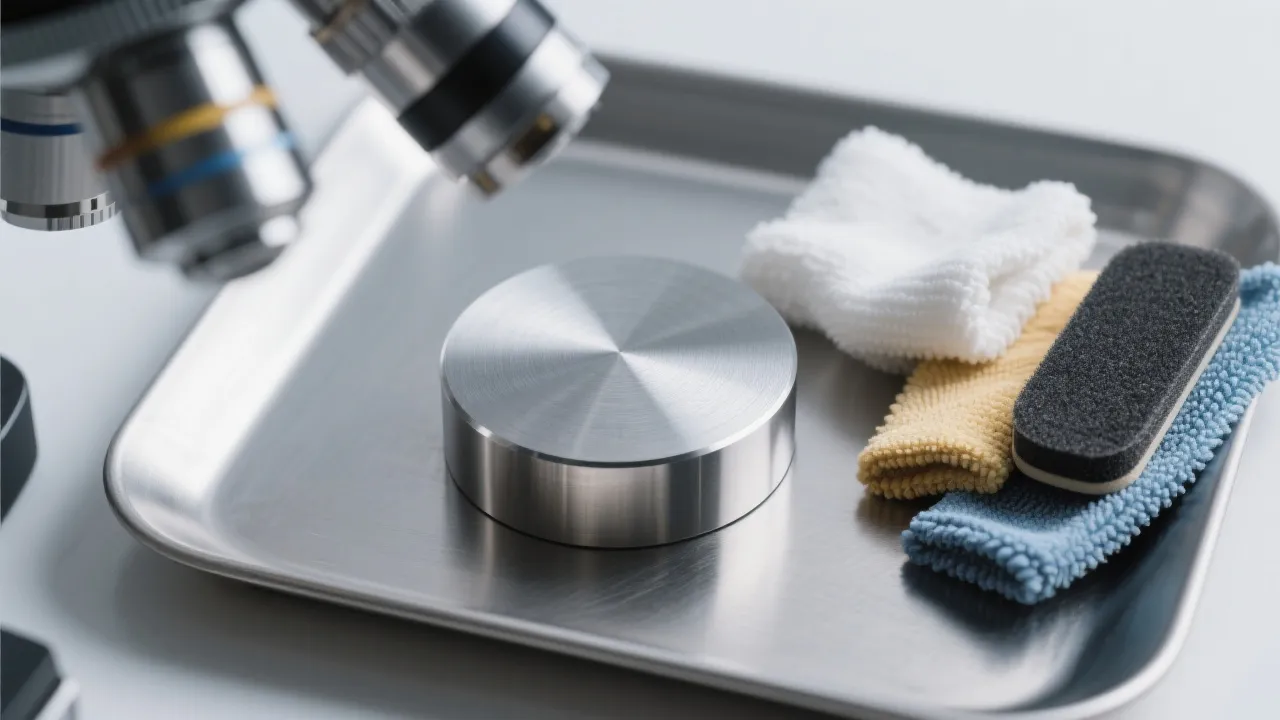
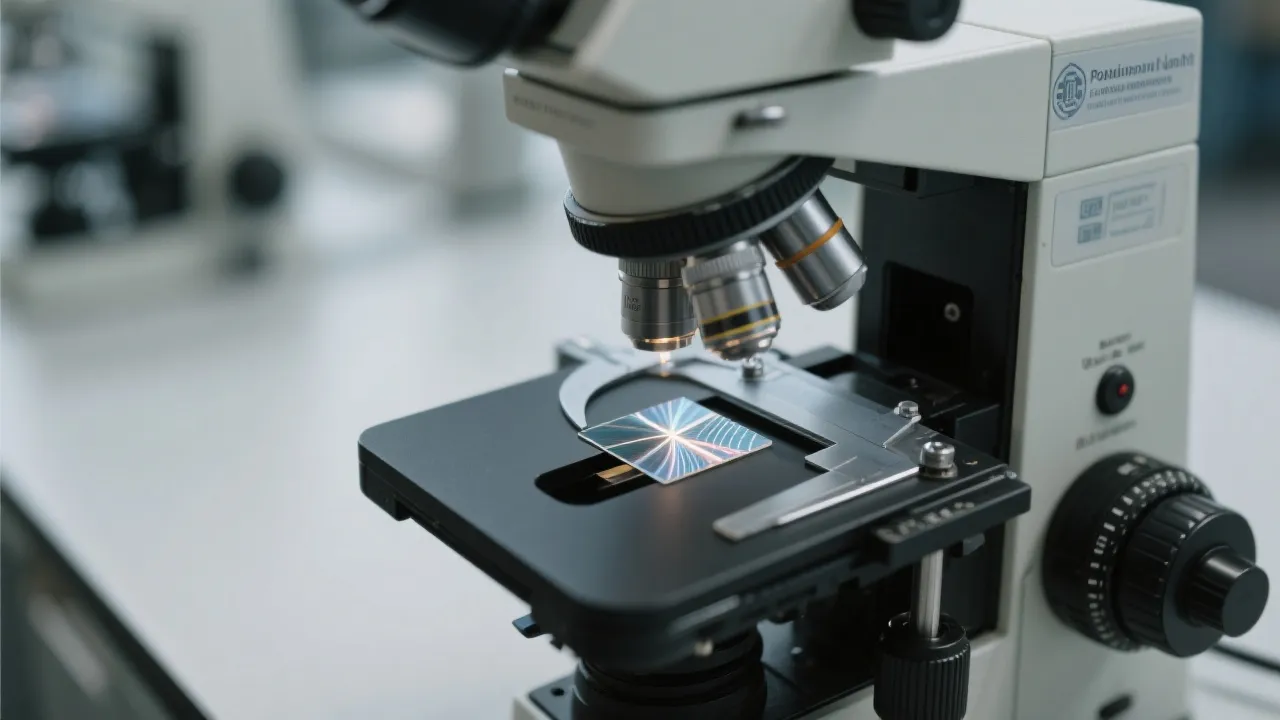
Metallographic analysis equipment supports metallographic inspection by preparing samples (mounting, grinding, polishing, etching) and observing microstructure via optical imaging. This is essential when you must understand why a material behaves a certain way—beyond a single numerical hardness value.
| Decision factor | Hardness tester | Metallographic analysis equipment |
|---|---|---|
| Main output | Hardness value (e.g., Vickers/Brinell/Rockwell) | Microstructural images and qualitative/quantitative observations |
| Best for | Routine QC, acceptance testing, fast comparisons | Root-cause analysis, R&D, teaching, structure verification |
| Typical workflow | Indent → measure/compute → record/report | Prepare specimen → etch (as needed) → microscope observation → analysis |
| When to use together | When hardness results need explanation or correlation to structure, or when both acceptance criteria and microstructure requirements must be demonstrated. | |
In many industrial and laboratory settings, hardness testing provides the “how much”, while metallographic inspection provides the “why”.
Batch quality control, process checks, and verification testing supported by standardized hardness and microstructure workflows.
Structure verification (e.g., after processing) and correlation of hardness changes with metallographic features.
Material condition monitoring and investigation support where reliability and traceability matter.
Teaching foundational methods and conducting microstructure-driven studies using microscopes and analysis software.
Product
Inverted Metallographic Microscope 4XC-W
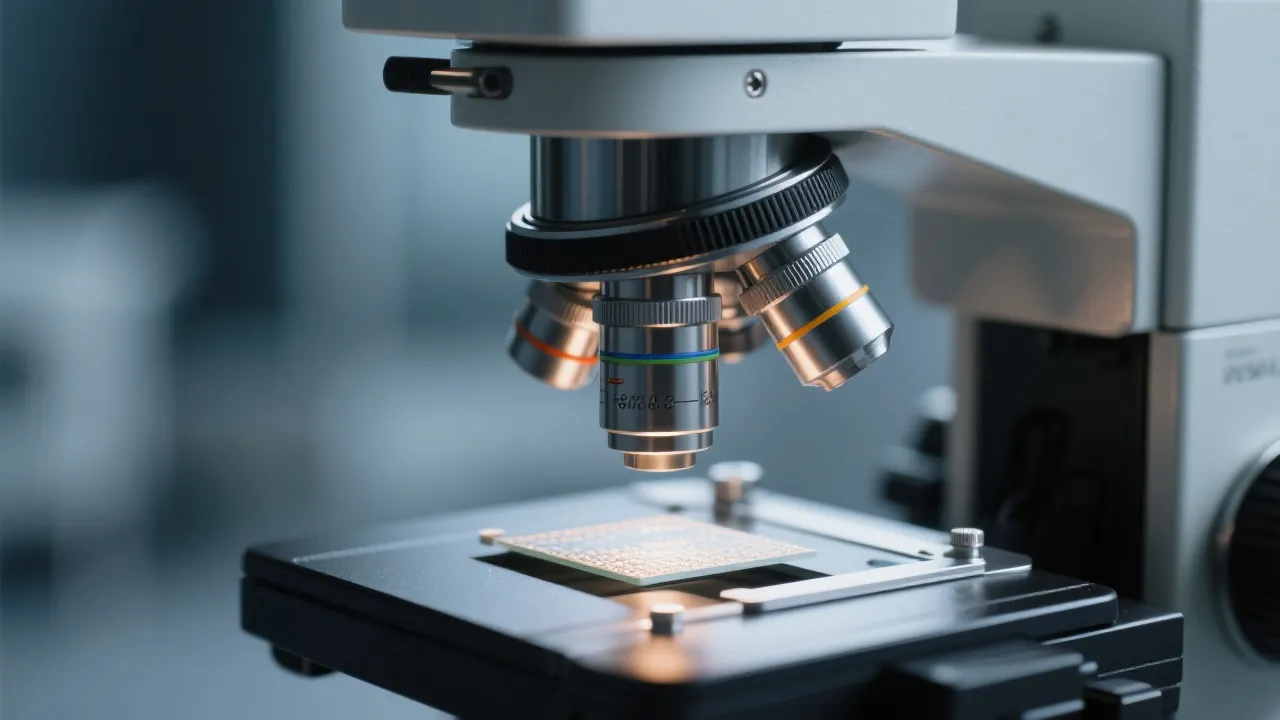
Produced by Laizhou Jincheng Industrial Equipment Co.,Ltd, the 4XC-W is designed for metallographic inspection and microstructure observation with a focus on image clarity and practical operation in lab workflows.
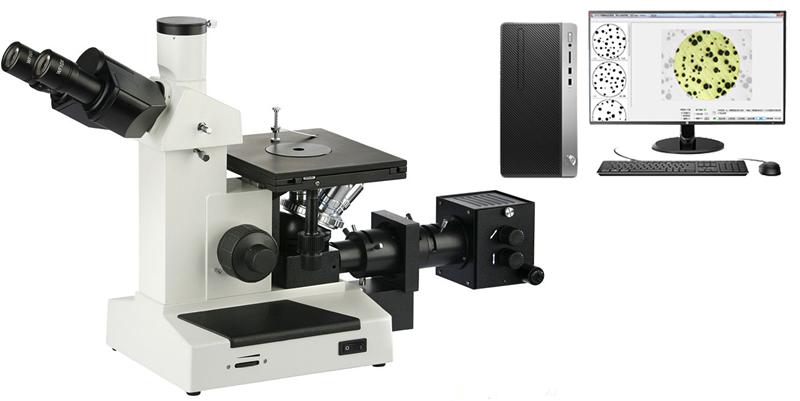
Inverted microscope configuration is commonly chosen when observing metallographic specimens with stable stage operation and efficient lab handling.
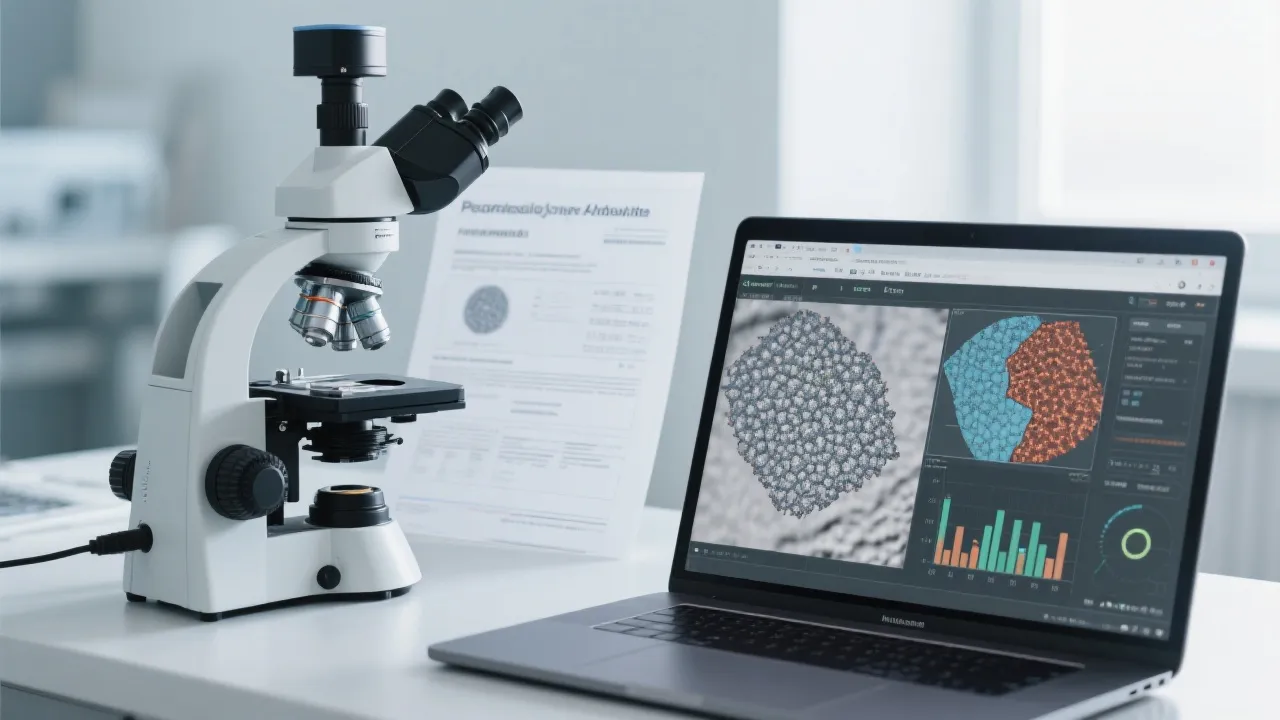
Define your typical specimen types, imaging documentation requirements, and reporting workflow. If you need consistent image capture and structured analysis, pairing the microscope with dedicated software and a high-resolution camera can reduce manual steps.
For B2B customers in Russia, Southeast Asia, and Europe, Laizhou Jincheng provides a complete support scope around hardness testing and metallographic inspection equipment, including pre-sales consultation, technical support, maintenance/repair, and after-sales assurance—helping labs maintain stable testing routines over time.
Define inspection goals, sample types, and workflow needs before configuration.
Assistance for setup, operation, and stable use in day-to-day testing.
Service options designed to reduce downtime and keep equipment reliable.
If you share your materials, specimen size, target standards (ASTM/ISO), and whether you need hardness values, metallographic images, or both, Laizhou Jincheng Industrial Equipment Co.,Ltd can help you identify an appropriate inspection workflow and equipment configuration—such as the 4XC-W inverted metallographic microscope for microstructure observation and documentation.