Choosing a High-Precision Cutting Machine for Multi-Industry Material Testing: JinCheng DS-600
06 04,2026
Jin Cheng
Technical knowledge
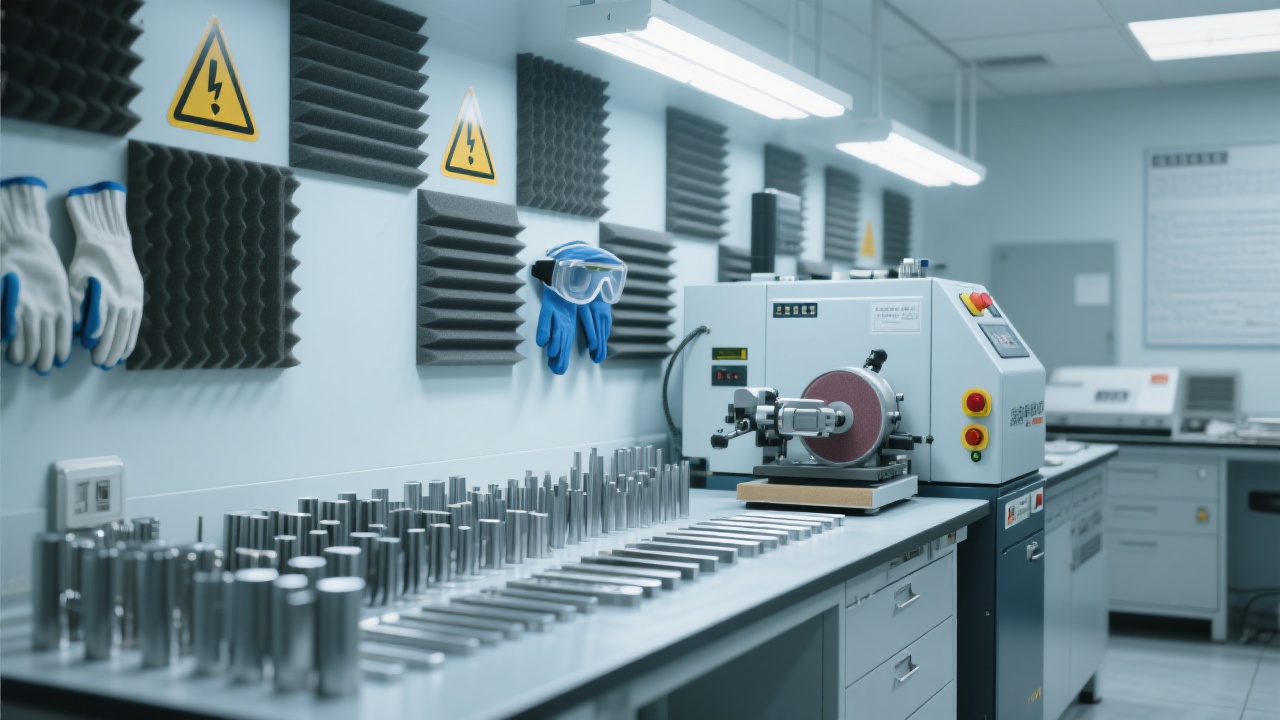
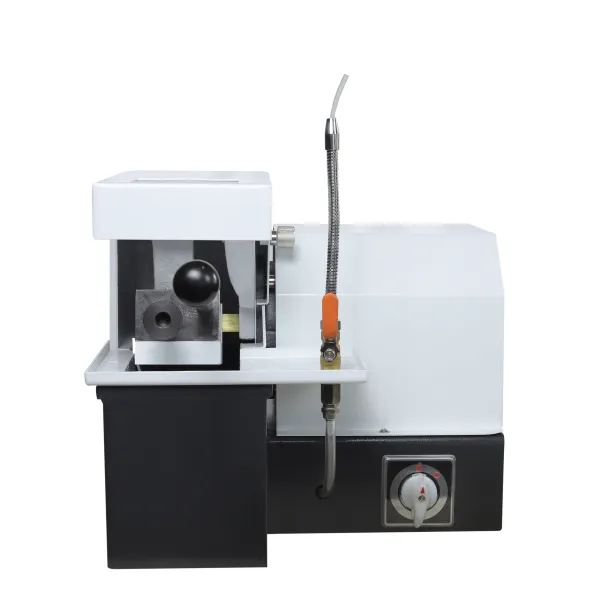
Selecting the right cutting equipment is critical for preparing reliable test specimens across research labs and high-value manufacturing. This article explains how to evaluate a high-precision cutting machine for multi-industry material testing—using the JinCheng DS-600 cutting machine from Laizhou JinCheng Industrial Equipment Co., Ltd. as a practical reference. It highlights core performance factors that drive repeatability and surface quality, including a high-precision spindle for stable rotation, four adjustable clamps for secure multi-angle holding, and limit switches that enhance positioning control and enable safer unattended operation. By linking these features to real application needs in laboratory R&D, electronics materials processing, jewelry cutting, and crystal manufacturing, the article shows how a well-engineered system supports consistent accuracy, reduced operator variability, and dependable sample preparation under demanding standards.
Choosing a High‑Precision Cutting Machine for Multi‑Field Material Testing: A Practical Guide
In material testing, sample preparation is rarely the “simple step.” The wrong cut can introduce microcracks, heat‑affected zones, edge chipping, or geometry errors—each one quietly distorting hardness, microscopy, tensile results, or electrical performance measurements. For laboratories and manufacturers working across multiple materials and industries, the selection criteria must be stricter than “it cuts.”
This article explains how to select a cutting solution that supports high accuracy and repeatability in different scenarios—research labs, electronics, jewelry, and crystal processing—using the JinchengDS‑600 cutting machine as a real-world reference point.
What “High Precision” Really Means in Sample Cutting
Buyers often equate precision with a single spec (like spindle speed), but high‑precision cutting for testing depends on a combination of mechanical stability, fixturing, and predictable motion limits. In procurement discussions, these are the indicators that typically correlate with reliable downstream testing:
Stable rotation reduces blade drift, vibration marks, and uneven kerf.
Chipping, burrs, inconsistent cut geometry.
Adjustable multi‑point clamping
Prevents micro‑movement; enables repeatable positioning across part types.
Sample slippage, edge fractures, rework.
Limit switch / travel protection
Keeps motion within safe boundaries; supports unattended cutting workflows.
Over‑travel damage, blade incidents, process interruptions.
Process consistency
Maintains repeatability across shifts, operators, and materials.
Test result variability, poor inter-lab comparability.
Why the DS‑600 Is Built for Precision: 3 Core Technical Advantages
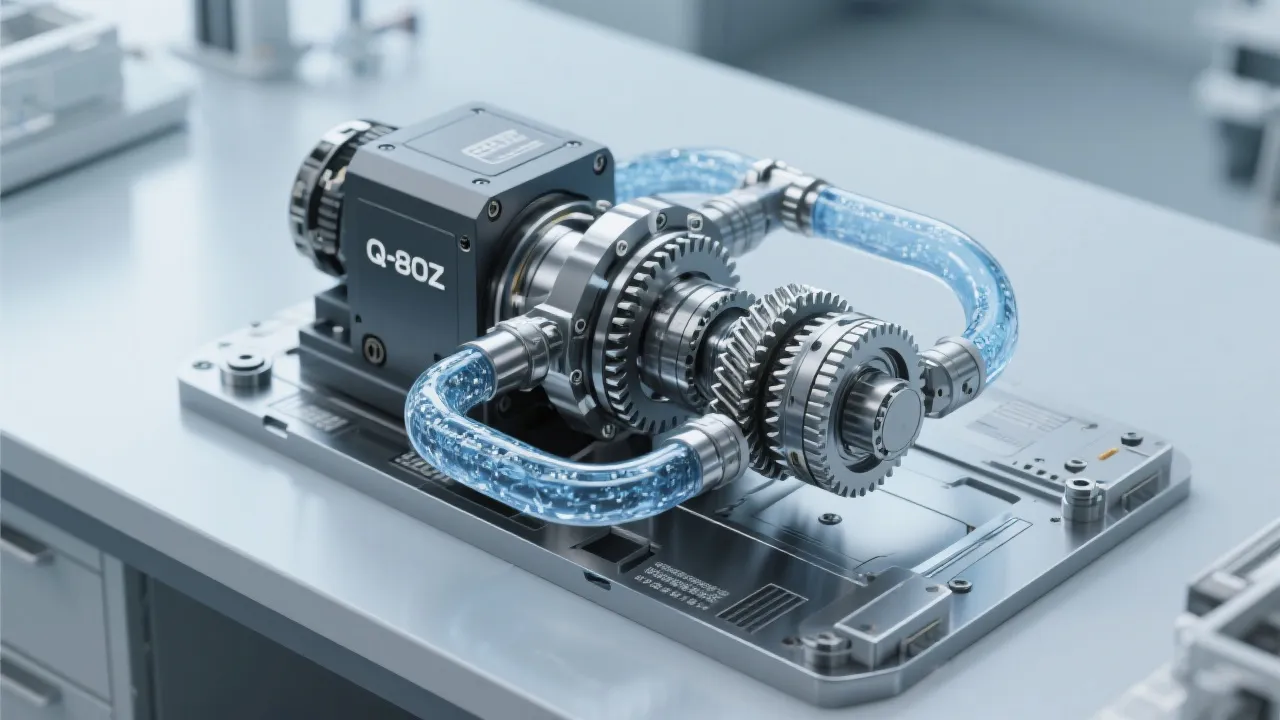
1) High‑Precision Spindle: Less Vibration, Cleaner Edges
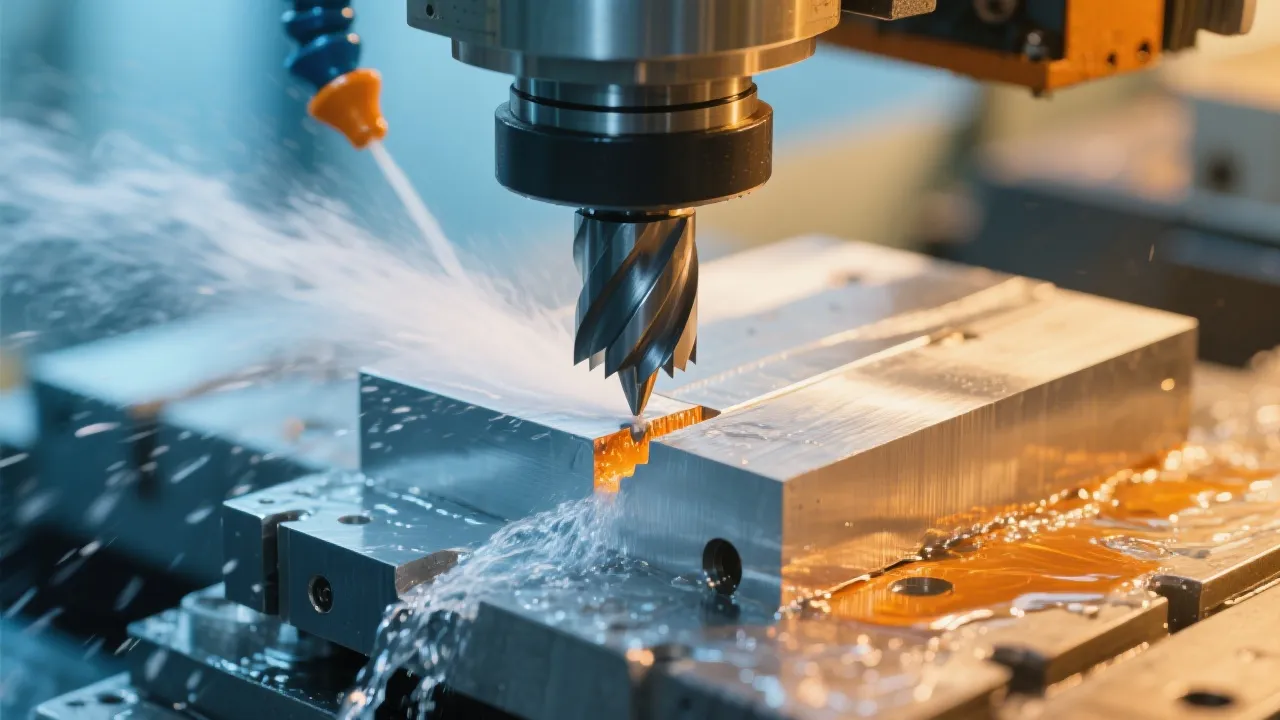
The DS‑600 emphasizes a high‑precision spindle—the part of the machine most directly connected to cut quality. In multi‑material cutting (from brittle crystals to dense engineering alloys), spindle stability helps maintain a predictable kerf and reduces mechanical chatter that can appear as micro‑chipping or surface waviness.
For buyers, the practical takeaway is simple: a stable spindle supports repeatable sample geometry. That repeatability matters when your test results are sensitive to thickness, flatness, and edge integrity (e.g., microscopy cross‑sections, failure analysis, electrical substrate evaluation).
2) Four Adjustable Clamps: Fixturing That Adapts to Real Samples
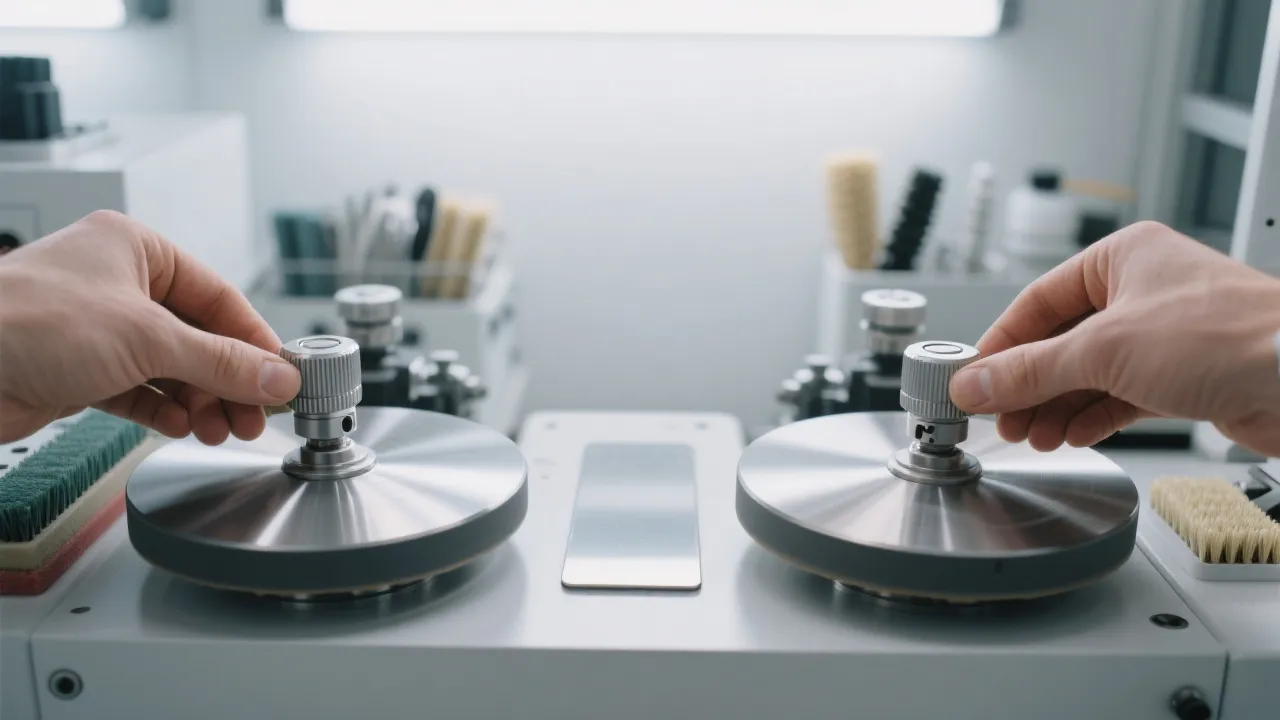
Precision cutting isn’t only a motor story—it’s a workholding story. The DS‑600 is designed with four adjustable clamps, enabling multi‑point fastening for different geometries and materials. This matters in real life, because samples are rarely “perfect blocks.” They can be thin plates, irregular shapes, or small components.
Multi‑clamp adjustability can improve positioning repeatability and reduce micro‑movement. That directly supports better edge integrity and lowers the probability of scrapping a sample due to shift or tilt—especially relevant for brittle materials and high-value specimens.
Where adjustable clamping pays off most
Small electronic parts and substrates that need stable positioning
Jewelry and crystal pieces where edge chipping is unacceptable
Lab specimens requiring consistent orientation across multiple cuts
3) Limit Switch Protection: A Practical Step Toward Unattended Operation
In busy labs and production environments, safety and predictability are often what makes a machine “scalable.” The DS‑600 integrates a limit switch design that helps prevent over‑travel and supports stable end‑of‑stroke behavior. This is particularly important when operators run repeated cutting tasks across shifts.
When combined with disciplined fixturing and standardized cutting parameters, limit switching can contribute to unattended or low-supervision cutting workflows—helpful for labs trying to reduce technician time spent monitoring routine cuts.
Application Fit: How One Cutting Platform Supports Multiple Industries
Multi‑field cutting requirements share a common theme: the cut must preserve the material’s “truth” for measurement. Below is how the DS‑600 feature set maps to typical cross‑industry needs.
Laboratory R&D and Material Testing
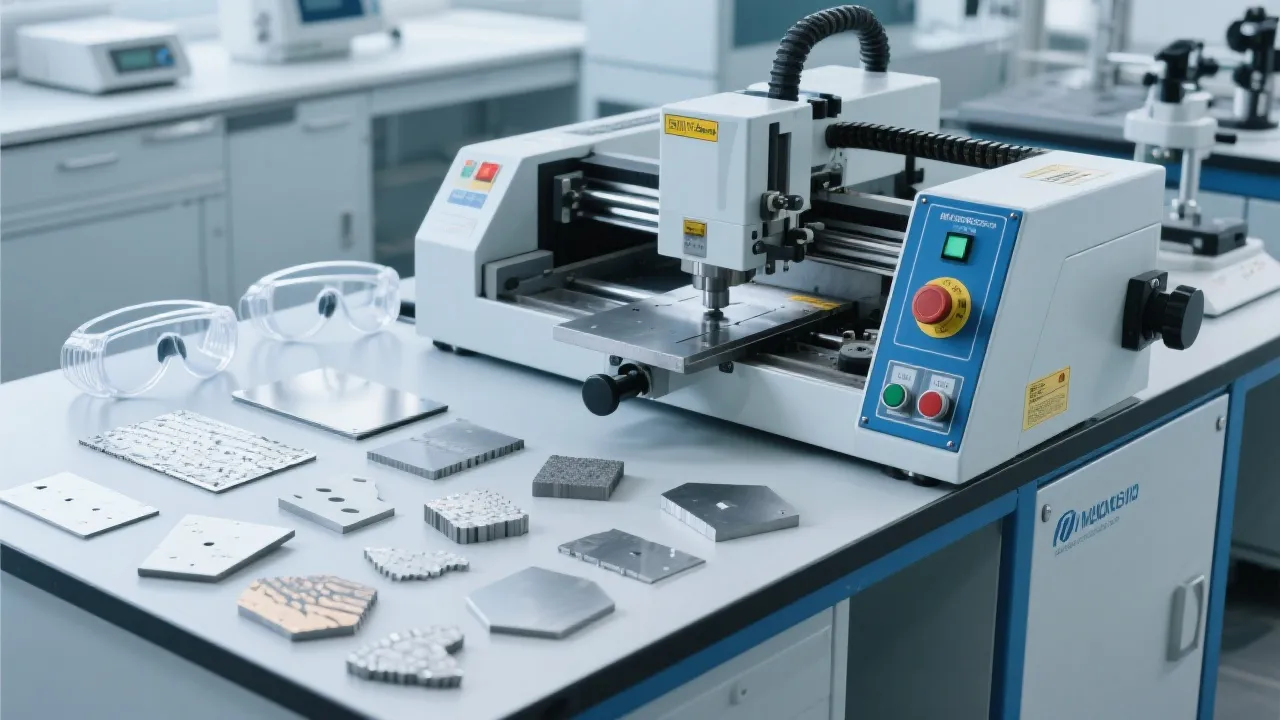
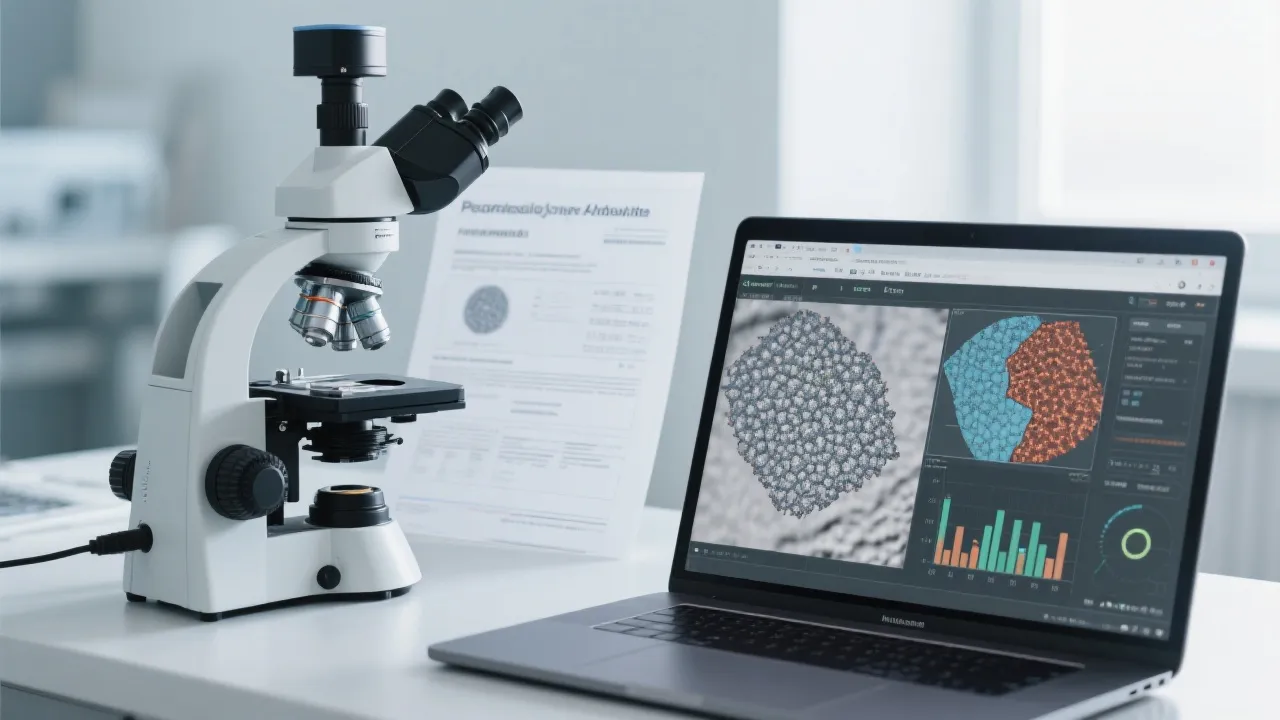
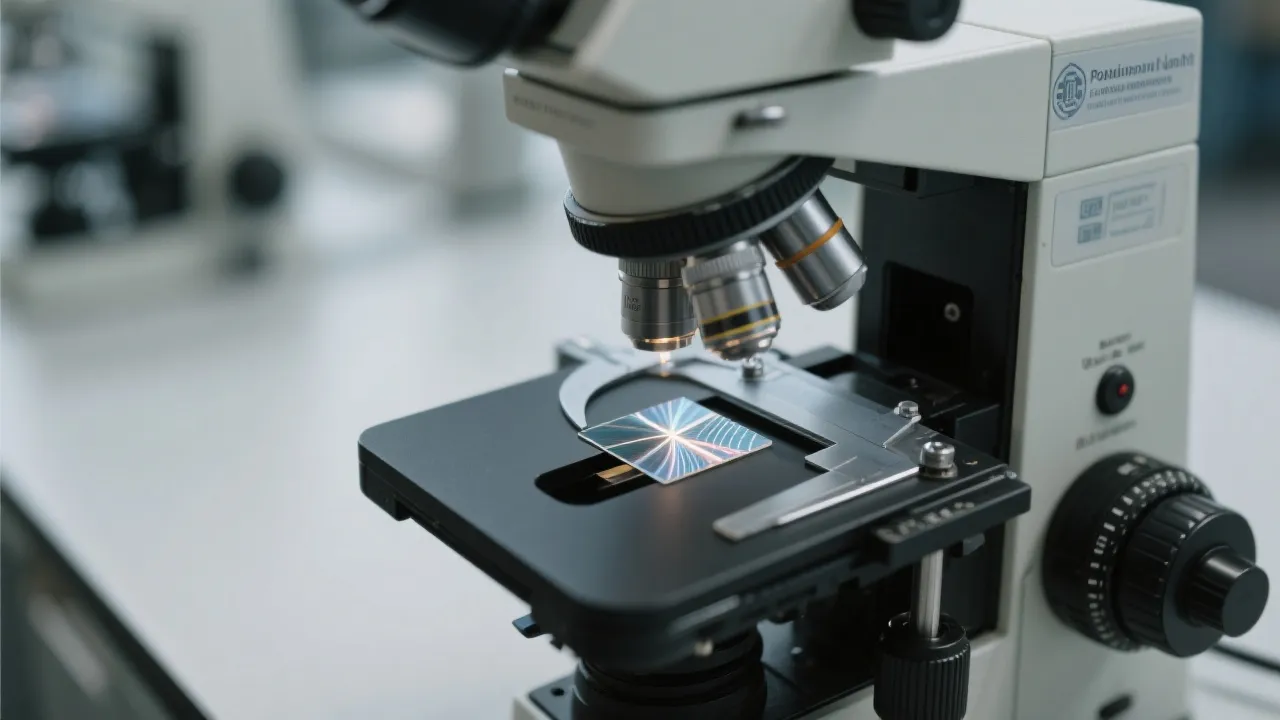
Research environments prioritize consistency: the same material should produce comparable samples across operators and days. High‑precision spindle behavior and repeatable clamping reduce variability—particularly valuable for metallography, ceramics evaluation, and failure analysis where edge defects can mimic real cracks.
In many labs, better cutting stability also means less time correcting defects during grinding and polishing, which can accelerate turnaround on urgent testing tasks.
Electronics Manufacturing and Precision Components
Electronics materials (including brittle substrates and thin components) are sensitive to micro‑chipping and edge damage. Adjustable clamping helps distribute holding force and maintain alignment—especially important when cutting small parts that cannot tolerate shifting. Limit switch protection contributes to stable repetitive workflows for quality labs and process validation teams.
Jewelry and Gemstone Processing
Here, the “testing” requirement is often visual and geometric: the cut must be clean, controlled, and predictable to protect high-value material. High spindle precision and secure fixturing support more consistent edge outcomes, reducing the risk of chipping that can downgrade a piece’s value.
Crystal and Optical Material Cutting
Crystal materials can be unforgiving: small process instability may create fractures that only appear later under inspection. A stable spindle and reliable limit control help reduce the chances of unexpected load spikes and over‑travel incidents, supporting safer, more repeatable cuts for optical and decorative crystal applications.
User‑Centric Considerations: Ease of Use, Repeatability, and Low Supervision
From an operator’s perspective, a cutting machine earns trust when it behaves predictably under daily constraints: different users, time pressure, and mixed batches. In that context, the DS‑600’s design logic is straightforward—precision spindle behavior to stabilize the cut, adjustable clamps to reduce sample movement, and a limit switch to keep motion bounded.
For teams building standardized SOPs, these features are also easier to document and audit: the more controllable the setup and end position, the more likely a lab can reproduce outcomes across technicians and shifts—an important part of quality management in regulated environments.
A Realistic Buyer Scenario (What Decision Makers Usually Ask)
In cross-industry purchasing, decision makers often share the same concern: “We’re not cutting one material—we’re supporting multiple projects.” A typical evaluation path looks like this:
Bring the hardest case first: brittle crystal, thin electronics parts, or high-hardness specimens.
Check repeatability: run multiple cuts and compare edge defects and dimensional consistency.
Assess fixturing flexibility: can the clamps adapt without improvisation?
Machines that pass this path typically become a shared platform across R&D, QA, and small-batch production support—exactly where a model like the DS‑600 tends to fit.
Questions to Ask Before You Choose a Cutting Machine
What is the most brittle or high-value material you will cut, and how often?
Do you need multi‑point clamping to avoid sample movement on irregular geometries?
Will multiple operators use the machine, requiring tighter process repeatability?
Is low‑supervision or unattended operation important for throughput planning?
How will you document and standardize the cutting SOP for quality audits?
Explore the DS‑600 for High‑Precision Material Sample Preparation
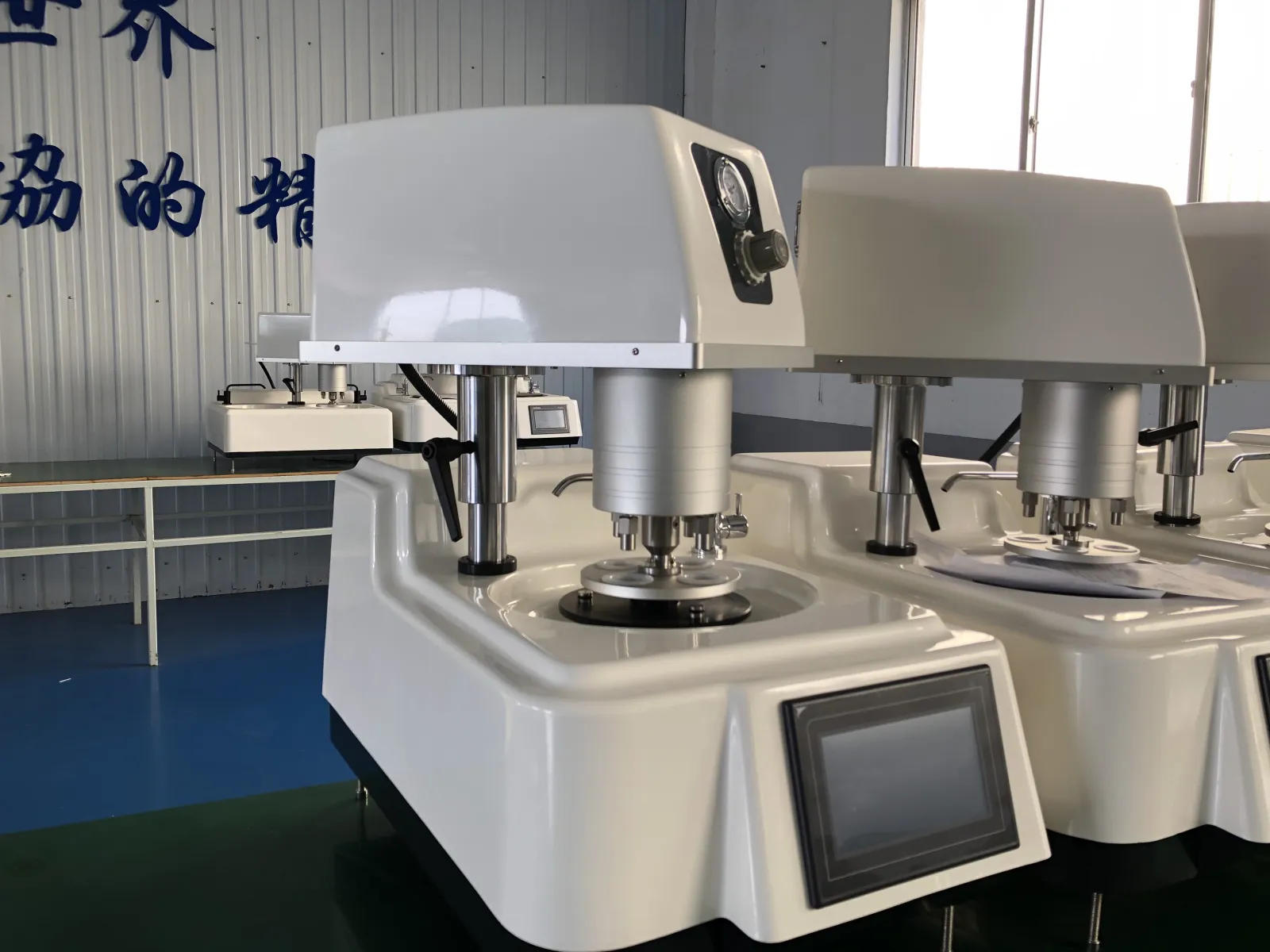
For laboratories and manufacturers looking for a stable, multi‑application cutting platform, the Jincheng DS‑600 cutting machine is designed around the essentials that protect sample integrity: a high‑precision spindle, four adjustable clamps, and limit switch control for safer repeatable operation.
Leave a comment with your material type (e.g., crystal, electronics substrate, alloy, ceramic) and target cut thickness—readers often share parameter tips that save real time on the first run.
Open Discussion: What’s Your Toughest Cutting Challenge?
Some teams fight edge chipping on brittle materials; others struggle with repeatability across operators. What material are you cutting, what failure mode do you see most (chipping, burrs, deformation, burn marks), and what test does it affect? Your notes help shape more practical, field-based cutting guides.