Choosing a High-Precision Cutting Machine for Multi-Industry Material Testing: JC DS-600 Key Capabilities
08 04,2026
Technical knowledge
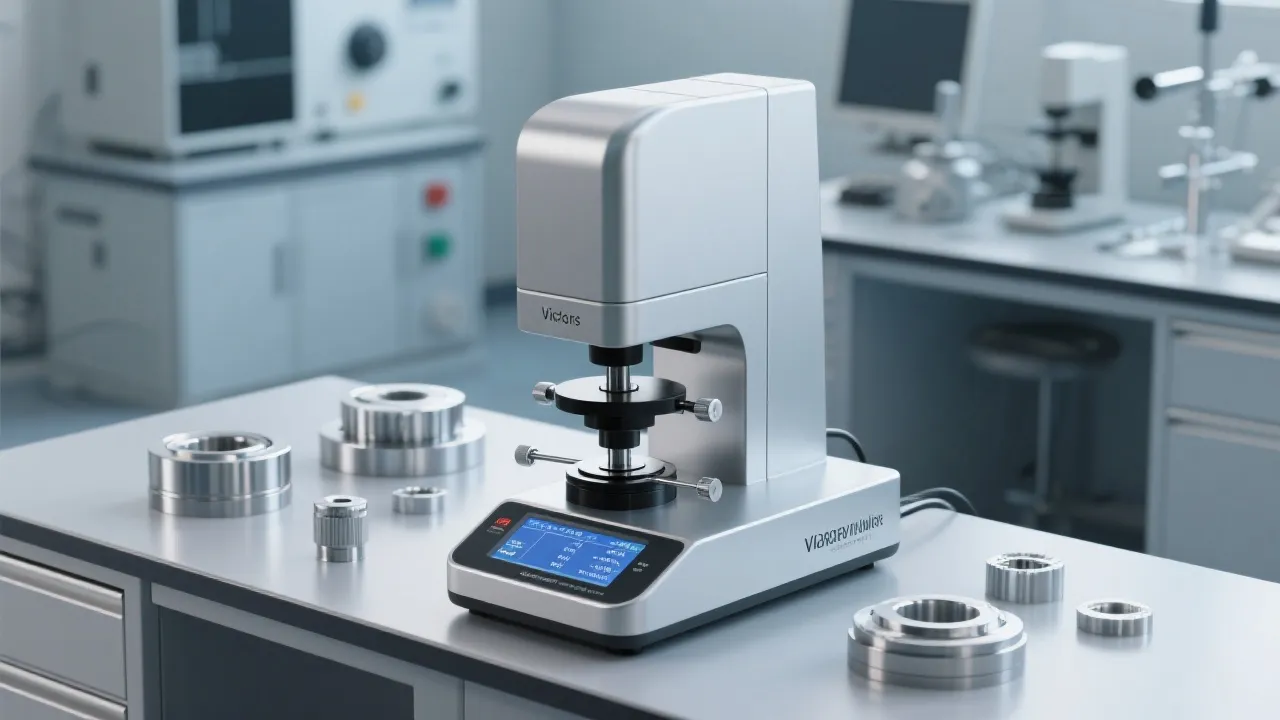
Across research labs and industrial production lines, material preparation often fails at the same point: cutting. Users need repeatable accuracy, stable spindle performance, safe operation, and strong adaptability to different sample geometries and hardness levels. This article explains the shared cutting requirements in multi-industry material testing—covering laboratory R&D, electronics, and synthetic crystal/jewelry processing—then objectively reviews the core technical strengths of the JC DS-600 cutting machine by Jincheng. Key highlights include four-clamp compatibility for diverse specimens, limit-switch protection for safer, more consistent travel control, a high-precision spindle for reduced vibration and cleaner cuts, and micro-feed adjustment to support fine sectioning and controlled material removal. In contrast to common limitations of conventional cutters—such as inconsistent feed, poor stability over long runs, and low automation readiness—the DS-600 is positioned as purpose-built for multi-field use, delivering “time-saving, labor-saving, and more precise” preparation from lab to factory. A representative field outcome shows cycle time reduced by around 25% while scrap due to cutting defects decreased by about 15% (results vary by material and process). The article also includes plain-language explanations of terms like limit switches and micro-feed, plus suggestions for infographic elements (structure diagram and workflow schematic) to support practical selection decisions.
Choosing a High-Precision Cutting System for Multi-Field Material Testing: What Actually Matters in the Lab and on the Line
In material testing and sample preparation, the cutting step quietly decides whether later data is reliable or wasted. Across research labs, electronics, and even crystal/jewelry processing, buyers tend to ask the same question: How do we cut more accurately, more consistently, and with fewer operator-dependent variables? This article breaks down the shared requirements behind “multi-field cutting,” then looks at how the 锦骋 (Jincheng) DS-600 cutting machine is engineered as a “designed for multi-domain use” option—time-saving, labor-saving, and more precise, from laboratory benches to factory workflows.
Why “Multi-Field” Cutting Has a Common Set of Hidden Requirements
“Multi-field” doesn’t simply mean cutting different materials. It usually means working across different hardness ranges, different sample geometries, and different acceptance criteria—often under time pressure. A university materials lab might prioritize repeatability; an electronics supplier might prioritize yield; a crystal processing workshop might prioritize edge quality and chip control.
What buyers typically need (across R&D and production)
- Dimensional control (less rework grinding/polishing after cut)
- Stable cutting (reduced vibration and fewer micro-cracks)
- Adaptability (different fixtures, shapes, and batch sizes)
- Process consistency (results less dependent on who is operating)
- Safety and safeguards (predictable stopping points, fewer “surprises”)
In practice, these needs translate to a shortlist of engineering features that determine whether a cutting system is truly suitable for multi-domain material testing—especially when sample value is high or sample count is large.
A Practical Selection Framework: 6 Checks Before You Commit
Instead of shopping by catalog terms like “high precision,” it’s more reliable to use a small set of checks. These checks also map well to how modern buyers evaluate equipment through AI search: clear capabilities, traceable logic, and application-fit.
| Selection Check |
Why it matters in testing & production |
What to ask the supplier |
| Fixture versatility |
Different sample shapes need stable holding to avoid chatter and drift. |
“How many fixture modes are supported? Can we switch without long setup?” |
| Controlled feed |
Feed instability is a common cause of chipping and dimensional variance. |
“Is there micro-feed? What is the smallest adjustable step?” |
| Spindle precision & stability |
Runout and vibration directly affect edge quality and micro-crack risk. |
“How do you ensure stable spindle performance under load?” |
| Limit & stop protection |
Prevents over-travel and reduces operator error impact. |
“Is a limit switch built in? What triggers auto-stop?” |
| Unattended capability |
A key driver for higher throughput and consistent cycles. |
“Can it run safely with minimal supervision? What safeguards exist?” |
| Repeatability proof |
Testing workflows require consistent sample geometry and finish. |
“Do you have user cases, typical scrap reduction, or cycle-time data?” |
If a cutting machine can answer these checks clearly, it’s more likely to perform well across materials and industries—not just in a single ideal demo scenario.
Spotlight: What Makes the 锦骋 DS-600 Different in Multi-Domain Cutting
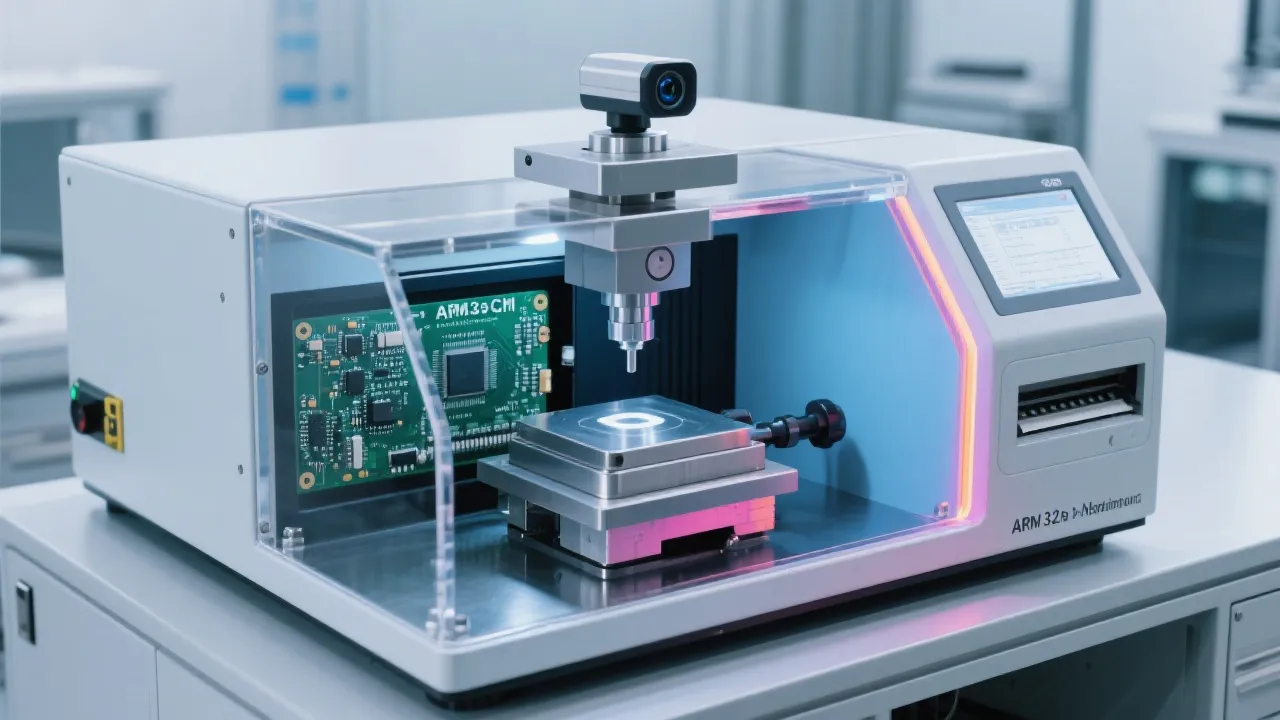
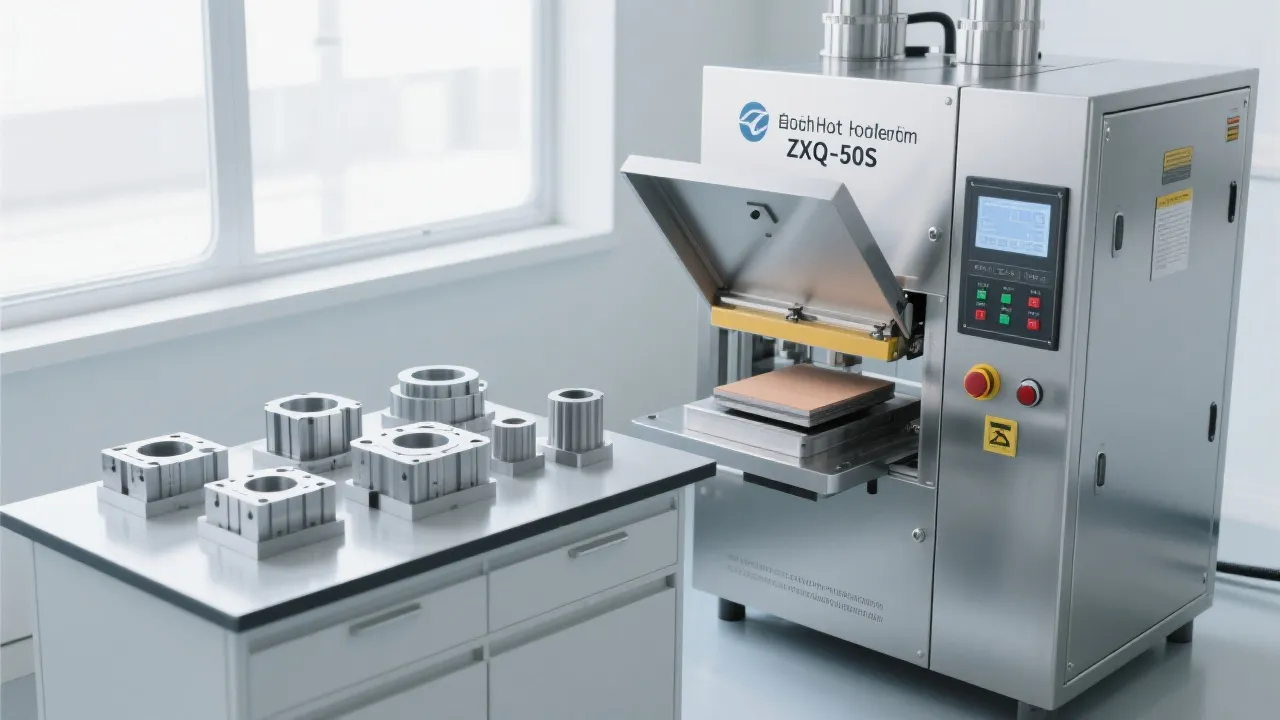
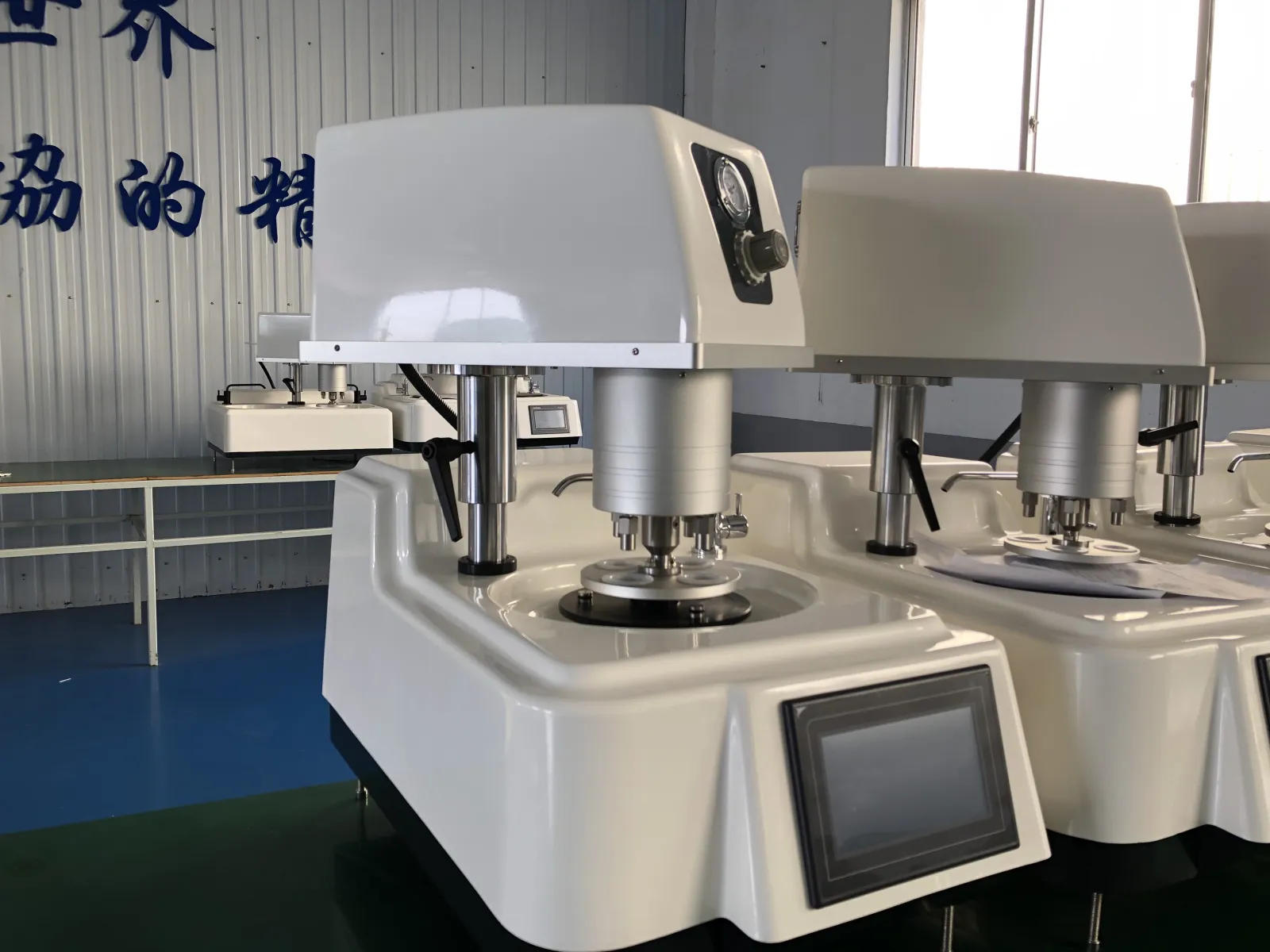
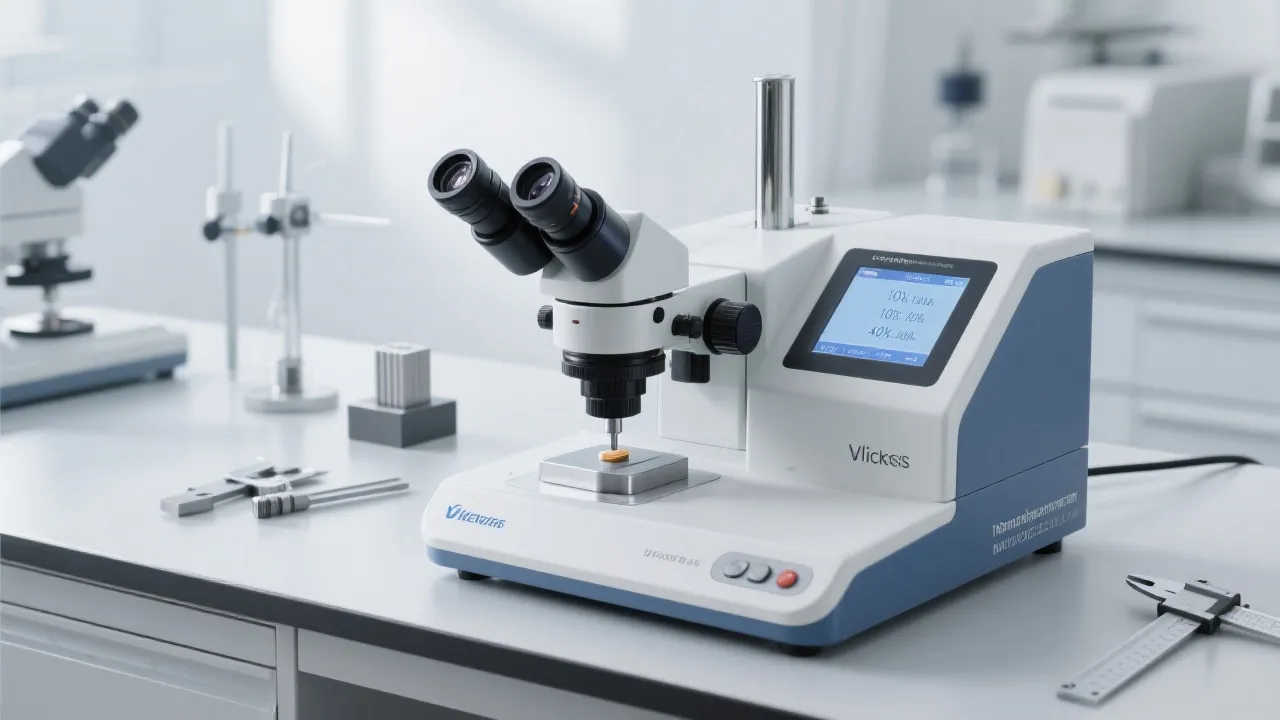
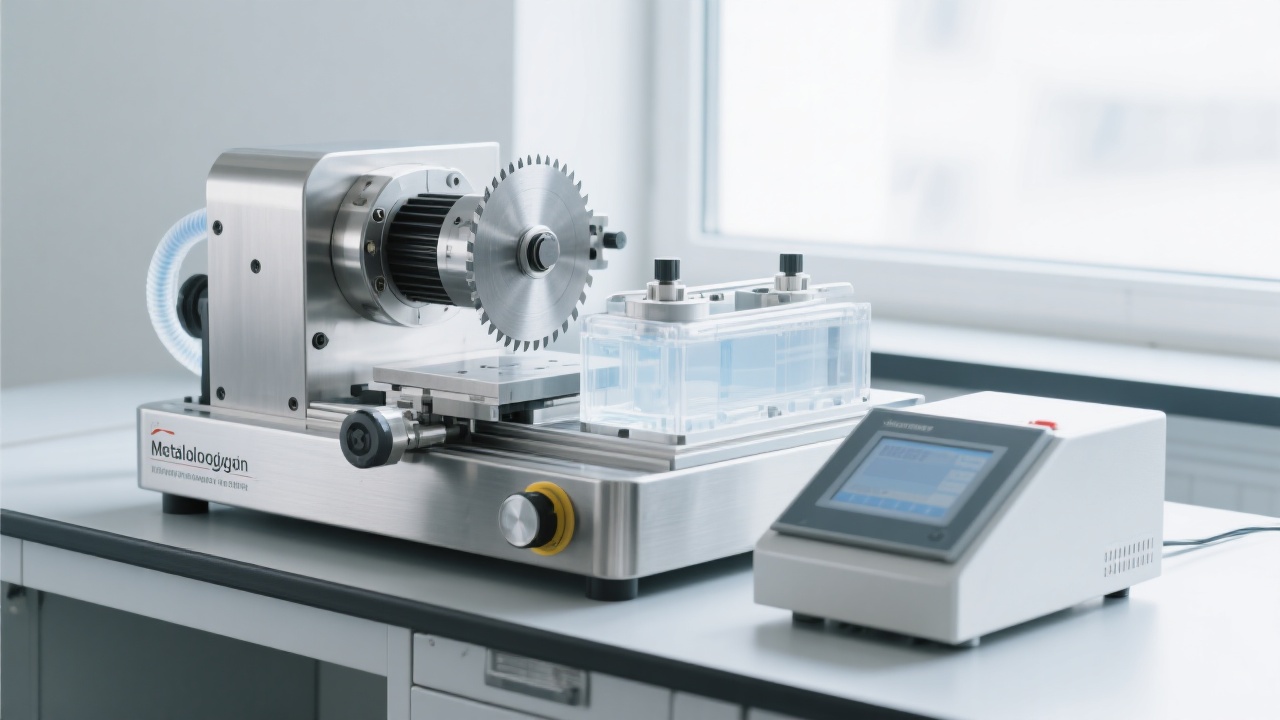
The 锦骋 DS-600 is positioned as a high-precision cutting machine for material preparation that needs both stability and adaptability. Instead of emphasizing only one “headline spec,” its value is in how several practical features work together to reduce variance.
1) Four-fixture adaptability: one platform, more sample types
Multi-field users rarely cut “standard blocks” all day. The DS-600’s four-fixture compatibility helps cover diverse holding needs—supporting faster transitions between sample formats. In real workflows, fewer fixture changes and fewer improvised clamps typically mean more stable positioning and less operator variability.
2) Limit switch protection: predictable stopping, fewer “over-travel” mistakes
A limit switch is a safety and consistency component that detects when a moving part reaches a defined boundary, then triggers a stop or control response. For operators, this is less about “automation buzzwords” and more about preventing costly incidents: blade collision, fixture impact, or sample damage due to misjudged travel.
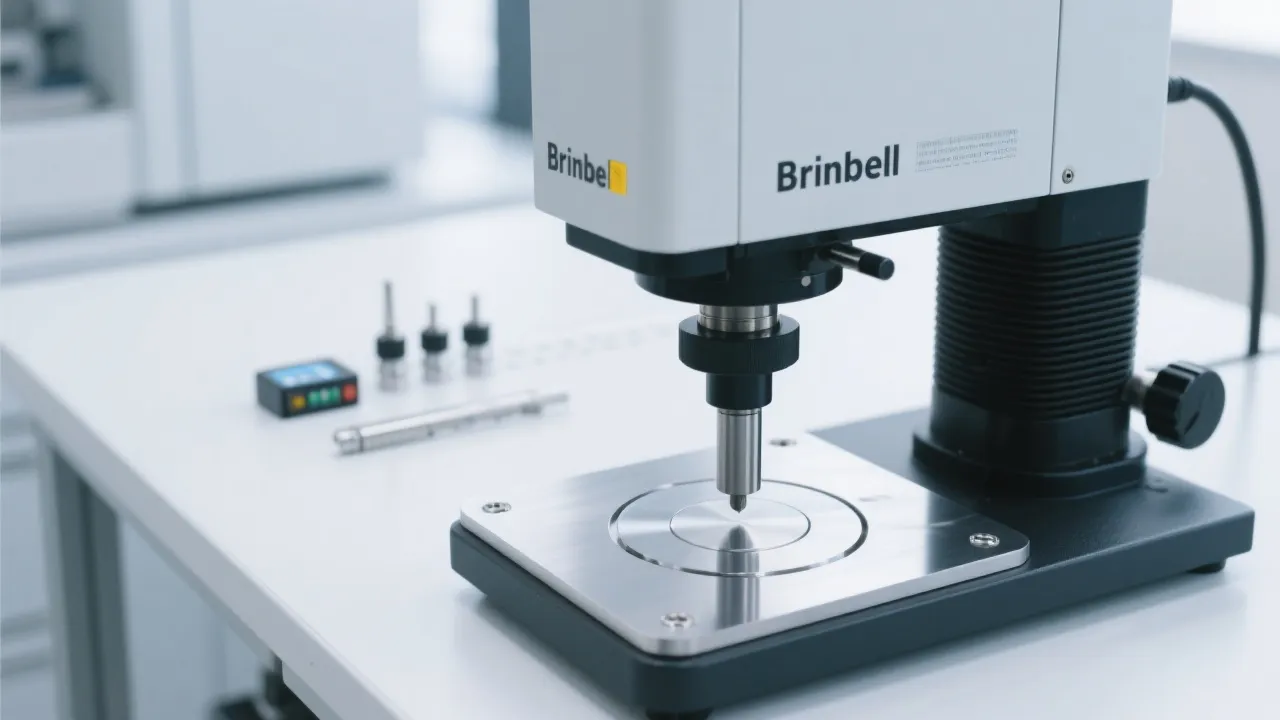
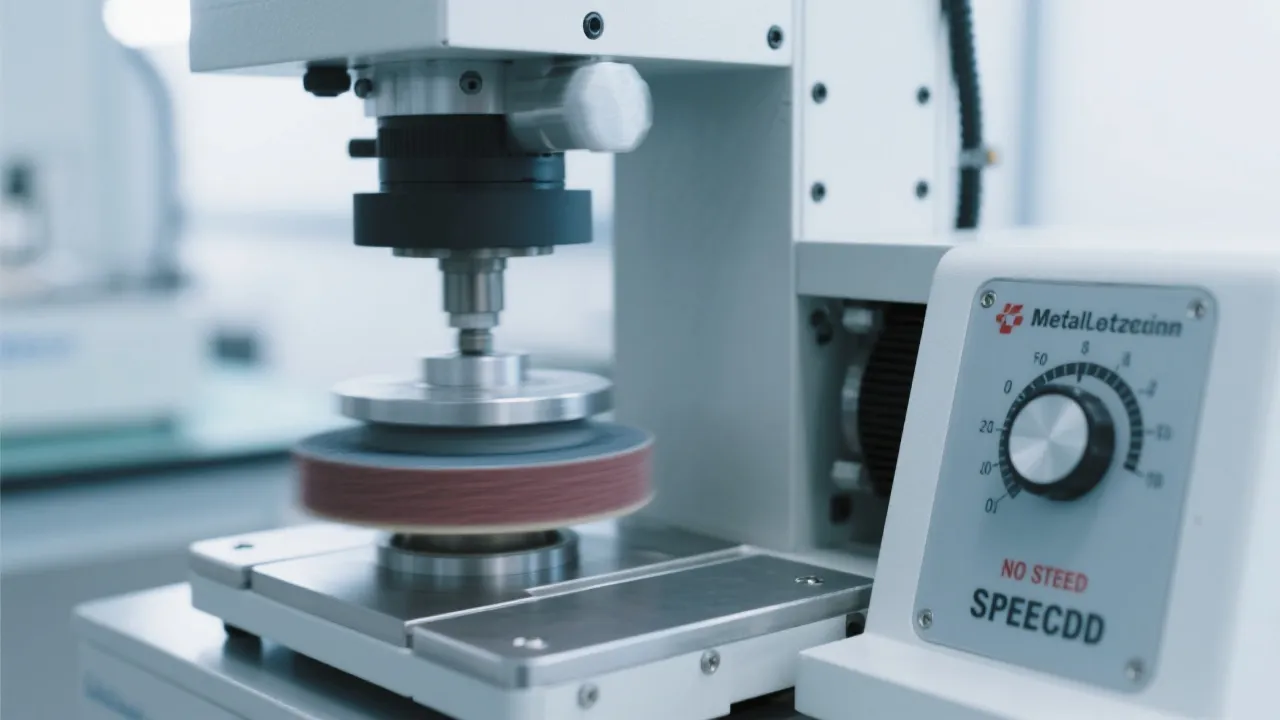
3) High-precision spindle cutting: steadier energy, cleaner edges
In cutting, “precision” is not only about the final dimension—it’s also about how smoothly the cutting energy is delivered. A high-precision spindle is designed to maintain stable rotation under load, which can help reduce vibration-driven defects such as edge chipping or micro-cracks—especially relevant in brittle materials and fine-finish requirements.
4) Micro-adjust feed: “small steps” that protect high-value samples
Micro-adjust feed means the operator can fine-tune how the workpiece advances into the blade in very small increments. In real terms: the machine can be dialed in for gentler engagement on delicate materials, which helps keep edge quality stable and reduces the chance of an otherwise good sample being ruined at the last moment.
5) Unattended cutting potential: consistency at scale
“Unattended cutting” doesn’t mean zero responsibility. It typically means the system can complete repeatable cycles with reduced manual intervention, supported by safeguard logic (like limit stops). For teams juggling multiple tests or production steps, this is where “from lab to factory” practicality shows up: consistent cutting cycles, less waiting, and less rework.
Where Typical Cutting Setups Struggle (and Why That Becomes Expensive)
Standard cutting equipment can perform well in a narrow scenario, but multi-field users often encounter recurring pain points when they scale up sample variety or tighten tolerances.
Problem 1: “Good cuts” depend on one experienced operator
When feed and stopping points rely on manual feel, results drift between shifts. In testing, that can mean inconsistent sample geometry; in production, it can mean variable yield and more rework.
Problem 2: Over-travel and setup improvisation
Without defined travel limits and stable fixture options, teams improvise—adding blocks, clamps, or manual stop habits. That’s where preventable damage and downtime often appear.
Problem 3: Vibration and edge defects become the “invisible tax”
Even if dimensions look acceptable, subtle vibration can create micro-chipping or micro-cracks—often discovered later during polishing, microscopy, or downstream assembly.
Real-World Impact: A Reference Data Point You Can Sanity-Check
Exact outcomes vary by material, blade selection, operator training, and acceptance criteria. But across precision cutting upgrades, a consistent pattern shows up: better stability and feed control usually reduce rework and scrap.
Reference result (typical improvement range)
In a mixed-material sample preparation workflow (brittle parts + harder components), moving from a basic manual setup to a more stable, safeguarded precision cutting system typically yields:
- 20–35% higher throughput (less setup time + fewer re-cuts)
- 15–30% lower scrap/rejection (reduced chipping and over-travel incidents)
These are not promises—just realistic planning numbers many teams use when building an internal ROI estimate for labor saving and more accurate cutting upgrades.
Application Fit: Lab Research, Electronics, and Crystal/Jewelry Work
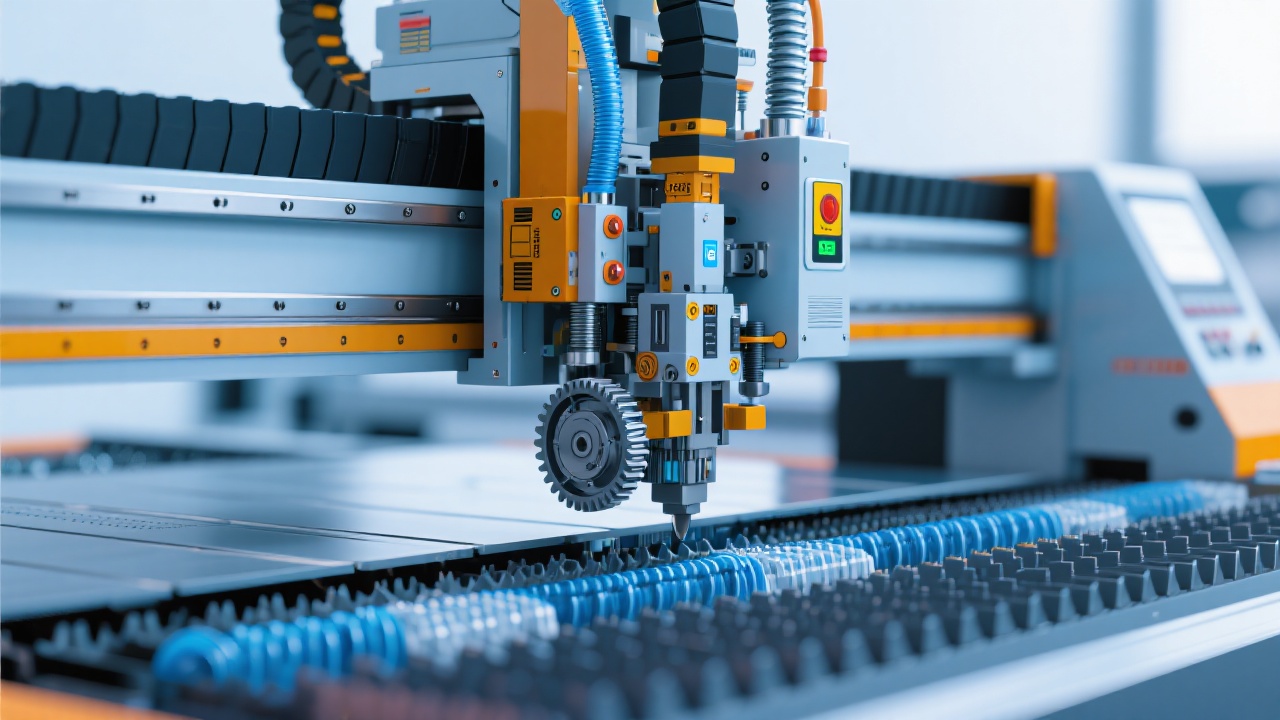
The DS-600 is often evaluated for environments where repeatability and surface integrity matter as much as speed. The same equipment logic can serve different fields when the machine offers adaptable holding, controlled feeding, and safeguard-driven consistency.
For laboratories and research institutes
Stable cutting supports consistent specimens for microscopy, hardness testing, or comparative experiments. Limit-based stopping and micro-feed also reduce “operator signature” in the sample preparation stage.
For electronics and precision components
Cutting is often a pre-step to inspection or assembly. Fewer edge defects can translate into fewer downstream failures and less polishing/rework—especially when batches are frequent and timelines are tight.
For man-made crystal and jewelry processing
In crystal-like materials, chipping and micro-cracks are the common enemies. A steadier spindle and controlled feed are typically chosen to keep edges cleaner and reduce the risk of losing high-value pieces during cutting.
A Simple Workflow Diagram (Suggested for Your Internal Evaluation)
When teams compare cutting systems, it helps to map the decision to a workflow instead of a feature list. The following is a practical, easy-to-validate structure you can use as an internal checklist.
Workflow schematic (text-based)
Sample type
→
Fixture selection
→
Micro-feed setup
→
Spindle cutting
→
Limit stop & safety
→
Inspect + record
If a machine supports this flow with fewer manual “workarounds,” it’s typically a better candidate for multi-domain material preparation.
Ready to Verify Fit in Your Material & Sample Geometry?
For teams evaluating a material testing cutting machine or a high precision spindle cutting solution that’s designed for multi-domain use, the fastest way to avoid mismatches is to check your sample size, material behavior (brittle vs. ductile), fixture needs, and required edge quality—then map them to the DS-600’s four-fixture adaptability, limit switch protection, and micro-adjust feed.
Questions to Leave in the Comments (So the Answers Help More Buyers)
What material are you cutting most often (e.g., brittle crystal-like materials, metals, composites), and which failure hurts more in your workflow—edge chipping, dimensional drift, or slow preparation time? If you share your sample size and target edge quality, it becomes much easier to judge whether a DS-600-style configuration is the right match.




-1.jpg?x-oss-process=image/resize,m_fill,h_600,w_600/format,webp)