Cut-surface criteria
- No burn tinting / discoloration
- Minimal burrs and edge roll-over
- Uniform scratch pattern (no deep random gouges)
- No embedded debris or re-deposited chips
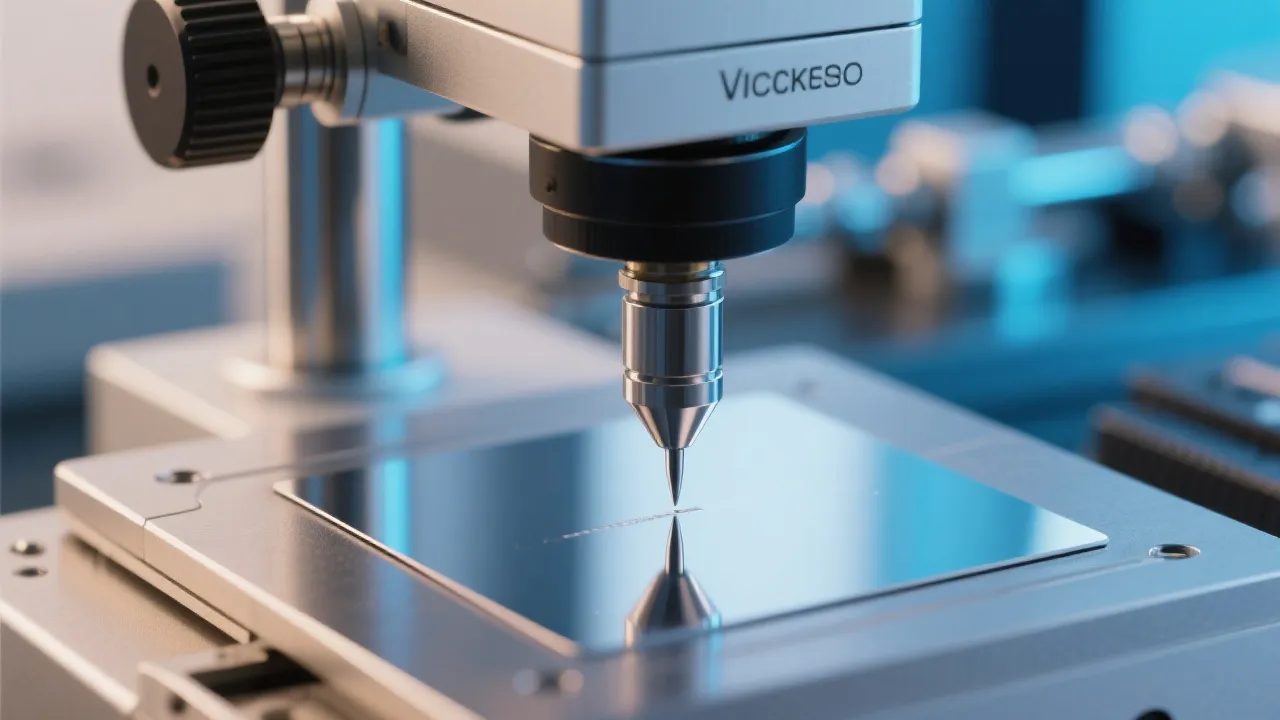
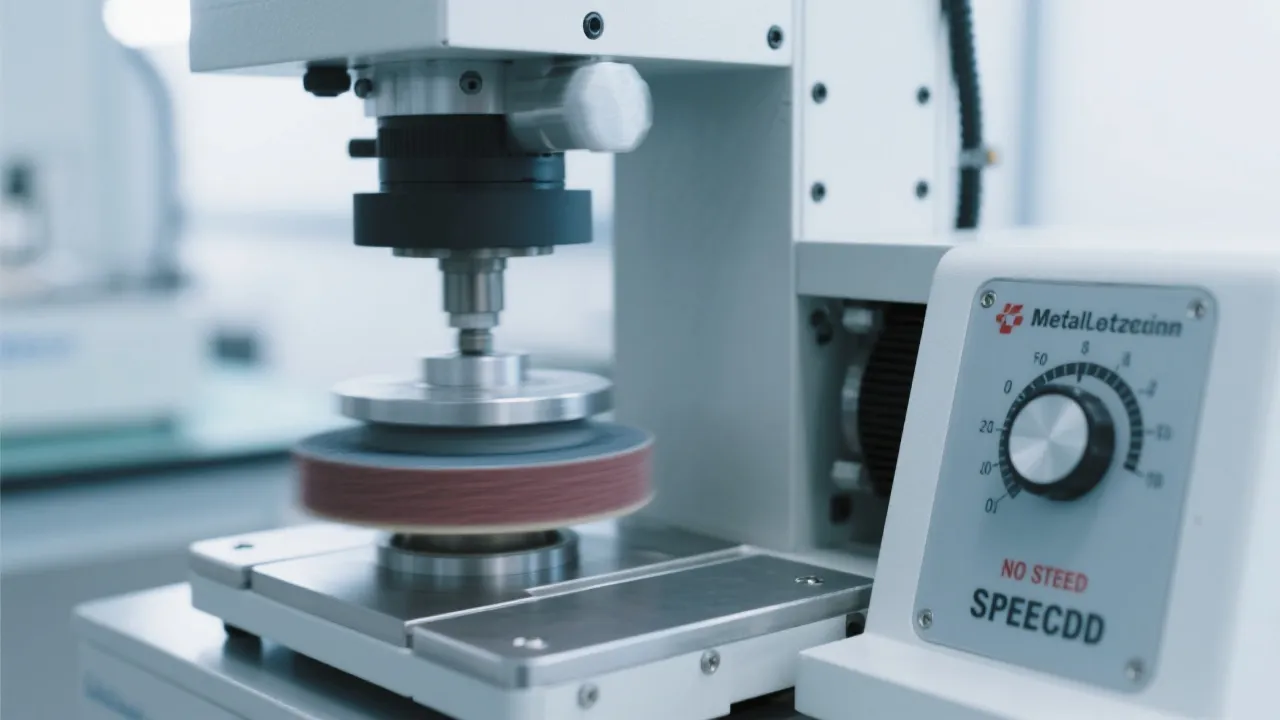
In modern materials laboratories, sample preparation is no longer a “pre-step”—it is a major variable that can change outcomes in microscopy, failure investigation, grain size measurement, and phase identification. A high-precision metallographic cutting machine addresses the most common hidden risks of traditional cutting: thermal damage, plastic deformation, surface contamination, and poor repeatability. When those risks are reduced at the cutting stage, downstream grinding/polishing becomes more consistent, and the final microstructural interpretation is more defensible.
If your lab aims to align with common metallography practices (e.g., ISO/ASTM-style procedures) and to improve inter-operator consistency, the cutting system should be treated as a measurement enabler, not only a workshop tool.
Precision cutting shows up as fewer re-cuts, cleaner edges, reduced burn marks, and more stable microhardness/EBSD-readiness after polishing—especially for heat-sensitive alloys and fine microstructures.
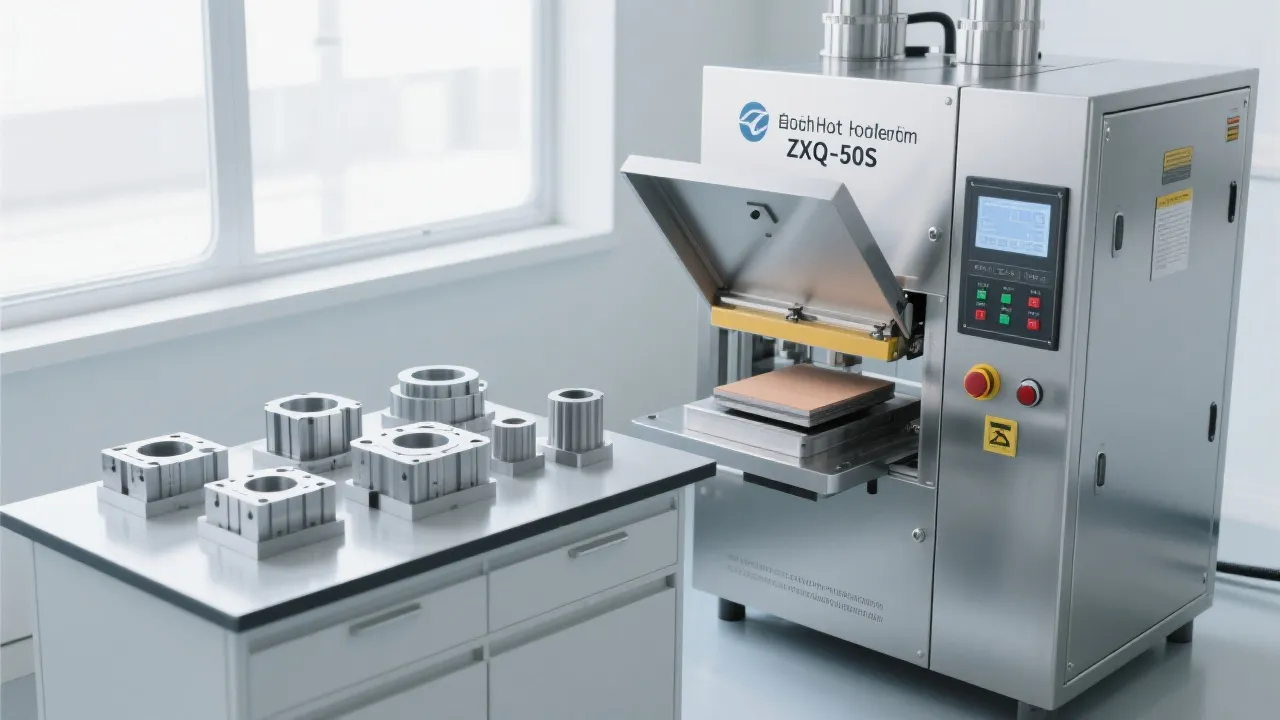
In metallography, the goal of cutting is deceptively simple: separate a representative section while preserving the original microstructure. In practice, microstructural distortion can be introduced in seconds if the machine cannot control speed, load, and heat. High-precision systems typically differentiate themselves through three engineering pillars: stable rotation control, accurate feed mechanics, and optimized cooling and flushing.
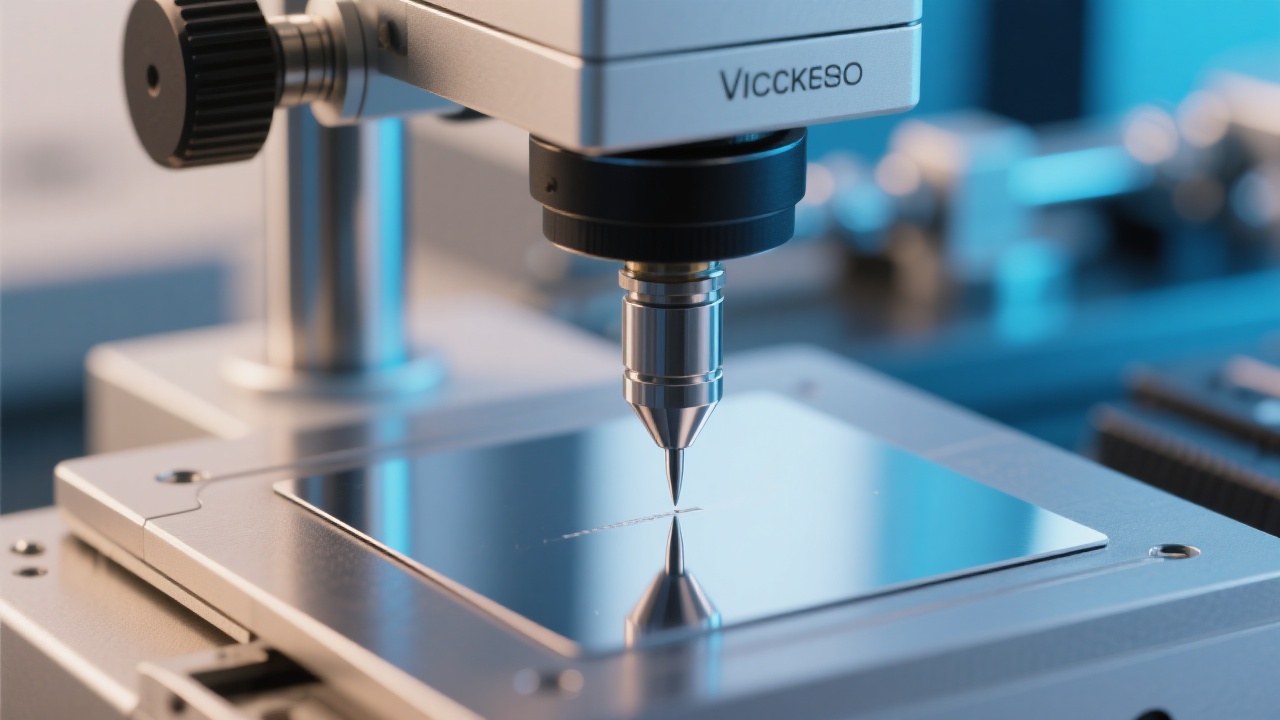
When rotational speed drifts under load, the abrasive interaction becomes unstable. The result is often a mix of localized heating and intermittent rubbing—conditions associated with burn tinting and altered near-surface layers. In laboratory practice, even a thin affected layer can bias interpretation, particularly in:
A practical reference seen in many labs: with robust speed control and proper coolant, operators often report noticeably fewer “burn” re-preps compared with handheld or low-stability setups—especially on stainless steels and high-strength alloys.
Cutting force is not only a comfort issue—it is a deformation driver. A controlled feed mechanism helps maintain a consistent material removal rate, lowering the chance of:
For grain size work, clean edges and minimal deformation matter because the first polishing passes remove less damaged material, helping preserve boundary clarity and reducing the risk of “false grain” artifacts.
Cooling is not merely about temperature; it is also about chip evacuation. If debris is not flushed effectively, the wheel can re-grind chips into the cut surface, increasing embedded contamination and scratch severity. In comparative lab observations, optimized coolant delivery can reduce visible burn marks and discoloration, while improving surface cleanliness before mounting.
As a reference point frequently cited in metallographic training notes: when thermal load is controlled, the affected layer can often be kept to the order of tens of micrometers (or less, depending on alloy, wheel, and parameters), which is typically easier to remove during standard grinding without altering critical microstructural evidence.
High-precision metallographic cutting is most valuable when interpretation depends on fine features, narrow zones, or strict repeatability across operators and sites. Below are three high-frequency scenarios in international materials analysis.
In failure analysis, cutting is often performed near crack initiation sites, weld toes, or overheated zones. Excess heat or force can modify oxidation features, smear inclusions, or introduce secondary microcracks. A high-precision system helps maintain the integrity of:
Labs that standardize cutting parameters (wheel type, rpm range, feed mode, coolant) generally see smoother handoffs between operators and more repeatable cross-sections—critical when results may be audited or used in corrective actions.
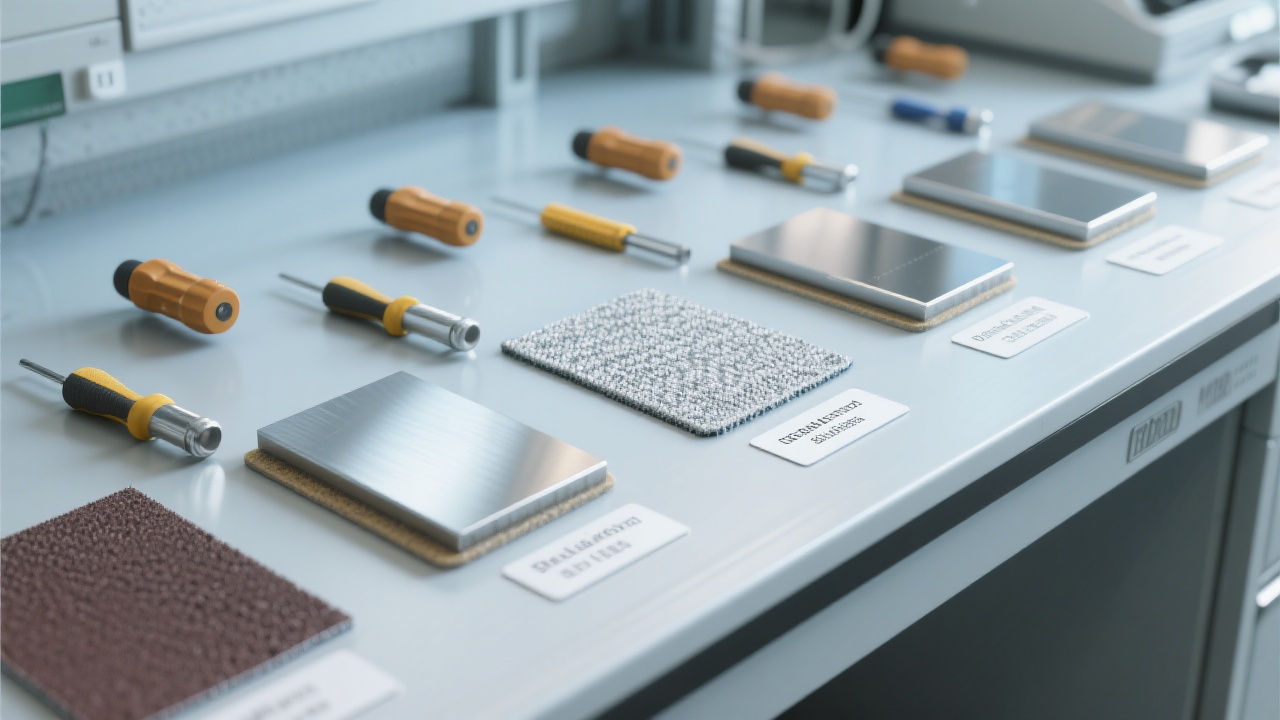
Grain size measurement relies on a clean preparation chain. If cutting introduces a deep deformed layer, grinding must remove more material, increasing the chance of rounding edges and losing orientation context—especially on small coupons. Many labs working with ASTM E112-style workflows note that consistent cutting can shorten preparation time; a reasonable field reference is a 10–25% reduction in rework when cutting quality is stable and documented.
For high-throughput labs, this translates into more predictable scheduling and fewer disputes about whether a micrograph reflects the material or the process.
When distinguishing phases (e.g., ferrite/pearlite, martensite/bainite, carbide networks, intermetallics), preparation artifacts can mislead interpretation. Overheating may change etch response; smearing can mask boundaries; contamination can appear as inclusions. High-precision cutting reduces the probability that etch contrast is being “authored” by cutting damage rather than by metallurgy.
| Dimension | Traditional / Non-dedicated Cutting | High-Precision Metallographic Cutting |
|---|---|---|
| Heat control | Often inconsistent; higher risk of burn tint and altered layers | Coolant + stable rpm reduces thermal spikes and surface damage |
| Repeatability | Operator-dependent; hard to standardize between shifts/sites | Parameter-driven; easier to document and replicate |
| Surface integrity | More burrs, smearing, chipping; more corrective grinding | Cleaner cut face; lower deformation depth; better edge retention |
| Throughput impact | More re-cuts and re-polishing; variable cycle time | Fewer reworks; steadier prep time and higher lab utilization |
| Audit readiness | Harder to defend preparation variability | Easier to link results to controlled, recorded parameters |
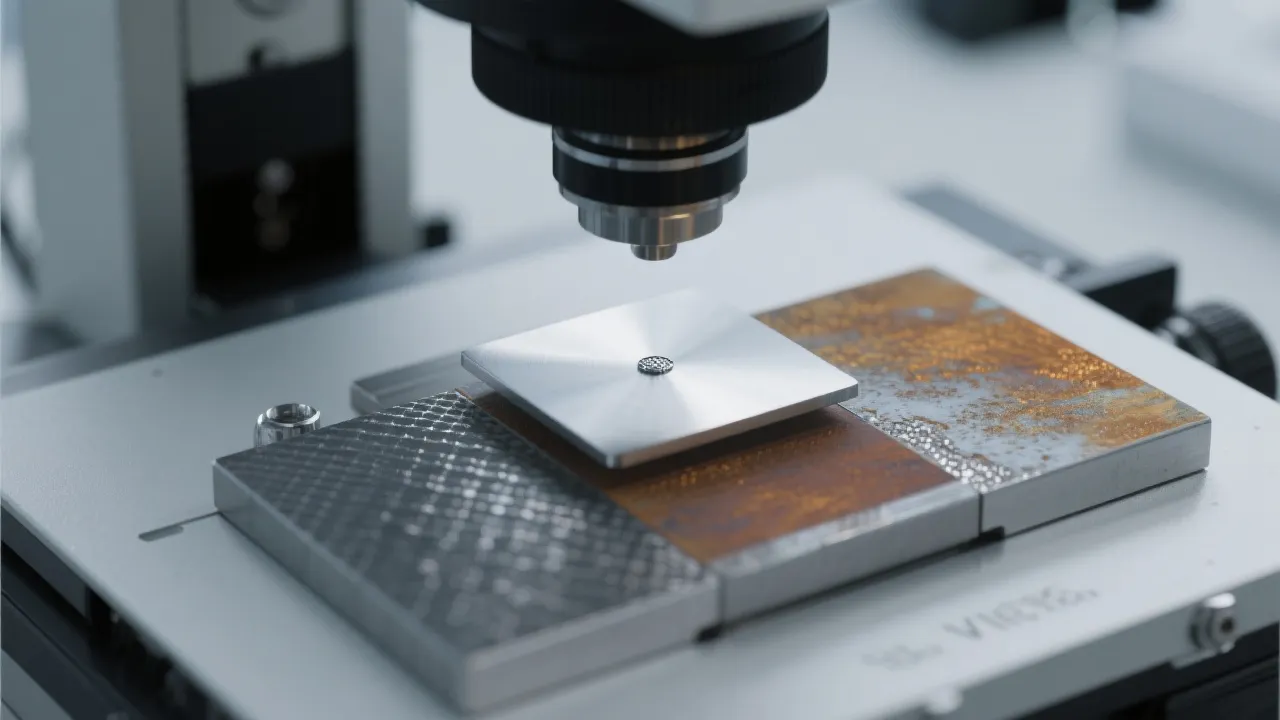
Labs pursuing materials analysis standardization typically define “good cut quality” in observable, teachable terms. The following criteria are widely used because they map directly to downstream microscopy outcomes.
In multi-site environments, standardization often improves when preparation parameters are recorded as part of the sample’s “provenance.” Many labs track a compact set of metadata: material type, wheel specification, rpm, feed mode, coolant type, cut length, and operator. This makes it easier to correlate unexpected micrographs to preparation variables rather than to material variability.
Polishing removes material, but it does not guarantee removal of all cutting-induced artifacts—especially if the damaged layer is deep or non-uniform. Unstable cutting can also create edge defects that persist through mounting and polishing, affecting boundary interpretation and measurement repeatability.
Visible discoloration (burn tint), a glazed-looking band near the surface, or unexpectedly difficult etching response are typical warning signs. Operators also report that “mysterious” deep scratches during early grinding can be linked to embedded debris from inadequate flushing.
A practical evaluation uses your own representative materials and checks: cut-face integrity, edge retention, absence of burn marks, repeatability across operators, coolant effectiveness, clamping stability, and how easily parameters can be standardized in SOPs.
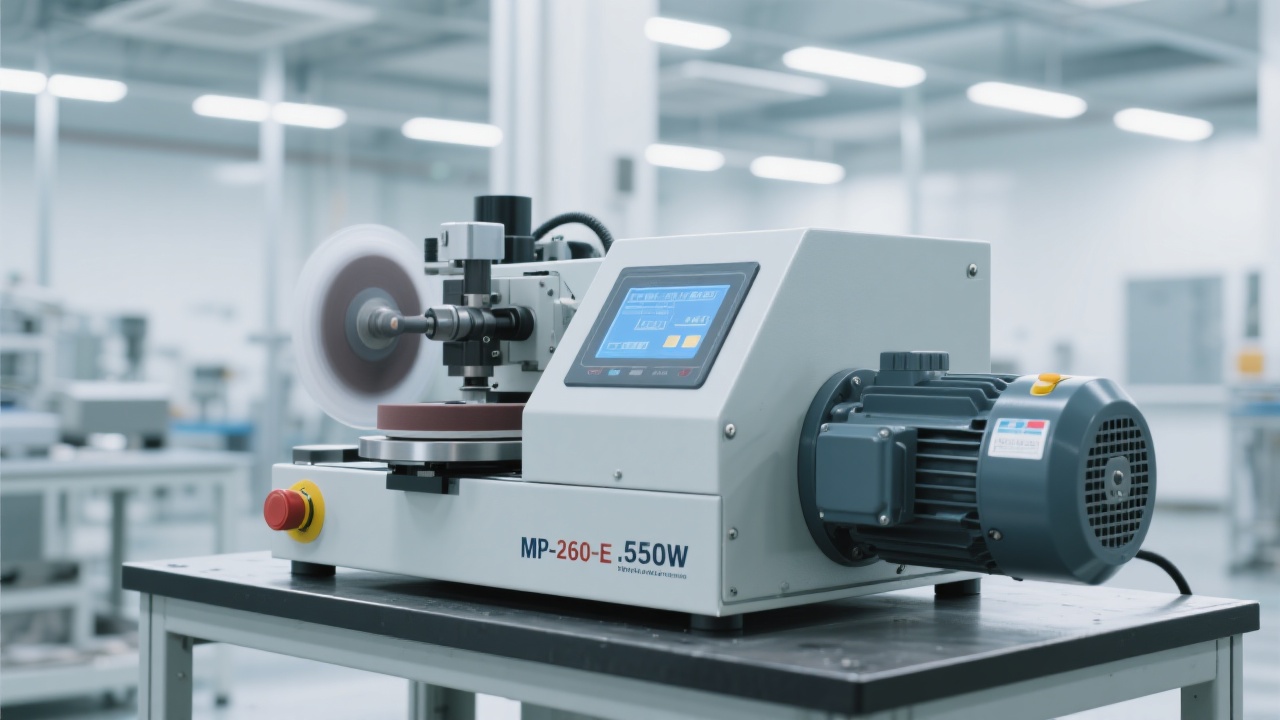
For laboratories building robust, auditable workflows, 锦骋 (JinCheng) positions high-precision metallographic cutting as a controllable foundation for materials analysis standardization. The emphasis is straightforward: stable rotation behavior, predictable feed control, and cooling/flushing design that supports cleaner cut surfaces—so microstructure evaluation reflects the material, not preparation artifacts.
If your team is aiming to reduce rework, improve cross-operator repeatability, and strengthen confidence in microscopy outcomes, the cutting stage is a logical place to start.
Explore JinCheng High-Precision Metallographic Cutting Machine for Lab Sample PreparationSuggested for: failure analysis labs, QA/QC metallography rooms, university research groups, and multi-site materials testing teams.