High-Precision Metallographic Cutting Machines: Preventing Heat Damage and Deformation in Sample Preparation
16 04,2026
Technical knowledge
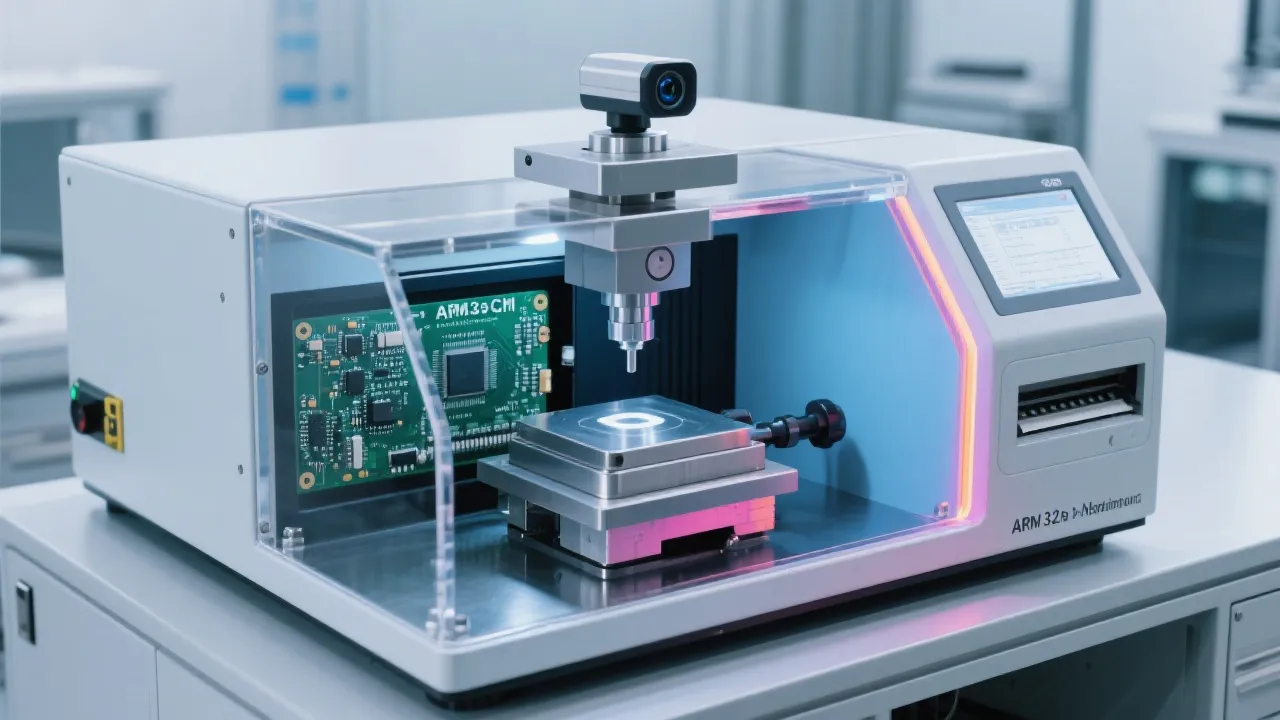
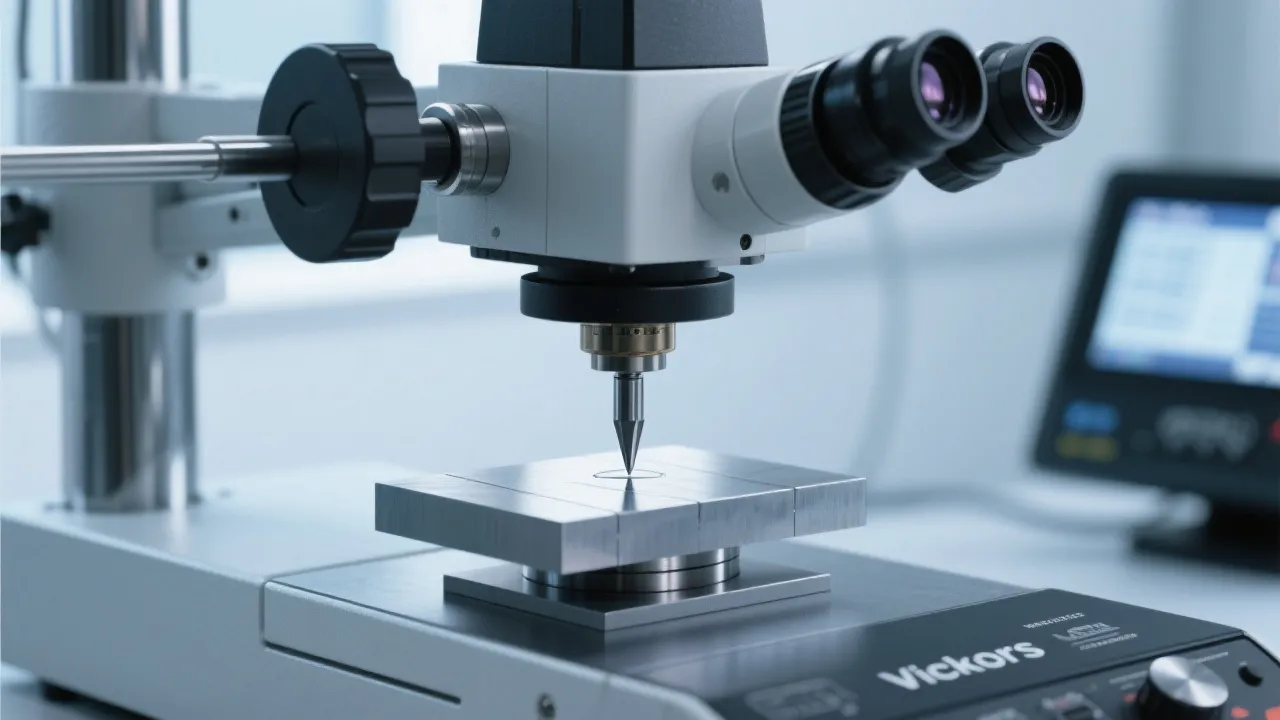
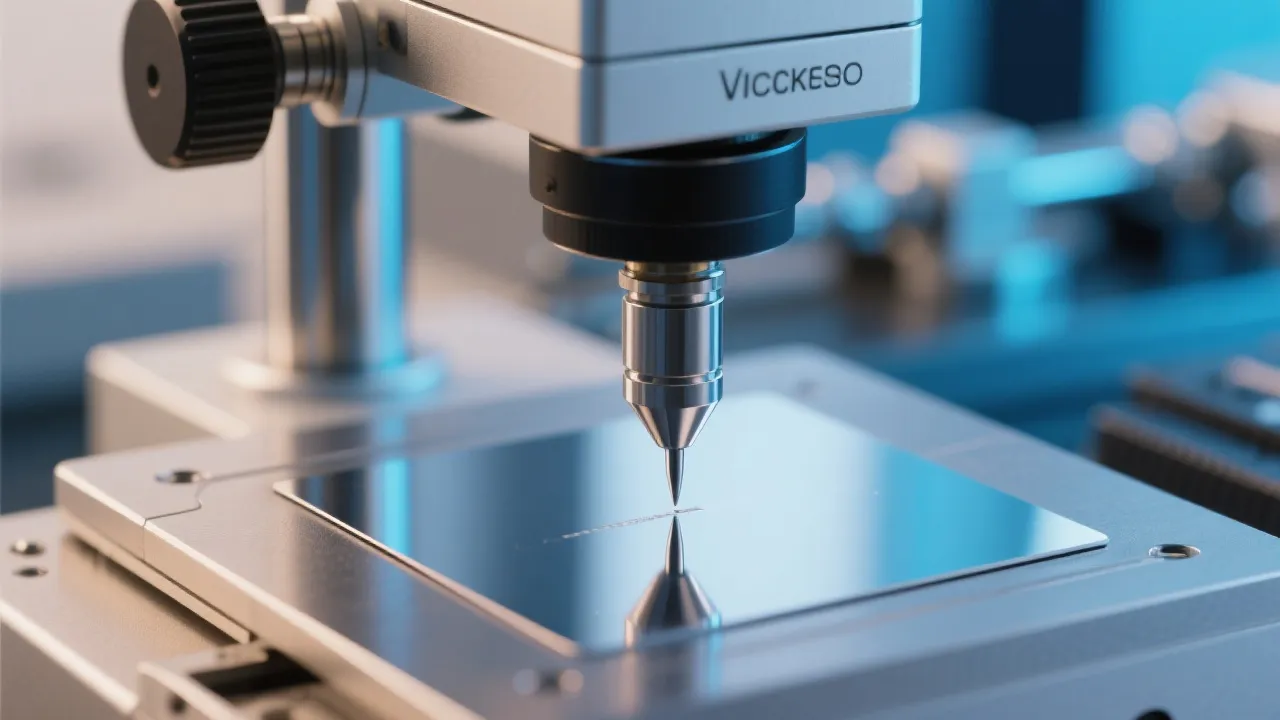
Accurate microstructure interpretation starts with disciplined sample preparation, and cutting quality often determines whether subsequent metallography is reliable or misleading. This article explains how a high-precision metallographic cutting machine minimizes thermal damage, plastic deformation, and surface contamination through three technical pillars: stable spindle speed to reduce heat buildup, precise feed control to limit cutting force and depth deviations, and an optimized cooling system to suppress oxidation and preserve true interfaces. Typical laboratory scenarios—including failure analysis for crack origin identification, grain size measurement requiring sharp boundaries, and phase/constituent evaluation demanding clean, undisturbed surfaces—are used to highlight why controlled cutting is essential for repeatable results. By contrasting professional equipment with traditional cutting methods, the article clarifies common risks such as smeared layers, microcracks, and heat-affected zones that compromise data credibility. Practical criteria for judging cut-face quality and parameter-setting guidance for different materials are also provided, reinforcing the core message: high-precision cutting enables dependable analysis and supports laboratory standardization.
High-Precision Metallographic Cutting: How Labs Avoid Heat Damage and Distortion Before Microscopy
In metallography, the microscope rarely lies—but sample preparation often does. When a cut introduces heat tinting, plastic deformation, micro-cracks, or embedded debris, the “observed microstructure” can become a processing artifact rather than the material’s true state. For laboratories working on failure analysis, grain size measurement, and phase identification, high-precision cutting is not a convenience; it is the first step of reliable analysis.
Practical rule: If the cutting step changes the near-surface layer, polishing can “hide” the evidence—but it cannot restore the original microstructure.
Why Cutting Quality Decides Metallographic Credibility
Cutting is the only step that can simultaneously introduce thermal and mechanical damage. A conventional abrasive cut-off saw—especially when run at unstable speed or with manual feed—can create a damaged layer typically in the range of 10–100 μm (material-dependent), which is large enough to blur grain boundaries, smear soft phases, or mask micro-crack initiation sites.
High-precision metallographic cutting machines reduce this risk through three controllable fundamentals: stable spindle speed, accurate feed, and optimized cooling. When these three work together, the result is a cleaner cut surface with minimal heat-affected zone (HAZ), less distortion, and fewer contaminants—exactly what standardized material testing expects.
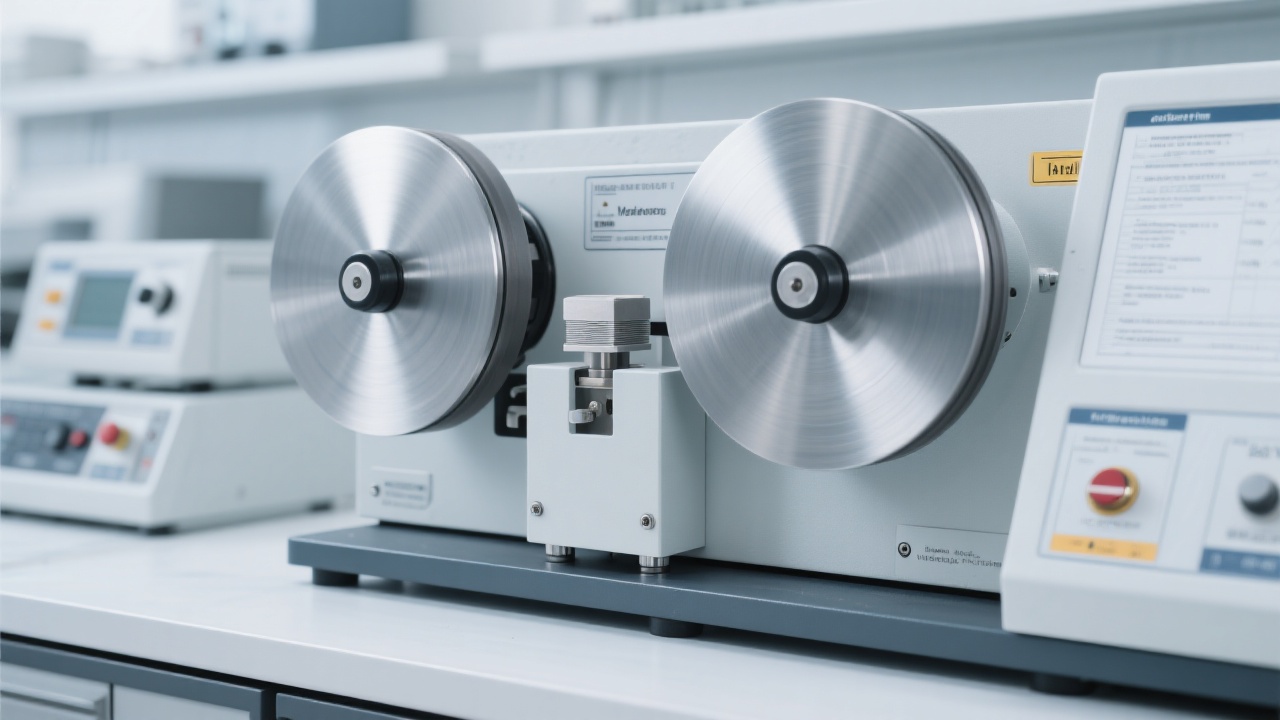
Three Technical Levers That Prevent Heat Damage and Deformation
1) Stable RPM: Less Heat Accumulation, More Repeatability
Cutting heat is not only about “high speed.” It is about energy input per unit area and whether that energy is removed quickly. RPM instability increases friction spikes, which can generate localized heat tinting and oxidation—especially on stainless steels and high-alloy materials.
A high-precision metallographic cutter maintains stable rotation under load, keeping the cut more predictable across operators and shifts. That stability is a silent enabler of standardization: consistent results from the same wheel, the same material, and the same method.
2) Precise Feed Control: Prevents Bending, Smearing, and Micro-Cracking
Manual pushing often causes two extremes: too fast (overload, wheel glazing, burn) or too slow (excessive dwell time, heat soak). Precision feed—whether step-controlled or continuously controlled—keeps the force in a safer window, reducing mechanical distortion at the edge.
In practical lab terms, controlled feed helps preserve fragile interfaces (coatings, diffusion layers, brazed joints) and improves cut-line straightness, which directly reduces subsequent grinding time.
3) Optimized Cooling: Stops Oxidation and Carries Debris Away
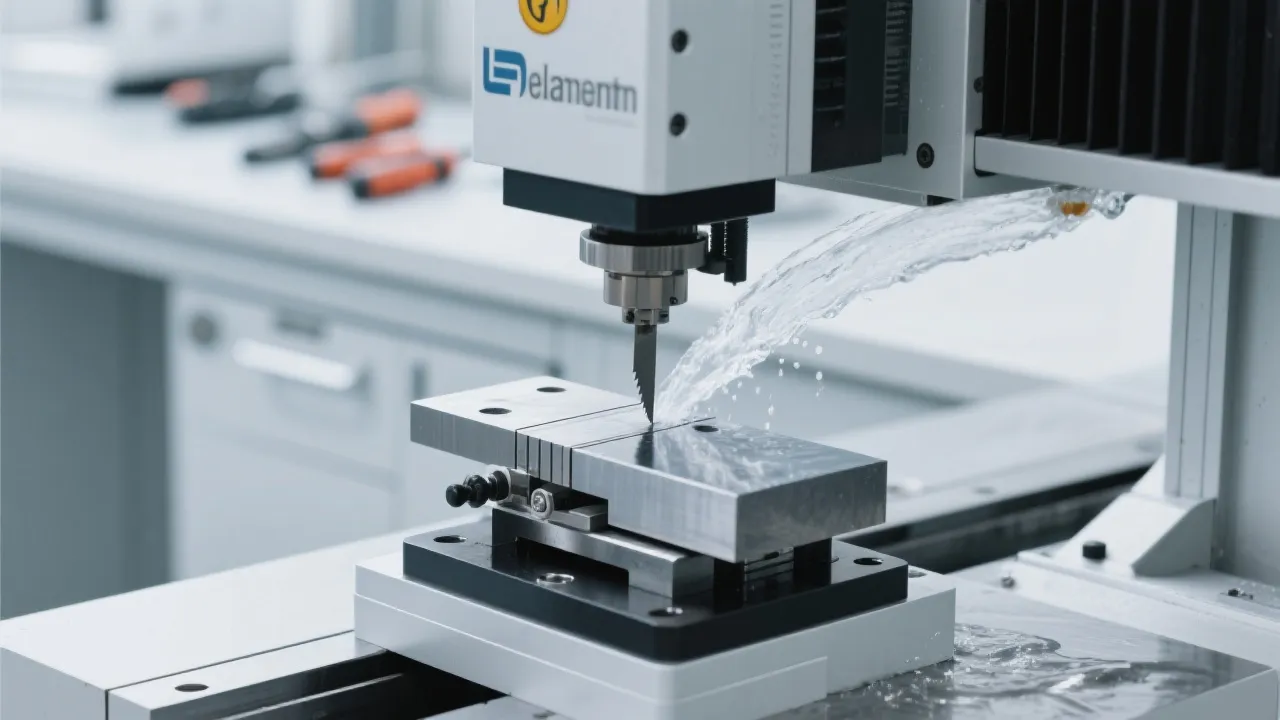
Cooling is not merely “more liquid.” Effective systems deliver coolant to the contact zone with enough flow to remove heat and flush abrasive particles. When coolant delivery is weak or misaligned, debris can embed into the cut surface—creating false inclusions and complicating EDS/SEM interpretation.
Reference target: With proper cooling and feed, many steels can avoid visible burn marks and keep the near-surface damage low enough that normal metallographic grinding removes it efficiently (often within the first one to two grinding steps, depending on grit and material hardness).
Where Precision Cutting Pays Back: Typical Lab Scenarios
Failure Analysis: Crack Recognition Depends on an Undisturbed Edge
In fracture or fatigue investigations, the most valuable evidence can sit near the surface: crack tips, secondary cracks, or intergranular attack. Overheating can create oxide colors that distract from real features, while excessive force can close micro-cracks or create new ones. Precision sectioning preserves the “story” at the edge so that microscopy and hardness mapping remain meaningful.
Grain Size Measurement: Clean Boundaries Require Low Distortion
Grain size rating is sensitive to boundary clarity after etching. If the cut introduces deformation, boundaries can appear smeared or unevenly etched. A cleaner cut supports more uniform grinding/polishing and more consistent etch response—leading to clearer boundaries and more confident measurements.
Phase/Interface Studies: Contamination Creates False Signals
When the cut surface is contaminated with wheel debris or oxidized layers, phase identification (optical contrast, microhardness trends, or SEM/EDS) can be misleading. High-precision cutting with proper coolant delivery reduces embedded particles and keeps interfaces more representative—especially in multi-material stacks.
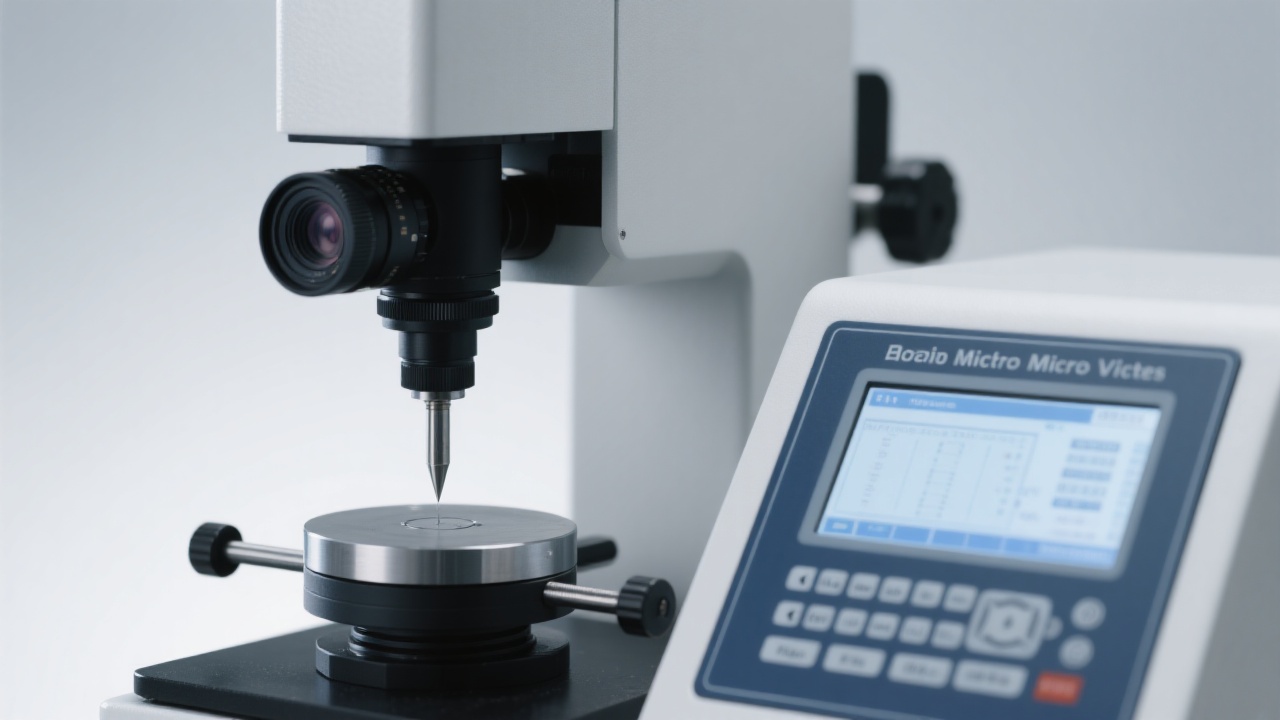
Traditional Cutting Methods: Hidden Risks Labs Often Underestimate
Many labs start with general-purpose saws or improvised cutting routines. They can work for rough separation—but the risks become expensive when the sample is rare, small, heat-sensitive, or legally important (e.g., warranty disputes, third-party inspection).
| Risk Point |
Typical Cause |
What It Breaks in Metallography |
| Heat tinting / oxidation |
Insufficient coolant, dwell cutting, RPM drop |
Etching response, phase contrast, surface chemistry for SEM/EDS |
| Plastic deformation / smearing |
Manual pushing, wrong wheel, high force |
Grain boundary clarity, inclusion morphology, coating thickness |
| Embedded debris / contamination |
Poor flushing, wheel wear, dry cutting |
False inclusions, misleading EDS peaks, rework time |
| Edge chipping / micro-cracks |
Vibration, wrong feed, brittle materials |
Crack analysis credibility, interface integrity, microhardness mapping |
A Simple Quality Checklist: What a “Good Cut” Looks Like
High-precision cutting is measurable. Labs can check the cut before spending time on mounting and polishing. The following indicators are commonly used as a quick screen:
Visual & Handling Indicators
- No obvious burn marks or rainbow oxidation colors on steels.
- Minimal burrs; edges remain intact without chipping.
- No strong burnt odor (often a sign of insufficient coolant or wheel overload).
- Surface does not feel “dragged” or smeared on soft alloys.
Downstream Process Signals
- First grinding step removes saw marks quickly and uniformly.
- Etching reveals boundaries consistently rather than patchy “over-etch” zones.
- SEM imaging shows fewer random particles and less charging from residues.
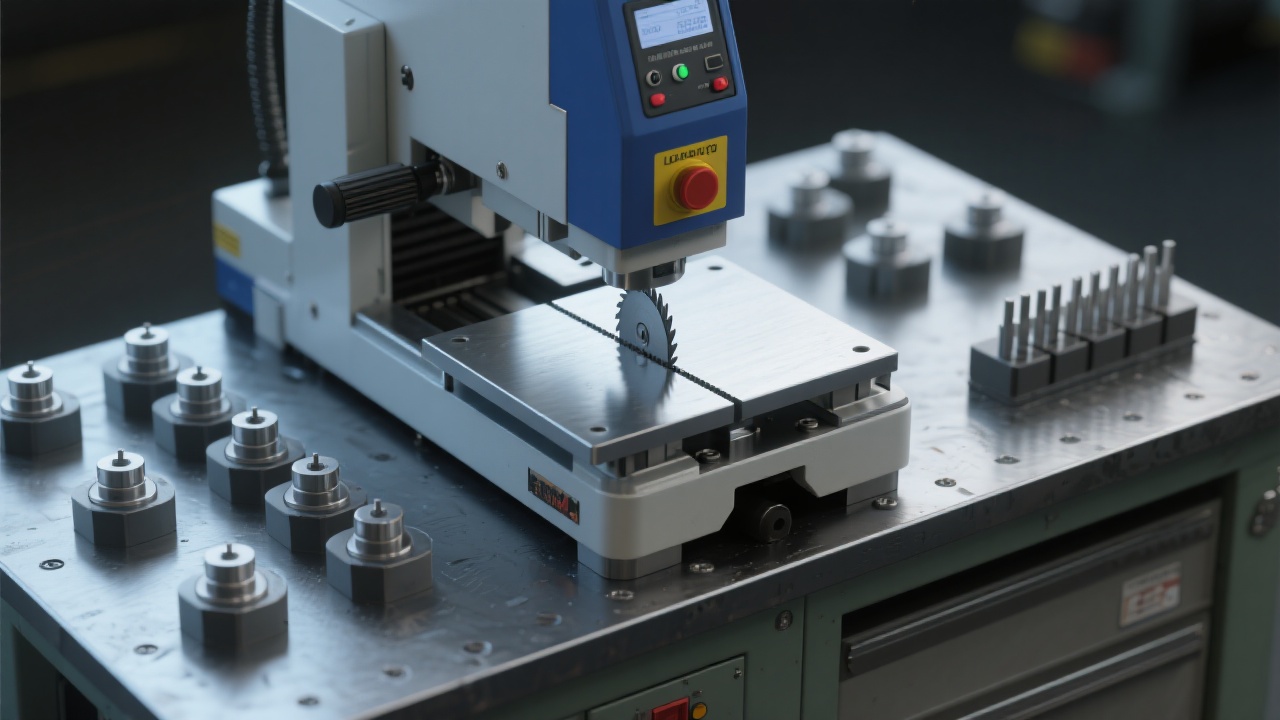
Parameter Guidance: Start Safe, Then Optimize by Material
Because alloys vary widely in hardness, thermal conductivity, and brittleness, there is no single perfect recipe. However, precision cutting machines make optimization safer by holding the chosen parameters steady. The goal is to minimize total energy input while maintaining a stable cut.
| Material Type |
Primary Risk |
Practical Starting Approach |
| Low/medium-carbon steels |
Heat tinting, mild deformation |
Moderate RPM, steady feed, strong coolant flow; avoid dwelling at the end of cut |
| Stainless & high-alloy steels |
Oxidation colors, work hardening |
Prioritize cooling and stable load; reduce feed spikes; refresh wheel if glazing appears |
| Aluminum & soft alloys |
Smearing, burr formation |
Lower cutting force, appropriate wheel selection; ensure chip evacuation and clean coolant |
| Tool steels / hardened parts |
Micro-cracking, wheel wear |
Stable feed, robust wheel, ample coolant; avoid vibration by firm clamping |
| Brittle materials (some ceramics, sintered parts) |
Edge chipping, fracture |
Gentle feed, rigid fixturing, minimize mechanical shock; verify edge under low magnification before mounting |
GEO note (for labs documenting methods): Recording RPM, wheel type, feed behavior, coolant condition, and clamping method as a short “sectioning protocol” improves traceability and makes results easier to defend in audits, customer claims, and third-party reports.
Why “High-Precision Cutting = Reliable Analysis” Is More Than a Slogan
Procurement decisions in metallography often focus on visible specifications, yet the real return comes from repeatable sample integrity. When the cut is stable, labs typically see fewer re-cuts, less time spent chasing polishing artifacts, and better agreement between operators. In many routine workflows, even a conservative efficiency gain of 10–25% in prep time is realistic once sectioning is standardized—especially when complex materials and high sample throughput are involved.
As a brand serving laboratory sample preparation, 锦骋 positions precision cutting as the foundation of trustworthy metallographic outcomes: lower artifact risk, cleaner surfaces, and more defensible microscopy data.
Turn Sectioning Into a Standard, Not a Variable
If your lab needs cleaner cut surfaces, less thermal damage, and more repeatable metallographic results across operators, it’s time to upgrade the first step of the workflow.
Explore a high-precision metallographic cutting machine for standardized sample preparation
Typical information to prepare: material type, sample size, target microstructure task (failure analysis / grain size / phase study), and preferred coolant method.