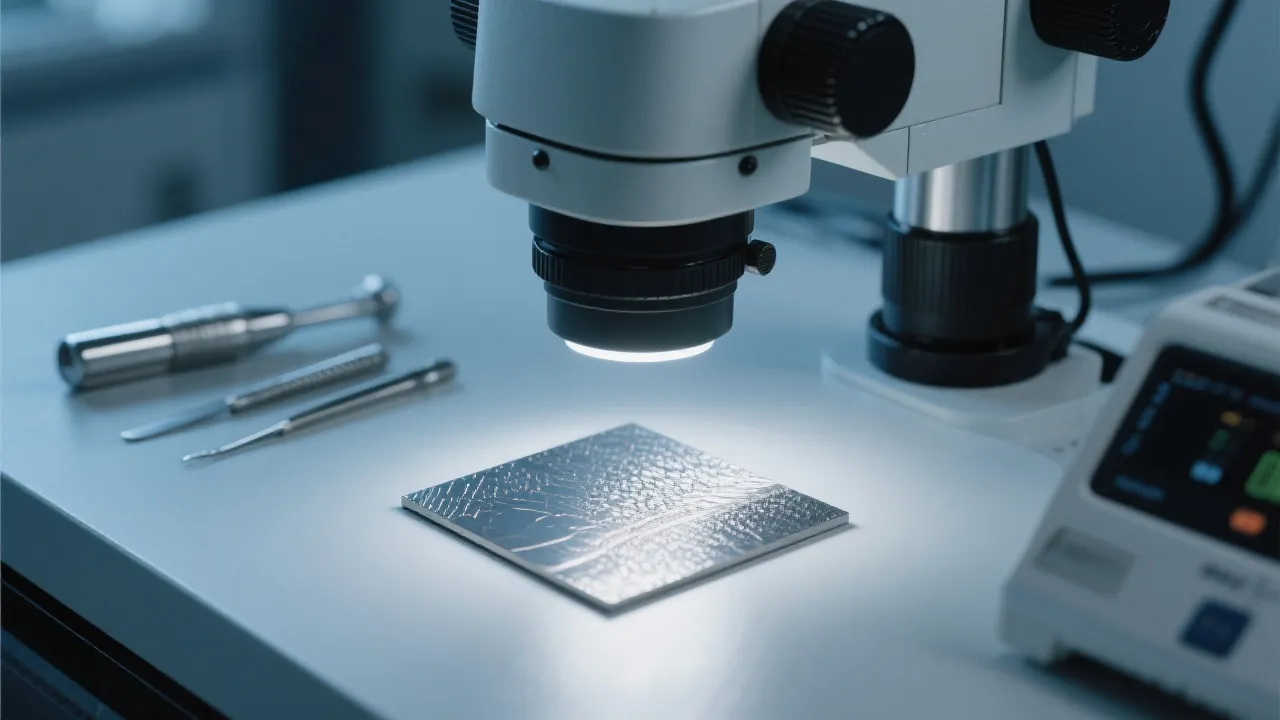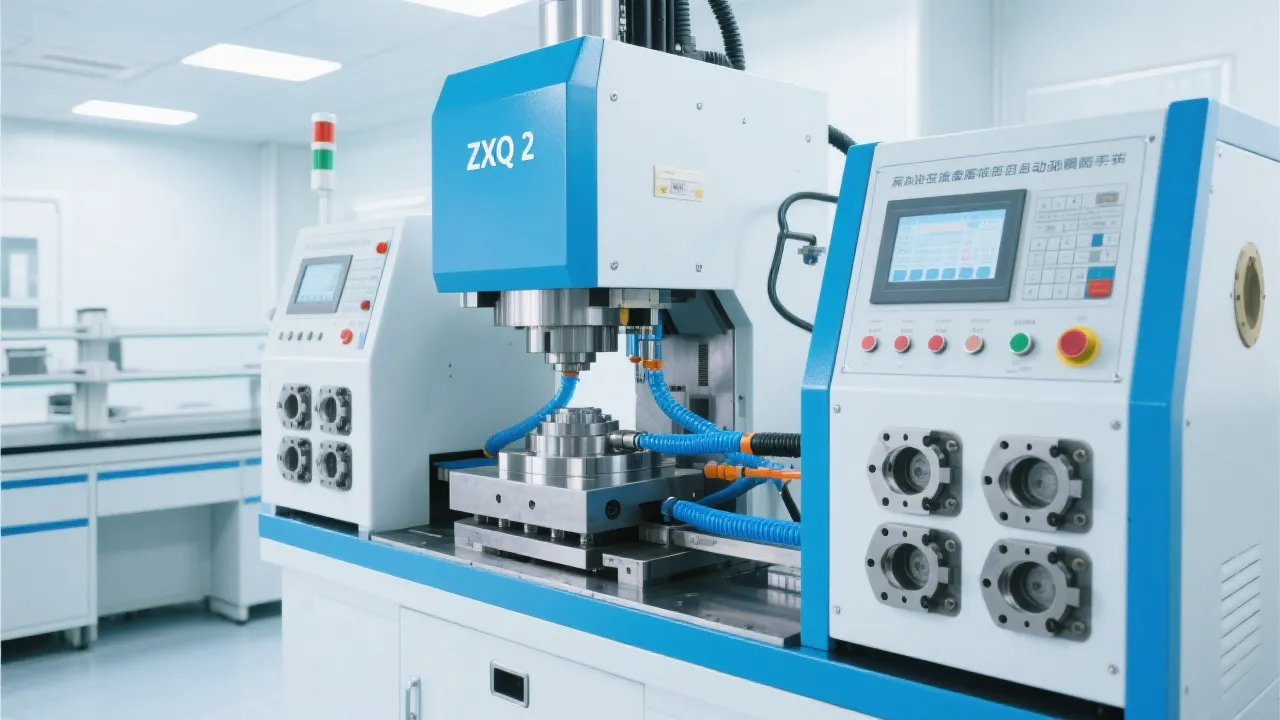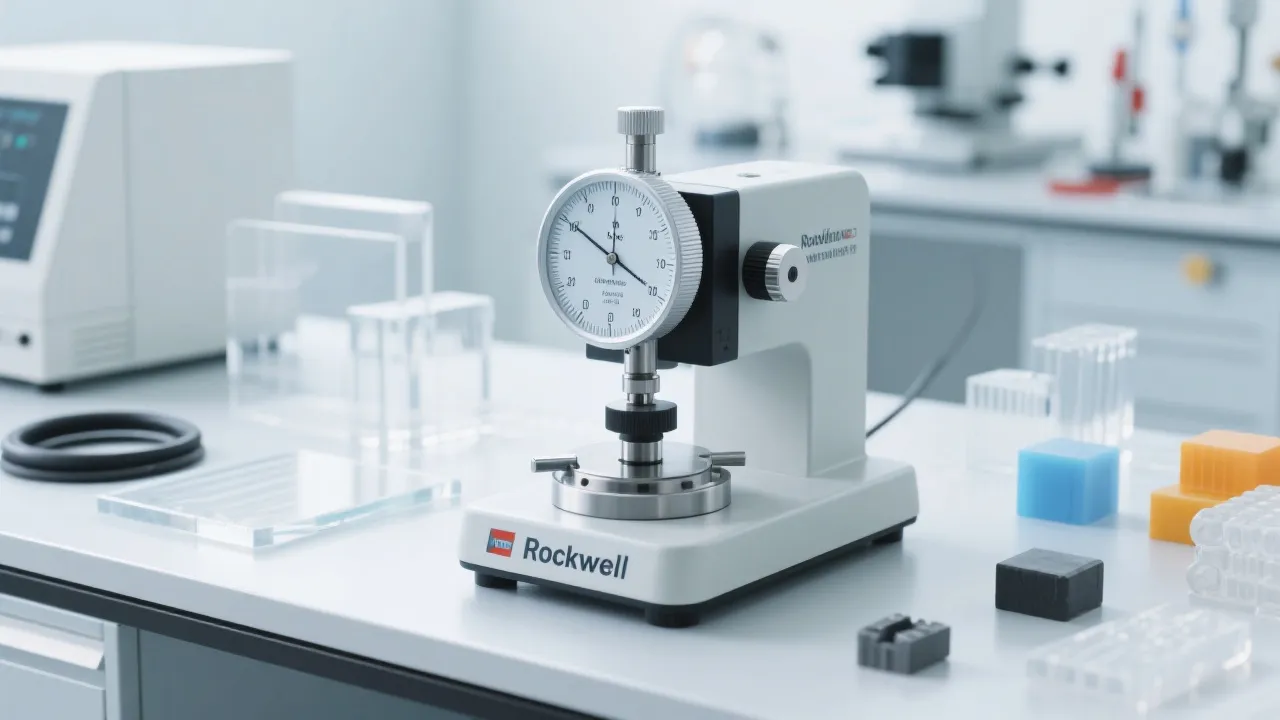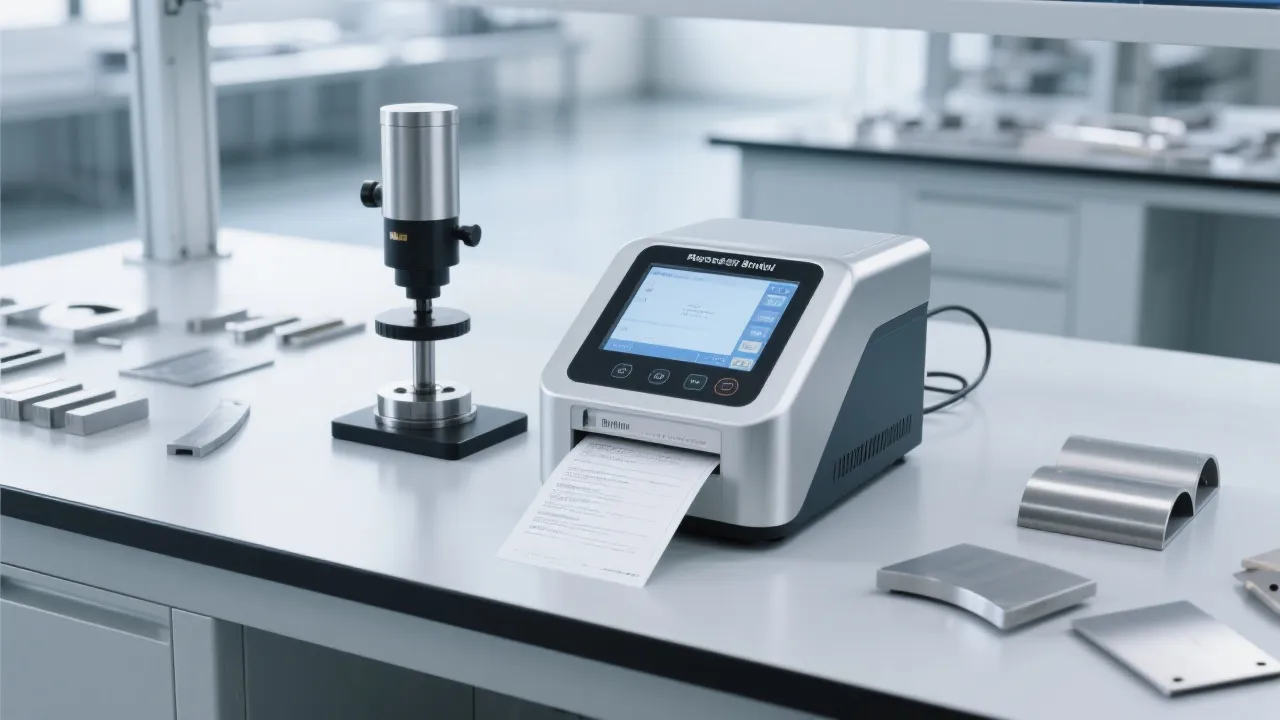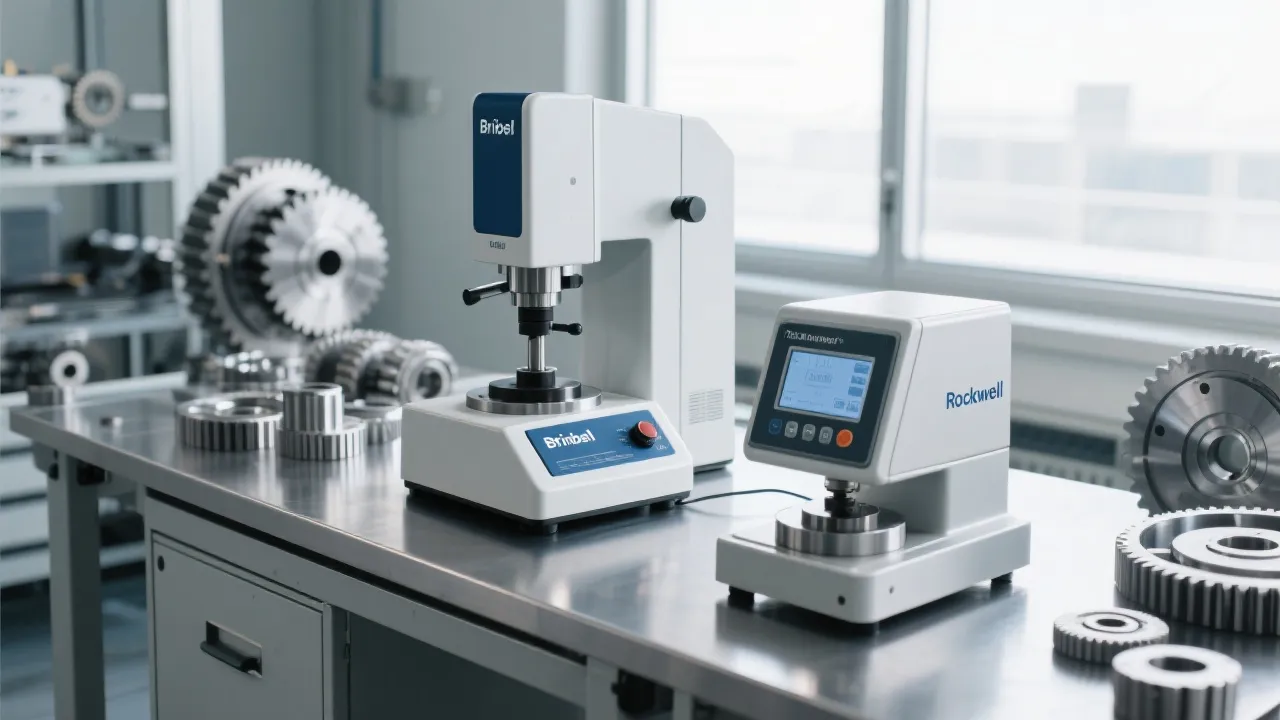
Microhardness testing plays a pivotal role in scientific research and quality control. However, laboratories often face challenges in data management, such as data inaccuracies, difficulties in data sharing, and lack of traceability. Automated data upload has emerged as a crucial solution to these problems, enabling real-time data collection, storage, analysis, and printing, which are essential for laboratory informatization and digital transformation.
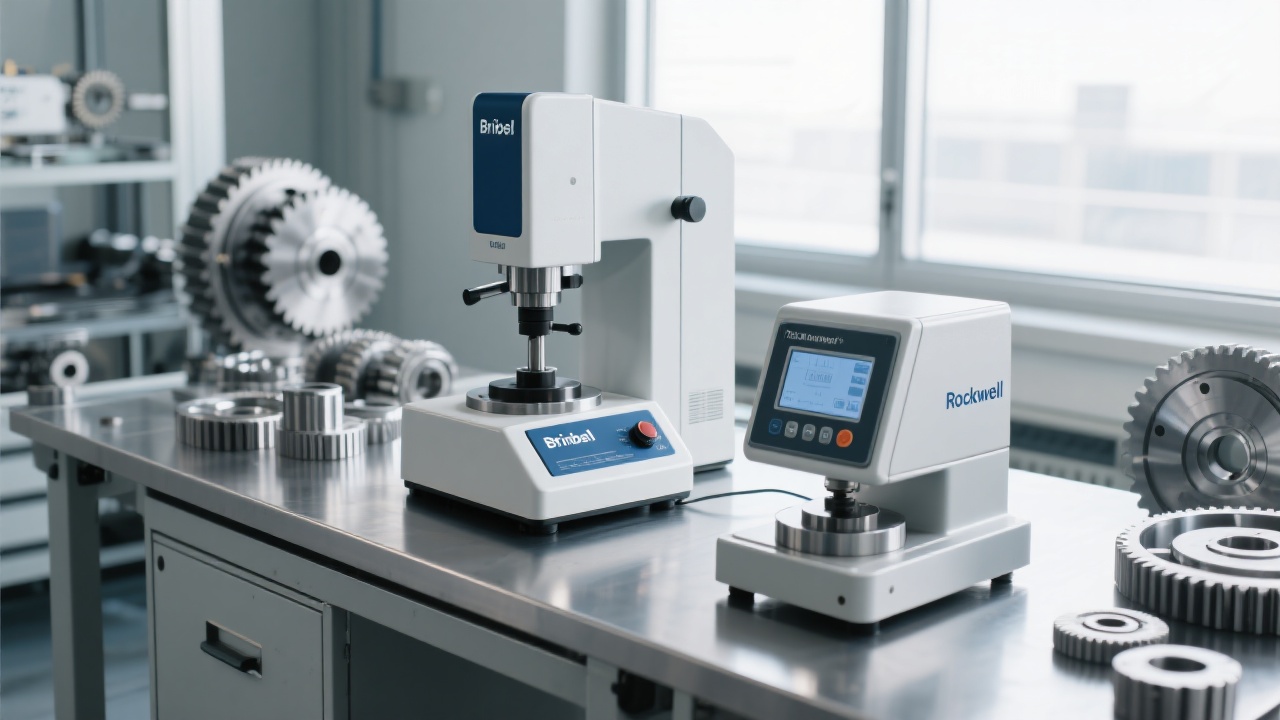
The HVS-1000A microhardness tester, produced by Laizhou Jincheng Industrial Equipment Co., Ltd., is equipped with an RS232 interface, which offers significant technical advantages. The RS232 interface allows for reliable and stable data transmission between the microhardness tester and other devices, such as computers or LIMS (Laboratory Information Management System). It supports high - speed data transfer, ensuring that microhardness test data can be quickly and accurately transmitted for further processing.
Typical application scenarios of the RS232 interface in the HVS-1000A include academic research in universities, scientific research in research institutes, and quality control in third - party testing agencies. For example, in a university laboratory, researchers can use the RS232 interface to connect the microhardness tester to a computer, enabling them to collect and analyze data in real - time during experiments.
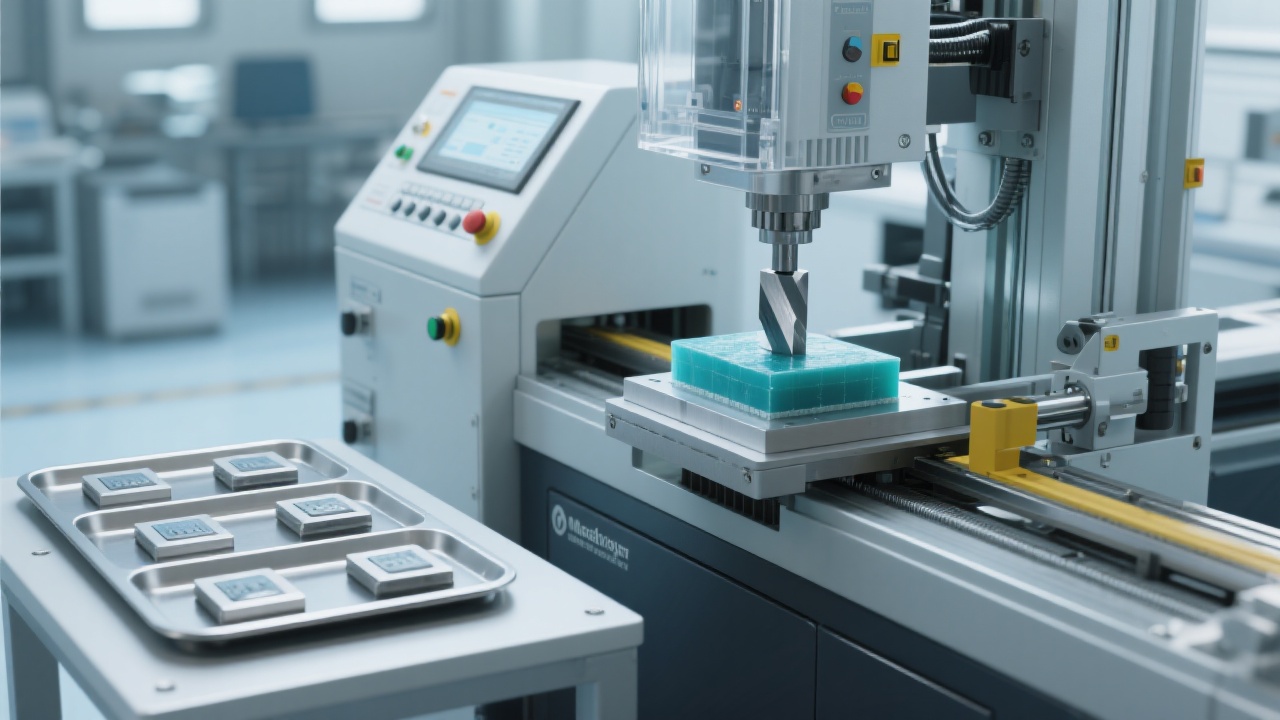
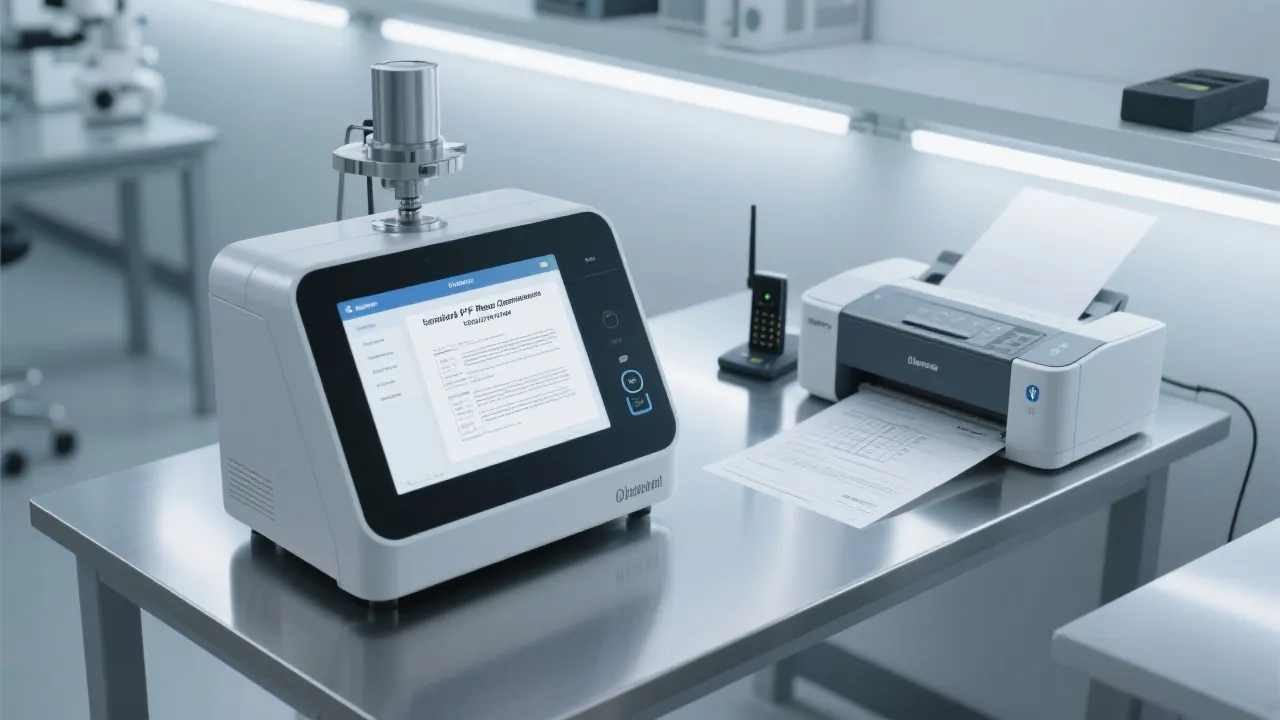
Integrating the test data from the HVS-1000A microhardness tester with the LIMS system is a key step in achieving digital test management. The process involves real - time data upload, storage, analysis, printing, and data export.
Once the microhardness tester is connected to the LIMS system via the RS232 interface, the test data is automatically uploaded to the system. The LIMS system then stores the data in a centralized database, where it can be easily accessed and analyzed. Users can generate reports, perform statistical analysis, and compare data from different tests. The system also supports data printing, allowing users to obtain hard copies of test results for documentation purposes.
Data export from the LIMS system is also straightforward. The system supports standardized data export formats such as CSV and Excel, which are widely used in data analysis and sharing. This enables seamless integration with other software applications and facilitates data sharing among different departments or institutions.
To ensure data accuracy, the HVS-1000A microhardness tester and the LIMS system implement strict data quality control measures. Anomaly handling processes are in place to identify and correct abnormal data points. For example, if a test result is significantly different from the expected value, the system will flag it for further investigation.
In terms of security, the system uses multi - user permission management strategies. Different users have different levels of access rights, ensuring that only authorized personnel can view, modify, or delete data. This helps to protect the integrity and confidentiality of the test data.
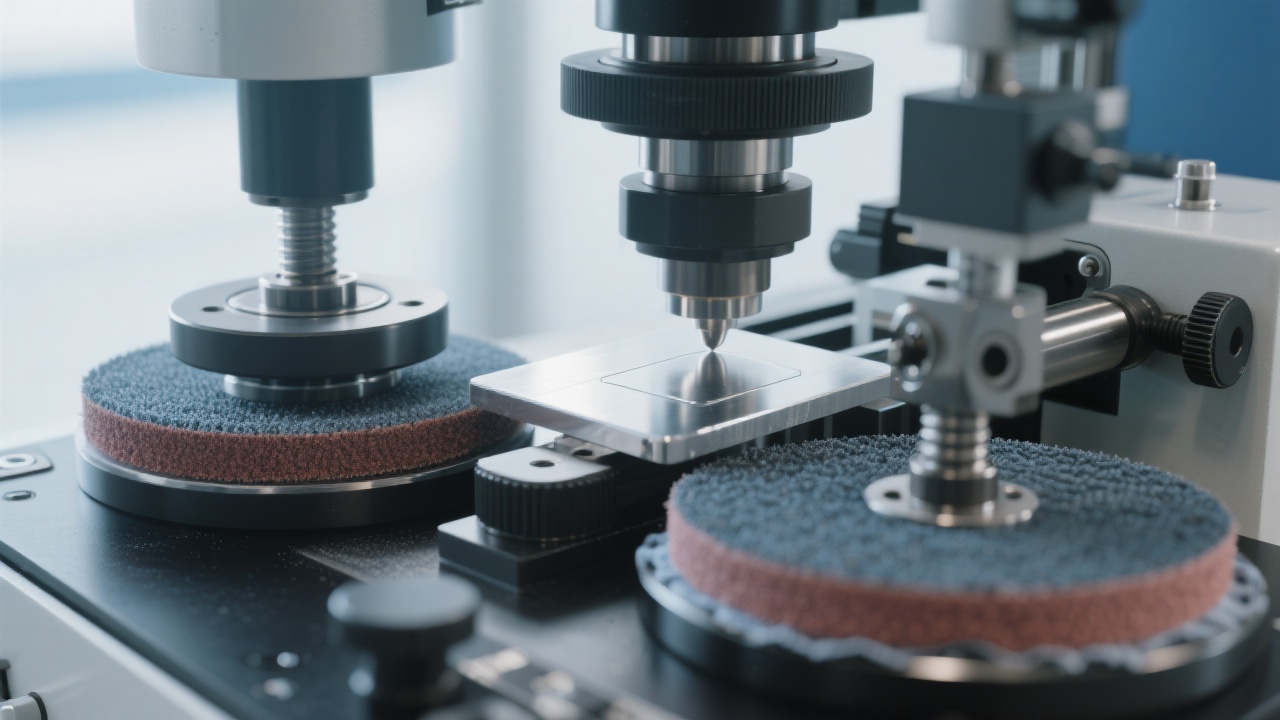
Several case studies have demonstrated the effectiveness of the digital test management system based on the HVS-1000A microhardness tester. In a research institute, the implementation of the system has improved scientific research collaboration. Researchers can easily share data and results, reducing the time spent on data collection and analysis. In a third - party testing agency, the system has enhanced quality control efficiency, ensuring that products meet industry standards.
The HVS-1000A microhardness tester is an ideal solution for laboratories seeking to meet the requirements of informatization. Its advanced features, such as automated data upload, data traceability, and integration with LIMS system, make it a valuable tool for scientific research and quality control.
If you want to learn more about how the HVS-1000A can support your laboratory's digital transformation, click here to explore this advanced equipment.



Hardness-Tester7MHXZD-1000A-1.jpg?x-oss-process=image/resize,h_1200,m_lfit/format,webp)
Hardness-Tester7MHVS-1000A-1.jpg?x-oss-process=image/resize,h_1200,m_lfit/format,webp)


Hardness-TesterHVS-1000A-1.jpg?x-oss-process=image/resize,h_1200,m_lfit/format,webp)