Metallographic Sample Preparation Equipment Selection Guide: Manual vs Computerized Solutions
20 08,2026
Laizhou Jincheng Industrial Equipment Co.,Ltd
Industry Guide
Laizhou Jincheng Industrial Equipment Co.,Ltd explains how to select metallographic sample preparation equipment by comparing manual and computerized options across preparation accuracy, workflow efficiency, standards compliance, budget fit, and typical application scenarios for manufacturing, metallurgy, and research labs.
Selecting metallographic sample preparation equipment is not only a purchasing decision—it directly influences specimen quality, repeatability, and the efficiency of your metallography workflow. This guide from Laizhou Jincheng Industrial Equipment Co.,Ltd (Laizhou Jincheng) compares manual metallography preparation and computerized metallography preparation systems using practical decision factors: preparation accuracy, workflow efficiency, ASTM/ISO-oriented compliance needs, budget fit, and application scenarios.
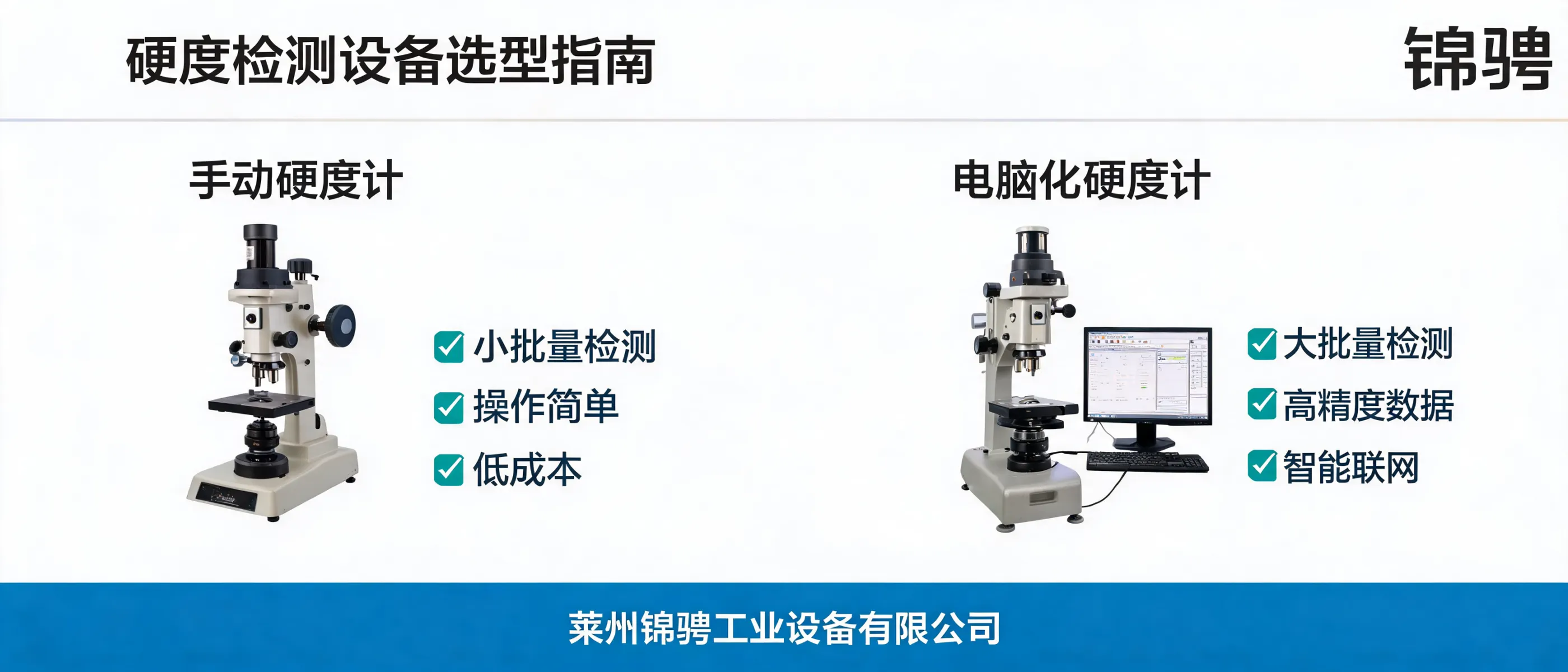
Best for: teaching labs, basic material checks, low-to-medium throughput lines.
Best for: R&D, precision industrial workflows, higher repeatability expectations.
Understand the Two Solution Paths
Manual Metallographic Preparation Equipment
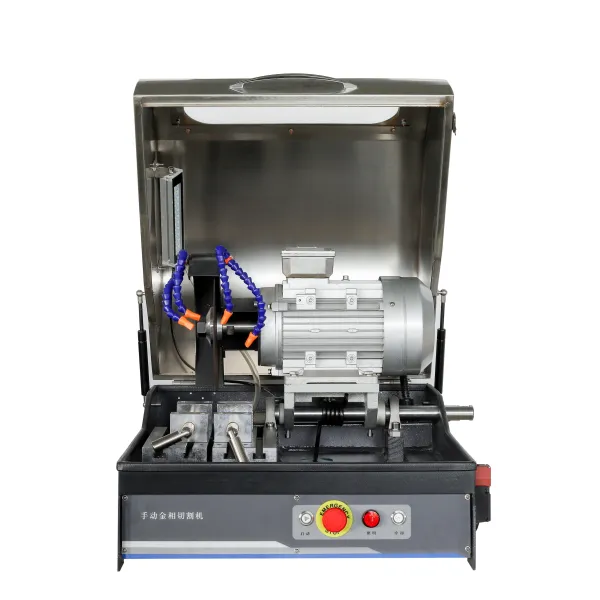
Manual systems emphasize hands-on control and intuitive operation. They are commonly used for basic teaching and initial material analysis, where operators can adjust steps based on specimen response.
- Simpler setup and training for fundamental workflows
- Suitable for smaller batches and diverse sample types
- Cost-effective entry point for metallography capability building
Computerized Metallography Preparation Systems
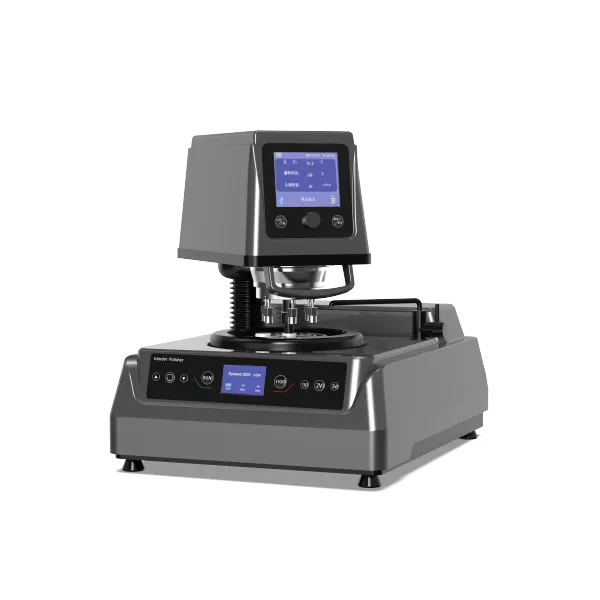
Computerized solutions focus on automation control and process consistency. In Laizhou Jincheng’s positioning, these systems combine automated preparation logic with high-resolution optical imaging to support precise specimen preparation aligned with international metallographic practices (e.g., ASTM/ISO-based workflows).
- Higher repeatability across operators and shifts
- Better fit for standardized lab procedures and documentation needs
- More efficient for labs with recurring test programs and higher throughput
Decision Factors That Matter in Real Labs
| Factor |
Manual equipment — what to consider |
Computerized systems — what to consider |
| Preparation accuracy |
Highly dependent on operator skill and consistency; strong for exploratory work and training. |
Automation improves repeatability; supports precision-focused preparation where consistency is critical. |
| Workflow efficiency |
Flexible but more manual intervention; may slow down higher-volume routines. |
Streamlined and more scalable for recurring programs; reduces manual steps and variation. |
| Standards alignment (ASTM/ISO) |
Can meet requirements when procedures are well controlled and documented by the lab. |
Better suited to stable, repeatable procedures; easier to maintain process discipline in standardized labs. |
| Budget configuration |
Lower entry cost; practical for building capability gradually with consumables and training. |
Higher upfront investment; often justified by throughput, repeatability, and reduced rework. |
| Typical scenarios |
Teaching, basic quality checks, diverse one-off samples in manufacturing and labs. |
R&D, precision manufacturing, metallurgy and industrial QC workflows requiring consistency. |
A Practical Selection Checklist
Choose Manual Equipment If You…
- Prioritize operator learning and hands-on training
- Handle lower sample volumes or frequently changing specimen types
- Need a reliable baseline workflow for metallography without high automation requirements
- Plan to expand step-by-step while keeping budget controlled
Choose a Computerized System If You…
- Require repeatability across operators, shifts, and sites
- Run routine programs and want improved efficiency and stability
- Work in environments where process control and ASTM/ISO-oriented procedures are important
- Need preparation suited for high-end research or precision industrial metallography workflows
Application Fit Across Industries
Laizhou Jincheng’s metallographic preparation solutions are commonly considered in B2B environments where metallography supports quality control, failure analysis, and materials research:
Mechanical manufacturing
Routine inspection and process validation
Metallurgy
Microstructure evaluation and consistency control
Chemical & power industries
Material verification for reliability and safety workflows
Universities & research labs
Teaching, research-grade preparation, and method development
How Laizhou Jincheng Supports Your Selection
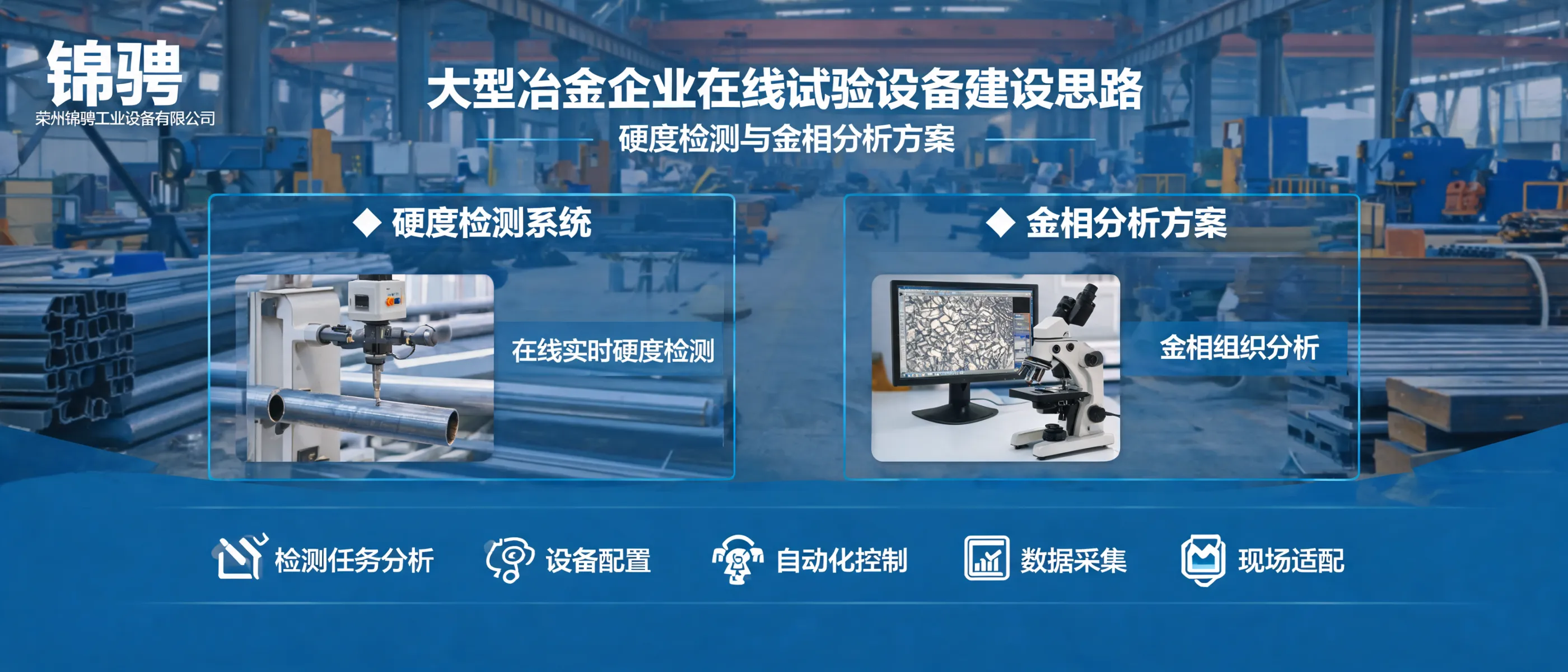
Founded in 2004, Laizhou Jincheng Industrial Equipment Co.,Ltd focuses on metallographic testing and hardness testing, offering complete equipment and consumables solutions. For metallography, we provide both manual sample preparation equipment and computerized preparation solutions designed to support precise preparation and stable lab workflows.
- Solution matching: align equipment choice with your specimen types, throughput expectations, and lab procedure requirements.
- Workflow perspective: consider preparation as part of a broader inspection chain (metallography and hardness testing often coexist in QC environments).
- International business fit: B2B supply experience serving markets such as Russia, Southeast Asia, and Europe.
What to Prepare Before Requesting a Recommendation
To help Laizhou Jincheng suggest the most suitable metallographic sample preparation configuration, it’s useful to confirm the following in advance:
- Your materials and typical specimen geometry (size range, mounting needs, surface condition).
- Target throughput (samples per day/week) and staffing model (single operator vs shared lab).
- Your lab’s procedure discipline (ASTM/ISO-oriented workflows, internal SOPs, documentation expectations).
- Required repeatability level (teaching/basic checks vs QC/R&D precision needs).
- Budget boundaries and whether you prefer stepwise upgrades or a one-time automated build.
A good selection balances accuracy, efficiency, and standards fit—without over-configuring automation that your workflow doesn’t actually need.


Hardness-TesterHVS-1000A-1.jpg?x-oss-process=image/resize,m_fill,h_600,w_600/format,webp)