
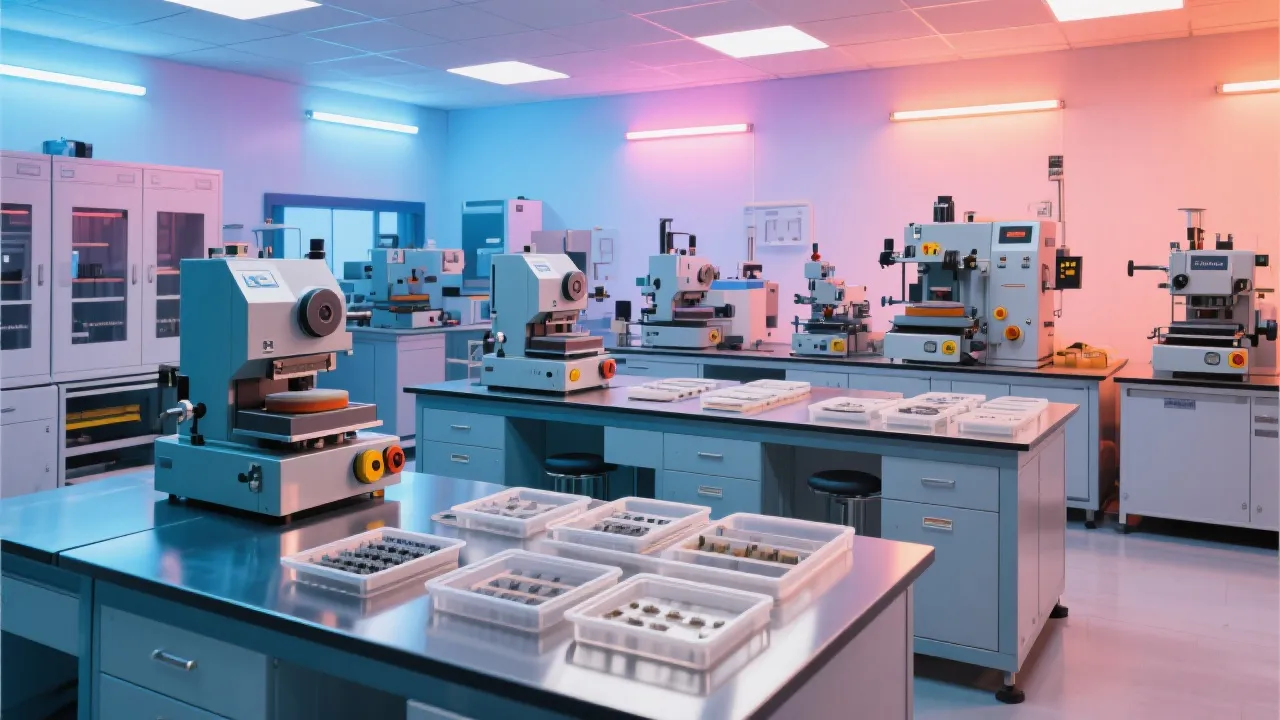
In the field of materials science and metallurgy, the repeatability of metallographic specimens is crucial for accurate experimental results and reliable quality control. However, many laboratories face challenges in achieving consistent results due to improper equipment calibration, lack of standardized operations, and ineffective control measures. This article will introduce three practical techniques to improve the repeatability of metallographic specimens, focusing on standardized fixture fixation, variable speed control adapted to material characteristics, and a regular calibration mechanism.
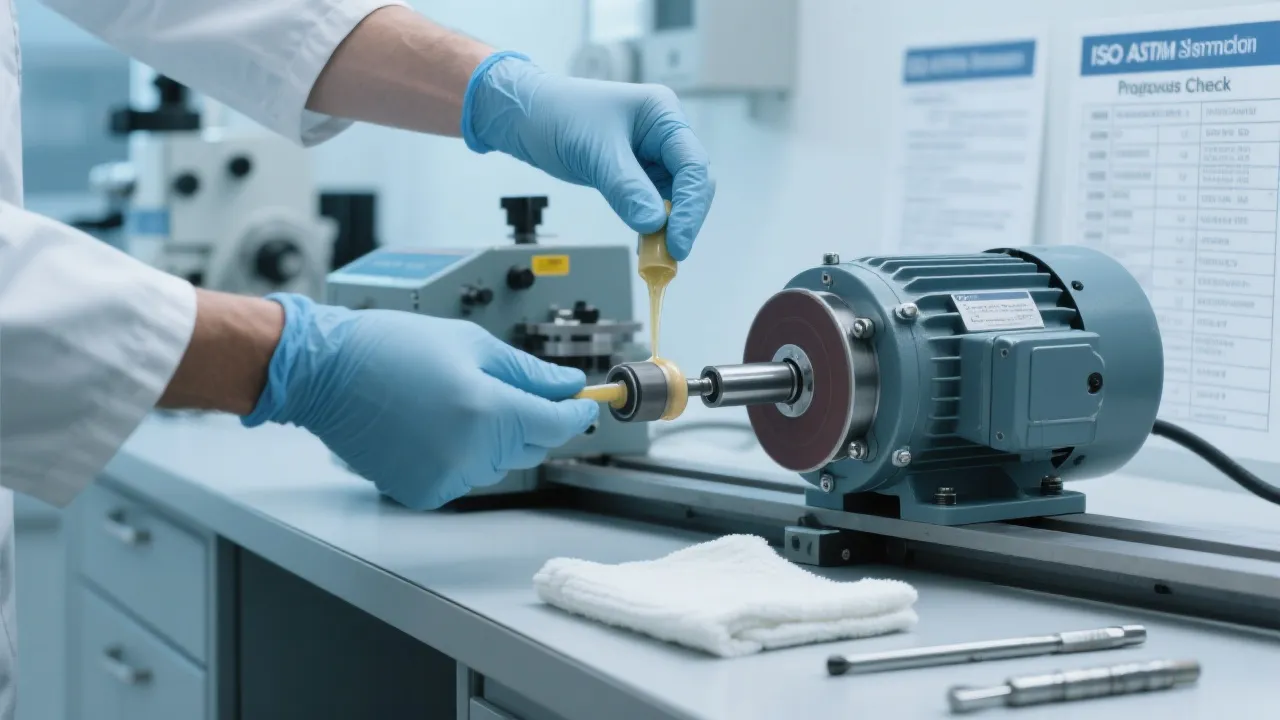
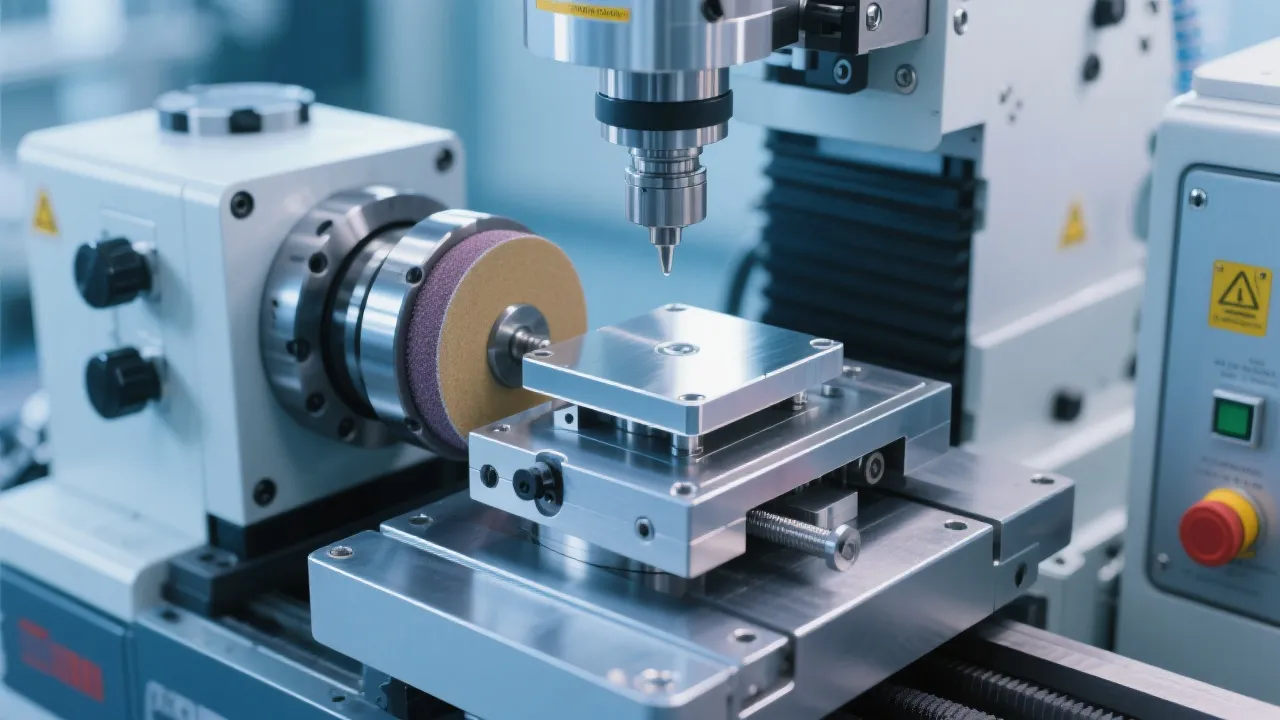
One of the key factors affecting the repeatability of metallographic specimens is the stability of the sample during the grinding and polishing process. Using a standardized fixture to securely hold the sample can significantly reduce the variation caused by sample movement. For example, in metallurgical analysis, a well - designed fixture ensures that the sample remains in the correct position, allowing for uniform abrasion across the surface. This is especially important in applications such as alloy development and quality inspection of metal products.
Common mistakes among beginners include using a single - clamping point or not adjusting the fixture properly for different sample sizes. To address these issues, you should carefully select a fixture that can accommodate a variety of sample shapes and sizes. Additionally, perform regular checks to ensure that the fixture is clean and free of debris, as any contamination can affect the clamping force and sample stability.
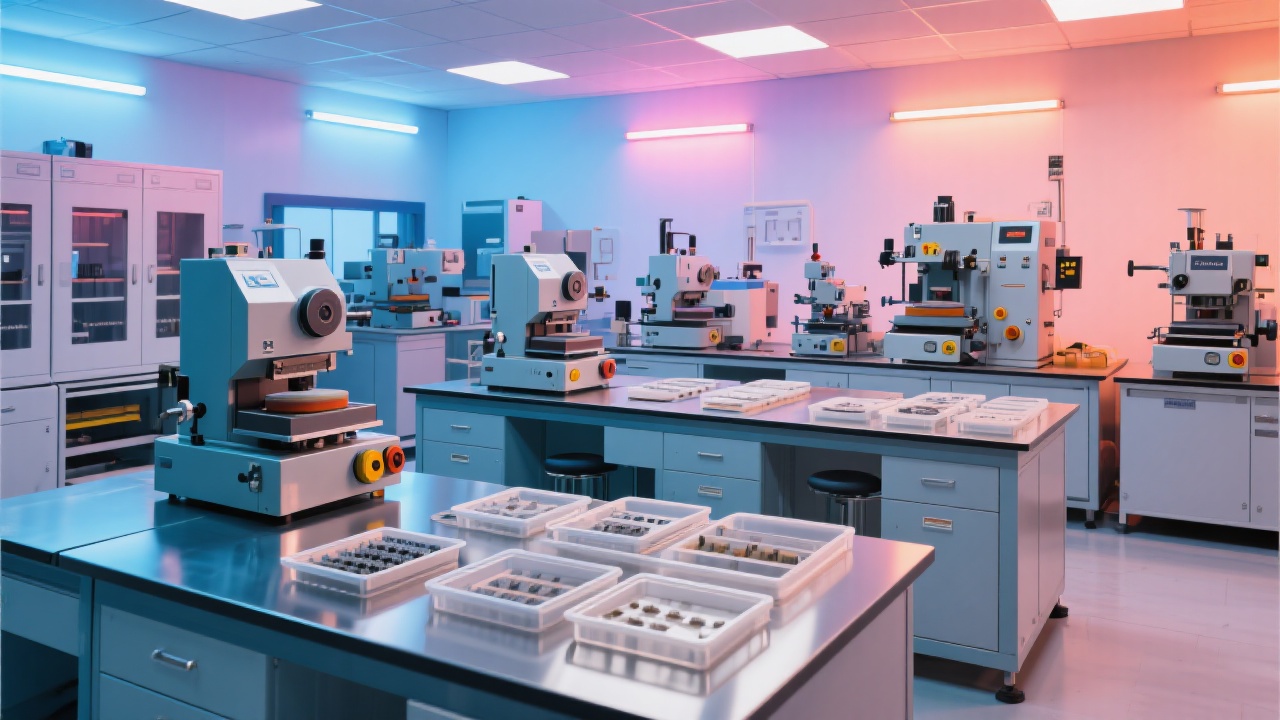
The hardness and ductility of different materials require specific grinding and polishing speeds to achieve optimal results. By adjusting the speed according to the material characteristics, you can minimize surface damage and improve the quality of the specimen. For instance, in the research and development of new materials, such as high - strength alloys or lightweight composites, precise speed control is essential to reveal the true microstructure.
A common error is using a fixed speed for all materials, which can lead to over - grinding or under - polishing. To overcome this, you need to understand the material properties and refer to industry standards. The MP - 2S double - disc manual grinding and polishing machine supports ASTM/ISO standard speed adjustment, allowing you to set the appropriate speed for different materials. This feature not only improves the repeatability of the specimens but also enhances the efficiency of your research and quality control processes.
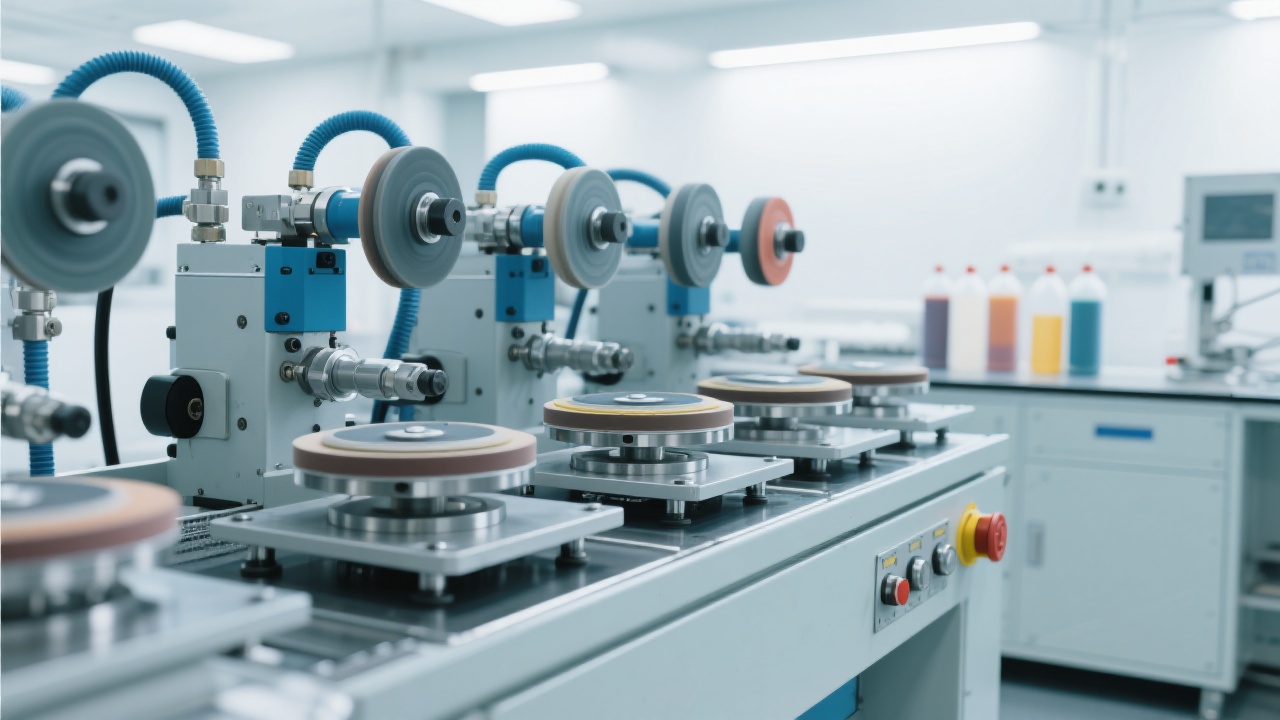
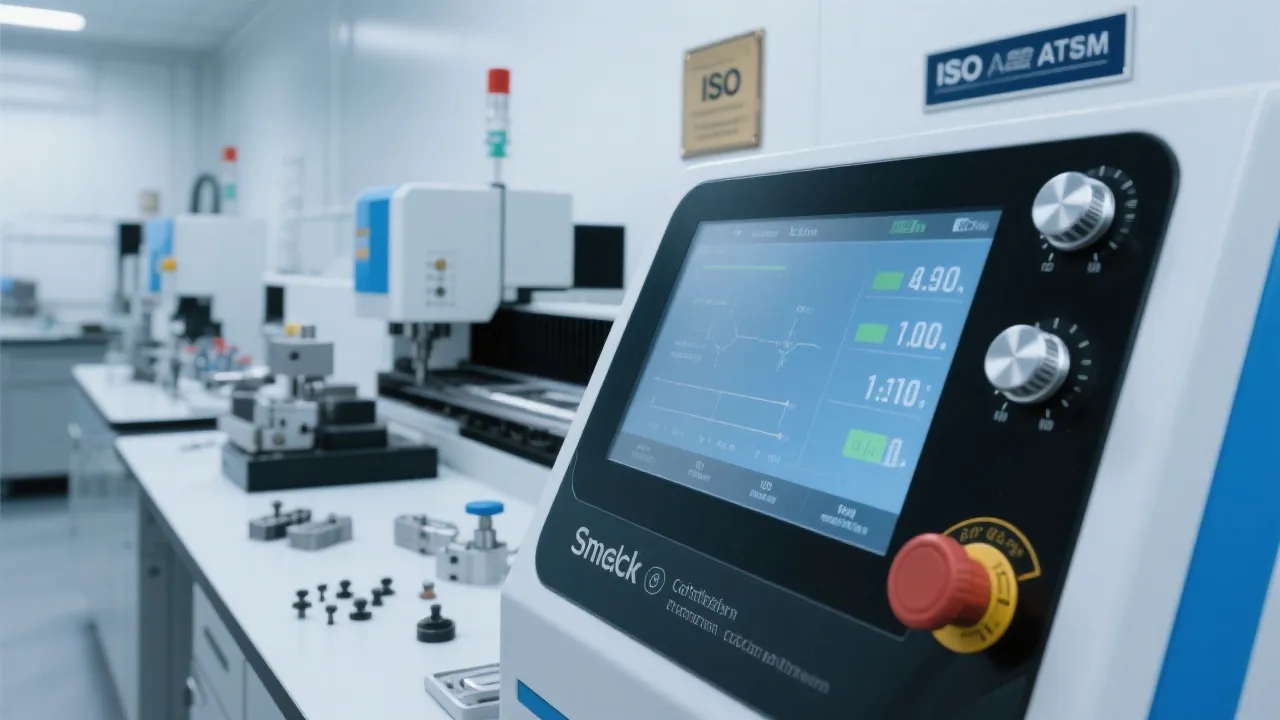
Regular calibration of your grinding and polishing equipment is essential to maintain the accuracy and consistency of your results. A well - calibrated machine ensures that the speed, pressure, and other parameters are within the specified range. In industries such as aerospace and automotive manufacturing, where strict quality control is required, regular calibration is a non - negotiable process.
Many beginners overlook the importance of calibration or perform it irregularly. To improve this situation, you should establish a detailed calibration plan, including the frequency of calibration, the use of standard calibration tools, and the recording of calibration results. The MP - 2S features a stable body structure made of fiberglass - reinforced plastic, which is corrosion - resistant and provides long - term stability, ensuring the effectiveness of calibration over time.
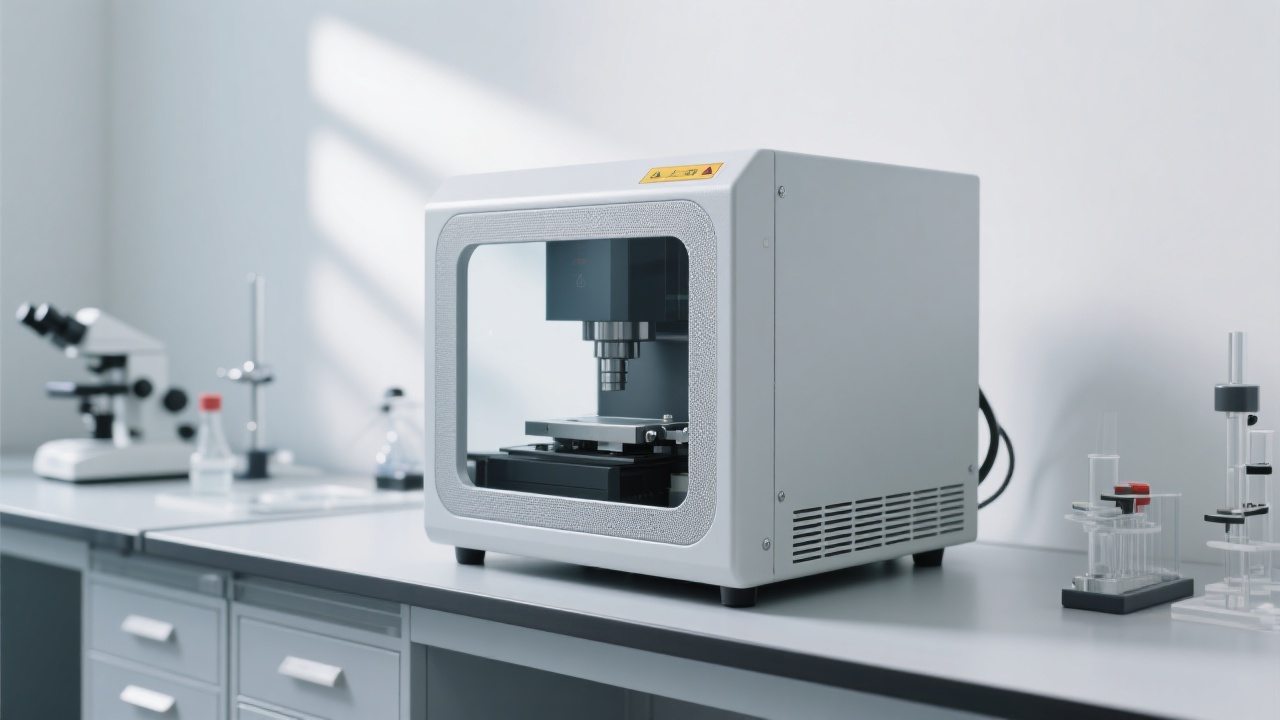
In conclusion, by implementing these three practical techniques - standardized fixture fixation, variable speed control, and a regular calibration mechanism - you can significantly improve the repeatability of your metallographic specimens. The MP - 2S double - disc manual grinding and polishing machine, with its advanced features in precision variable speed control and long - term stability, is an ideal choice for laboratories aiming to enhance the quality of their research and quality control processes.
Are you struggling to achieve consistent results in your metallographic specimen preparation? Discover how the MP - 2S can revolutionize your calibration process and improve your experimental accuracy. Click here to learn more about the MP - 2S and unlock its full potential!
-1.jpg?x-oss-process=image/resize,m_fill,h_600,w_600/format,webp)


Hardness-TesterHV-1000-1.jpg?x-oss-process=image/resize,h_1200,m_lfit/format,webp)



Hardness-Tester7MHVS-1000A-1.jpg?x-oss-process=image/resize,h_1200,m_lfit/format,webp)
Hardness-Tester7MHXZD-1000A-1.jpg?x-oss-process=image/resize,h_1200,m_lfit/format,webp)