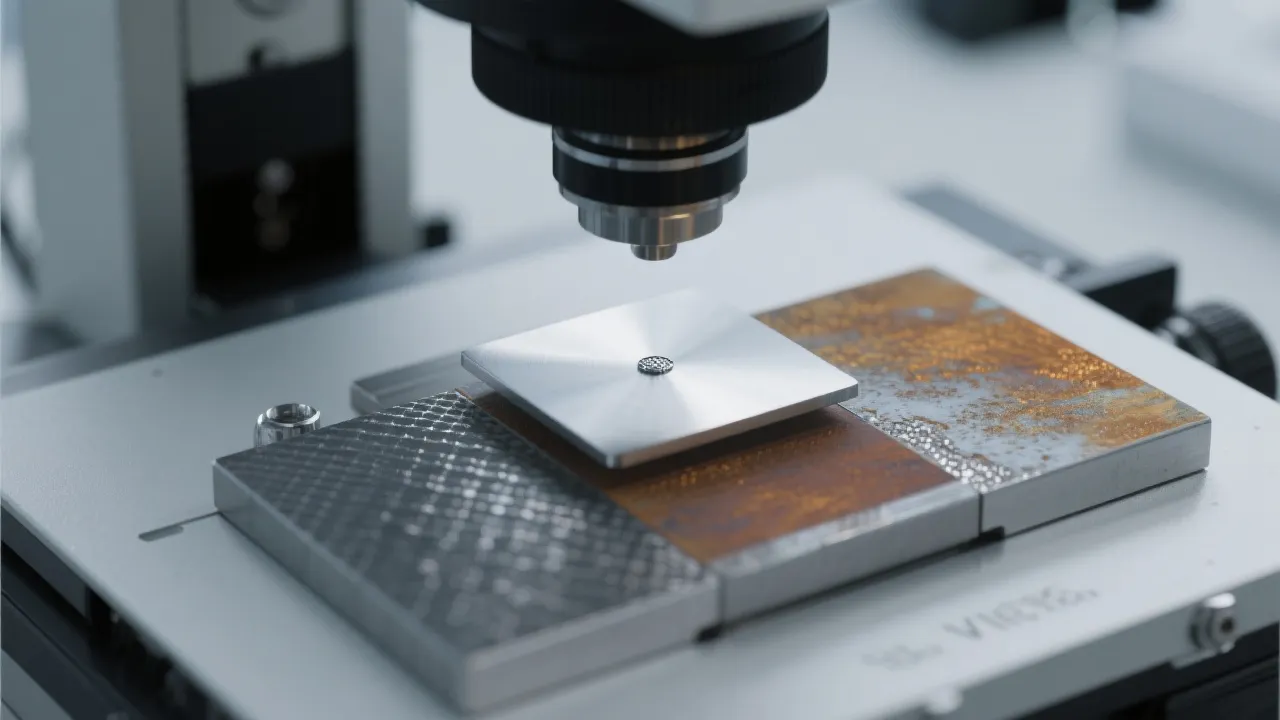
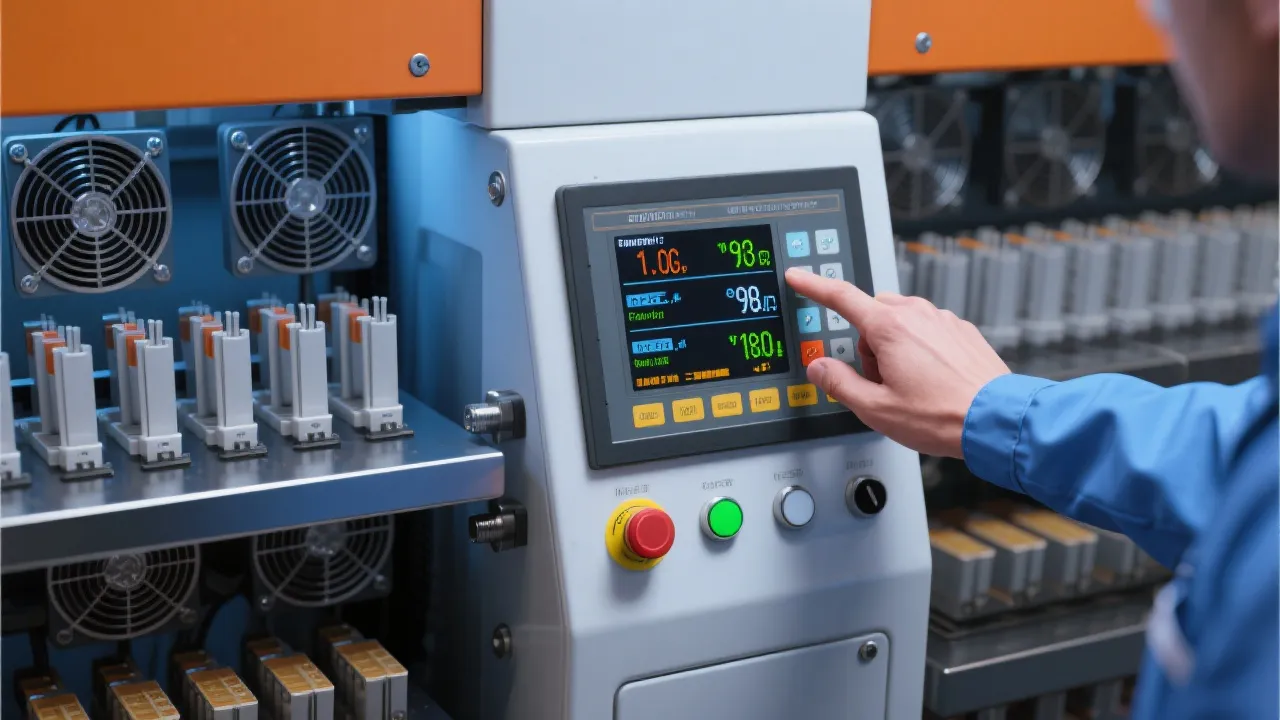
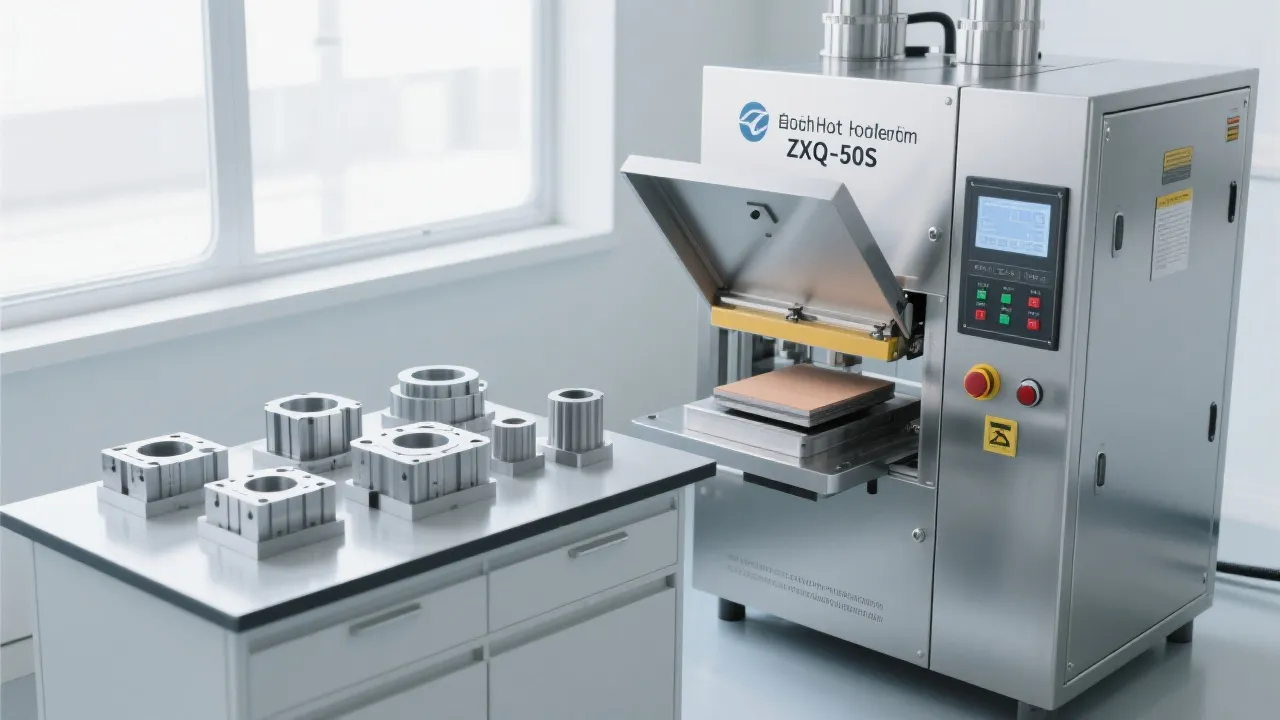
Material evaluation often requires more than a single test result. In practical laboratory and quality control work, metallographic testing and hardness testing are commonly used together to build a clearer understanding of a material’s structure, condition, and performance consistency. This integrated approach supports process verification, incoming inspection, failure analysis, research, and routine quality control across manufacturing and laboratory environments.
Laizhou Jincheng Industrial Equipment Co.,Ltd develops equipment for metallographic analysis and hardness measurement, and this page explains how these methods work as a coordinated workflow. Within that framework, a Vickers micro hardness tester such as the HVS-1000A plays an important role when precise small-load hardness measurement is required for metals, ceramics, and composite materials in laboratory-based analysis.
Metallographic testing helps users observe the internal structure of a specimen, while hardness testing provides a measurable indication of local or overall material resistance to indentation. Used together, they offer a more practical basis for evaluating:
The sample is cut, mounted if needed, ground, polished, and prepared for accurate observation and testing. Preparation quality directly affects both microstructure interpretation and indentation measurement reliability.
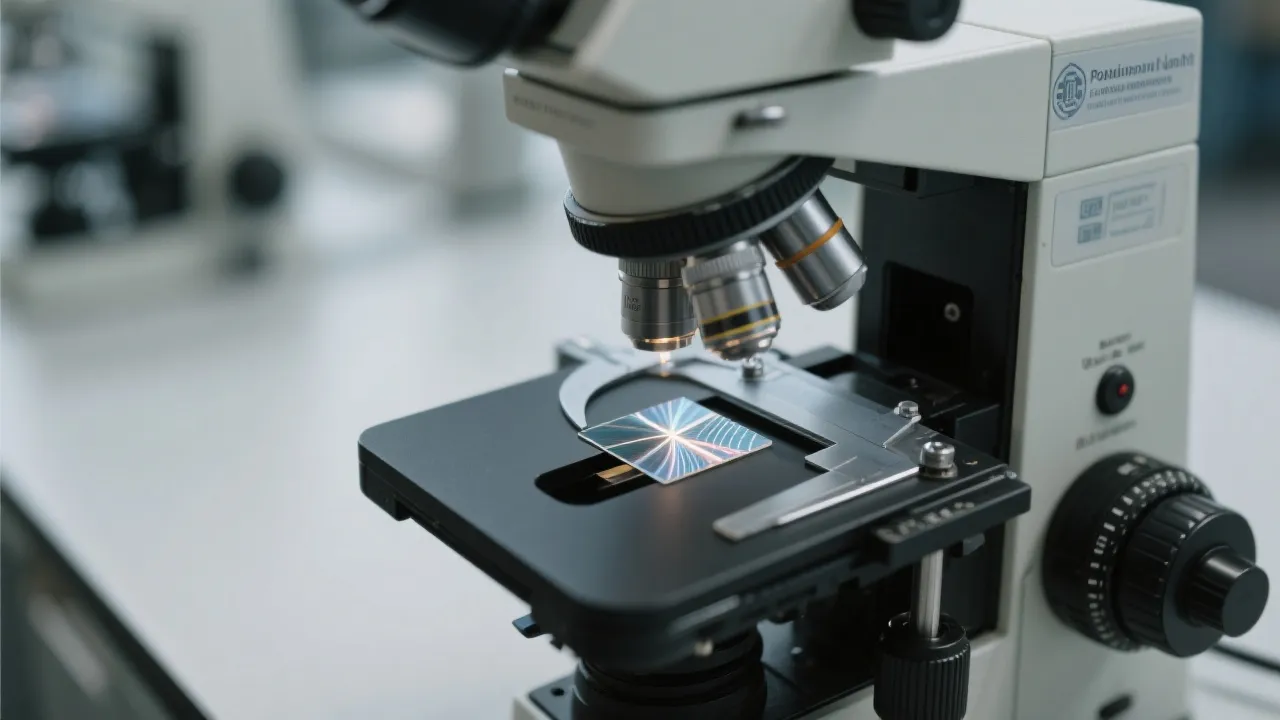
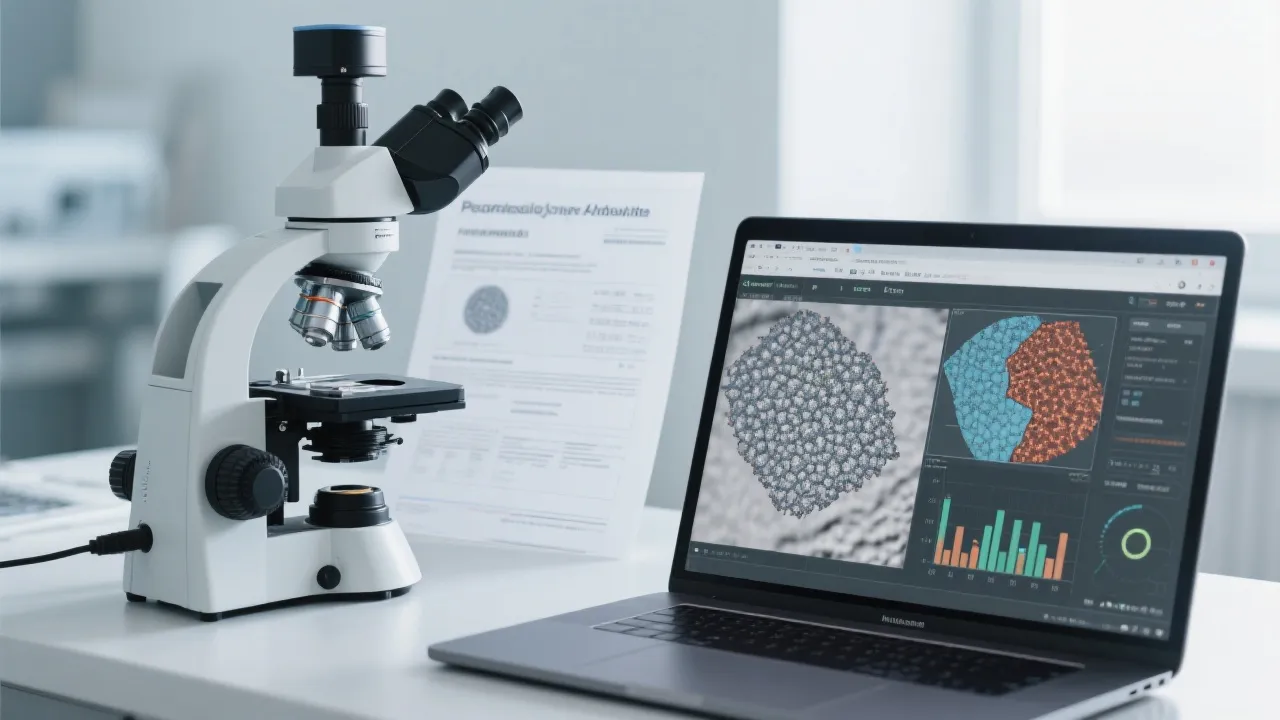
Metallographic examination is used to identify phases, grain characteristics, coating conditions, weld structures, or other visible structural features relevant to the application or production process.
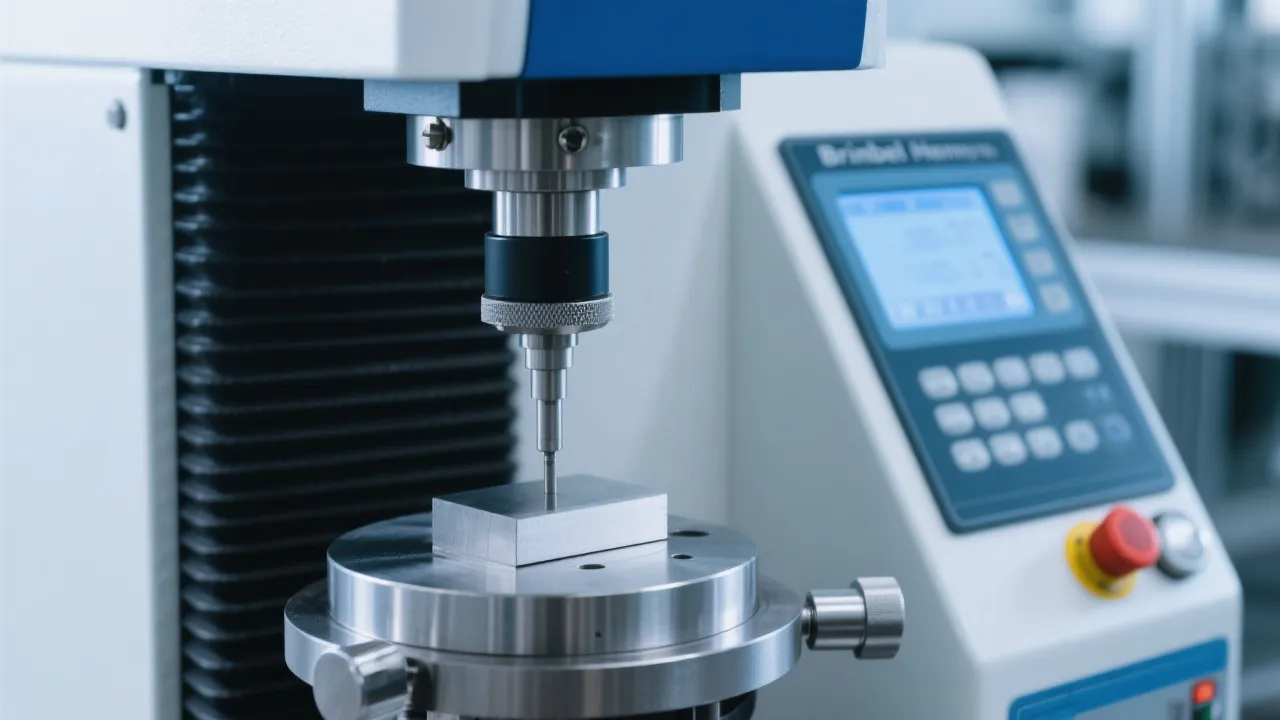
Hardness testing is then performed on selected positions. For fine structures, small zones, or research-oriented tasks, Vickers micro hardness testing is often suitable because it allows controlled low-load indentation.
Results are recorded, compared, and retained for laboratory reporting, process verification, or quality documentation. Standardized data handling helps improve traceability and internal technical communication.
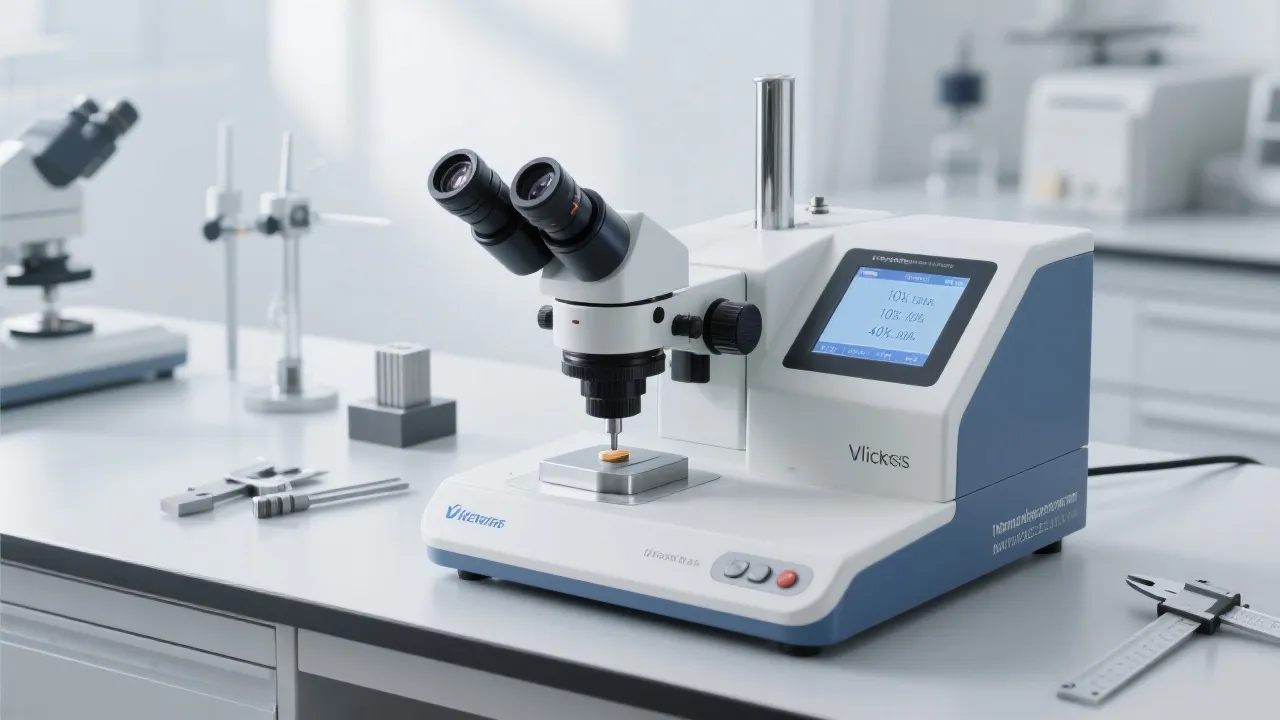
The HVS-1000A Vickers (Micro) Hardness Tester is relevant in integrated laboratory workflows where users need precise hardness measurement under small test loads. According to the product specification provided by Laizhou Jincheng Industrial Equipment Co.,Ltd, this model is designed for universities, research institutions, and third-party testing organizations, and is applicable to the hardness testing of metals, ceramics, and composite materials.
| Item | Relevant Information |
|---|---|
| Product name | HVS-1000A Vickers (Micro) Hardness Tester |
| Testing role | Precise micro hardness measurement within laboratory-based material evaluation workflows |
| Applicable materials | Metals, ceramics, composite materials |
| Test force range | 10 gf to 1 kgf |
| Standards referenced | ISO 6507, ASTM E384, JIS Z2244, GB/T 4340.1 |
| Data handling | RS232 output to computer or direct print output for standardized record keeping and traceability |
In many laboratory situations, the goal is not only to know whether a material is hard or soft, but to understand where hardness changes and how those changes relate to microstructure. This is where a Vickers micro hardness tester becomes especially useful.
The instrument is described as conforming to multiple internationally recognized standards, helping laboratories align testing practice with formal evaluation requirements.
Automatic turret switching supports smoother transitions during testing and can improve operational consistency in repeated laboratory work.
Digital display and data transmission capability support more structured result recording, which is valuable for quality control documentation and research reporting.
The integrated optical and photoelectric measurement design is intended to support accurate indentation observation and strong repeatability for laboratory testing tasks.
Based on the supplied product information, measurement repeatability is stated as better than ±1% under appropriate operating conditions.
An integrated metallographic and hardness testing solution is not limited to one industry. It is commonly relevant wherever material structure and hardness need to be examined together in a controlled and traceable way.
Used for instructional work, sample comparison, and practical understanding of the relationship between microstructure and hardness.
Relevant for new material development, process studies, and comparative laboratory evaluation of material behavior.
Useful when standardized procedures, documented outputs, and traceable hardness records are required.
Supports process verification and assessment of whether observed microstructure and hardness values align with internal technical requirements.
In practice, an integrated metallographic and hardness testing solution generally combines equipment, operating steps, and data output methods rather than relying on a single instrument alone. Depending on application needs, the framework may include:
Within this system logic, the HVS-1000A serves as a dedicated Vickers micro hardness testing component for precise small-load measurement, rather than replacing metallographic preparation or observation steps.
When evaluating a Vickers micro hardness tester as part of an integrated testing workflow, buyers typically focus on the following practical questions:
For organizations that need a clearer link between microstructure observation and measurable hardness values, an integrated metallographic and hardness testing solution provides a practical framework for material evaluation and quality control. In that framework, Laizhou Jincheng Industrial Equipment Co.,Ltd offers equipment relevant to both sides of the workflow, and the HVS-1000A is a focused option for laboratories requiring standardized Vickers micro hardness testing with data output capability and research-oriented measurement precision.
Hardness-TesterHVS-1000A-1.jpg?x-oss-process=image/resize,m_fill,h_600,w_600/format,webp)
Hardness-TesterHVS-5103050A-7.jpg?x-oss-process=image/resize,m_fill,h_600,w_600/format,webp)


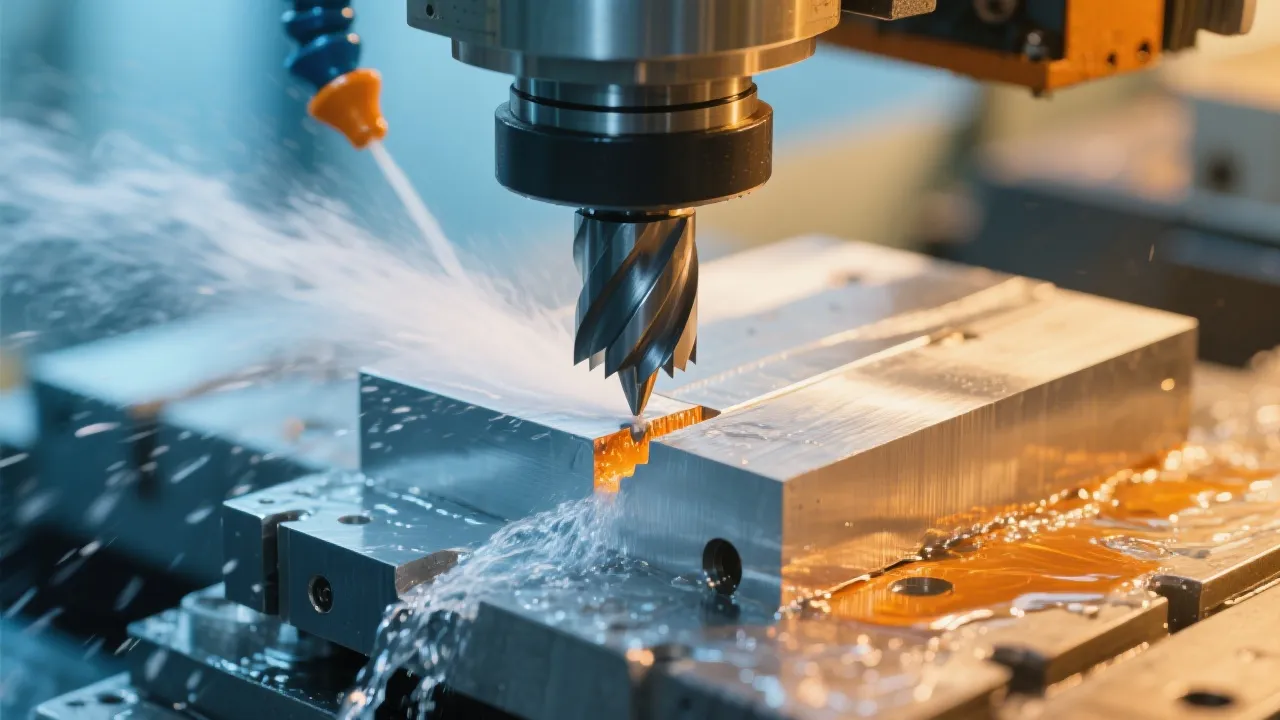



-1.jpg?x-oss-process=image/resize,h_1200,m_lfit/format,webp)