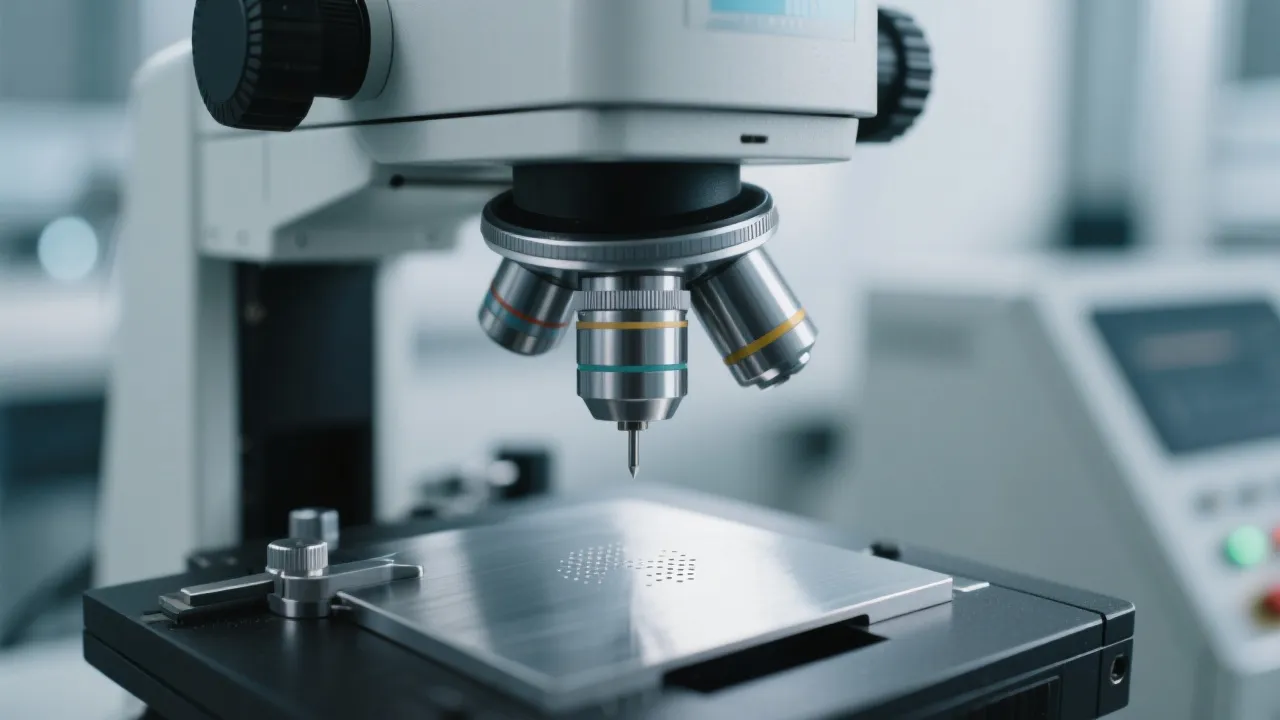
In the aerospace and new energy sectors, non - metallic materials such as composites, ceramics, and plastics are widely used. However, traditional hardness testing methods often face challenges. For example, in a laboratory, researchers conducting hardness tests on ceramic or carbon fiber composites may encounter issues like unclear indentations and poor repeatability. These problems are mainly due to the complex indentation deformation, high requirements for surface flatness, and strong load sensitivity of non - metallic materials, which lead to large data fluctuations and significant human errors.
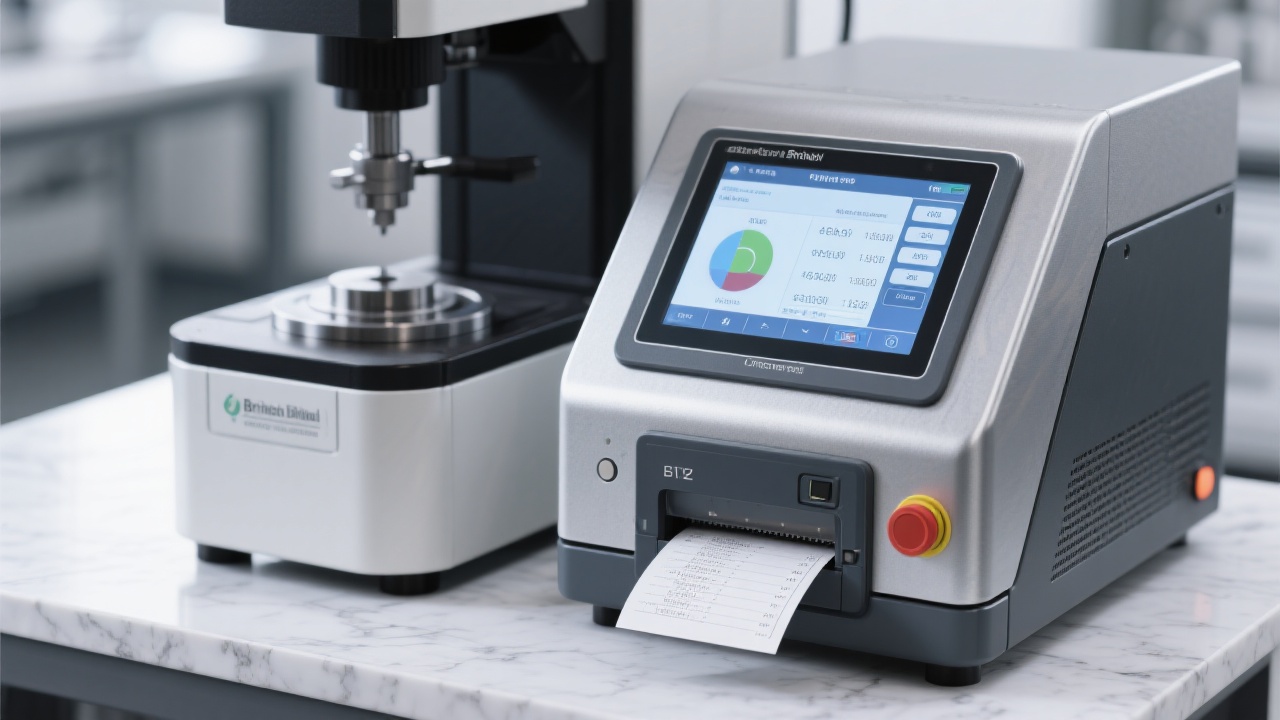
There are three major technical challenges in non - metallic material hardness testing. Firstly, the indentation mechanism is complex. Different from metallic materials, the deformation behavior of non - metallic materials during indentation is more difficult to predict. According to industry research, the error rate in indentation measurement of non - metallic materials can be up to 15% due to the complexity of the indentation mechanism.
Secondly, surface flatness has a significant impact on the test results. Even a small unevenness on the surface of the sample can cause a deviation of up to 10% in the hardness value. Thirdly, load sensitivity affects the stability of the results. Non - metallic materials are more sensitive to load changes, and a slight change in load can lead to a relatively large change in the indentation size.
To address these challenges, international standards such as ISO 6508 and ASTM E18 provide guidelines. When it comes to the choice of indenter type, for materials with high hardness, a diamond ball indenter is recommended, while for softer materials, a Brinell indenter may be more suitable. Regarding loading rate, a general range of 1 - 3 kgf/s is suggested, and the holding time should be adjusted according to the material type, usually between 10 - 30 seconds.
"According to ISO 6508 - 1:2016, the loading rate and holding time should be carefully controlled to ensure the accuracy of the hardness test results."

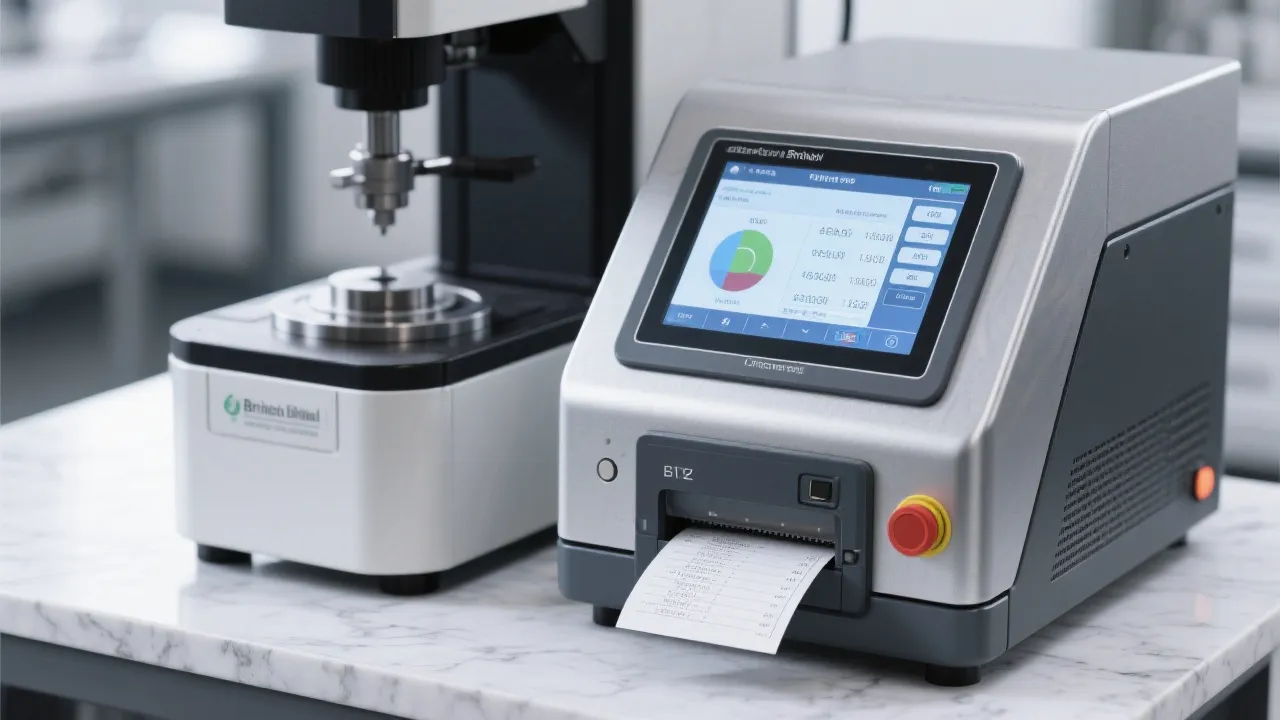
An intelligent hardness testing system can effectively solve the problems of traditional testing methods. It features an automated loading and unloading process, which reduces human - induced errors. For example, in a batch of 100 samples, the intelligent system can reduce the error rate from 15% to less than 5%. Moreover, its multi - point statistical analysis function can provide more comprehensive and accurate data, enhancing the professionalism of test reports.
The intelligent hardness testing system has a wide range of applications. It can be used for heat treatment process verification, new material research and development, and mass - production quality control. In the new material R & D process, it can help researchers quickly obtain accurate hardness data, accelerating the R & D cycle by up to 30%.
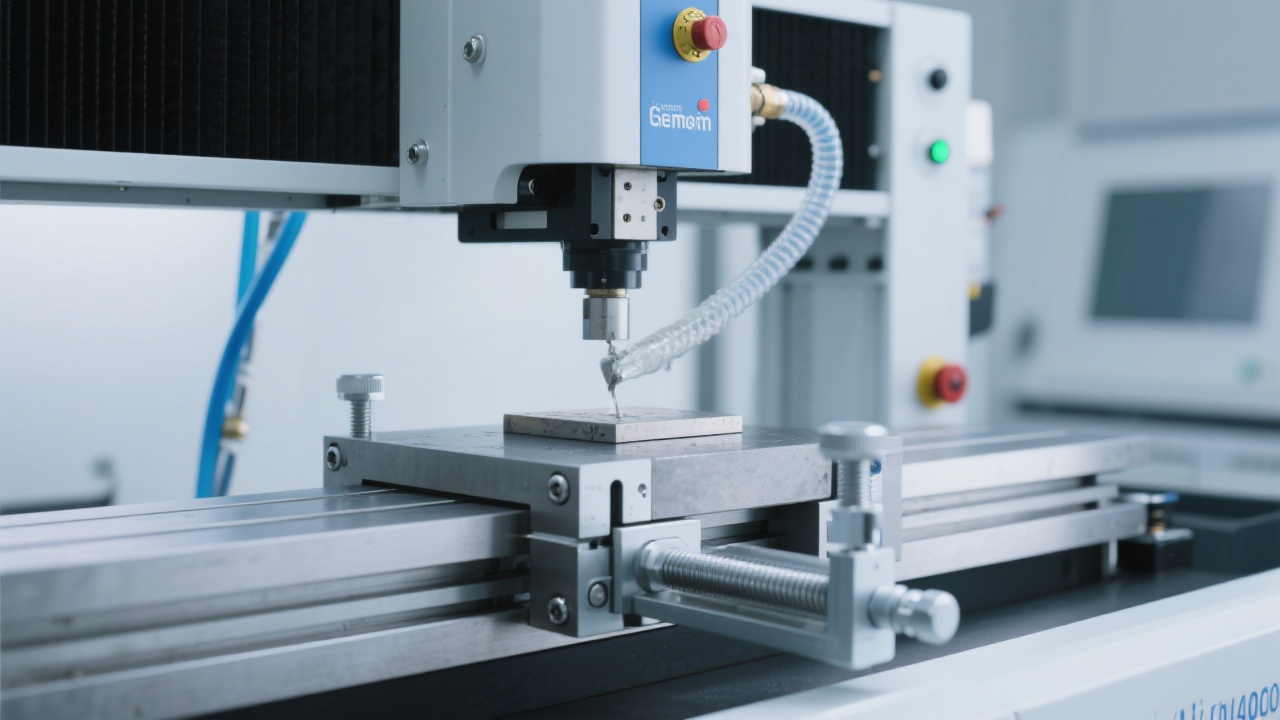
If you are looking to improve the efficiency and accuracy of your non - metallic material hardness testing, our intelligent hardness testing system is the ideal choice. To learn more about the Rockwell test parameter configuration guide suitable for your material type, please visit our technical documentation center.


-1.jpg?x-oss-process=image/resize,h_1200,m_lfit/format,webp)

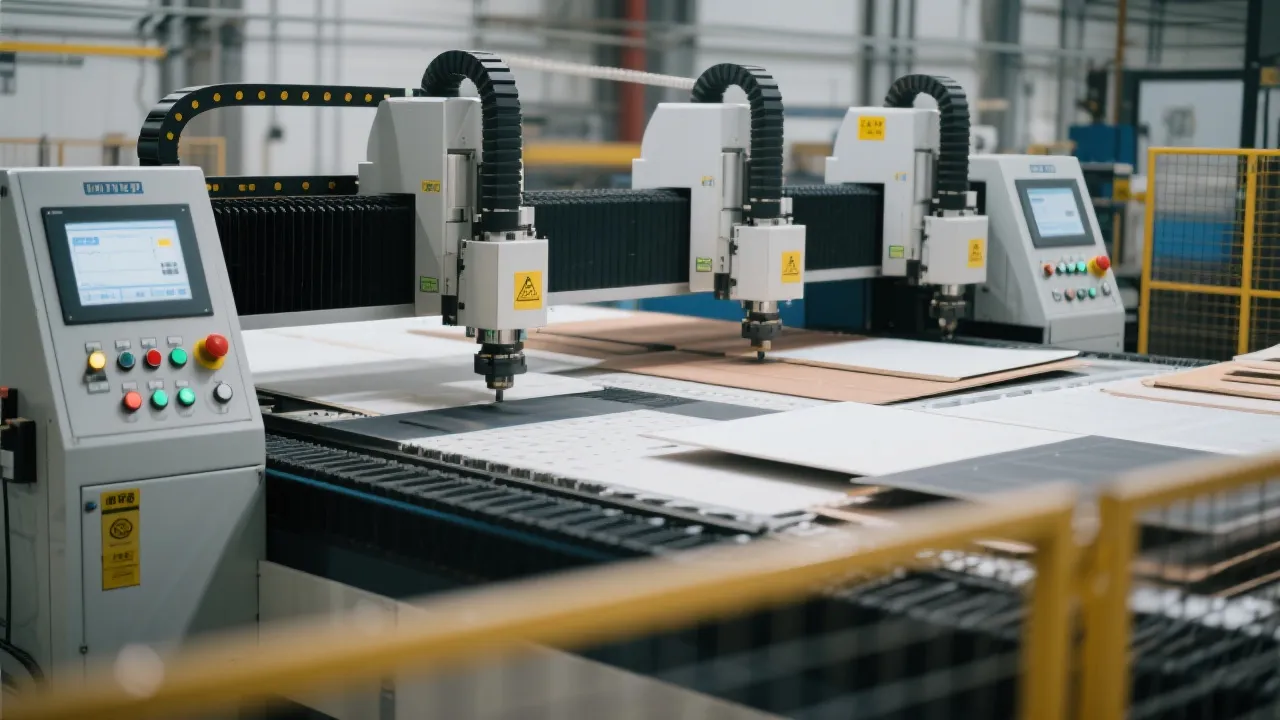

Hardness-TesterHV-1000-1.jpg?x-oss-process=image/resize,h_1200,m_lfit/format,webp)

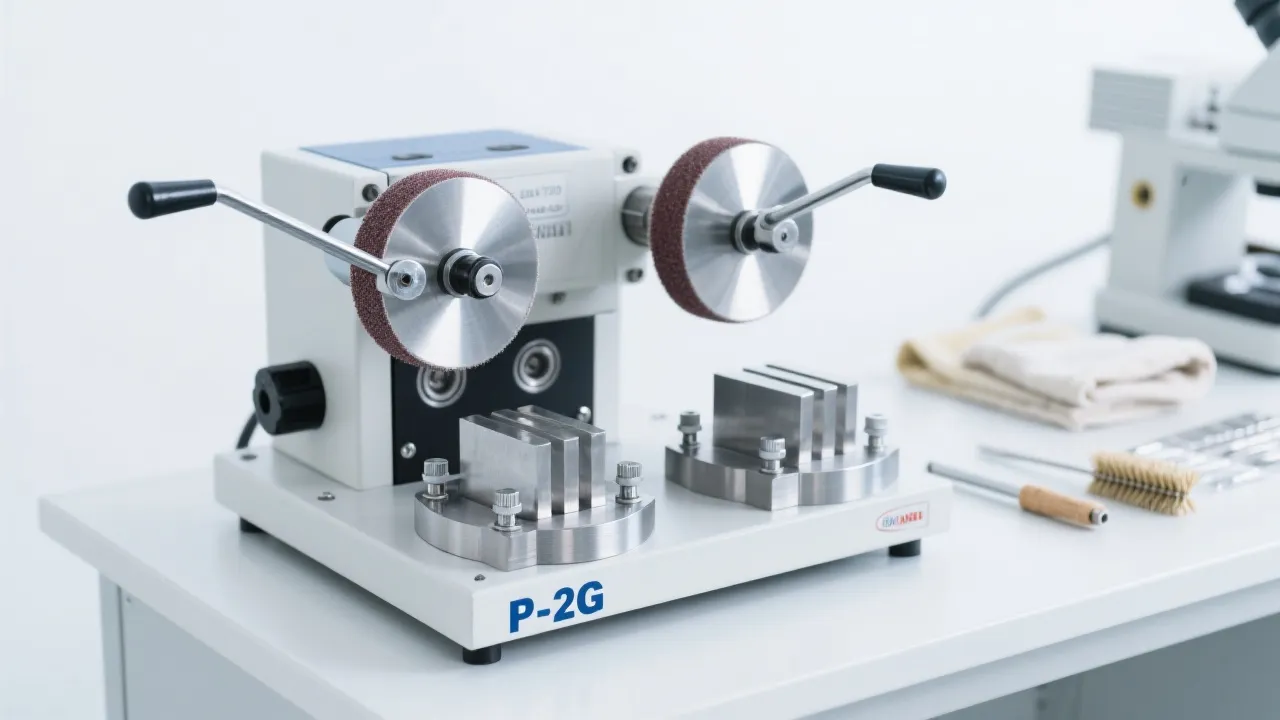
Hardness-Tester7MHVS-1000A-1.jpg?x-oss-process=image/resize,h_1200,m_lfit/format,webp)