
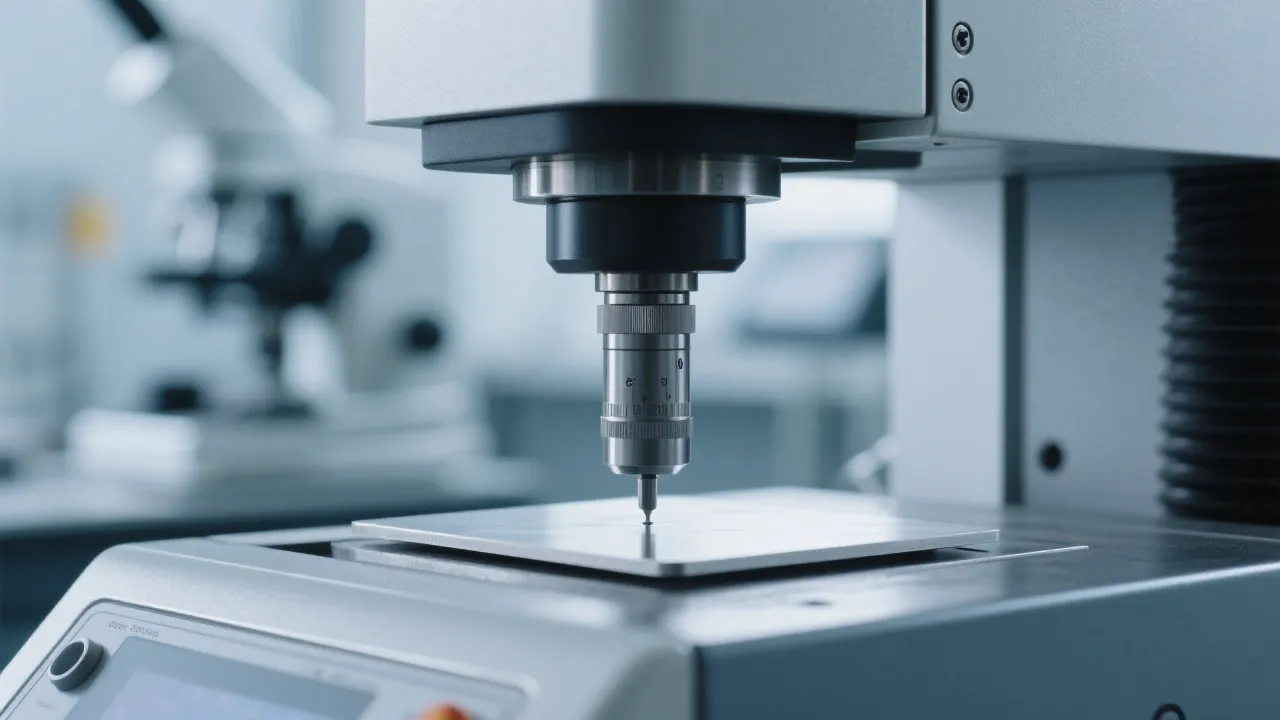
In today's era of rapid technological advancement, laboratory informatization upgrade has become an inevitable trend for universities, research institutes, and third - party testing institutions. Microhardness test is a crucial part in materials science and quality control, and the traceability management of its test data plays a significant role in ensuring the accuracy and credibility of scientific research. This article will introduce five key steps for traceability management of microhardness test data, aiming to provide practical guidance for laboratory digital transformation.
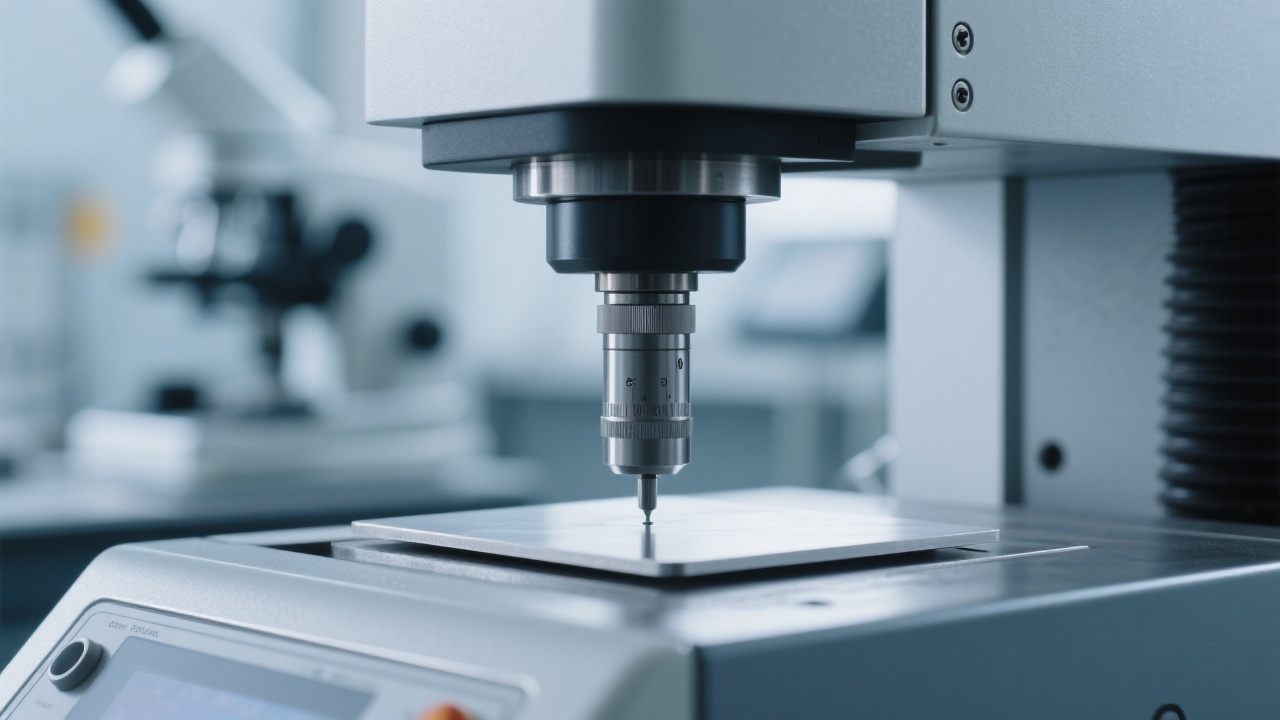
Modern hardness testing equipment is often equipped with an RS232 interface. This interface has many technical advantages in data transmission. Firstly, it has a wide range of compatibility and can be connected to various computers and laboratory information management systems (LIMS). Secondly, it supports stable and reliable data transmission, ensuring that the microhardness test data can be accurately sent from the hardness tester to the computer and then to the LIMS system. For example, in a high - precision research project, the RS232 interface can reduce the data transmission error rate to less than 1%, effectively improving the test efficiency and accuracy.
Understanding the fully integrated path of data from the equipment to the computer and then to the LIMS system is the key to achieving data traceability management. The microhardness tester collects test data and sends it to the computer through the RS232 interface. The computer processes and stores the data, and then uploads it to the LIMS system. In this process, each link requires strict data security and accuracy control. For example, by setting up a firewall and data encryption on the computer, the security of data transmission can be ensured.
Data standardization, such as exporting data in CSV or Excel format, is essential for scientific research credibility. Standardized data can be easily shared and analyzed, improving the efficiency of scientific research collaboration. At the same time, establishing an outlier identification mechanism can effectively remove abnormal data, ensuring the reliability of test results. According to relevant research, the use of standardized data and outlier identification mechanisms can increase the accuracy of scientific research results by about 20%.
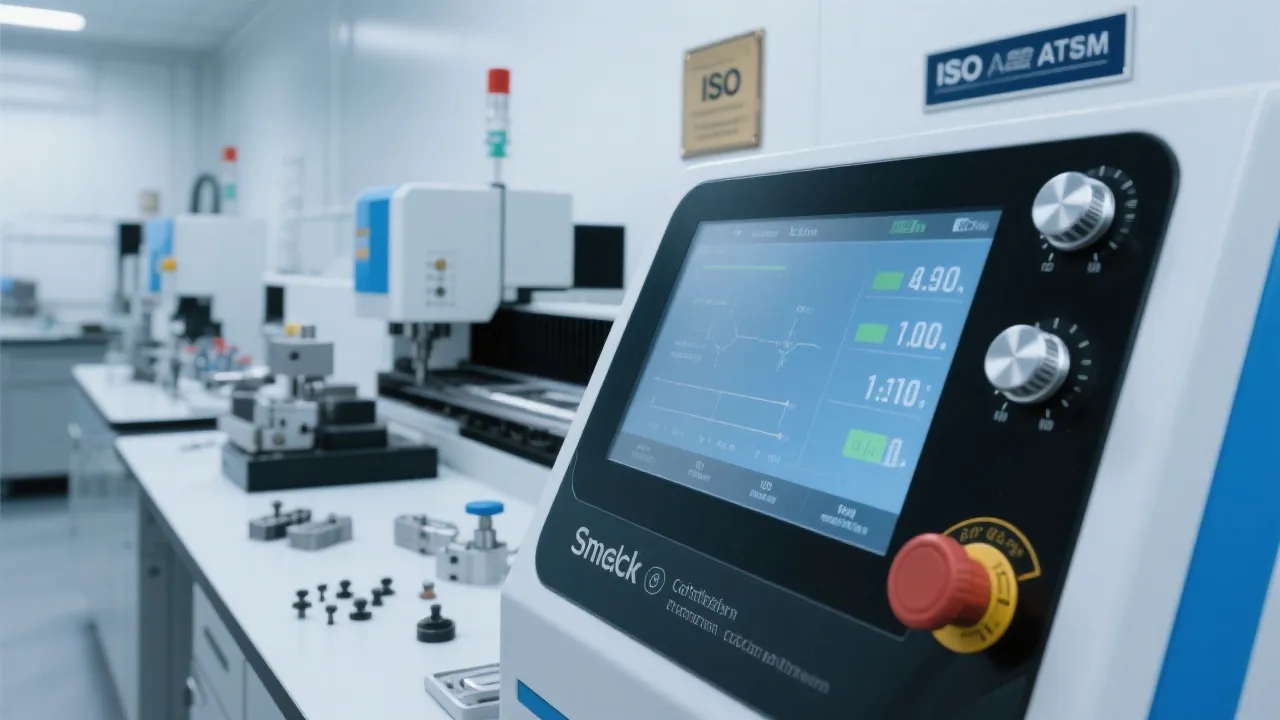
ISO 6507 or ASTM E384 standards provide clear regulations on microhardness testing, which can be used as important references for data management and analysis in laboratories.
To ensure data security and accountability, a reasonable multi - user permission configuration scheme should be established. Different users have different operation permissions, such as data viewing, modification, and deletion. For example, laboratory administrators can have full - scale operation permissions, while ordinary researchers may only have data viewing permissions. This can effectively prevent unauthorized data modification and ensure the integrity and traceability of data.
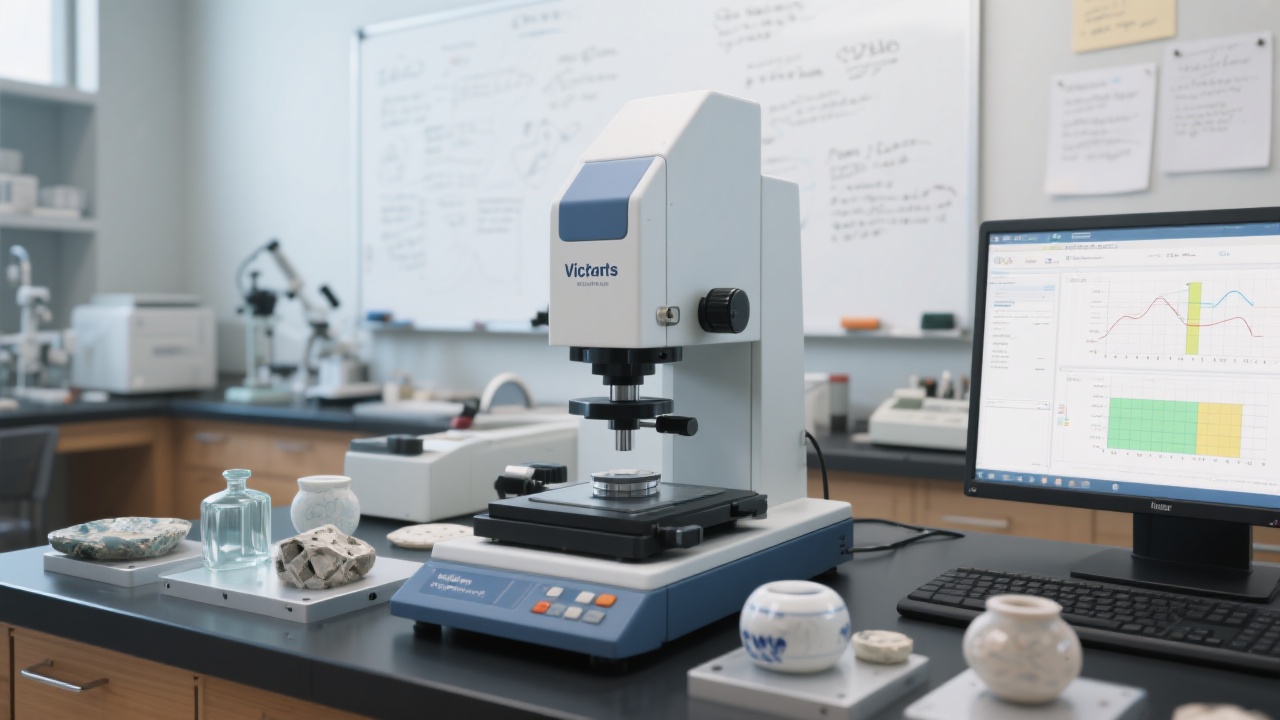
Let's take a third - party testing institution as an example. After implementing the above data traceability management steps, the institution has significantly improved its efficiency and collaboration. The time for report generation has been reduced by about 30%, and the accuracy of test results has been improved. At the same time, the institution has better met the audit requirements of relevant regulatory authorities, enhancing its market competitiveness.
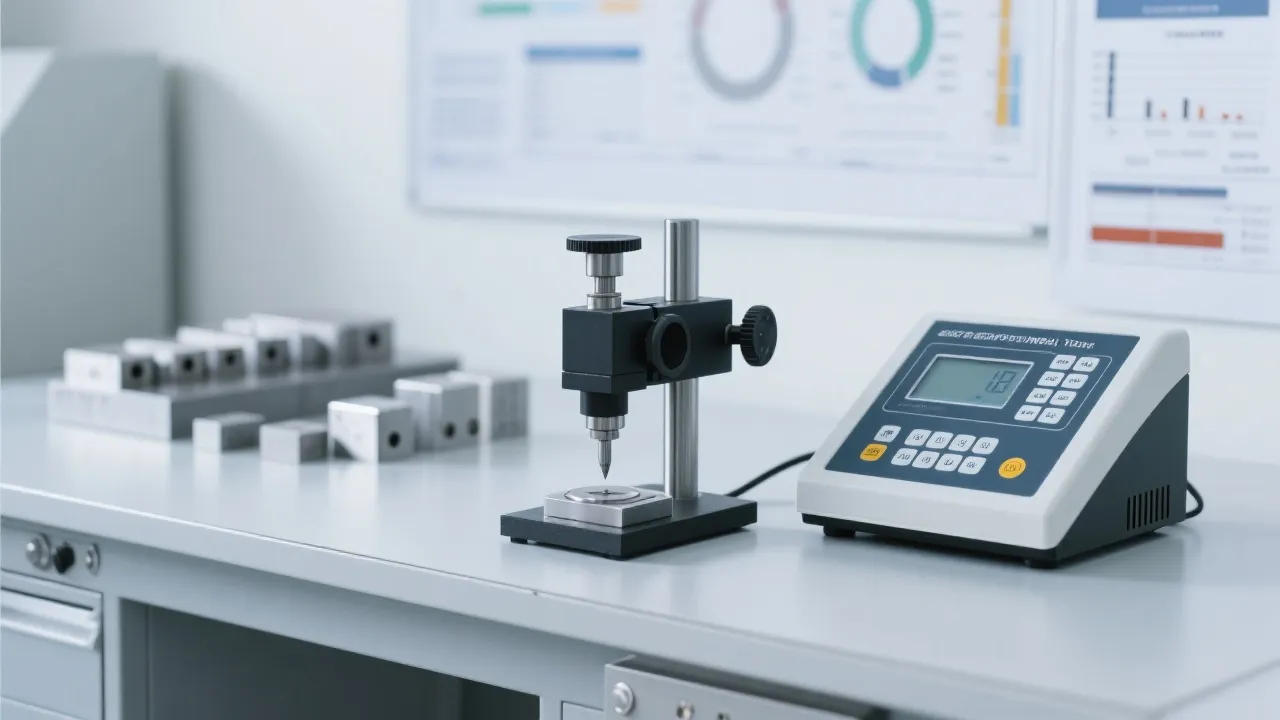
In conclusion, the HVS - 1000A microhardness tester is an ideal hardware solution for the above digital management system. It is fully compatible with the RS232 interface and can achieve seamless integration with the LIMS system. If you are in the process of laboratory digital transformation, don't miss this high - precision device that meets your laboratory informatization needs. Click here to learn more about HVS - 1000A microhardness tester








-1.jpg?x-oss-process=image/resize,h_1200,m_lfit/format,webp)




Hardness-TesterHVS-1000A-1.jpg?x-oss-process=image/resize,h_1200,m_lfit/format,webp)
