Accurate material testing is the cornerstone of product reliability and safety across industries. When it comes to flexural testing of metals and non-metals, even minor procedural errors can lead to misleading results, costing your laboratory time, resources, and credibility. In fact, industry studies show that approximately 23% of test data discrepancies can be attributed to improper testing techniques rather than material inconsistencies.
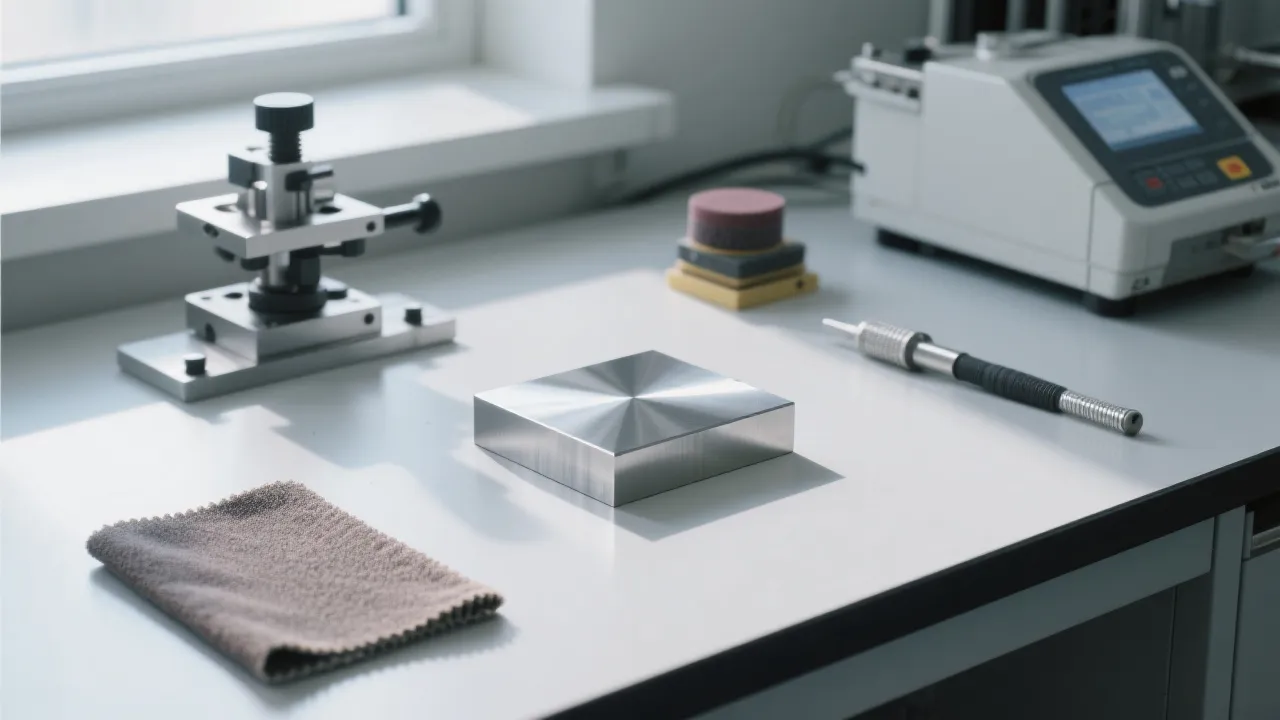
The journey to reliable flexural test data begins long before the specimen touches the testing machine. Improperly prepared samples introduce variables that compromise results. A recent survey of materials testing laboratories found that 38% of failed bend tests could be traced back to inadequate specimen preparation.
Key preparation steps include ensuring precise dimensions (±0.02mm tolerance for critical dimensions), proper surface finish (Ra ≤ 1.6μm for metallic specimens), and elimination of residual stresses through controlled annealing when necessary. For non-metallic materials like composites or polymers,特别注意避免 micro-cracks during cutting, as these can propagate during testing and lead to premature failure.
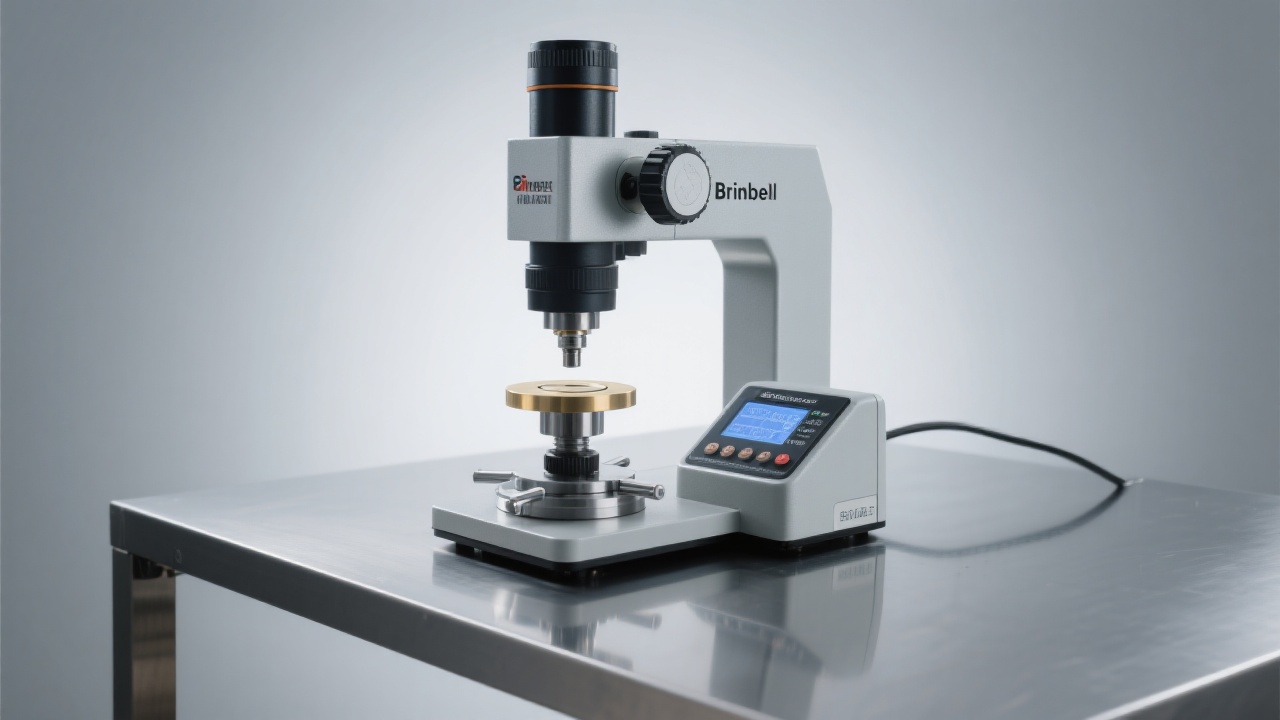
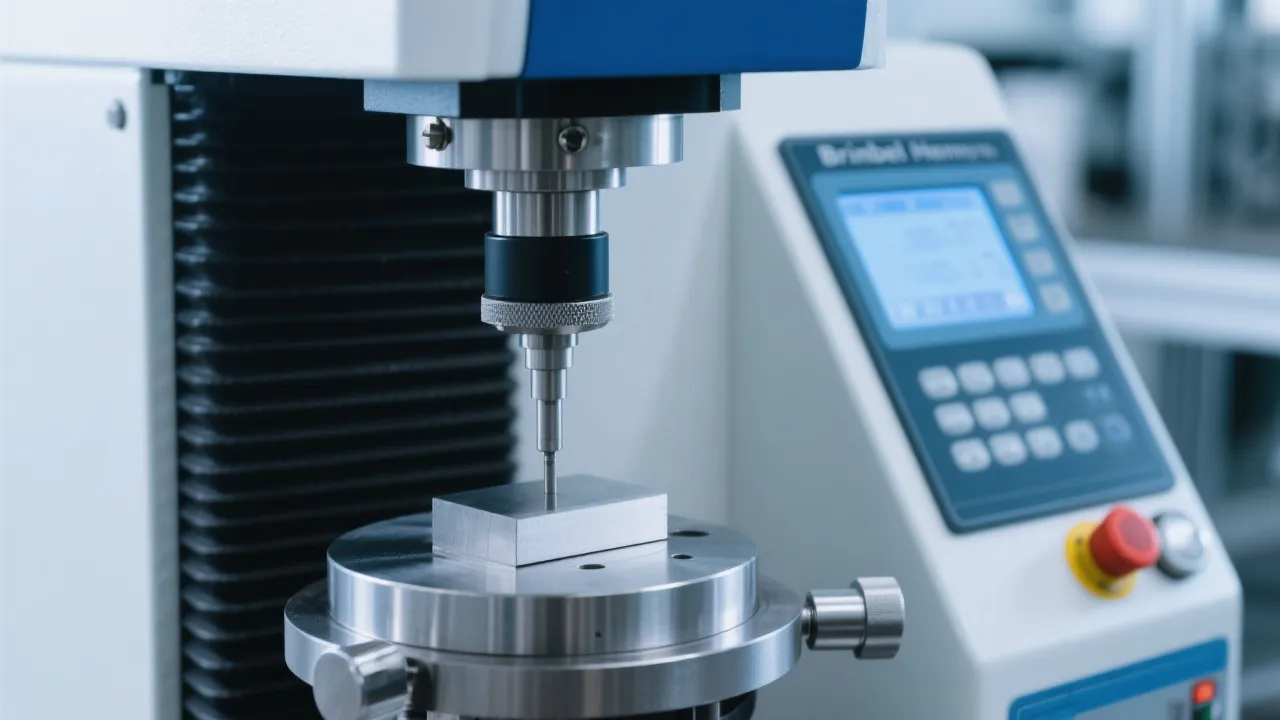
Misalignment of fixtures by just 0.5° can introduce a 7-10% error in flexural strength measurements, according to research published in the Journal of Materials Testing. The selection of appropriate fixtures depends on both material characteristics and test standards.
For brittle materials like ceramics, rounded loading noses with diameters of 5-10mm are recommended to prevent stress concentration, while flat loading surfaces work best for ductile metals. The UTM-100KNM features quick-change fixture mounting with automatic alignment verification, reducing setup time by up to 40% while ensuring compliance with ISO requirements.
Loading rate significantly impacts flexural test results, yet it's often overlooked. Most materials exhibit strain-rate sensitivity, meaning faster loading rates typically result in higher measured strength values. For example, polymeric materials can show up to 15% increase in flexural modulus when tested at 10mm/min compared to 1mm/min.
ISO 14122 provides specific loading rate guidelines based on material type and expected behavior. The UTM-100KNM offers precise rate control from 0.001 to 500mm/min with less than ±0.5% deviation, ensuring consistent results across multiple operators and test batches.
Modern testing machines generate detailed load-deformation curves, but interpreting these curves requires expertise. Key features to analyze include proportional limit, yield point, maximum load, and failure mode. For composite materials, the area under the curve provides valuable insights into toughness and energy absorption capabilities.
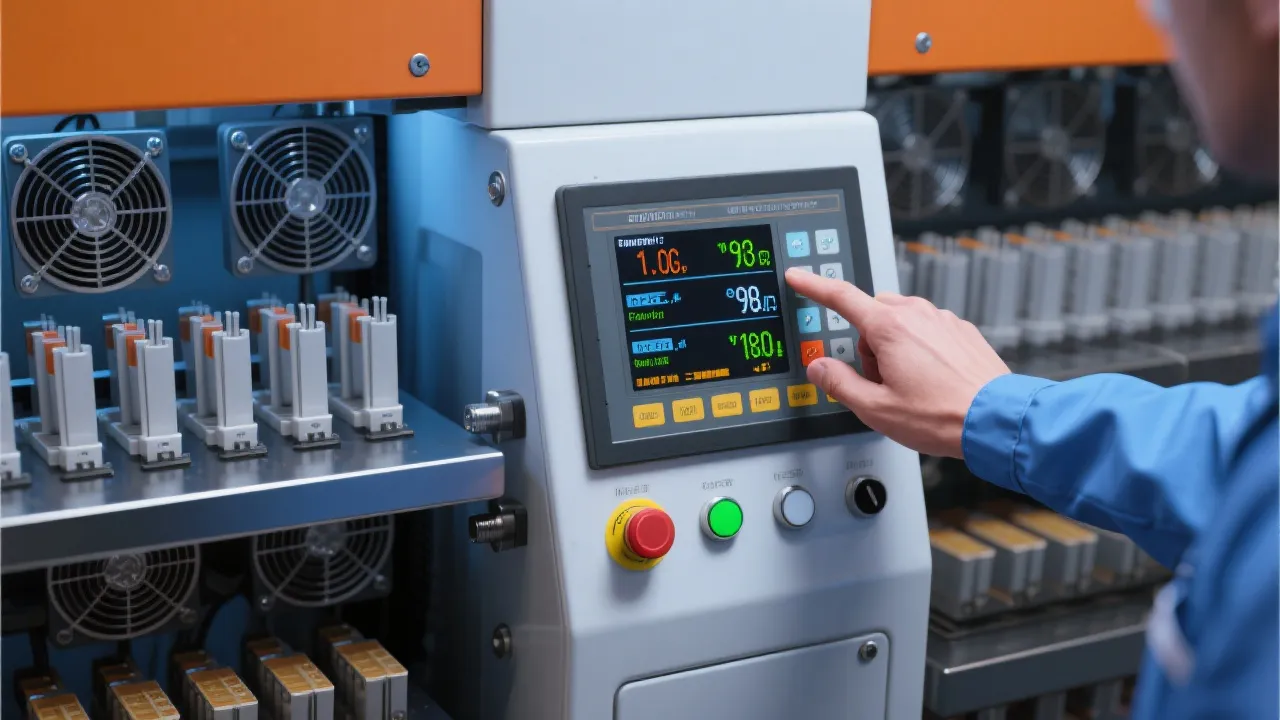
The UTM-100KNM's advanced software includes automated curve analysis tools that identify critical points with 98.7% accuracy compared to manual analysis, reducing subjectivity and ensuring consistent interpretation across different operators.
Cause: Improper span-to-thickness ratio or inadequate specimen seating
Solution: Adjust span according to material thickness (typically 16:1 for plastics per ISO 178), ensure specimen is centered, and verify fixture alignment. The UTM-100KNM's laser alignment system helps prevent this issue by providing visual confirmation of specimen positioning.
Cause: Loose fixturing, insufficient preload, or environmental vibrations
Solution: Check fixture tightening torque, apply appropriate preload (5-10% of expected maximum load), and ensure the testing area is free from vibration sources. The UTM-100KNM's integrated vibration damping system reduces environmental interference by up to 80%.
Cause: Incorrect loading rate, temperature fluctuations, or material anisotropy
Solution: Verify loading rate against standard requirements, maintain test environment at 23±2°C, and ensure specimens are oriented consistently relative to material grain or fiber direction.
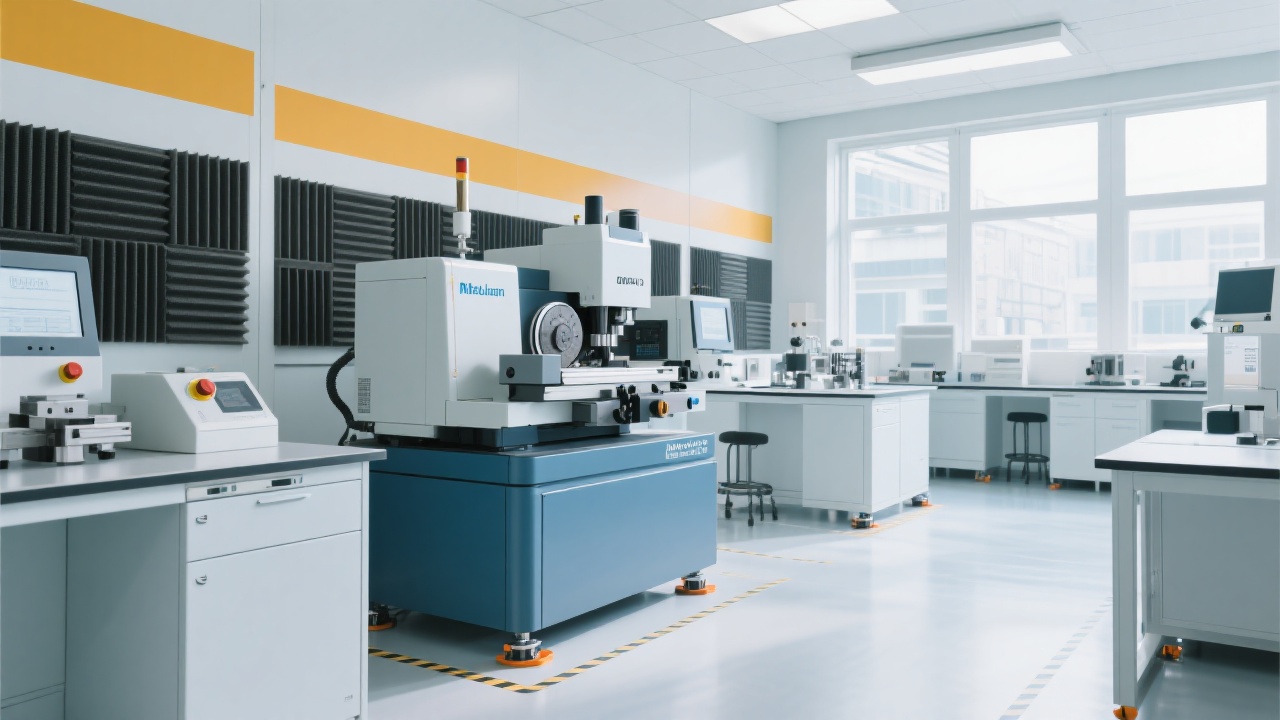
Consistency in flexural testing requires a combination of proper technique, appropriate equipment, and regular calibration. A study by the National Institute of Standards and Technology (NIST) found that laboratories using properly calibrated equipment with documented procedures achieved test result consistency within ±2% for identical specimens, compared to ±8% for laboratories without such controls.
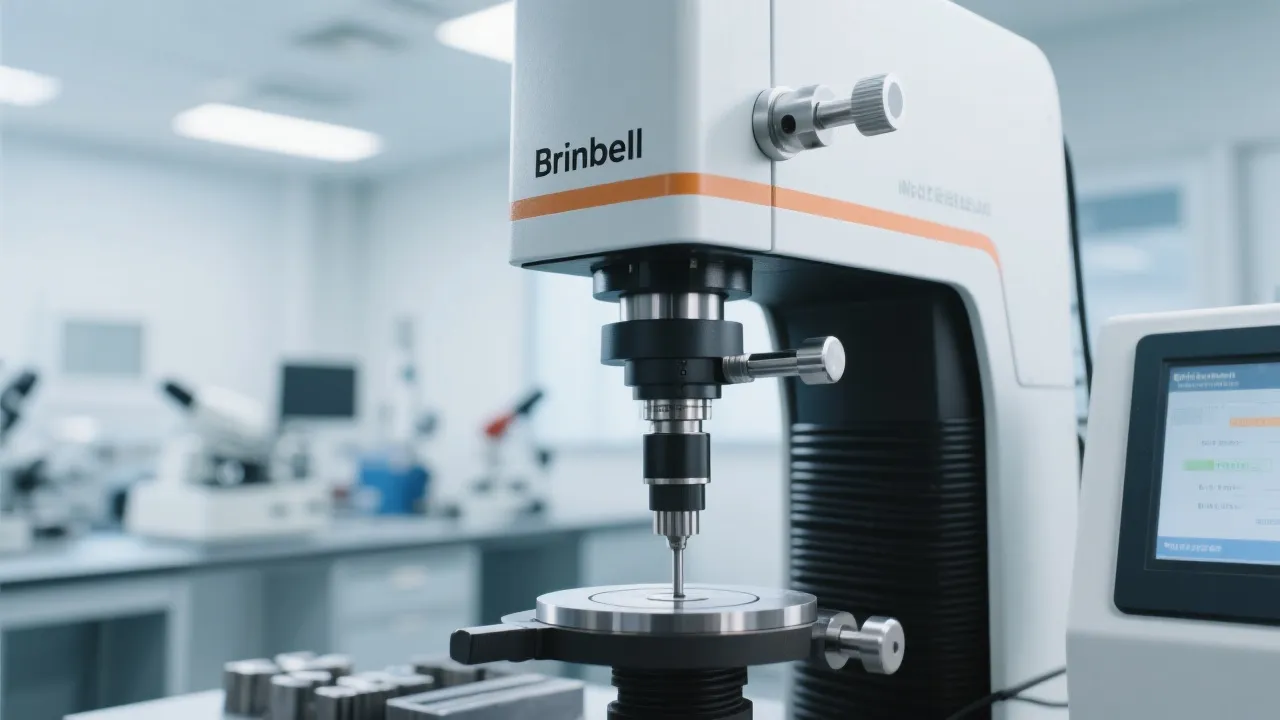
The UTM-100KNM incorporates advanced features that simplify compliance with ISO 14122 and other international standards. Its auto-calibration function ensures measurement accuracy with minimal operator intervention, while the integrated test method library provides pre-configured standard procedures, reducing the risk of human error.
Experience the precision and reliability of the UTM-100KNM in your laboratory. Our clients report a 35% reduction in retesting rates and 28% improvement in data consistency after implementing our testing solutions.
Request a Free Testing ConsultationWhat challenges have you encountered in flexural testing of metal or non-metal materials? Share your experiences and solutions in the comments below. Have you implemented specific techniques that improved your test data reliability? We'd love to hear your insights!


Hardness-TesterHV-1000-1.jpg?x-oss-process=image/resize,h_1200,m_lfit/format,webp)