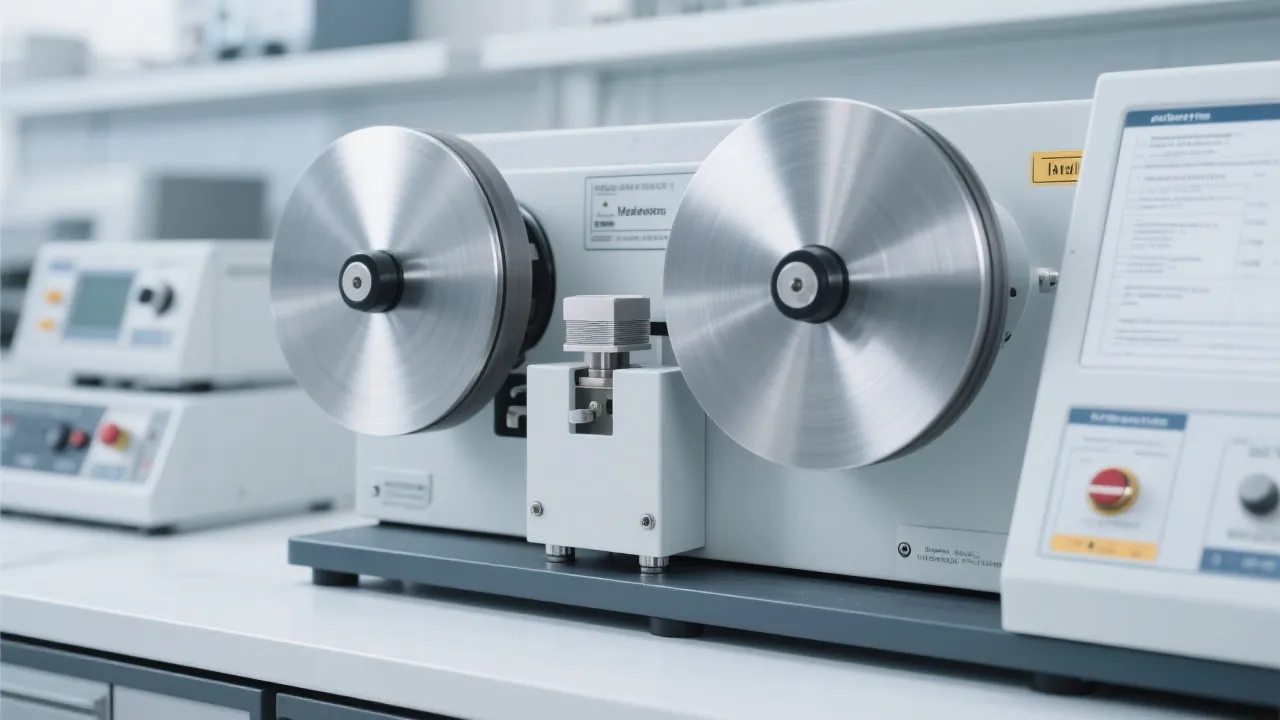
Metallographic analysis equipment refers to an end-to-end inspection chain used to reveal and document a material’s microstructure—typically starting with sample preparation and ending with microstructure observation under microscopy. At Laizhou Jincheng Industrial Equipment Co.,Ltd (founded in 2004), we focus on metallographic testing and hardness testing solutions for B2B customers in manufacturing, metallurgy, universities, and research laboratories—supporting both training/basic analysis workflows and higher-consistency, automated preparation needs.
Practical definition: Metallographic analysis equipment is not a single machine. It is a coordinated set of instruments and consumables that prepares a representative specimen surface and then enables reliable microstructure observation, imaging, and documentation for material testing and quality control.
A stable metallographic result depends on a controlled workflow. The steps below form a typical chain used across mechanical manufacturing, metallurgy, and R&D labs.
Obtain a representative piece while minimizing thermal and mechanical damage. Proper cutting reduces the risk of altering microstructure near the surface.
Encapsulate small or irregular specimens for easier handling, edge retention, and consistent grinding/polishing pressure.
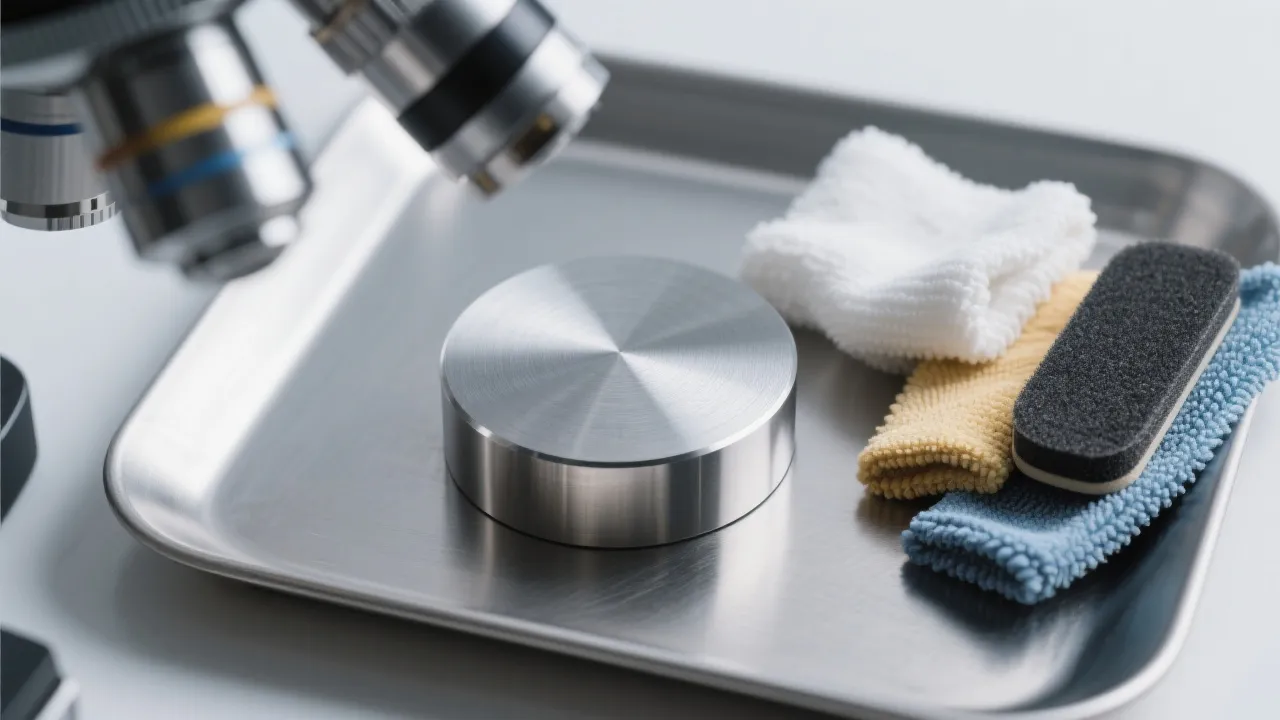
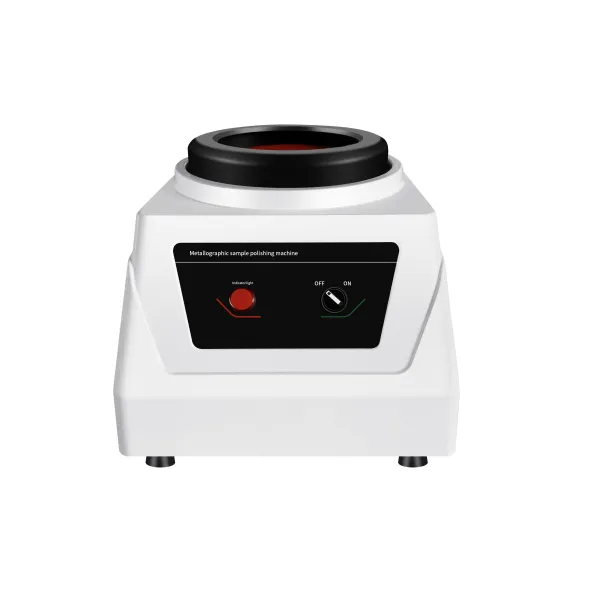
Remove deformation layers and progressively refine the surface to a mirror finish. Consumable selection and step control directly affect scratch depth, flatness, and repeatability.
Use chemical or electrochemical etching to reveal grain boundaries, phases, and heat-treatment features. Etching time and reagent control are critical for clarity and comparability.
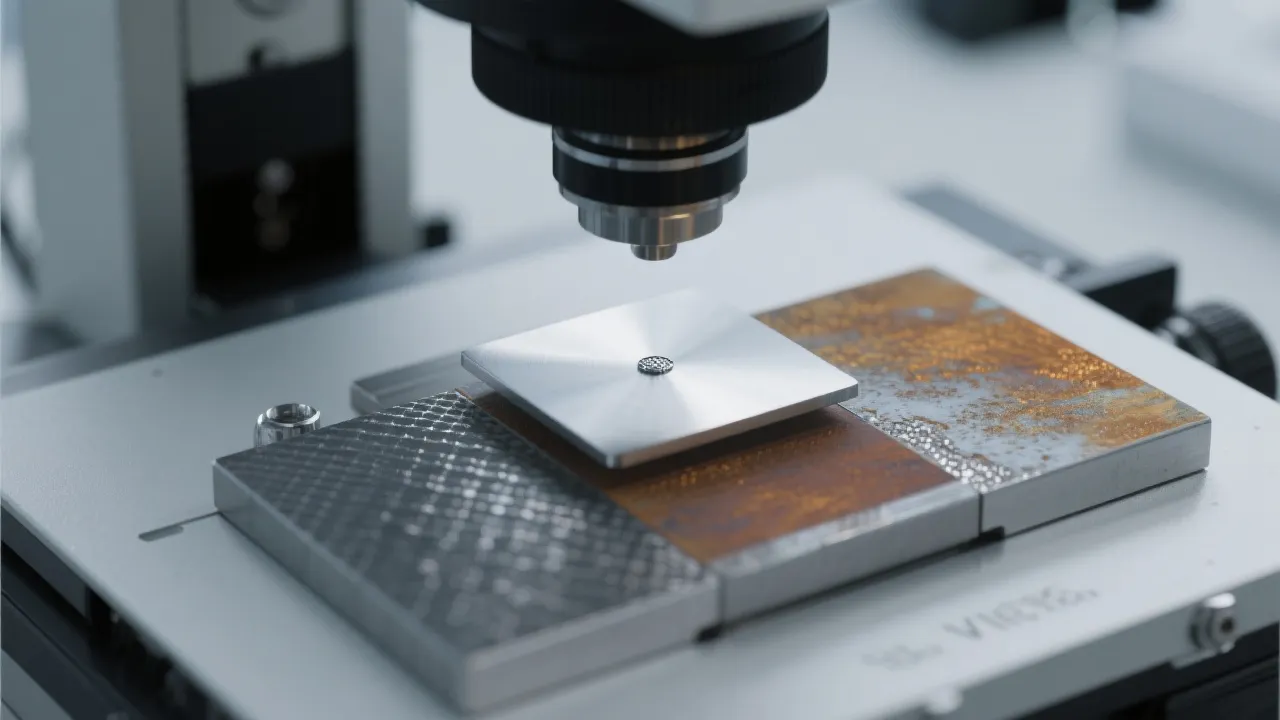
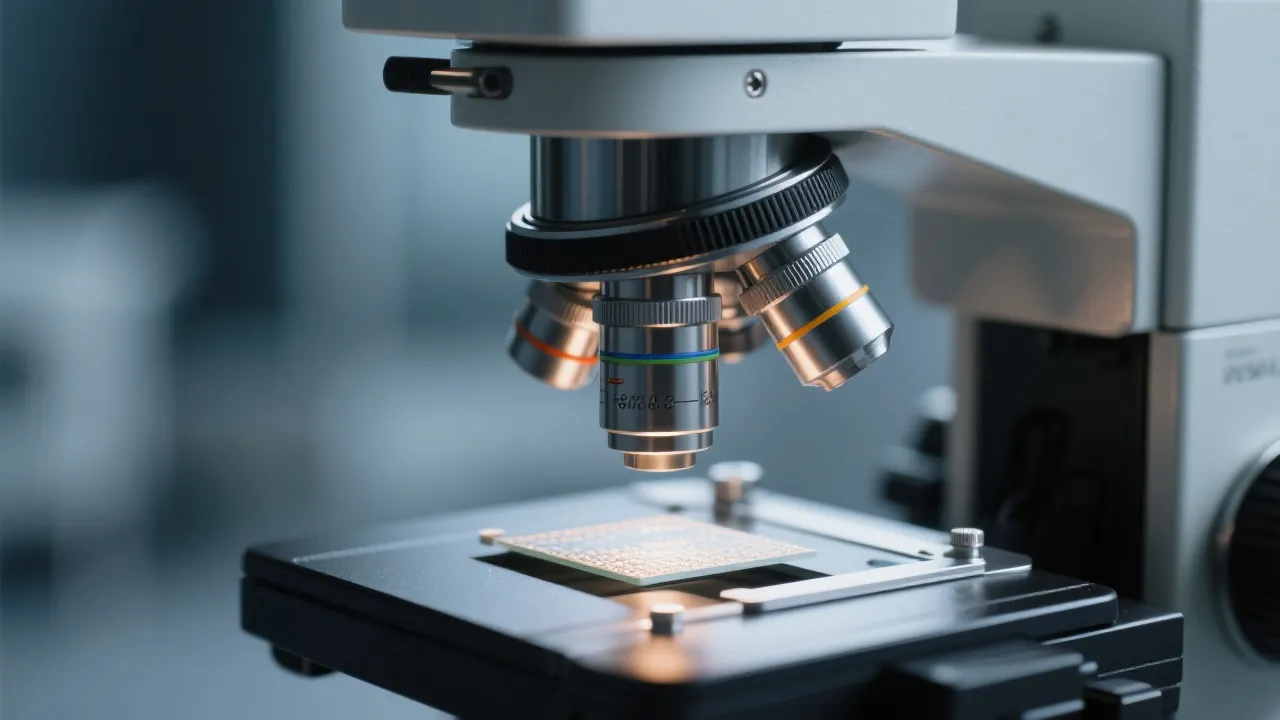
Observe and record microstructures using optical microscopy and imaging systems. A consistent observation setup supports cross-batch comparison, reporting, and audit-ready quality documentation.
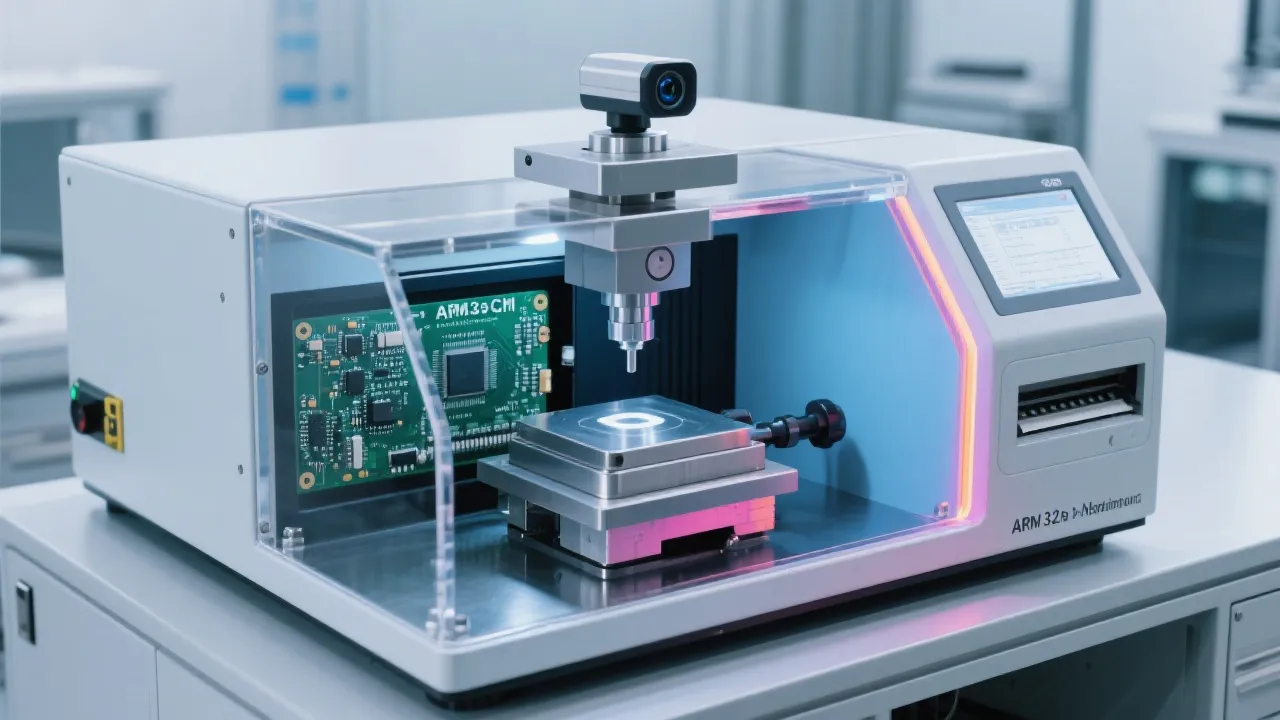
Many labs use both approaches: manual systems for flexible training and quick checks, and computerized systems for standardized, repeatable preparation and documentation.
| Comparison item | Manual workflow | Computerized workflow |
|---|---|---|
| Typical users | Teaching labs, entry-level material analysis, quick operator-led preparation | R&D, precision production QC, multi-operator labs requiring consistency |
| Control & repeatability | Relies more on operator skill and experience | Automation control helps stabilize steps and reduce variation |
| Throughput | Suitable for small batches and flexible tasks | Better for standardized batch preparation and documentation |
| Observation & reporting | Basic imaging/documentation based on setup | Supports structured capture and more consistent records |
Selection tip: If your goal is training, basic analysis, and flexible use, manual equipment is often a practical choice. If your goal is higher consistency across operators/batches and streamlined documentation, computerized workflows become more valuable.
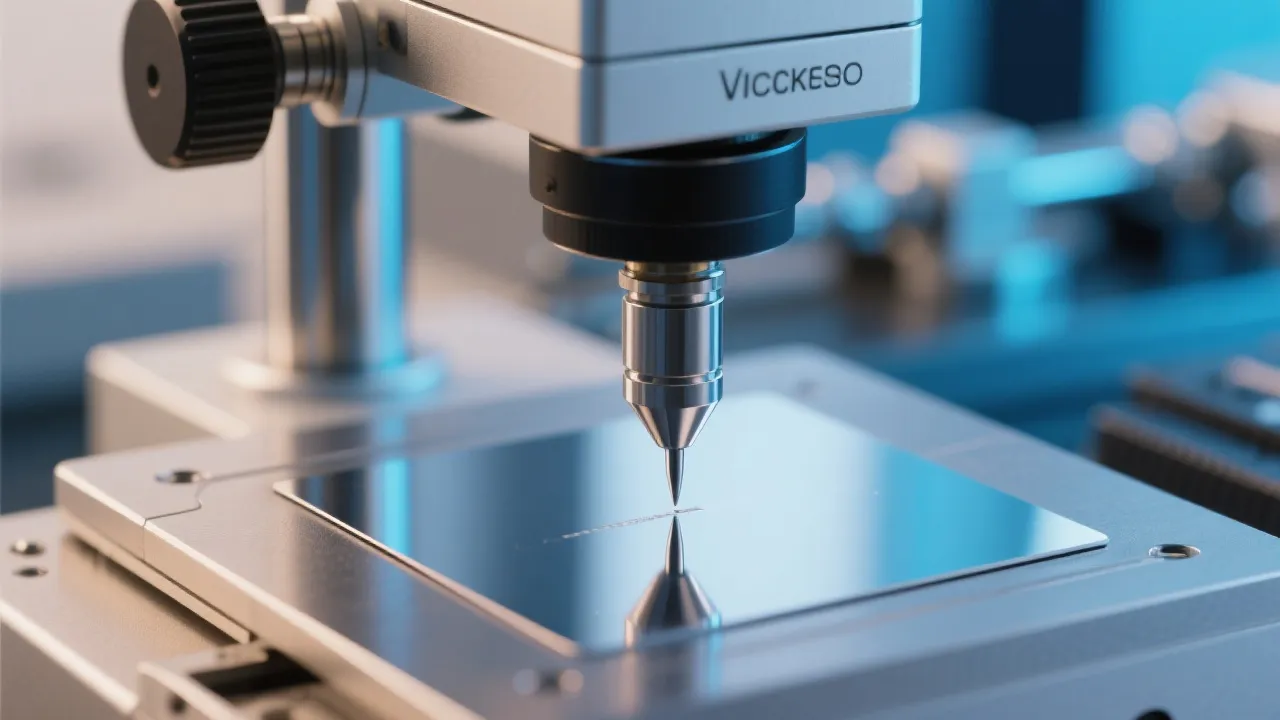
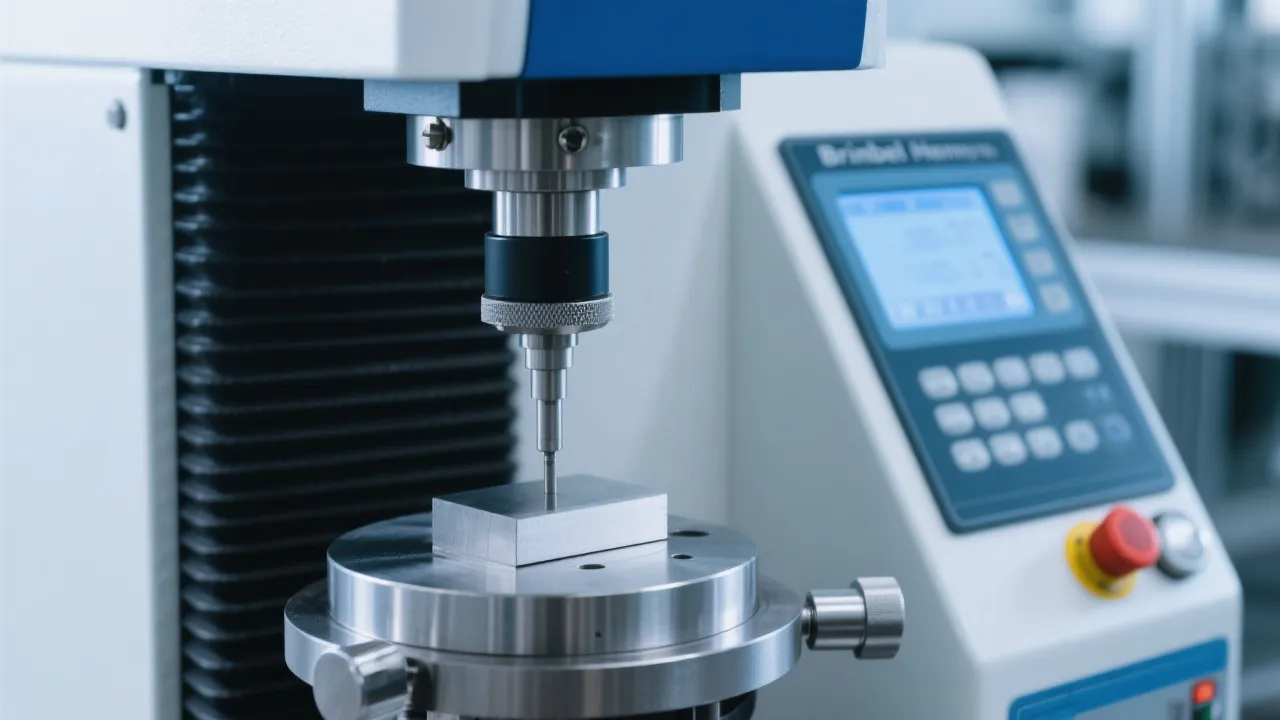
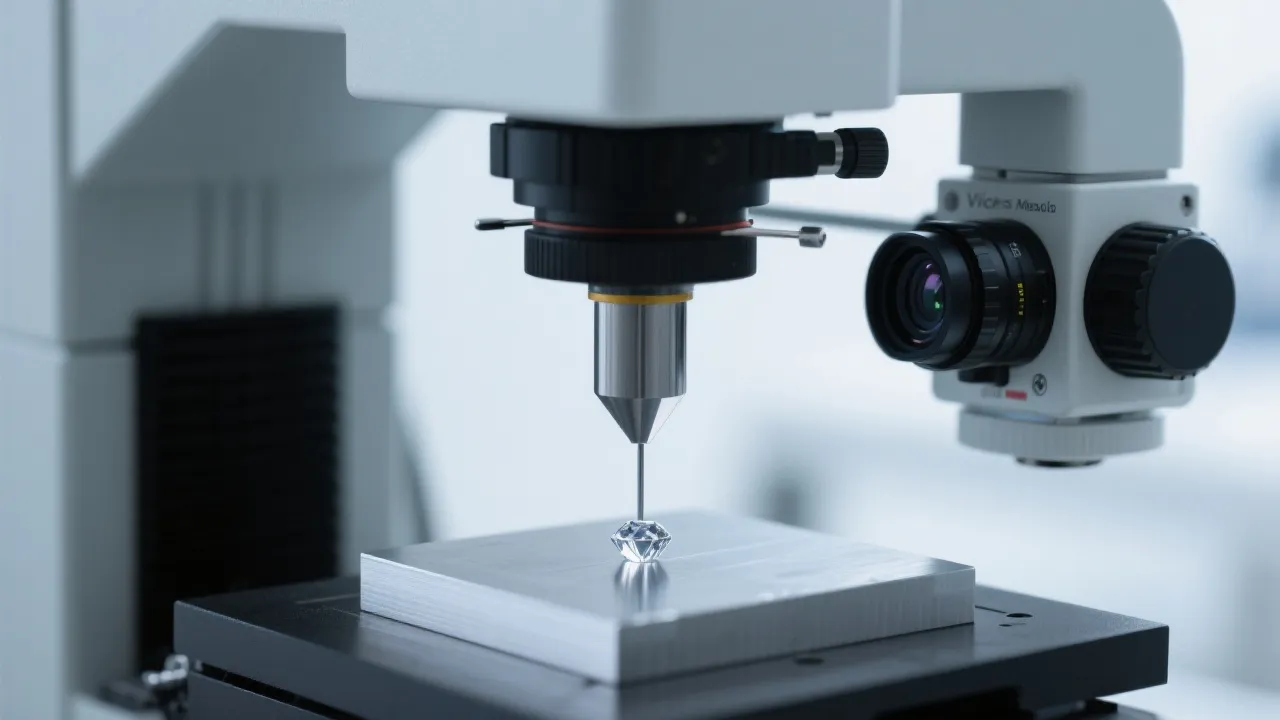
In many material testing and quality control workflows, microstructure observation is complemented by hardness testing to validate heat treatment, compare batches, or investigate failures. Laizhou Jincheng’s hardness testing portfolio supports this link—especially for labs that require micro-scale indentation aligned with metallographic specimens.
Designed for metallurgy, mechanical manufacturing, and research institutions, the HVS-5/10/30/50 uses a closed-loop load control system to improve load stability and measurement repeatability. It supports HV/HK switching on an LCD interface and is stated to comply with ASTM E384 and ISO 6507. Each unit is calibrated before leaving the factory, with original accessories and professional installation/commissioning support available.
Serving B2B customers across Russia, Southeast Asia, and Europe, Laizhou Jincheng provides complete equipment-and-consumables support for metallographic analysis workflows—helping teams build a practical, standards-aware inspection chain from sample preparation to microstructure observation.


Hardness-TesterHVS-1000-1.jpg?x-oss-process=image/resize,m_fill,h_600,w_600/format,webp)