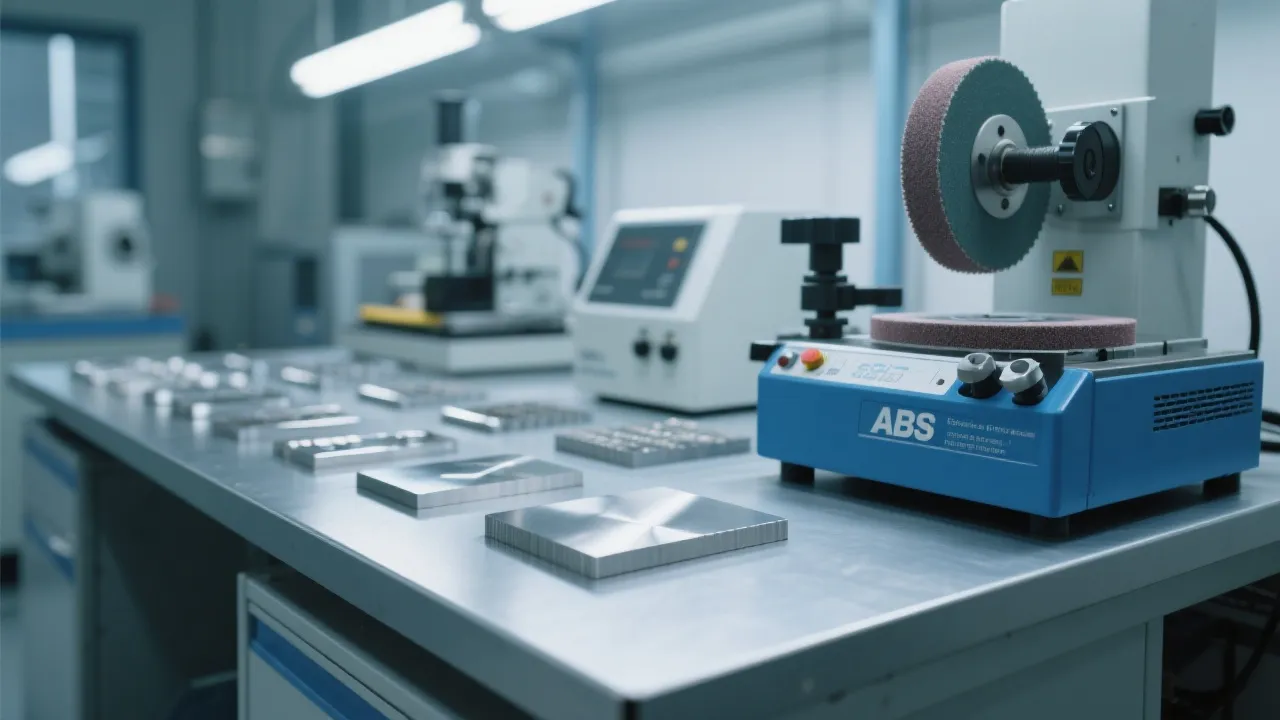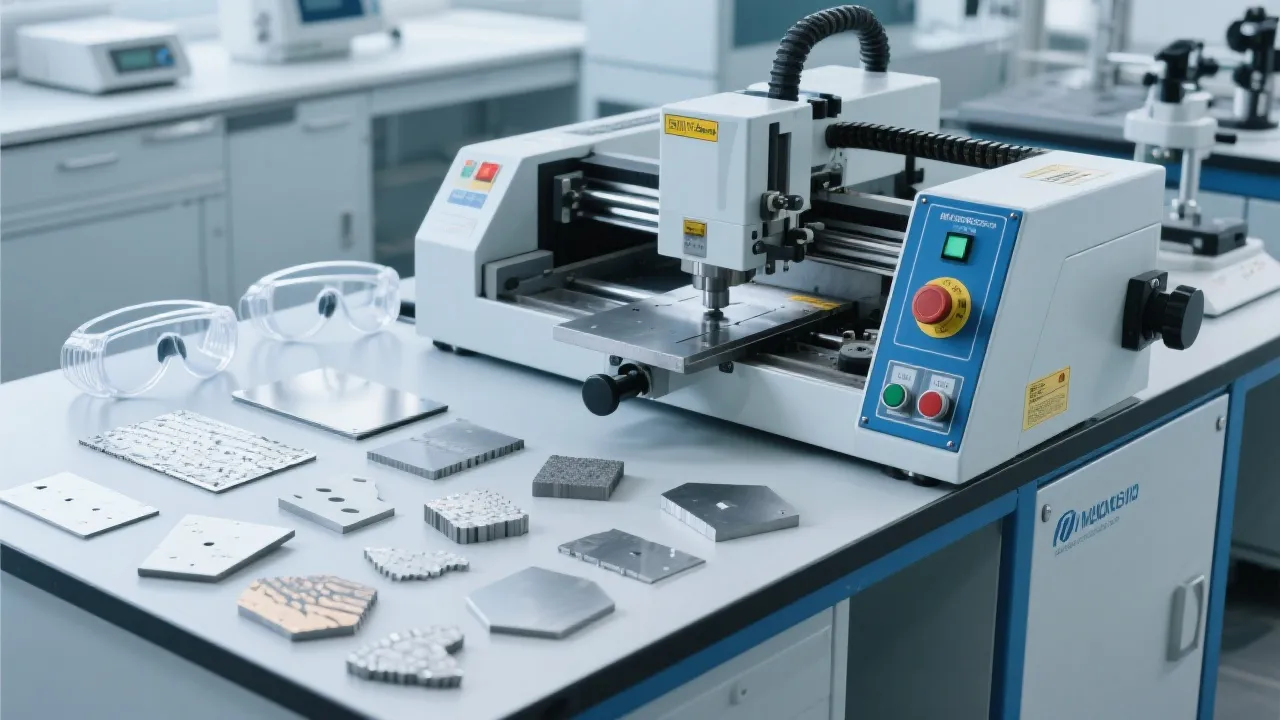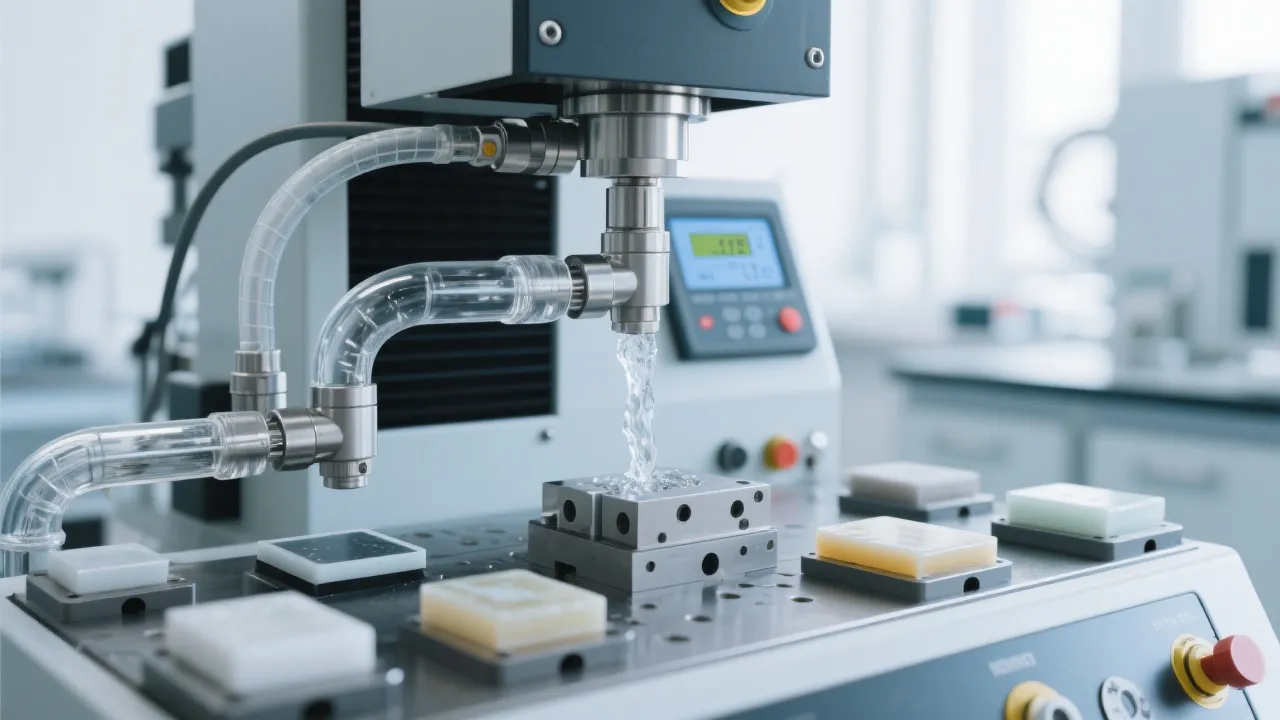
In many factories, the reliability of a materials report does not start at the microscope—it starts earlier, at sample preparation. A metallographic grinding and polishing machine is often the most underestimated “accuracy lever” inside the quality lab, because it directly governs surface integrity, edge retention, and the repeatability of microstructure observations. When grinding and polishing are inconsistent, even experienced analysts can end up interpreting preparation artifacts instead of the real material condition.
Industrial materials quality control depends on measurable, auditable outputs: grain size ratings, inclusion evaluation, decarburization depth, case depth, and fracture root-cause analysis. A stable metallographic grinding & polishing process reduces operator-to-operator variation and improves the probability that the microstructure seen is representative of the bulk material—not a byproduct of overheating, embedded debris, or uneven removal.
In practical terms, a controlled grinding and polishing workflow can cut re-preparation loops and accelerate release decisions. In many production labs, rework caused by scratches and contamination typically consumes 10–25% of total prep time. Standardizing the machine parameters and consumables can often bring this rework rate down to 5–10%, improving throughput without compromising accuracy.
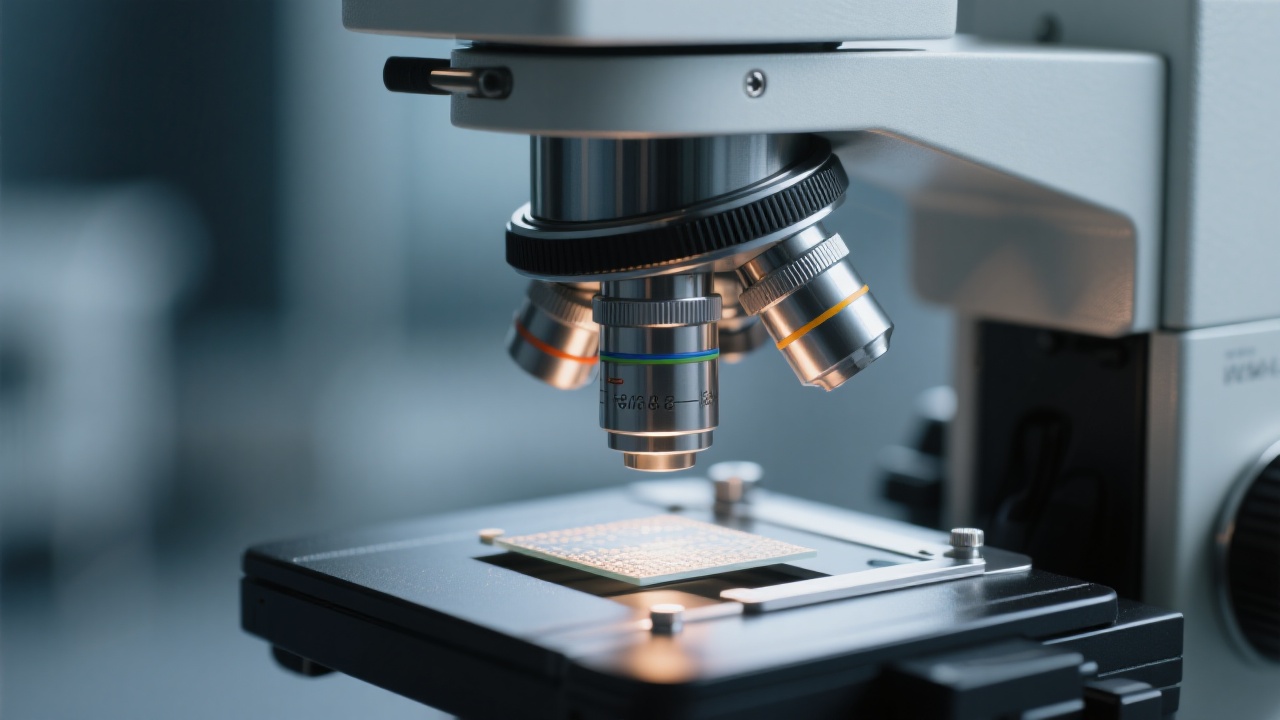
Speed is not simply about “faster is better.” In metallography, rotational speed, applied force, and abrasive sequence form a coupled system. Excessive speed can increase frictional heat, soften certain alloys locally, smear ductile phases, or accelerate cloth glazing. Too low a speed can extend cycle time and increase random deep scratches because the cutting action becomes uneven.
While exact settings depend on material and mounting method, many labs achieve stable outcomes using a stepped approach: SiC grinding at 150–300 rpm, followed by diamond polishing at 120–200 rpm, and a final step (often colloidal silica) at 80–150 rpm. With semi-automated holders, a typical effective force range is 15–30 N per specimen (or equivalent pressure). The key is not the absolute numbers—it is maintaining repeatability and minimizing manual “compensation.”
For teams pursuing throughput gains, the most reliable tactic is not to compress every step, but to remove the hidden time sinks: extra passes due to scratch carryover, cloth cross-contamination, and inconsistent rinse discipline. Those are the “invisible minutes” that add up in daily QC.
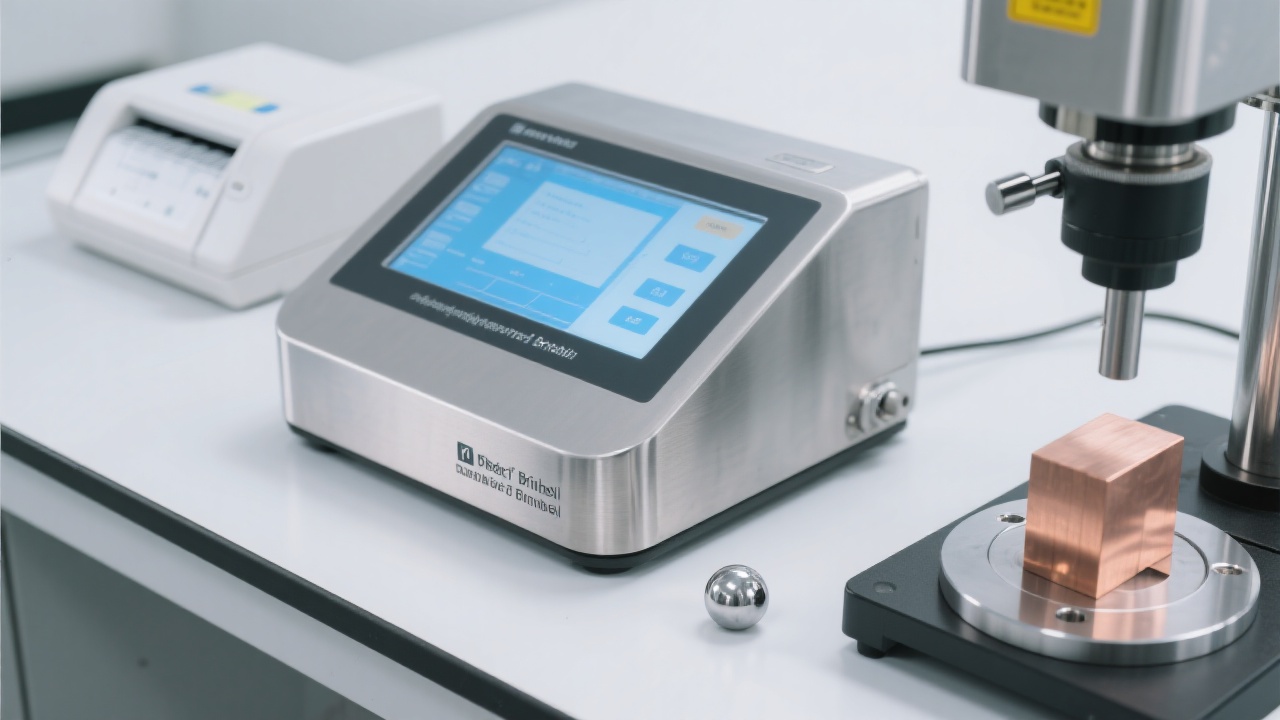
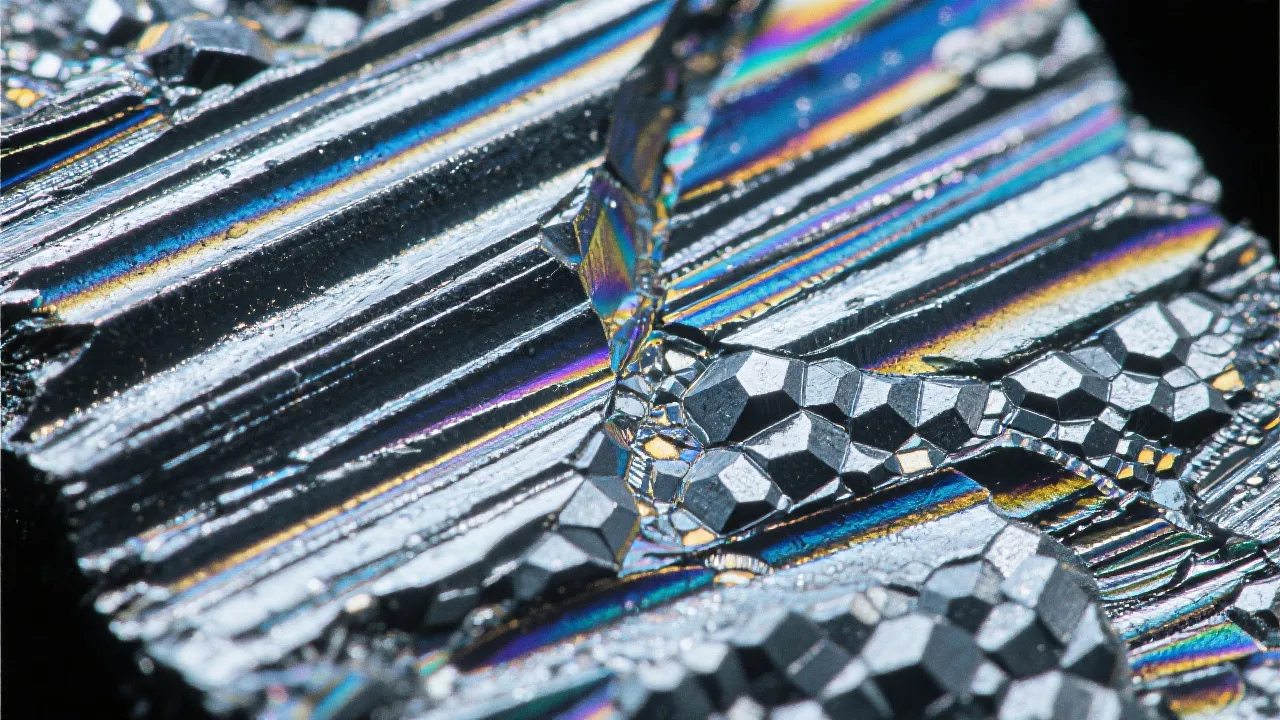
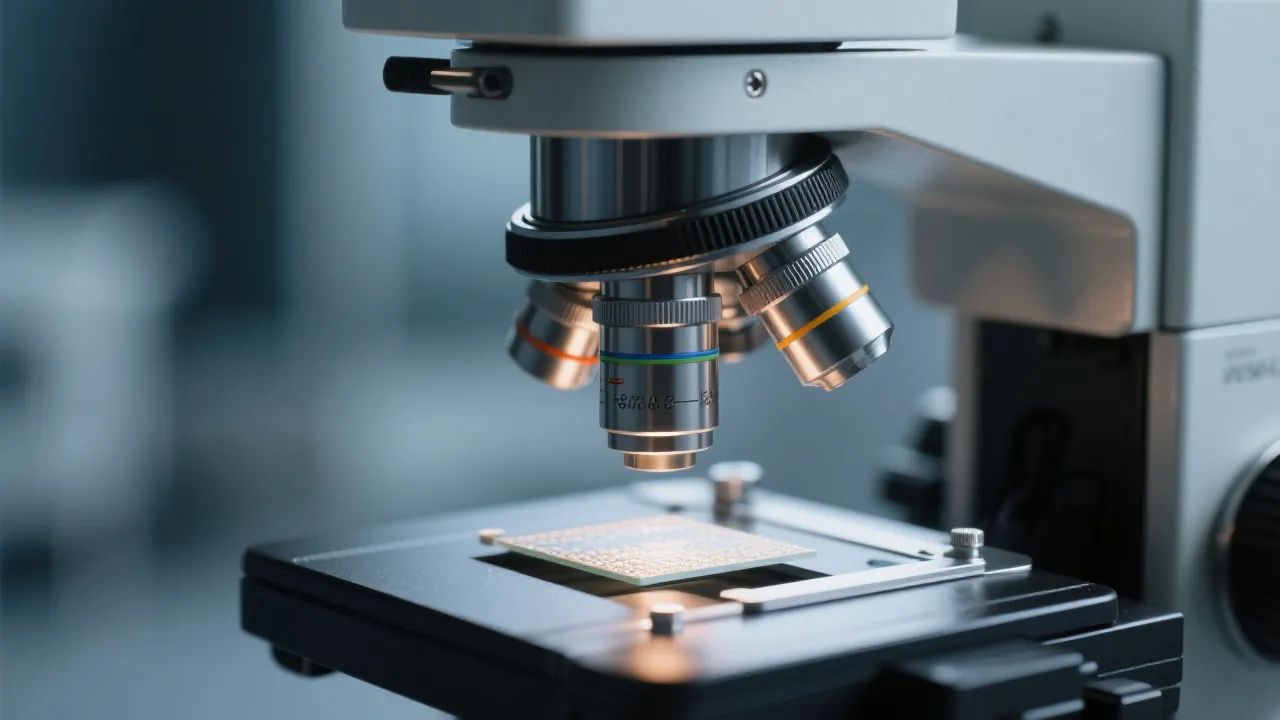
The polishing stage is where the lab either earns clarity or introduces ambiguity. For steels, aluminum alloys, copper alloys, and many sintered materials, the failure modes tend to look similar: persistent directional scratches, phase pull-out, edge rounding, and embedded abrasive particles. These are not merely cosmetic issues; they can distort measurements such as inclusion ratings or case-depth boundaries.
Most international metallographic preparation standards and best-practice guides converge on the same discipline: consistent step transitions, strict cleaning, and controlled material removal. In applied QC environments, the following rules are widely adopted because they are simple to audit:
If a surface shows random deep scratches after fine polishing, the first suspects are usually: abrasive carryover, a worn cloth with embedded particles, or incomplete removal at the prior step. Addressing these systematically is faster than adding more polishing time.
In production-oriented quality control, the machine is only one component. The measurable outcome is a repeatable preparation system that survives shift rotation and new-operator onboarding. A well-structured installation and training plan typically includes: mechanical leveling and safety checks, electrical verification, water/air line confirmation (where applicable), parameter baseline setup, and a training session that locks the workflow into documented SOPs.
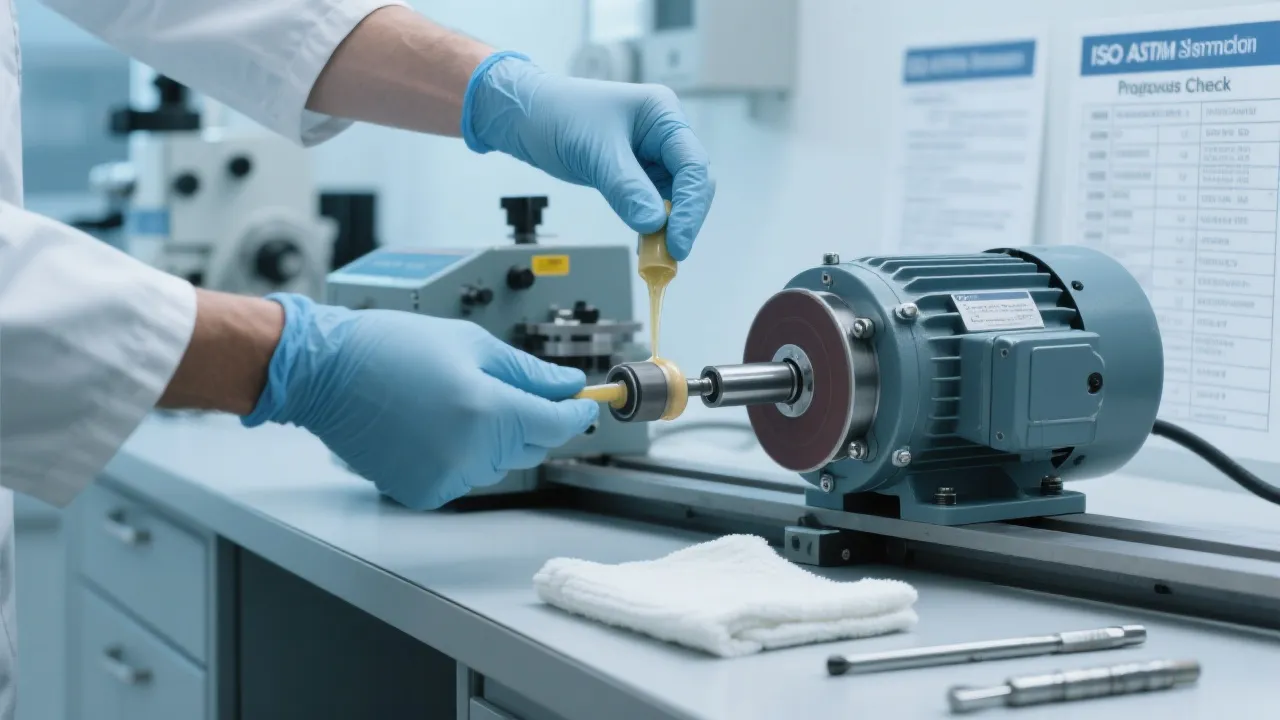
Effective training is usually hands-on and sample-driven. The fastest ramp-up method is to prepare the customer’s real parts (e.g., heat-treated steel coupons, aluminum castings, welded sections) and record the settings that meet their acceptance criteria. Most labs can establish a stable baseline in 1–2 working days, provided that consumables and microscope evaluation criteria are aligned.
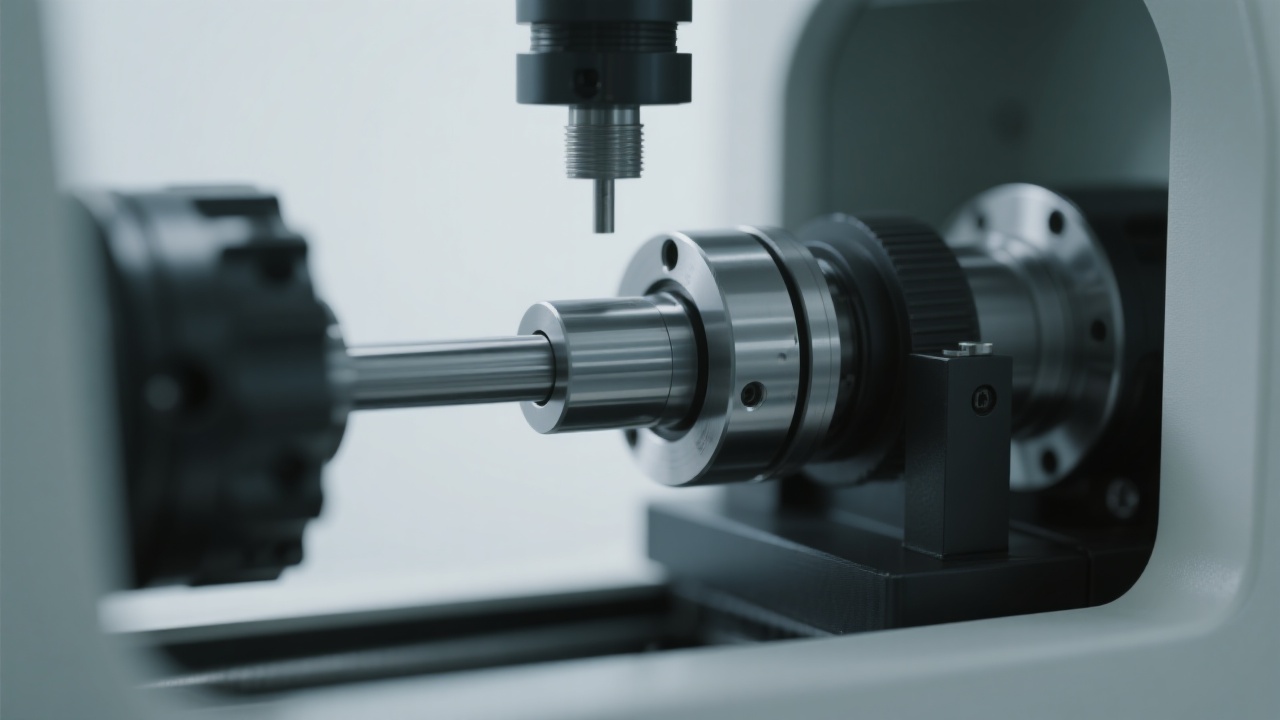
Quality control laboratories operate on continuity: incoming inspection, in-process verification, and final release cannot pause simply because a polishing cloth backing failed or a component needs replacement. Remote technical support shortens troubleshooting cycles by guiding operators through parameter checks, consumable diagnosis, and preventive maintenance routines. In practice, fast remote response can prevent “trial-and-error” downtime that otherwise expands into half-day delays.
Spare parts availability is equally strategic. Maintaining a modest on-site inventory—items such as commonly replaced wear parts and accessories—helps keep sample throughput stable. Many labs target an internal goal of <24 hours disruption for minor issues and <72 hours for non-critical component replacements, supported by supplier logistics.
A repeatable daily workflow is characterized by consistency rather than complexity. A typical approach in industrial labs is to define material families (e.g., carbon steels, stainless steels, aluminum alloys, copper alloys) and assign each family a validated recipe: abrasive sequence, rpm/force windows, cloth selection, rinse protocol, and acceptance images for “ready for etch” condition. When the system is implemented, the lab can often reduce operator-dependent variation and make results more auditable for customer and third-party inspections.
Short, focused clips help QC teams replicate the same motions and checks across shifts. For internal training libraries or supplier support materials, the following shot list tends to deliver the highest learning value:
If your team is aiming to reduce re-preparation, standardize grinding/polishing recipes, and keep inspection throughput stable across shifts, a robust, training-supported system is the practical next step.
Learn about Laizhou Jincheng MP-1B Metallographic Grinding & Polishing Machine to boost your materials inspection efficiencyFor procurement and QC teams, support coverage (on-site commissioning, operator training, remote troubleshooting, and spare parts supply) is often as decisive as the machine itself.
Hardness-Tester7MHVS-5103050A-1.jpg?x-oss-process=image/resize,m_fill,h_600,w_600/format,webp)

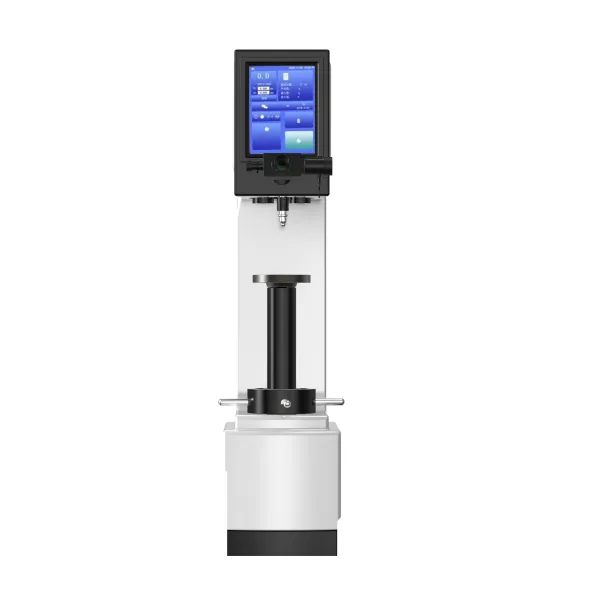
Hardness-TesterHV-5103050A-1.jpg?x-oss-process=image/resize,m_fill,h_600,w_600/format,webp)