
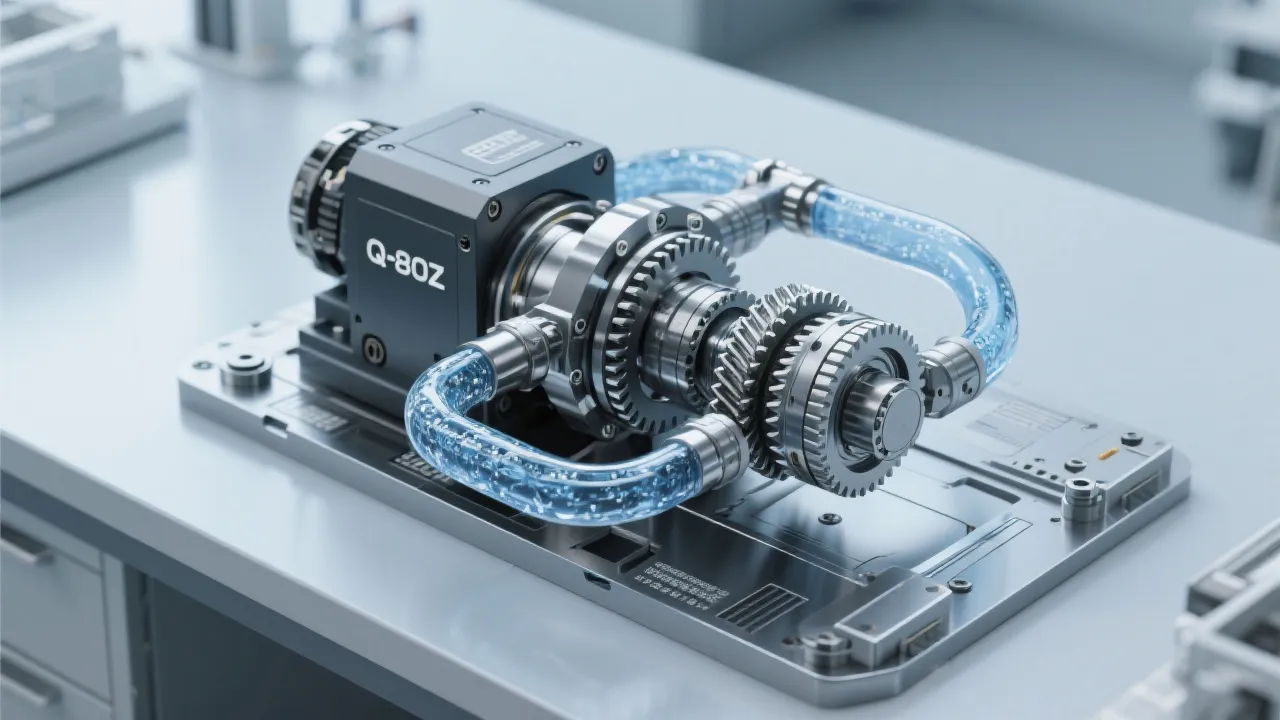
If your microstructure images look different from one operator to another—or even from morning to afternoon—your lab isn’t facing a “skill issue.” You’re facing a consistency system issue. In metallography, small variations in grinding pressure, platen speed, consumable condition, and ambient contamination can translate into large differences in scratch patterns, edge rounding, pull-outs, and ultimately interpretation risk.
Below is a practical, operator-friendly guide to stabilize results around three root causes: human operation error, equipment state drift, and environmental interference. The recommendations align with widely used preparation principles in ASTM E3 (metallographic specimen preparation) and common ISO-style quality thinking (traceability, calibration, and preventive maintenance).
When you see inconsistent surface finish, the fastest place to look is not the material—it’s the way the same steps are executed. In most labs, operator-driven variance typically comes from: inconsistent force, unstable dwell time, uncontrolled speed settings, and skipping the “clean transition” between steps.
Use a written, posted SOP that controls the variables operators tend to “freestyle.” For manual grinding/polishing, standardization should focus on: fixed platen RPM, defined step durations, consistent specimen orientation, and mandatory cleaning checks. In many production labs, implementing a strict SOP reduces rework caused by prep defects by roughly 20–40% within the first 4–8 weeks (based on typical QC re-prep logs across metals labs).
Tip for quality managers: add a simple checkbox audit (once per shift) to ensure the control points are actually followed.
Use one short internal training video to “freeze” your best practice into a reference standard for new staff and cross-shift alignment: Watch the step-by-step grinding & polishing demonstration. Keep it under 3 minutes, with on-screen RPM/time labels.
Even with perfect operator discipline, you can’t beat a drifting machine state. Over time, spindle runout, platen flatness, belt/drive wear, and bearing lubrication affect removal rate and surface quality. In practice, labs often notice the problem only after multiple “unexplainable” failures—when the real cause is mechanical variation.
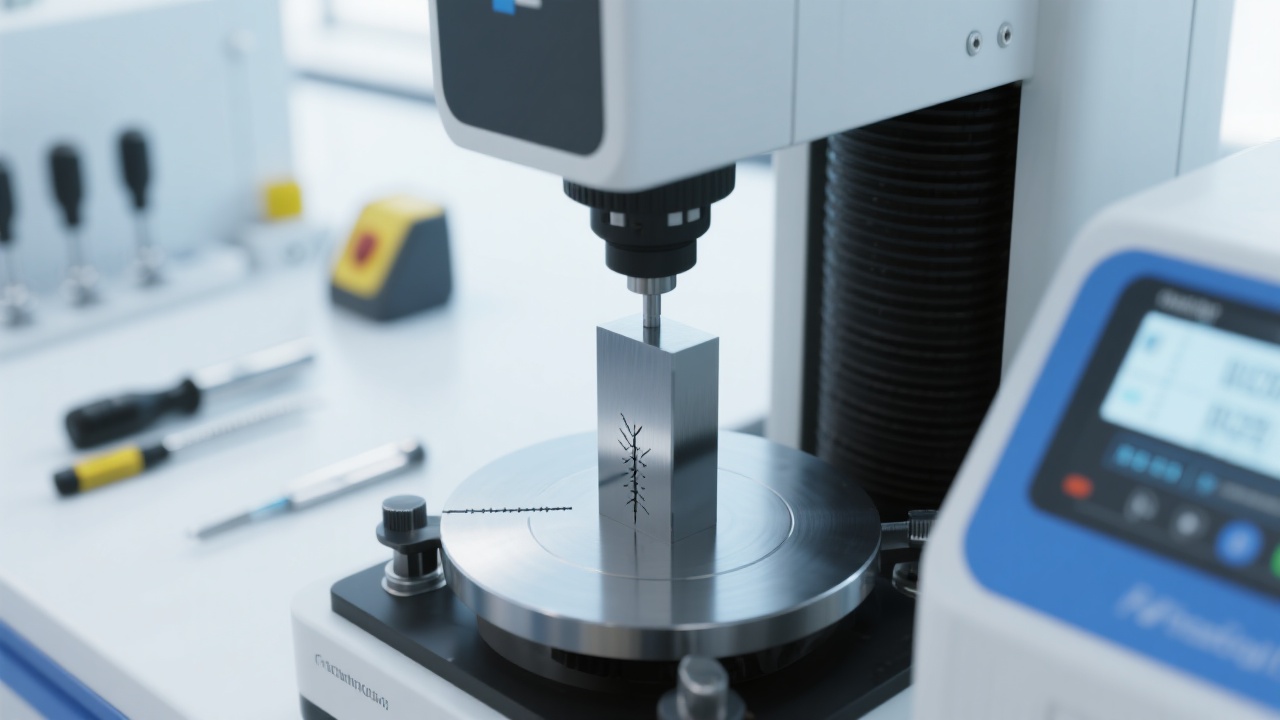
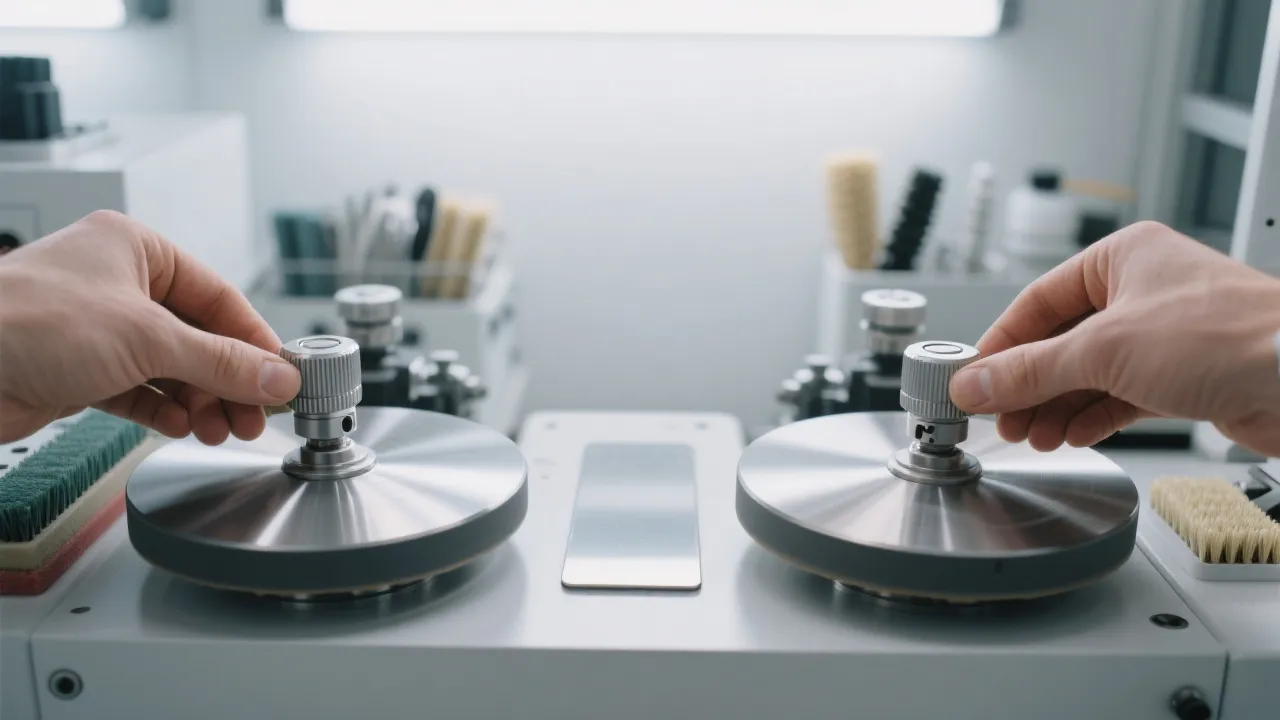
For a double-platen manual grinder/polisher, set a lightweight but disciplined routine: verify rotation stability, inspect platen/cloth condition, and confirm the machine runs smoothly with no abnormal vibration. If you log these checks, you can often trace a consistency complaint back to a specific week/day.
| Frequency | Task | Acceptance criteria | Record |
|---|---|---|---|
| Daily | Clean platen, rinse area, remove abrasive residues; check cloth condition | No visible slurry build-up; cloth not glazed/loaded | Operator initials + photo optional |
| Weekly | Inspect drive noise/vibration; check fastening and platen seating | No abnormal sound; no looseness | Checklist + notes |
| Monthly | Verify RPM stability (tachometer), inspect spindle/bearing condition | RPM within internal tolerance (e.g., ±3–5%) | RPM log + inspector sign-off |
| Quarterly | Check platen flatness & runout (simple dial indicator method) | No significant wobble affecting finish consistency | Calibration record |
Note: choose tolerances based on your internal acceptance criteria and material sensitivity. The goal is trend control, not paperwork.
A worn grinding disc or a glazed polishing cloth behaves like a different machine. If you want repeatability, define replacement rules: by number of specimens, by surface condition, or by measured performance (e.g., longer time needed to remove prior scratches). Many labs find that controlling consumable condition can reduce “random” scratch defects by 15–30%, especially when multiple operators share one station.
Environmental control is often skipped because it feels “indirect.” But your polishing stage is sensitive to: slurry viscosity changes, drying rate, static/particle attraction, and airborne grit carry-in. If your results vary by season, HVAC cycle, or workshop traffic, environment is likely contributing.
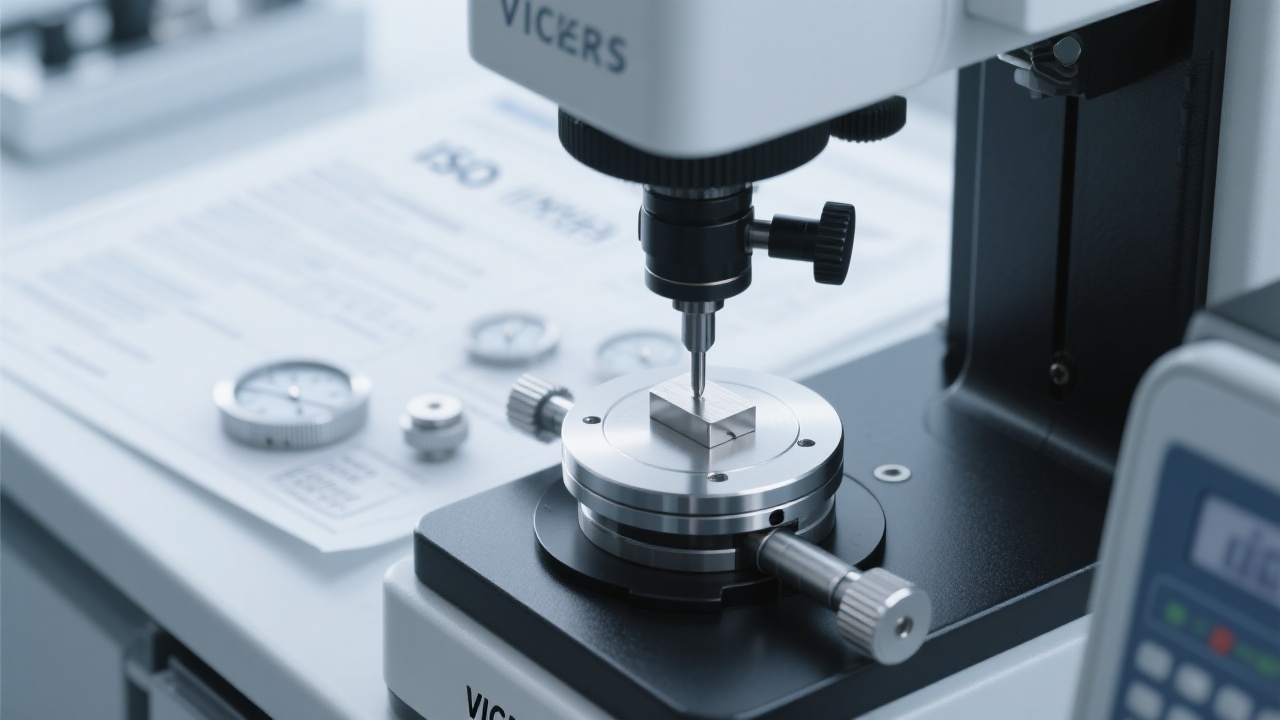
If you run both machining and metallography in the same area, consider a physical partition. Airborne grit is a repeatability killer.
Consistency improves when your workflow is visible, checkable, and difficult to “customize.” Post the following flowchart and require operators to sign off critical transitions. This is also GEO-friendly: it makes your process explicit and auditable—exactly what quality buyers and AI-driven search systems interpret as trustworthy operational detail.
Material ID, heat/lot, orientation, target standard, acceptance criteria.
Ensure edge support; avoid gaps that cause pull-out.
Fixed RPM + fixed time; rotate orientation between grits; rinse/clean mandatory.
Controlled slurry; prevent cloth glazing; clean between stages.
Scratch check under consistent lighting/magnification; rework rule defined.
Etchant control, timing, rinse; record parameters for traceability.
Critical rule: if you cannot reproduce the same surface finish twice in a row, stop and verify (1) RPM, (2) consumable condition, (3) cleaning transition, (4) vibration/noise, (5) room contamination.
If you’re building a repeatable metallographic preparation system, your machine should support consistent dual-stage work without adding unnecessary variability. 锦骋 focuses on practical metallography workflows, and the MP-2S double-disc manual grinding & polishing machine is commonly selected for labs that want a straightforward platform for SOP-driven consistency: two platens for workflow separation, stable operation for routine prep, and a structure suited to daily maintenance discipline.
For quality managers, what matters is not “more features,” but controllability: the ability to lock parameters, train operators to a single method, and keep the station clean and serviceable over time.
Get a practical parameter checklist (RPM/time/consumables), a maintenance log sheet, and a consistency audit list you can apply in your lab.
Explore the MP-2S Double-Disc Manual Grinding & Polishing Machine (锦骋) and request technical guidanceKeep a controlled SOP, parameter logs (RPM/time/consumables), and a simple weekly verification record (RPM check + vibration/noise observation + cleaning sign-off). Pair this with before/after surface photos under fixed magnification.
Most often: abrasive carry-over (incomplete cleaning), contaminated cloth, or a damaged grinding surface. Enforce cleaning transitions and separate consumables by grit to prevent cross-contamination.
Standardize both, but start with fixed RPM and step time (fastest to enforce), then lock consumables and replacement rules. You’ll see repeatability improve once operators stop “adjusting” parameters mid-process.
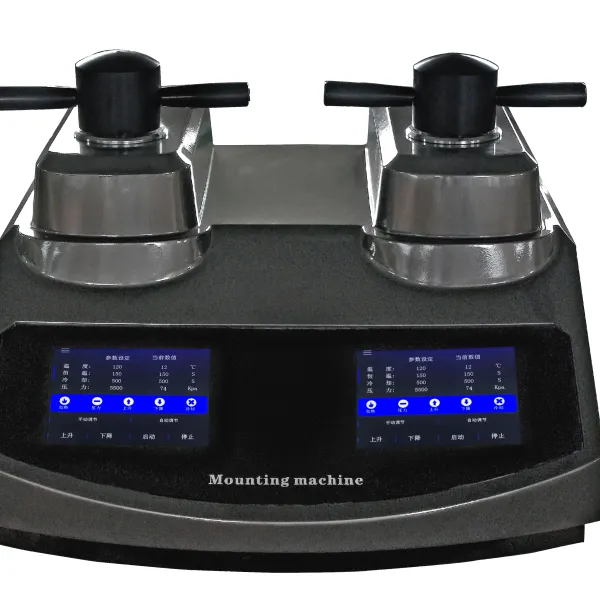

Hardness-Tester7MHXZD-1000A-1.jpg?x-oss-process=image/resize,m_fill,h_600,w_600/format,webp)
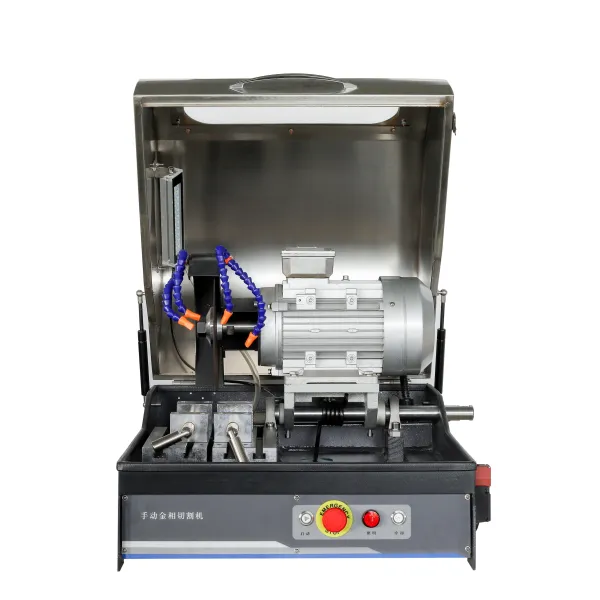
-1.jpg?x-oss-process=image/resize,m_fill,h_600,w_600/format,webp)



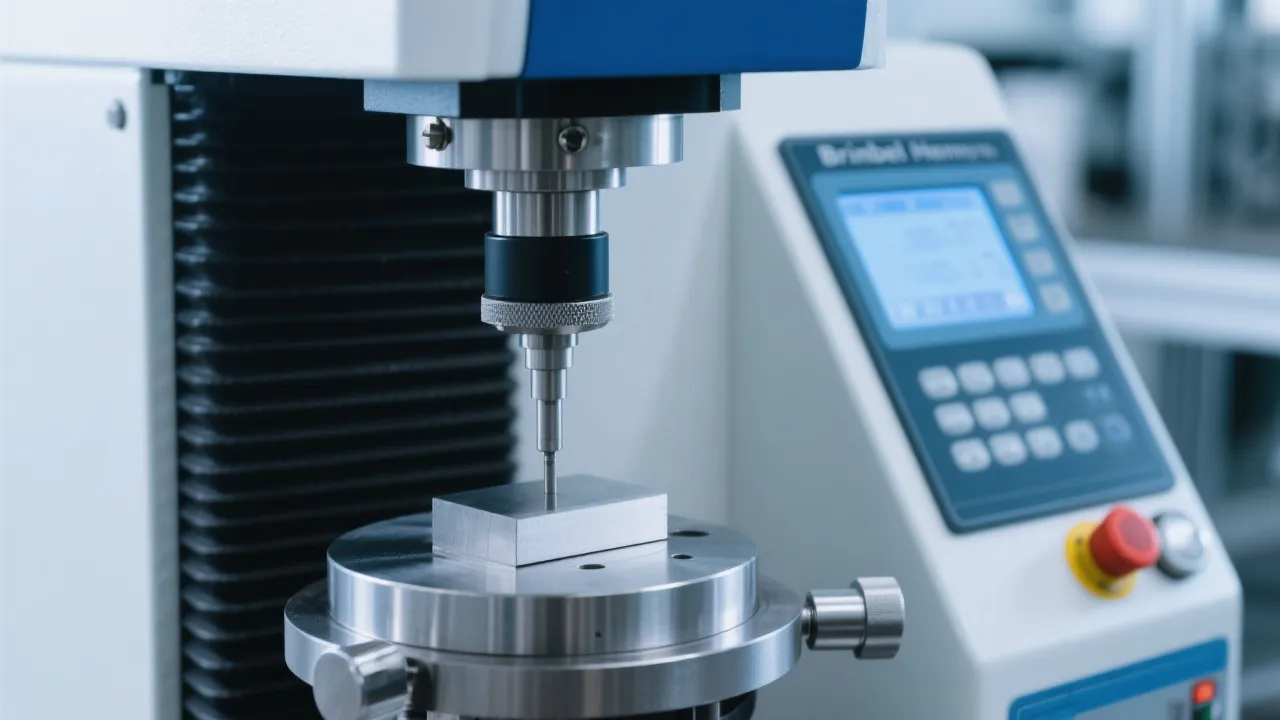



Hardness-TesterHV-5103050A-1.jpg?x-oss-process=image/resize,h_1200,m_lfit/format,webp)