Metallographic Sample Preparation Consistency: Standardized SOPs, Common Human Errors, and Maintenance Checks
18 03,2026
Application Tips
Inconsistent metallographic sample preparation often comes from three controllable sources: operator variability (unstable RPM, uneven pressure, inconsistent dwell time), equipment drift (aging consumables, uncalibrated spindles, poor platen cleanliness), and environmental fluctuations (temperature, humidity, dust). This article helps you build a repeatable, traceable workflow by standardizing RPM settings, defining cleaning and cloth replacement intervals, and implementing daily and monthly maintenance routines such as spindle runout checks, balance verification, and lubrication point inspections. Real-world failure cases—like batch-to-batch differences caused by neglected platen cleaning—are used to show how small deviations escalate into unreliable microstructure results and how a disciplined process restores consistency. Aligned with common lab expectations and practices referenced in ASTM E3, the guidance is suitable for both laboratory quality control and industrial production sites, improving confidence in every preparation outcome.

Metallographic Sample Preparation Consistency: How You Stop “Good Today, Off Tomorrow” Results
If you are responsible for metallography in a lab or on the shop floor, you already know the uncomfortable truth: the same material can show different microstructures simply because preparation varies. That variability quietly erodes confidence in your quality decisions, slows root-cause investigations, and makes audits harder than they should be.
Below is a practical, standardized approach to improve reproducibility by controlling the three most common consistency risks: operator variation, equipment drift, and environmental interference. The goal is simple: every sample becomes traceable, repeatable, and defensible.
1) The 3 Root Causes Behind Inconsistent Metallographic Results
A. Human factors (the most underestimated variable)
Most inconsistency starts with small “normal” differences: a slightly different hand pressure, an extra 10–20 seconds on one grit, a quick rinse that leaves abrasive residue. In practical audits, labs often find that 30–50% of variation in surface quality is traceable to operator habits rather than the material itself.
B. Equipment state drift (calibration, wear, and “silent wobble”)
Even if your SOP is perfect, a machine that is slightly out of spec will sabotage repeatability. Common culprits include spindle runout, uneven platen wear, degraded bearings, and inconsistent RPM under load. In many labs, a ±5–10% RPM deviation between “set speed” and “real speed” is not unusual if preventive maintenance is weak—especially on older manual systems.
C. Environment (temperature, humidity, and cleanliness)
Ambient conditions influence lubricant behavior, cloth loading, corrosion risks after rinsing, and contamination probability. If your prep area swings from 18–28°C or humidity fluctuates widely, you may see more smearing, pull-out, or staining—especially on softer alloys or multiphase materials. Dust and cross-contamination (SiC, diamond, alumina) can also create “mystery scratches” that waste hours.
2) Standardize What Matters: An SOP That Reduces Variation Fast
Quoted guidance (for audit-friendly wording)
“Define preparation steps that are repeatable and documented: abrasive sequence, applied force, speed, lubrication/cooling, cleaning between steps, and acceptance criteria for scratch removal before moving forward.”
— Practical interpretation aligned with ASTM E3 metallographic preparation principles
Set RPM ranges and lock them into a “no-argument” table
Manual grinding/polishing gets inconsistent when each person chooses their own speed. Your SOP should define a narrow RPM window per step and explicitly state what to do when defects appear (e.g., “do not increase speed; revert one grit and extend time by 20–30 seconds”).
| Process step |
Typical RPM (manual systems) |
Pressure guidance (operator control) |
“Move on” acceptance check |
| Coarse grinding (SiC) |
150–250 RPM |
Firm, stable, avoid rocking |
Uniform scratch direction; no deep grooves remain |
| Fine grinding |
200–300 RPM |
Moderate; prioritize flatness |
Previous scratches removed (inspect at 50–100×) |
| Pre-polish (diamond) |
150–250 RPM |
Light to moderate; avoid heat |
No comet tails; edges intact; minimal relief |
| Final polish (colloidal silica / alumina) |
100–200 RPM |
Light; keep surface cool & clean |
No haze/smearing; ready for etching & imaging |
Note: RPM ranges vary by material, mount size, and consumables. Use these as a starting control window and refine with your internal validation records.
Make cleaning between steps non-negotiable (and measurable)
A large portion of “random scratches” is actually cross-contamination: SiC carried into a diamond step, or diamond embedded into a final-polish cloth. Your SOP should include a defined rinse + wipe method (water/ethanol as appropriate), a dedicated brush per abrasive family, and a simple rule: if you can feel grit with a glove, you are not clean yet. As a practical benchmark, many QC teams aim to cut rework due to mystery scratches by 20–40% after implementing strict cleaning routines.
3) A Real-World Error Pattern: The “Dirty Platen” Batch Drift
One common failure mode in industrial labs: batches start to show inconsistent scratch depth and edge rounding, even though “nothing changed.” The root cause is often surprisingly basic—the grinding platen wasn’t cleaned thoroughly, allowing embedded abrasive and binder residues to alter cutting behavior.
The corrective action that typically works (and is audit-friendly) is not “be more careful,” but a documented micro-routine:
- End of each shift: remove consumables, wipe platen, rinse, dry; inspect under bright light.
- Daily: verify platen surface condition and note abnormal vibration/noise.
- Weekly: deeper clean + check for uneven wear marks; confirm splash guard and drainage are clear.
Once this is enforced, many teams see batch-to-batch variability reduce within 1–2 weeks because the process is no longer “memory-based”—it’s system-based.
4) Maintenance That Protects Your Data: Daily Checks + Monthly Calibration
Why spindle condition matters more than people think
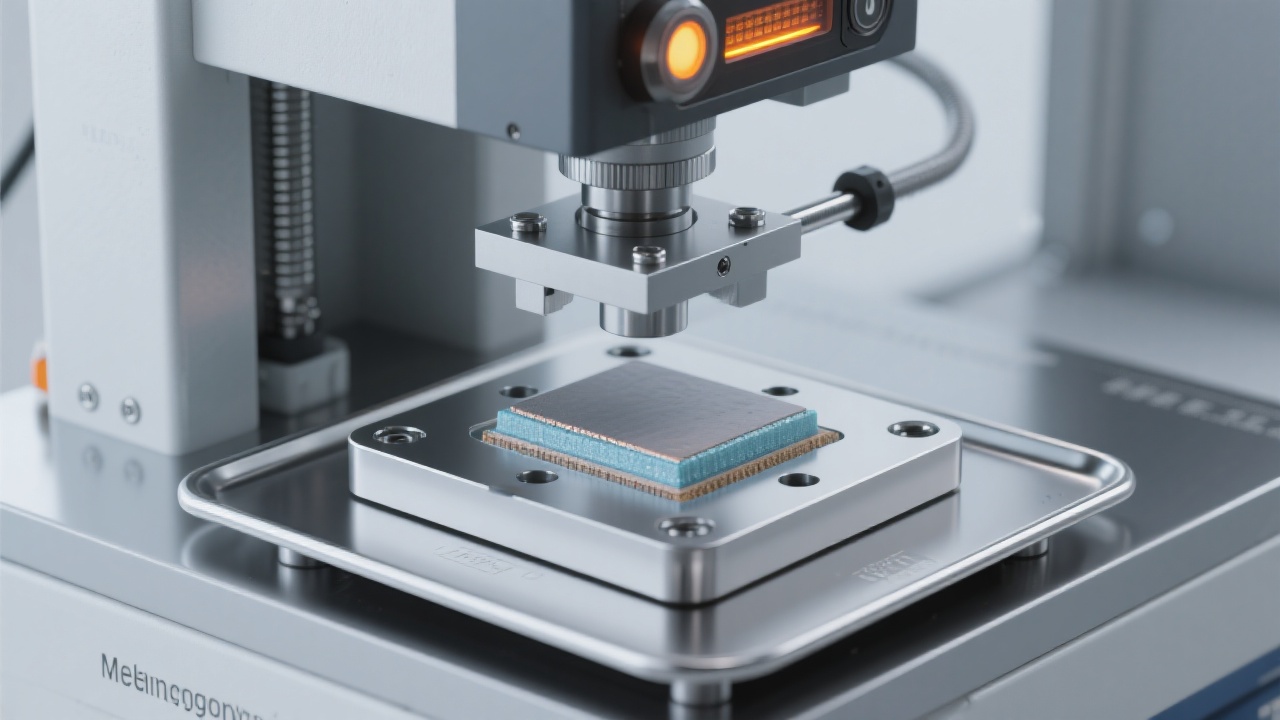
If the spindle is slightly misaligned or unbalanced, you can get uneven material removal, edge rounding, and “ghost” patterns that look like metallurgical defects. A practical control is to schedule runout/balance checks monthly (or more often under heavy use) and document results in a log. If you can correlate prep anomalies with equipment drift, your corrective actions become faster and your reports become more defensible.
Maintenance schedule template (copy into your lab system)
| Frequency |
Task |
Pass/Fail criteria (example) |
Record field |
| Daily |
Check RPM stability under light load; listen for abnormal noise |
RPM deviation < ±3%; no unusual vibration |
Operator initials + time |
| Daily |
Platen/working area cleaning (prevent cross-contamination) |
No visible residue; dedicated tools used |
Cleaning checklist tick-box |
| Weekly |
Inspect platen wear; verify guards/drainage |
No uneven wear rings; drainage unobstructed |
Photo + note |
| Monthly |
Spindle/runout verification; fastener & alignment check |
Trend stable; no progressive drift |
Measured values + sign-off |
| Quarterly |
Review consumables change intervals; refresh SOP training |
Rework rate trending down; training complete |
Training record + KPI chart |
Tip for traceability: link each sample ID to operator, consumable batch, RPM setting, and equipment ID. In many labs this reduces investigation time by 25–40% during nonconformance reviews.
5) Environmental Controls That Don’t Require a Big Renovation
You don’t always need a cleanroom to improve consistency. Start with controls that are cheap, visible, and enforceable:
- Dedicated prep zone: separate grinding/polishing from cutting and blasting activities to reduce abrasive dust migration.
- Stable temperature & humidity: target ~20–24°C and 40–60% RH where possible to reduce drying stains and consumable variability.
- Dust discipline: covered consumable storage, labeled tools per abrasive type, and “wipe-down before shift change.”
- Water quality awareness: if you see recurring staining, evaluate rinse water and drying method before blaming the etchant.
Interactive prompt: Have you ever had a “perfect” microstructure in the morning and a scratched, smeared surface after lunch—using the same procedure? What changed in your process: operator, equipment, or environment?
Where MP-2S Fits: Practical Stability for Standardized Metallography
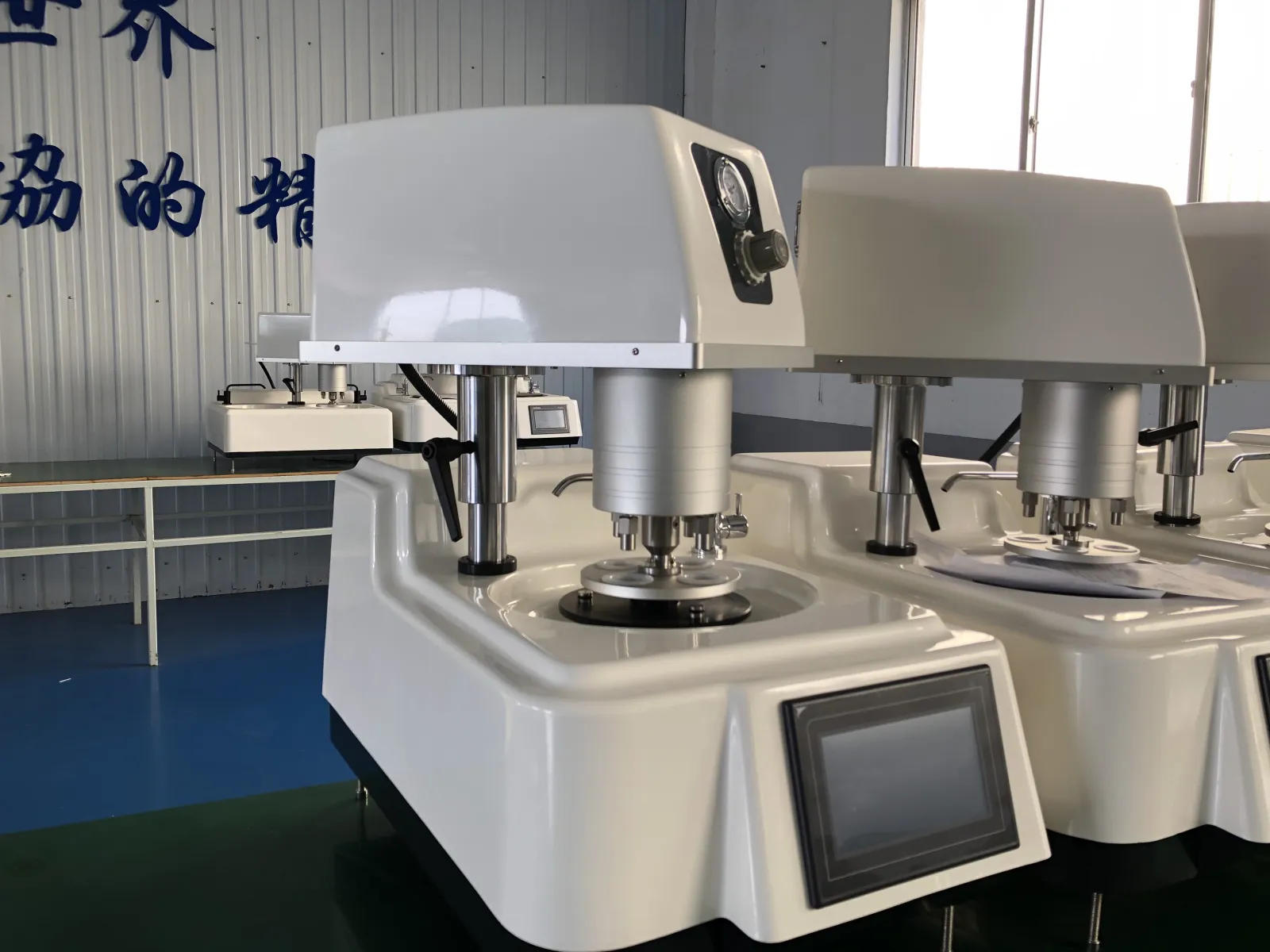
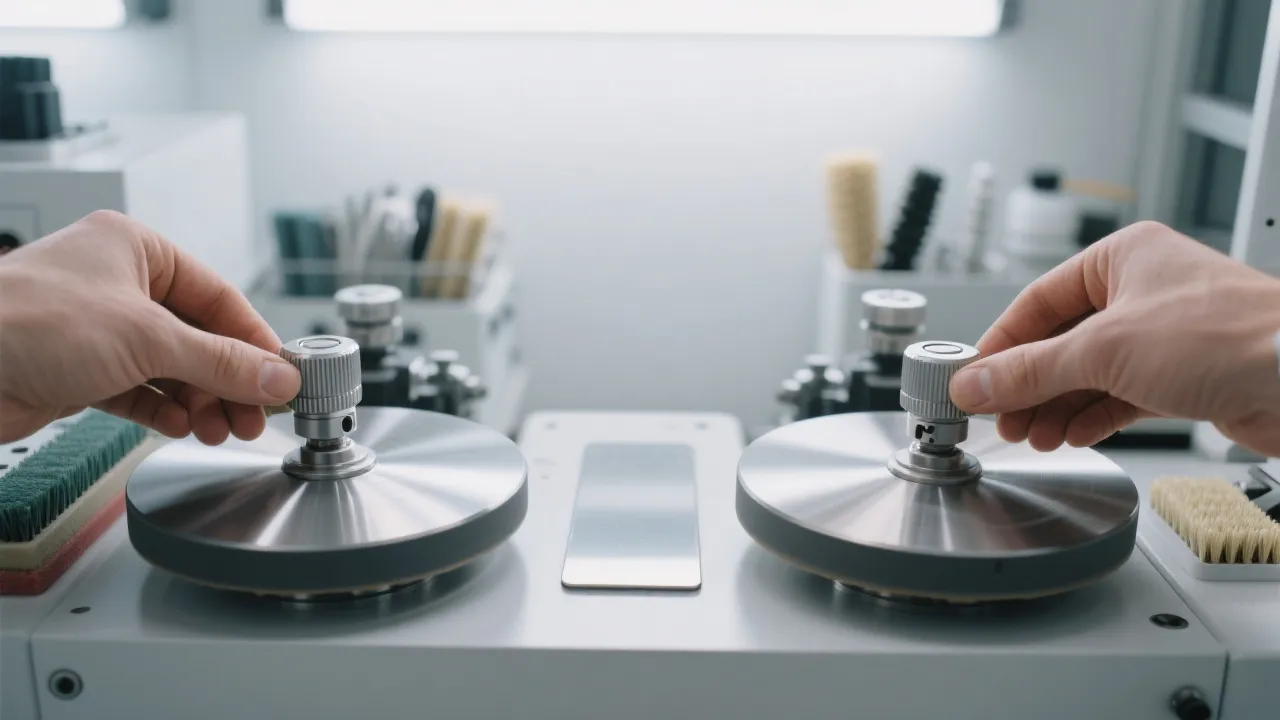
When you standardize your workflow, the equipment should support that discipline—not fight it. A dual-disc manual grinding & polishing platform can help you keep steps consistent and reduce unnecessary handling between stages. In many QC settings, this translates into smoother training, fewer “personal methods,” and more repeatable surface outcomes.
For teams building audit-ready preparation aligned with commonly referenced frameworks (such as ASTM E3 principles), choosing a stable, maintainable system is part of the consistency strategy. 锦骋 (Jincheng) positions the MP-2S dual-disc manual grinder/polisher for users who value clear operating routines, dependable day-to-day performance, and documentation-friendly maintenance.
Make Every Prep Step Defensible: Explore MP-2S for Consistent Metallographic Preparation
If your goal is repeatability you can trust—across operators, shifts, and batches—consider a platform designed for stable operation and routine maintenance. Choose an ASTM/ISO-aligned approach with MP-2S so each preparation is reliable for imaging and decision-making.
Learn more about the MP-2S dual-disc manual grinding & polishing machine
Recommended for labs and production QC teams seeking consistent metallographic sample preparation and easier process control.



Hardness-Tester7MHVS-1000A-1.jpg?x-oss-process=image/resize,m_fill,h_600,w_600/format,webp)

Hardness-Tester7MHVS-5103050A-1.jpg?x-oss-process=image/resize,m_fill,h_600,w_600/format,webp)