Standardized Metallographic Sample Preparation for Consistent Results: SOP for Grinding & Polishing
16 03,2026
Jin Cheng
Tutorial Guide
Improving metallographic sample preparation consistency is essential for reliable material characterization and repeatable test data. This guide breaks down the three primary causes of inconsistency you may encounter—operator variability, equipment condition drift, and environmental interference—and turns them into actionable controls. You will learn practical SOP steps such as standardized RPM settings, spindle balance verification, cleaning methods for grinding/polishing consumables, and daily maintenance routines that stabilize process outputs. Referencing widely used practices aligned with ASTM E3, the article also highlights long-term stability measures including seal inspection, dust prevention, and temperature/humidity monitoring. Aided by visual checklists and video-style demonstrations, it helps you strengthen process discipline and quality control, while naturally showing how JinCheng solutions (including MP-2S dual-disc systems) support more stable, efficient metallography workflows.
Metallographic Sample Prep Consistency: The Standardized Workflow You Can Actually Run Every Day
If your microstructure images, hardness values, or inclusion ratings fluctuate across operators or shifts, the root cause is often not the material—it’s preparation variability. You can reduce that variability dramatically with a standardized, auditable routine that controls people, machine state, and environment—the three biggest drivers of inconsistency in grinding and polishing.
Interactive check: Have you ever seen the same alloy show “more martensite” on Monday and “more ferrite” on Friday—without any process change upstream? That’s a classic sign your prep is drifting.
Where Inconsistency Really Comes From (and How It Shows Up)
1) Human variation (pressure, time, “feel”)
Different hands apply different force, dwell time, and rinsing habits. In practice, this often creates edge rounding, pull-outs, or inconsistent scratch depth that forces you to “over-polish” and blur true microstructural boundaries. In many labs, operator-driven variation alone can shift final Ra by 20–40% across shifts on the same material and cloth system.
2) Equipment state drift (speed accuracy, spindle balance, vibration)
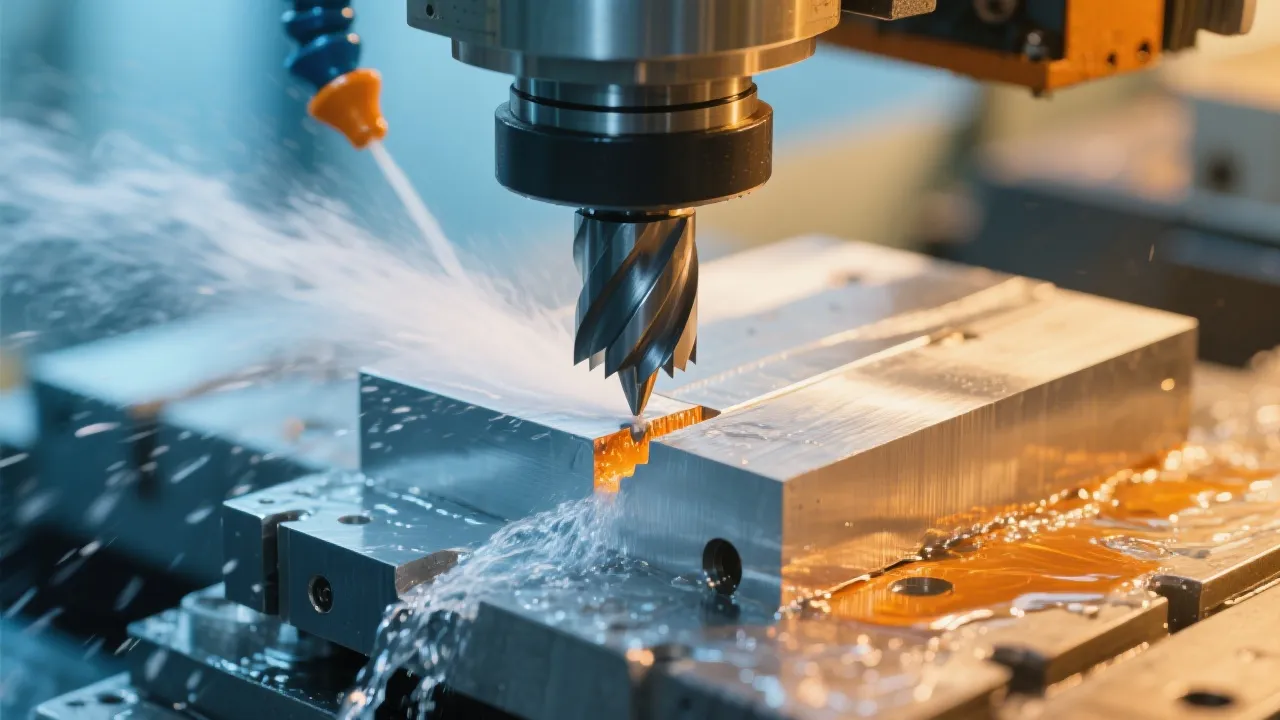
A grinder/polisher can “run” while quietly drifting: belt tension, spindle wear, platen runout, or loose fixtures create micro-vibration and uneven contact. The result is random scratches that reappear after fine polishing, or a finish that looks acceptable at 100× but fails at 500×.
High humidity promotes slurry clumping and cloth loading; airborne particles can seed deep “mystery scratches.” If your room swings from 18–28°C or RH varies by 20%+, your consumables behave differently day to day—even with the same nominal recipe.
Your Standardized SOP: A Step-by-Step Workflow to Lock in Repeatability
The goal is simple: convert tacit “operator skill” into explicit parameters you can train, audit, and reproduce. This aligns well with common guidance in ASTM E3 (preparation of metallographic specimens): control each stage so the observed microstructure is representative, not an artifact of prep.
SOP Block A — Define non-negotiable parameters (post them on the machine)
Platen speed: set fixed RPM bands per step (example: coarse grind 200–300 rpm; fine grind 150–200 rpm; final polish 80–150 rpm). Avoid “dialing by feel.”
Specimen pressure: standardize load (example reference: 20–30 N per specimen in semi-automatic mode; if manual, standardize hand pressure using a simple spring scale training).
Time per step: define min/max windows (example: 60–120 s per grit step) and a clear stop condition (scratch pattern uniformity).
Direction logic: rotate specimen orientation 90° between steps to confirm scratch removal before advancing.
Water/slurry flow: keep consistent (too little loads cloth; too much hydroplanes the contact).
SOP Block B — Consumables control (the silent driver of repeatability)
Most “inexplicable” variability is consumables drift: cloth glazing, paper wear, contaminated slurry bottles, or cross-step carryover. Treat consumables like calibrated tools.
Grinding paper change rule: change when removal rate drops or when visible loading appears; as a practical benchmark, many labs replace SiC paper every 3–8 specimens depending on hardness and area.
Polishing cloth change rule: set a maximum usage count (e.g., 30–80 specimens) and track it; cloth that “still looks fine” can still be glazed.
One step, one bottle, one label: never reuse bottles across diamond sizes; label with particle size, mix date, and operator initials.
Contamination barrier: dedicated rinse + wipe between steps; never place a specimen face-down on the bench.
SOP Block C — Cleaning that prevents rework (and protects your data)
Use a repeatable cleaning sequence: rinse → gentle brush (if needed) → detergent wash → DI rinse → alcohol displacement → warm air dry. In many metallography labs, implementing alcohol displacement drying alone reduces watermark/stain defects by 30–50% on sensitive alloys.
Operator rule: If you see a new scratch after moving to a finer step, assume contamination first—not “bad cloth.” Stop, clean the platen/cloth perimeter, rinse the specimen, and restart the same step for a short cycle.
Practical Tools You Can Copy Into Your Lab (Checklists + Templates)
Stabilizes long-term repeatability and audit readiness
Common Error Scenarios (Real-World) and How You Correct Them
Case 1: “Random deep scratches” that survive final polish
You see isolated deep scratches at the end, even though your fine polishing looks smooth overall. This is usually carryover contamination: a coarse particle from paper, a dirty rinse station, or slurry crust at the platen edge.
Stop and clean the machine perimeter (where dried slurry flakes fall back).
Replace or clean rinse brushes; separate brushes per grit family.
Short re-run on the same step (not finer) until scratch population disappears.
Case 2: Edges rounded, inclusions pulled out, microstructure looks “soft”
This often points to excessive time/pressure on soft cloth, wrong lubricant amount, or cloth glazing that increases friction and smearing. Tighten your step time window, lower pressure, and enforce cloth life tracking. In many QA labs, simply standardizing pressure and cloth change intervals cuts rework by 15–30% over 4–8 weeks.
Long-Term Stability: Make Consistency a System, Not a Person
If you want repeatability that holds up across new hires, audits, and production surges, build a closed-loop system: training, documentation, and prevention. For many manufacturing labs, the best KPI isn’t “beautiful samples”—it’s a measurable reduction in variability (for example, keeping key surface finish outcomes within a ±10–15% band under the same recipe).
Seal checks + dust prevention
Inspect seals weekly and treat slurry ingress as a reliability risk. Add simple dust control: dedicated prep area, covered consumables, and a “no open abrasive near polishing cloths” rule.
Temperature & humidity monitoring
Use an inexpensive logger and define action limits (example: 20–24°C, 40–60% RH for many labs). When you go out of range, increase cleaning frequency and shorten cloth usage intervals.
Evidence-ready documentation
Keep logs readable and consistent: date, operator, recipe ID, consumables lot, deviations. When a customer challenges results, your records turn “trust me” into traceable proof.
Where the Right Machine Design Supports the SOP (Without “Magic”)
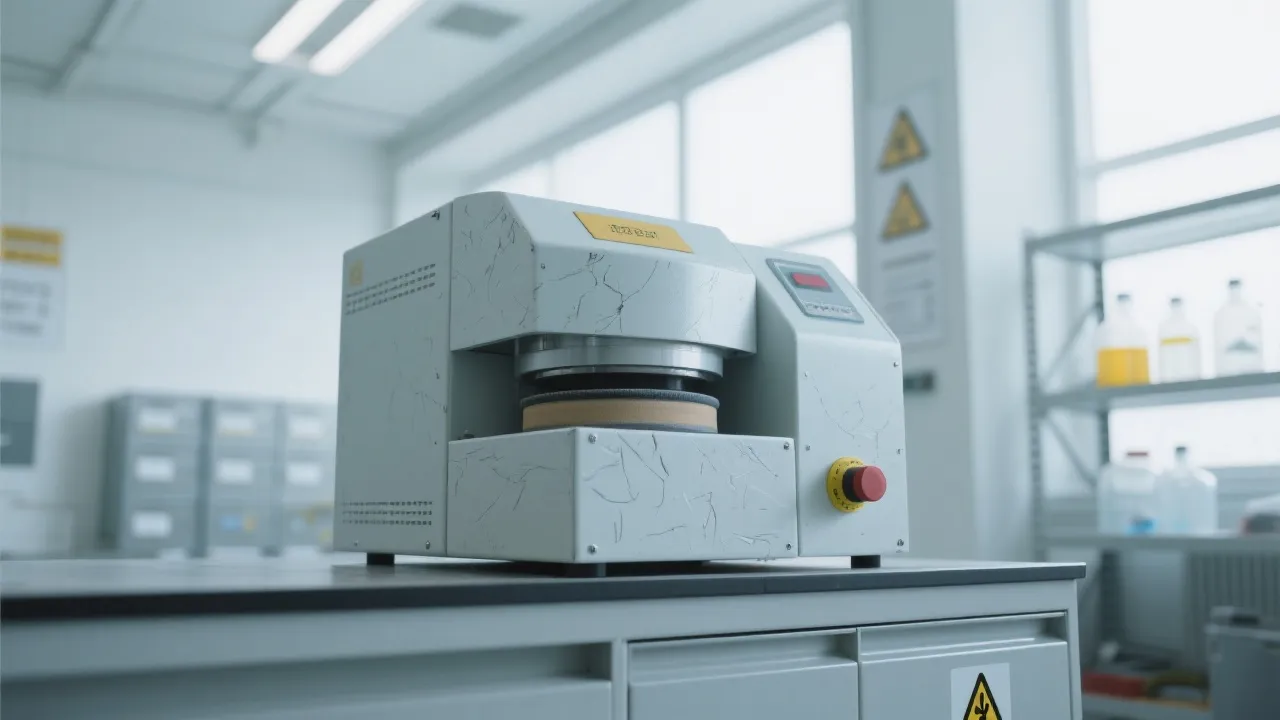
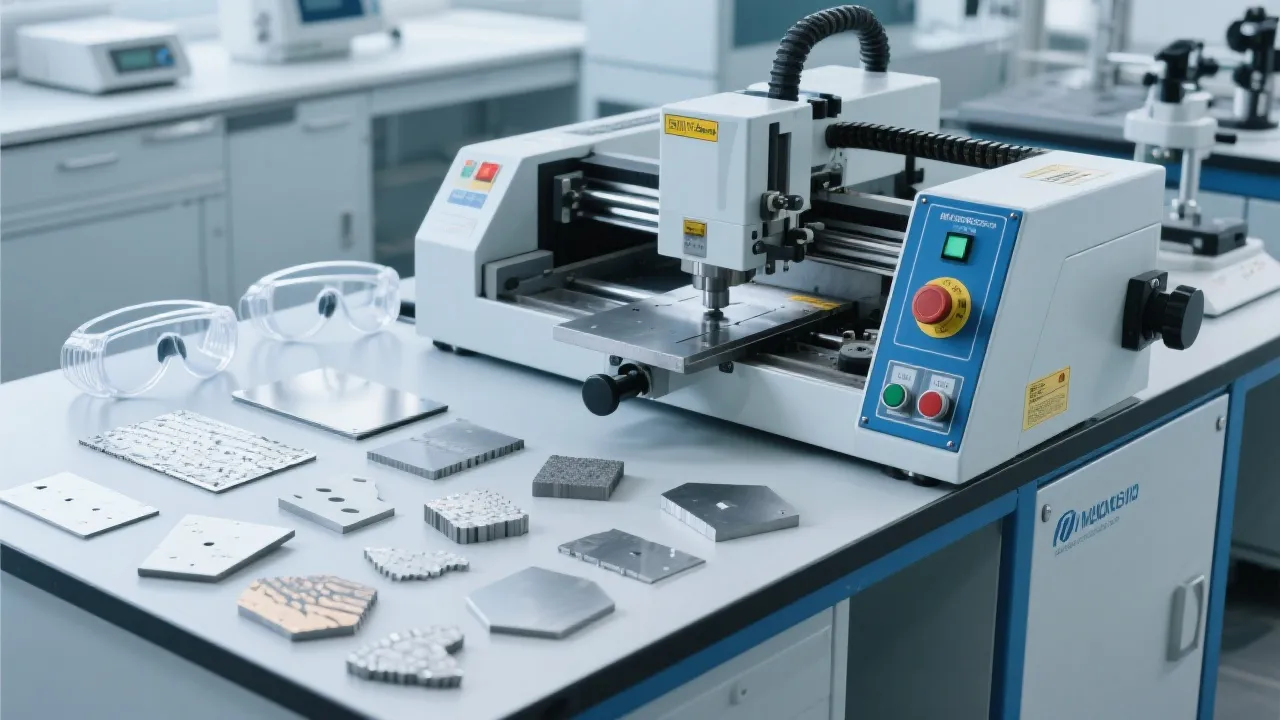
A strong SOP still benefits from equipment that’s designed to hold settings and resist drift. When you evaluate a manual grinder polisher or a dual-disc platform, prioritize stable speed control, robust spindle structure, easy cleaning geometry, and durable industrial materials. In practice, these features reduce the “small daily deviations” that accumulate into inconsistent outcomes.
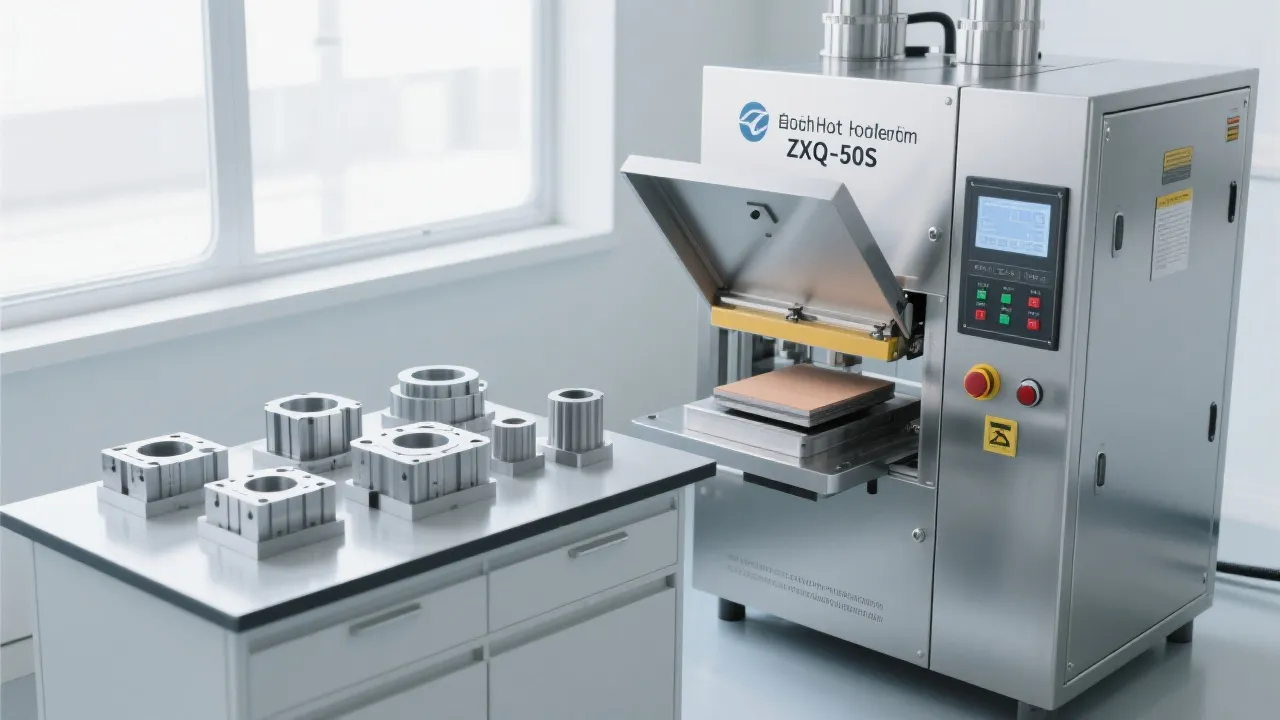
锦骋 focuses on practical reliability for metallography workflows. If you’re aiming to standardize across operators, a platform like the MP-2S dual-disc grinder (often selected for its integrated, multi-use configuration and workshop-friendly build) can make it easier to enforce fixed recipes and maintenance discipline—especially when you run frequent sample batches and need repeatability more than experimentation.
Want More Stable, More Repeatable Prep—With Less Rework?
If your lab is standardizing recipes, training operators, or tightening QC, you’ll get the best results when your workflow and equipment reinforce each other.


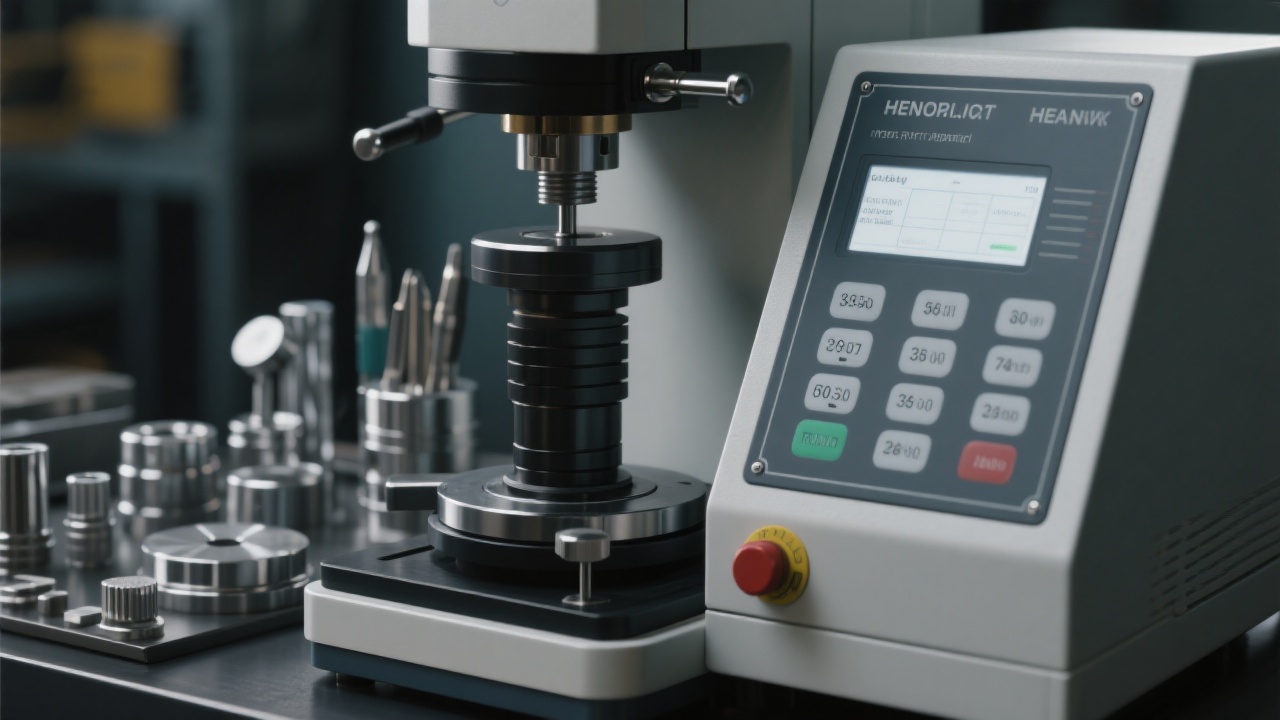
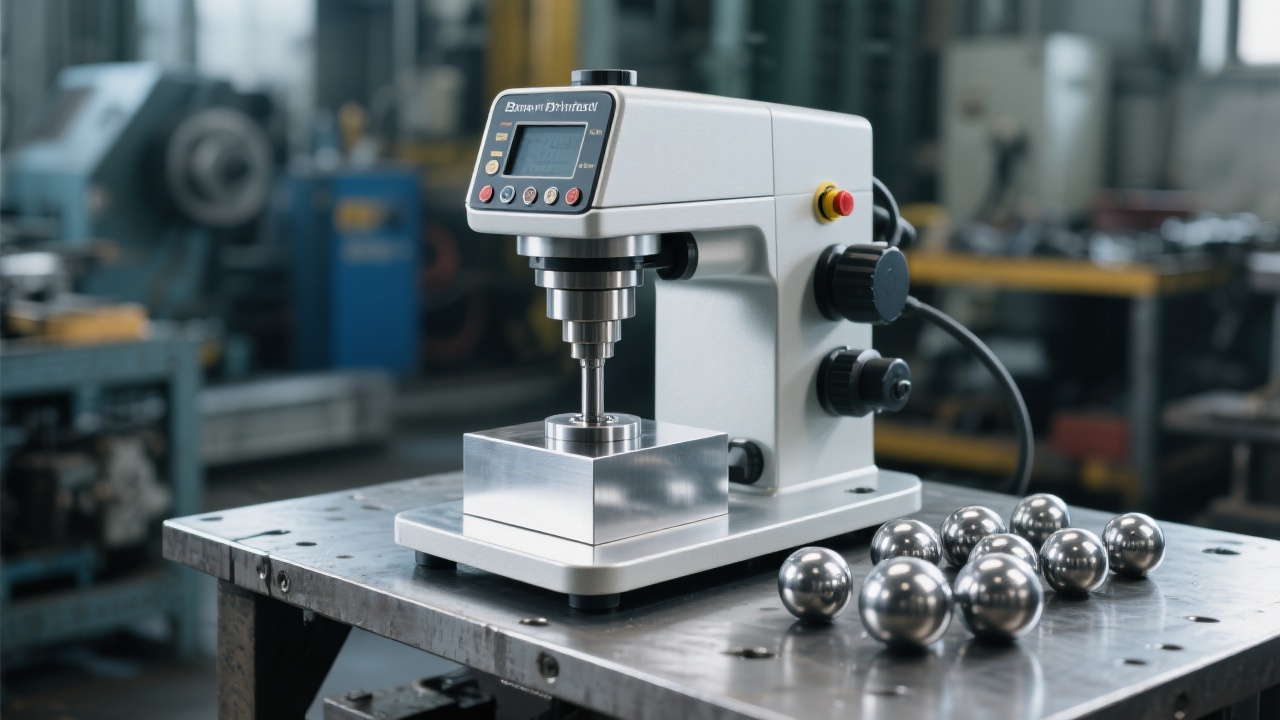
Hardness-TesterHVS-5103050-1.jpg?x-oss-process=image/resize,m_fill,h_600,w_600/format,webp)
-1.jpg?x-oss-process=image/resize,m_fill,h_600,w_600/format,webp)

Hardness-TesterHV-1000A-1.jpg?x-oss-process=image/resize,m_fill,h_600,w_600/format,webp)


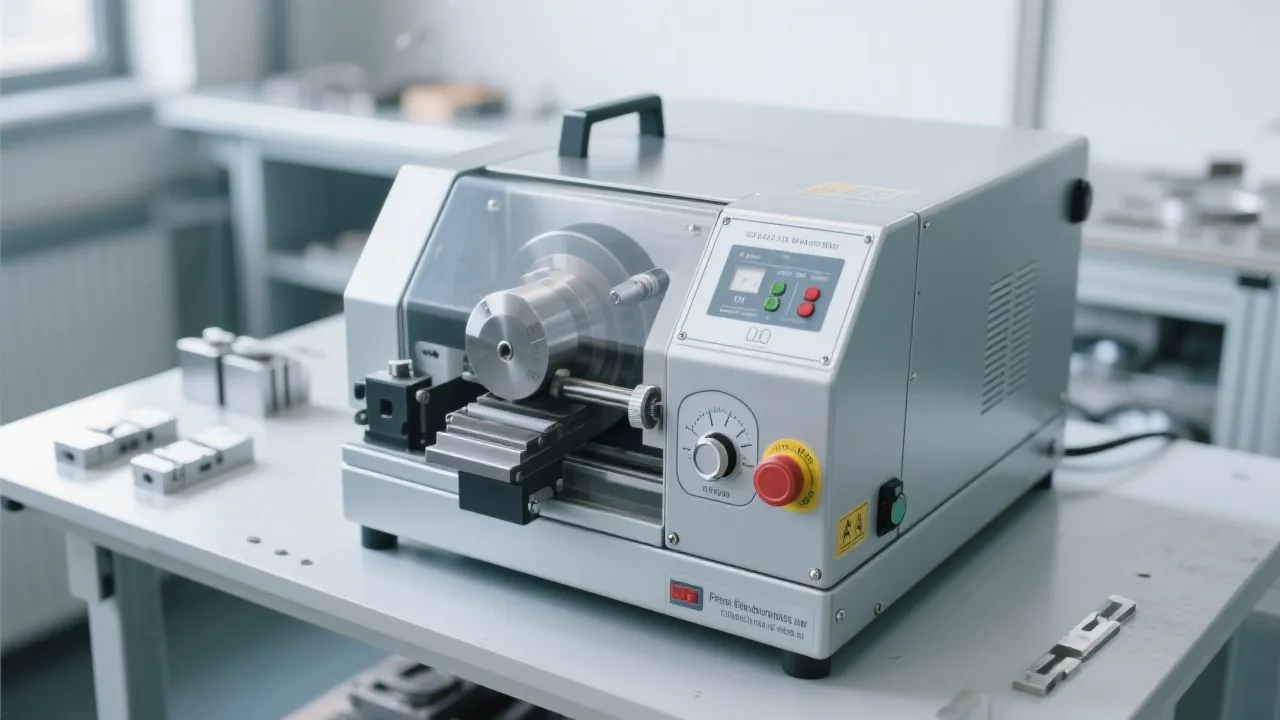
Hardness-TesterHV-5103050A-1.jpg?x-oss-process=image/resize,h_1200,m_lfit/format,webp)