Selecting metallographic sample preparation equipment is a practical decision that affects lab efficiency, sample repeatability, and the reliability of microstructure evaluation. This page provides a clear framework to compare manual and computerized preparation solutions—so laboratories, manufacturing plants, universities, and research institutions can match equipment to real inspection and teaching workflows.
As a dedicated manufacturer in metallographic and hardness testing since 2004, Laizhou Jincheng Industrial Equipment Co.,Ltd supports customers with complete equipment-and-consumables solutions for metallographic sample preparation and related testing processes.
| Decision factor | Manual preparation equipment | Computerized preparation equipment |
|---|---|---|
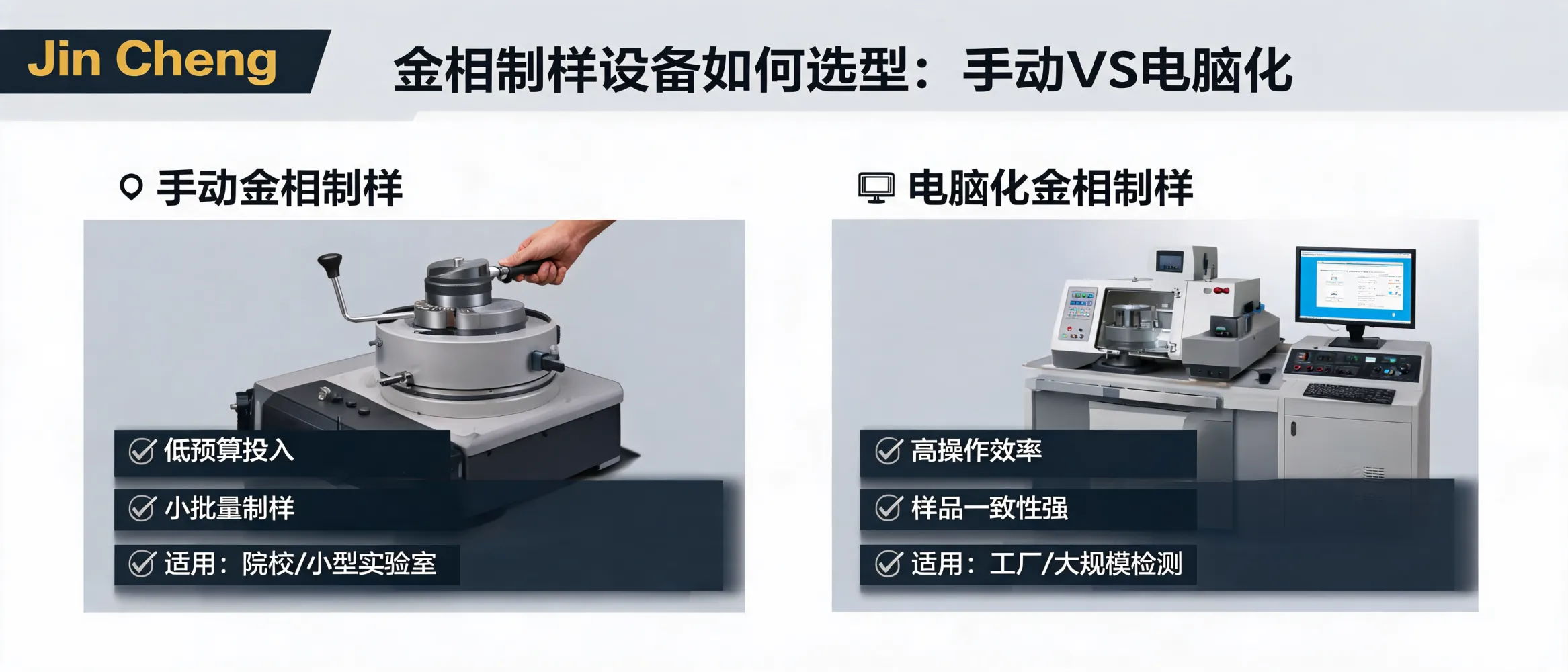
| Efficiency / throughput | Best for lower to moderate sample volume or when flexibility matters more than speed; operator controls each step. | Better for routine, repeated tasks and higher sample volume; automation helps stabilize cycle time and reduce rework. |
| Consistency | More dependent on operator experience and technique; good for training and exploratory work where adjustments are frequent. | Automation and controlled parameters can improve sample-to-sample repeatability—especially valuable for QC comparison. |
| Skill requirements | Requires hands-on skill; suitable for teaching environments where learning preparation fundamentals is important. | Designed to reduce operator dependency; suitable when staffing varies or when multiple users need comparable outputs. |
| Automation need | Manual control is ideal for frequent method changes and special samples that need iterative adjustment. | Best where standardized methods and workflow automation are priorities; supports stable preparation routines. |
| Budget & total cost | Lower entry cost; budget-friendly for foundational teaching labs and basic material analysis needs. | Higher initial investment; may be justified by reduced variability, reduced rework, and scalable productivity. |
| Typical users | Universities, training centers, labs with diverse sample types and limited daily volume. | Factories and research labs needing repeatable workflows, standardized QC, and consistent documentation readiness. |
Note: The best choice depends on your sample types, target finish, and inspection method. Consider matching the preparation route to your actual microscopy and reporting requirements.
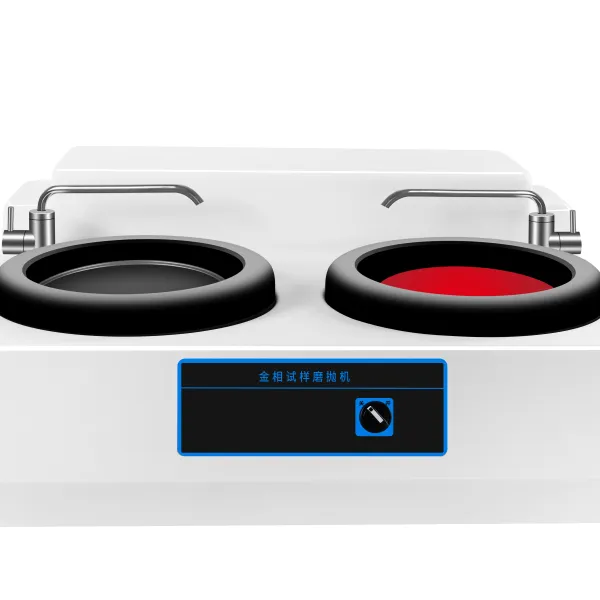
Laizhou Jincheng’s manual metallographic preparation equipment focuses on straightforward operation and practical training suitability—supporting foundational metallographic workflows.
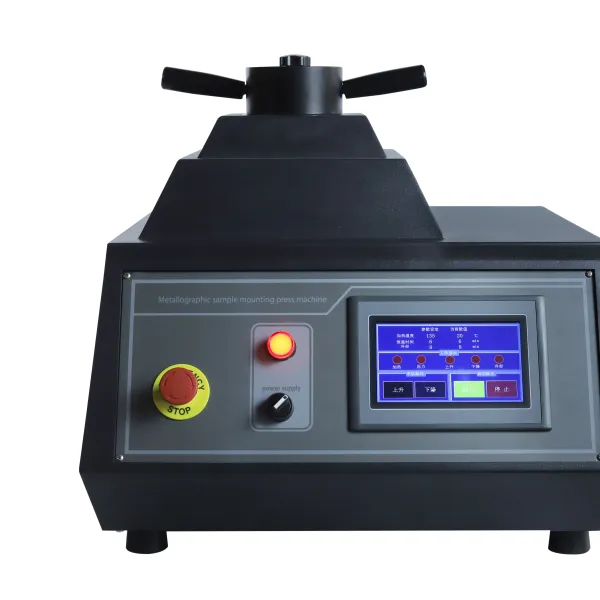
Laizhou Jincheng’s computerized preparation solutions are built for controlled processing and precise preparation, helping high-end research and precision industrial metallography maintain stable results.
Often prefer manual systems for instruction and method learning; computerized systems are added when courses require higher repeatability and standardized results.
Typically prioritize consistency and cycle time; computerized preparation helps stabilize routines and reduce operator-to-operator variation.
Commonly adopt computerized solutions for precise, repeatable preparation; manual options remain useful for special samples requiring frequent adjustments.
Preparation choice is often tied to whether inspection is routine (favor automation) or exploratory/troubleshooting (favor manual flexibility).
If you share your typical sample materials, daily sample volume, and required finish level, we can help map a practical manual or computerized metallographic sample preparation configuration that fits your workflow and budget.
Need a clear recommendation?
Tell us your workflow requirements; we’ll help you choose between manual and computerized preparation.