In the field of metallographic sample preparation, achieving consistency is crucial for obtaining accurate and reliable test data. This article will delve into three key factors that affect the consistency of metallographic sample preparation: human operation errors, equipment status fluctuations, and environmental interference.
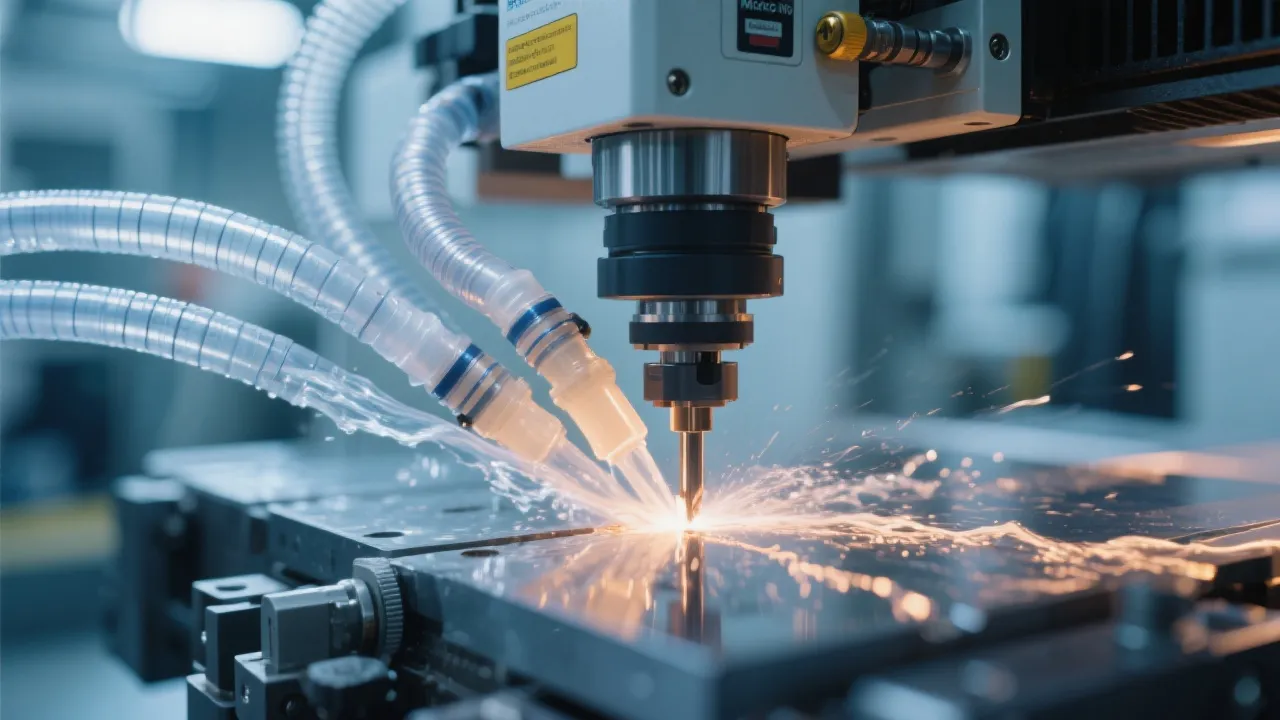
Human factors often play a significant role in the preparation of metallographic samples. According to industry statistics, approximately 30% of inconsistent results can be attributed to manual operation errors. For example, improper speed setting during the grinding and polishing process can lead to uneven surface finish. In one real - world case, a technician set the speed 20% higher than the standard, resulting in a rough surface and inaccurate microstructure observation. Standardizing the operation process is essential. The standard speed for the initial grinding stage should be around 150 - 200 revolutions per minute (RPM), and it should be gradually reduced to 50 - 100 RPM during the final polishing stage. Figure 1 shows a graphical demonstration of the correct speed - setting process.
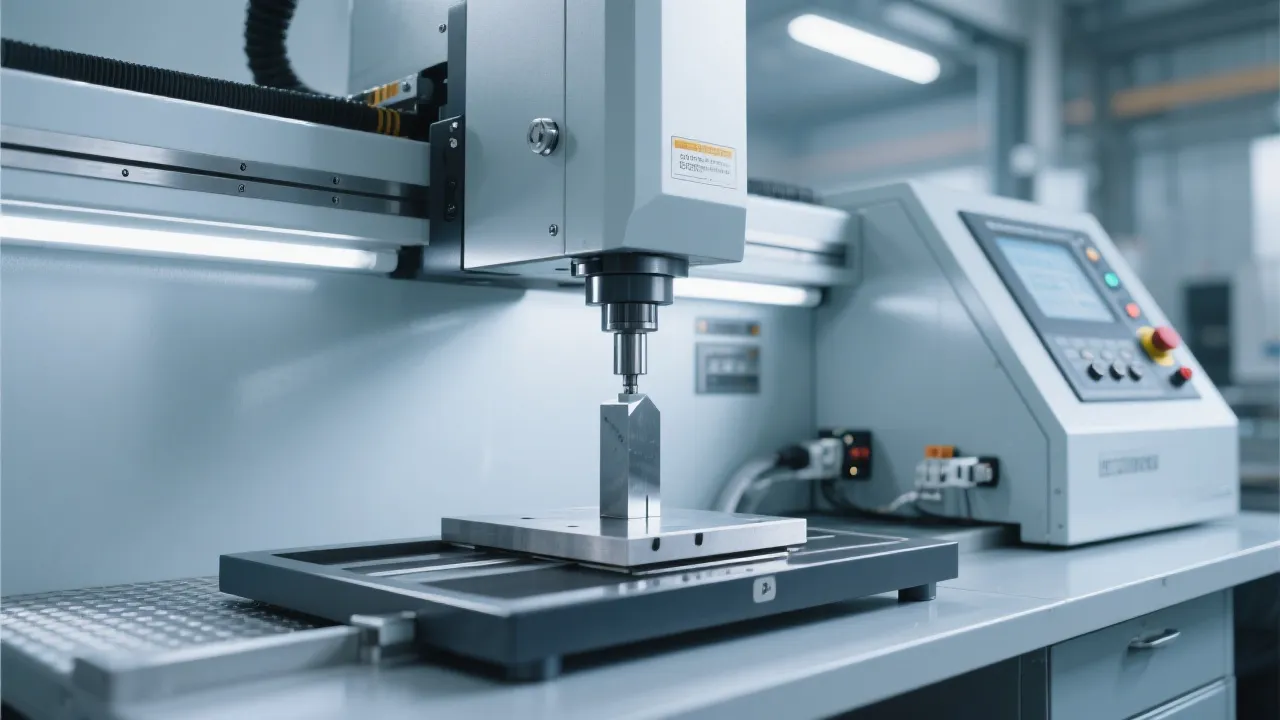
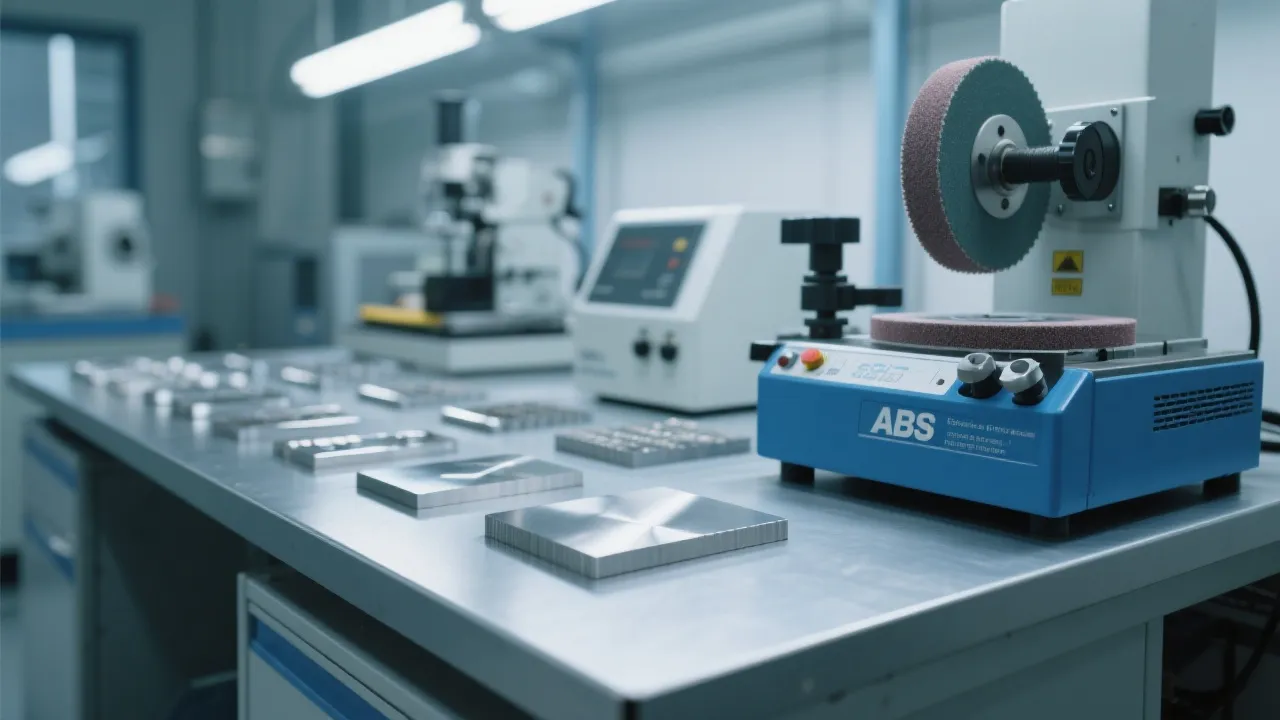
Equipment condition is another major factor affecting sample preparation consistency. If the spindle is not properly balanced, it can cause vibration during operation, which may lead to about 25% of defective samples. Regular calibration of the spindle is necessary. For example, the spindle should be calibrated every 50 hours of operation. Additionally, keeping the grinding disc and polishing cloth clean is vital. A dirty grinding disc can reduce the cutting efficiency by up to 30%. The grinding disc should be cleaned after every 10 samples, and the polishing cloth should be replaced every 20 samples. Lubrication and sealing checks are also important steps in equipment maintenance. Figure 2 illustrates the steps of spindle calibration and grinding disc cleaning.
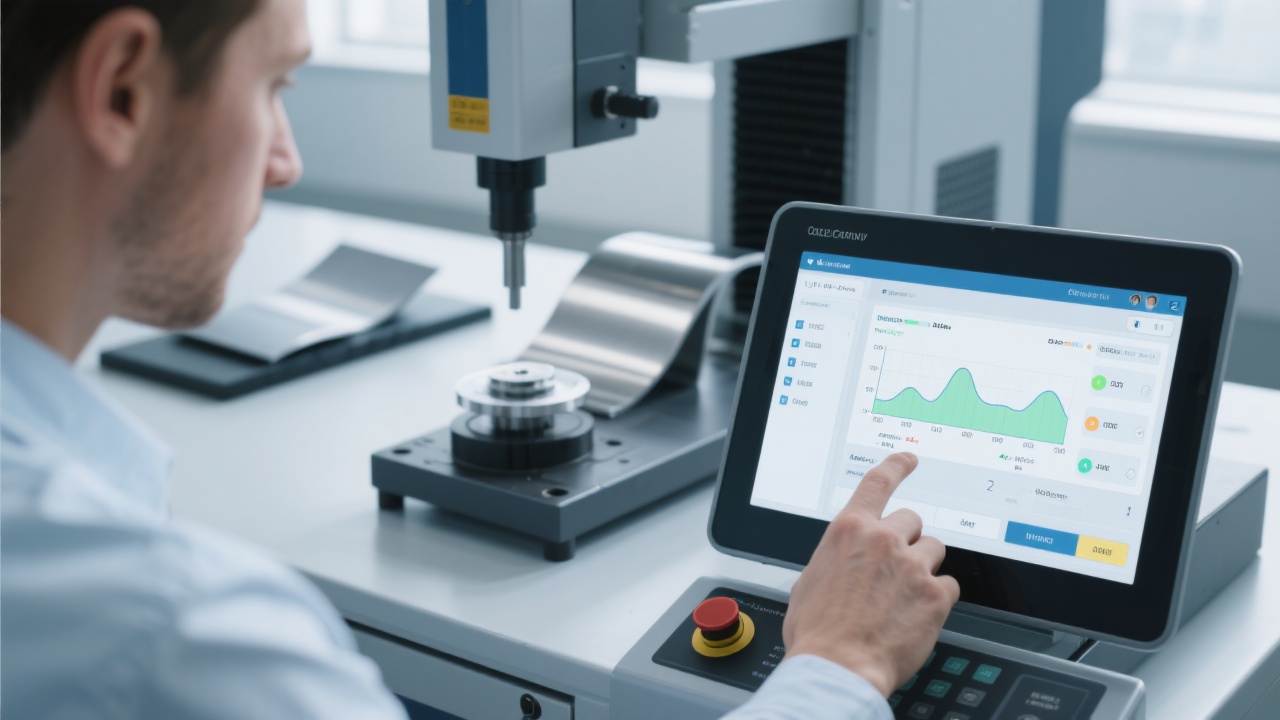
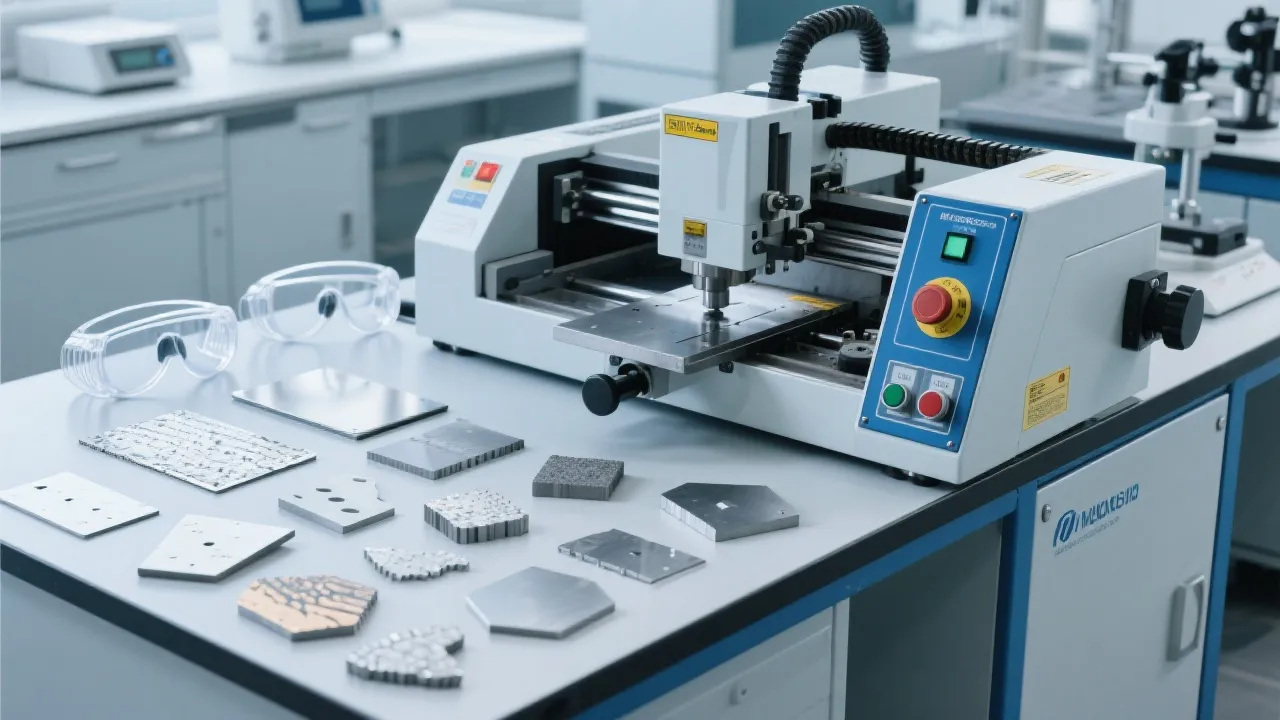
Environmental conditions in the laboratory or industrial field, such as temperature, humidity, and cleanliness, can also have a significant impact on sample preparation. High humidity (above 60%) can cause oxidation on the sample surface during the preparation process, affecting the accuracy of microstructure analysis. Temperature fluctuations of more than 5°C can lead to thermal expansion or contraction of the sample, resulting in measurement errors. Therefore, maintaining a stable environment is crucial. The temperature should be controlled within 20°C - 25°C, and the humidity should be kept below 50%. Installing air - conditioning and dehumidification equipment can help achieve these environmental requirements. Figure 3 shows the relationship between environmental factors and sample quality.
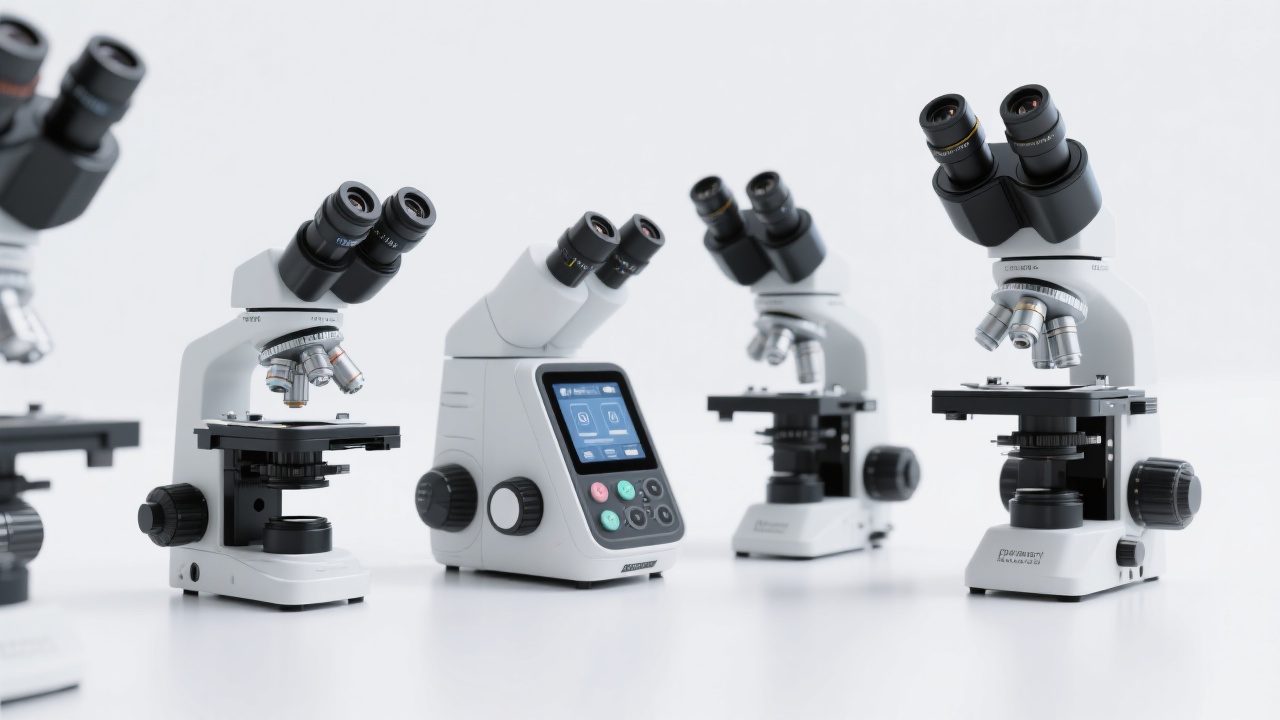
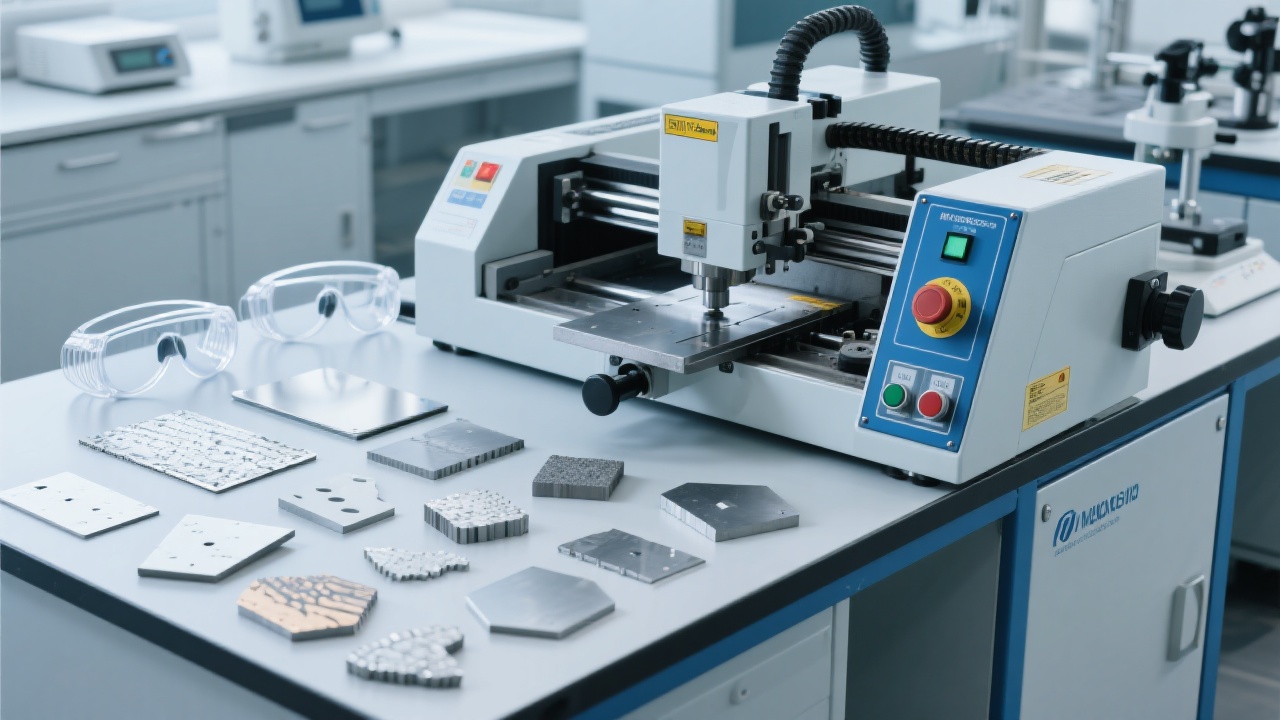
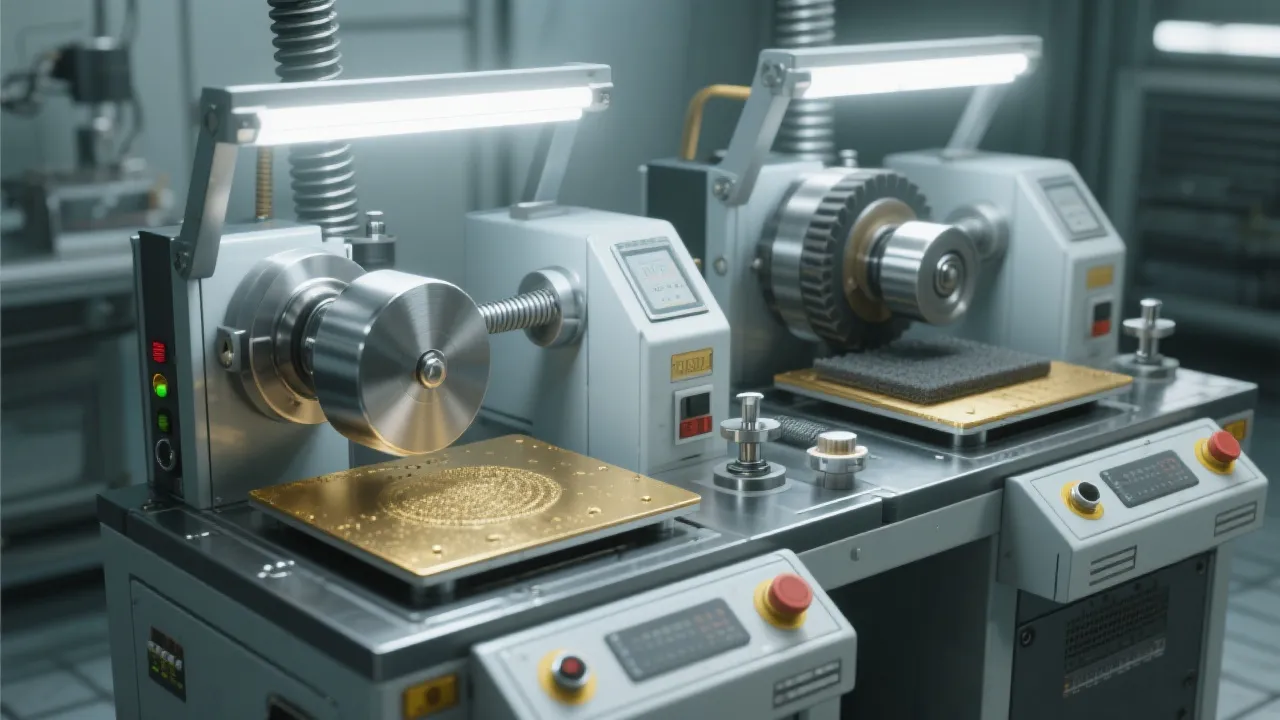
To improve the consistency of metallographic sample preparation, we highly recommend the Laizhou Jincheng MP - 2S Double - Disc Manual Grinding and Polishing Machine. This machine features advanced technology and high - precision components, ensuring stable and reliable performance. It allows for easy adjustment of speed and pressure, meeting the requirements of different sample preparation processes. Moreover, Laizhou Jincheng provides excellent after - sales service, including professional technical support and timely spare parts supply. With this machine, you can significantly enhance the quality of your sample preparation, increase the credibility of your test data, and improve customer satisfaction.
Explore the Laizhou Jincheng MP - 2S Double - Disc Manual Grinding and Polishing Machine Now!

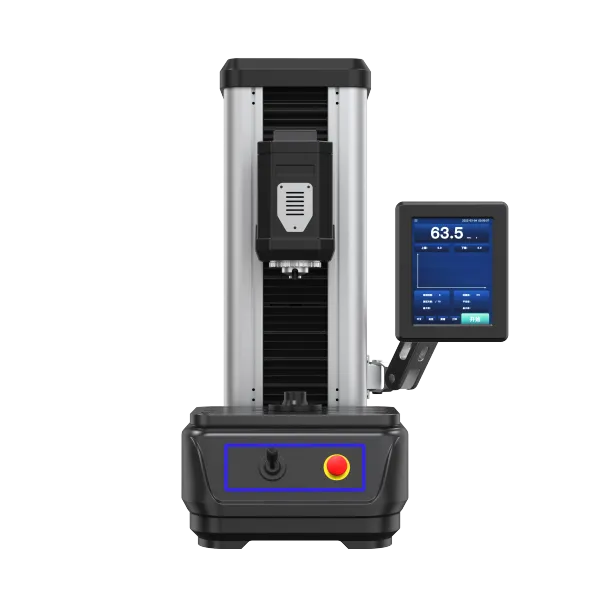






Hardness-Tester7MHVS-1000A-1.jpg?x-oss-process=image/resize,h_1200,m_lfit/format,webp)