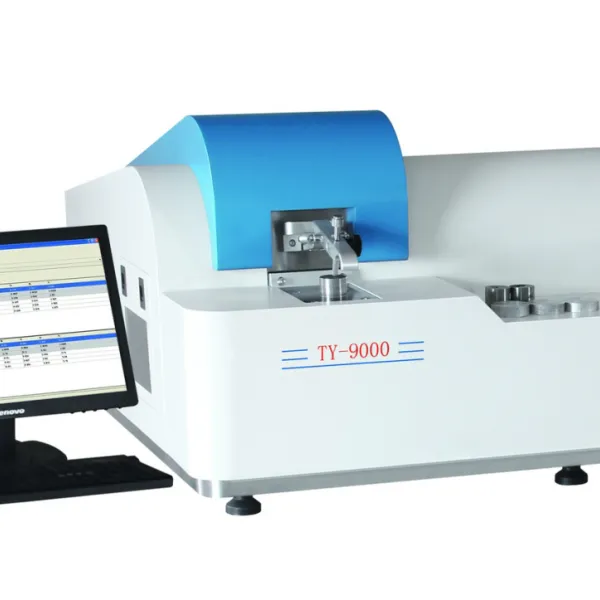
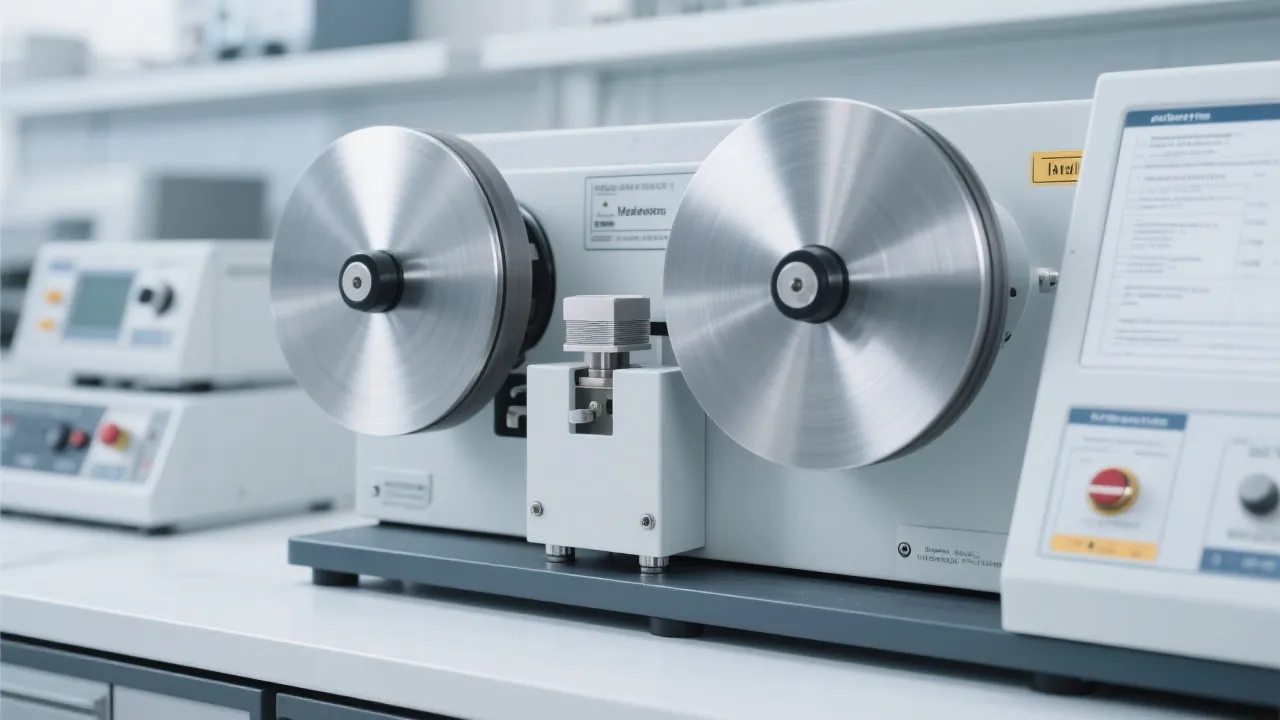
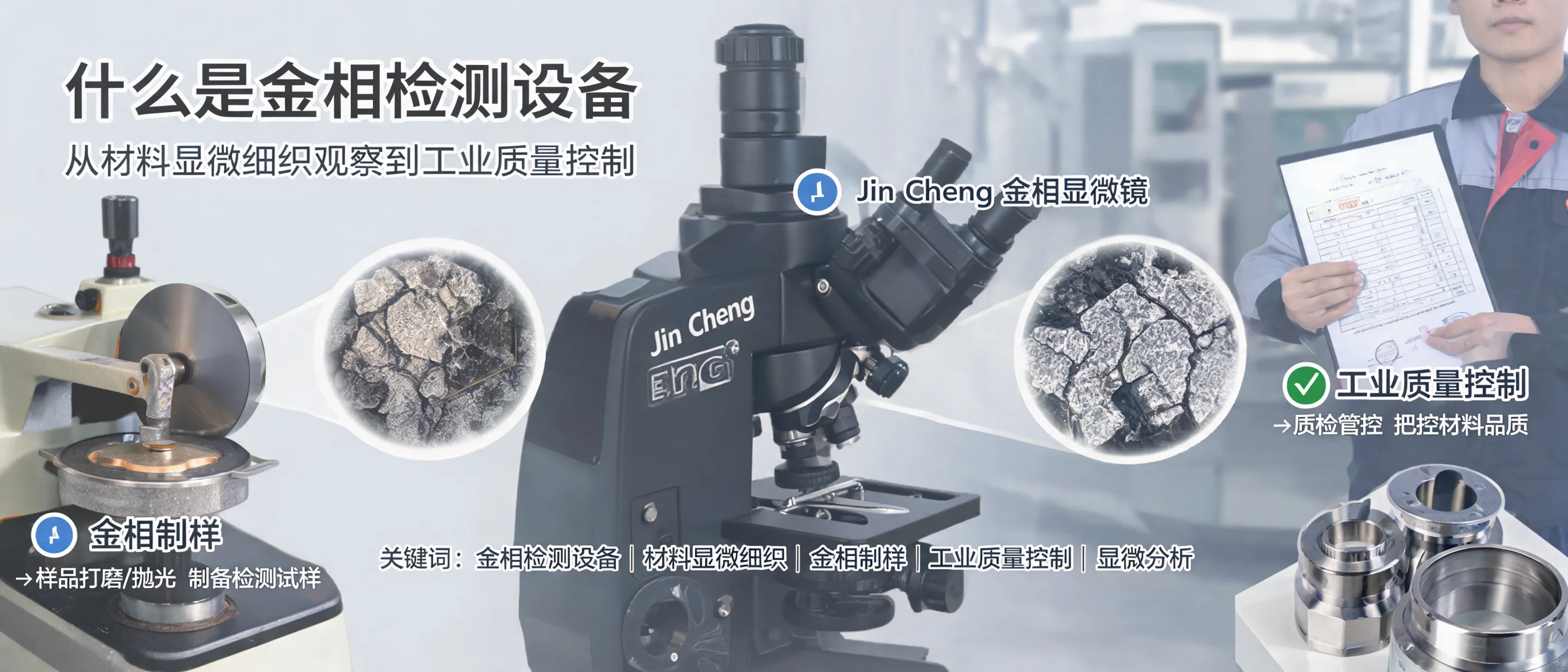
Metallographic testing equipment is used to connect material structure with performance and quality decisions—from R&D labs to shop-floor inspection. Laizhou Jincheng Industrial Equipment Co.,Ltd (founded in 2004) supports B2B users with complete solutions covering sample preparation, microscopic observation, and result analysis, aligned with common international practices (e.g., ASTM / ISO requirements for metallographic preparation and evaluation).
How this page helps: A scenario-based breakdown of metallographic testing equipment applications across mechanical manufacturing, metallurgy, and research/education, highlighting how configuration priorities differ by workflow, throughput, and reporting needs.
While metallographic tasks vary by industry, most applications follow a stable chain. Configuring equipment becomes easier when you map requirements to each step:
Below are common industrial scenarios and how metallographic testing equipment is typically used. The focus is not “one-size-fits-all,” but selecting the right balance of repeatability, throughput, and operator skill dependence.
Typical goals include verifying heat treatment results, confirming surface/through-hardening characteristics, checking weld/HAZ microstructure, and monitoring defect risks that may affect fatigue or wear performance.
Configuration tip: When throughput and consistency matter, consider computer-assisted preparation systems to reduce process variability, while keeping manual workflows available for quick checks or special samples.
Metallurgical scenarios often require deeper microstructure interpretation—such as phase identification, inclusion assessment, grain size evaluation, and confirmation of process changes (composition, rolling/forging, heat treatment, or coating processes).
Laizhou Jincheng supports both intuitive manual metallographic preparation setups and advanced computerized preparation solutions designed for consistent, standard-aligned sample quality.
In universities and research institutes, metallographic testing is used to teach standard workflows and to support exploratory studies where sample types and objectives change frequently.
Teaching-friendly approach: Manual equipment helps learners understand fundamentals; computerized workflows can then demonstrate how automation improves repeatability and reduces operator dependence.
Laizhou Jincheng Industrial Equipment Co.,Ltd offers both manual and computerized metallographic preparation solutions. The selection typically depends on sample volume, consistency requirements, and the level of documentation needed.
| Decision factor | Manual preparation equipment | Computerized preparation solutions |
|---|---|---|
| Typical use | Basic teaching, preliminary analysis, flexible one-off samples | Repeatable preparation for QC and high-end research workflows |
| Operator dependence | Higher; relies on experience and consistent practice | Lower; automation supports stable process control |
| Consistency & traceability | Good when SOPs are followed; documentation depends on team discipline | Designed for repeatability; easier to maintain consistent outputs across operators |
| Imaging support | Suitable for standard optical observation | Often paired with higher-resolution optical imaging for detailed evaluation |
| Best fit | Training labs, low-to-mid sample volume, budget-focused setups | Quality control teams and labs prioritizing stable, standard-aligned preparation |
Note: Actual configuration should be finalized according to your materials, sample geometry, throughput expectations, and reporting requirements. A short requirement review typically clarifies which steps need automation and which can remain manual.
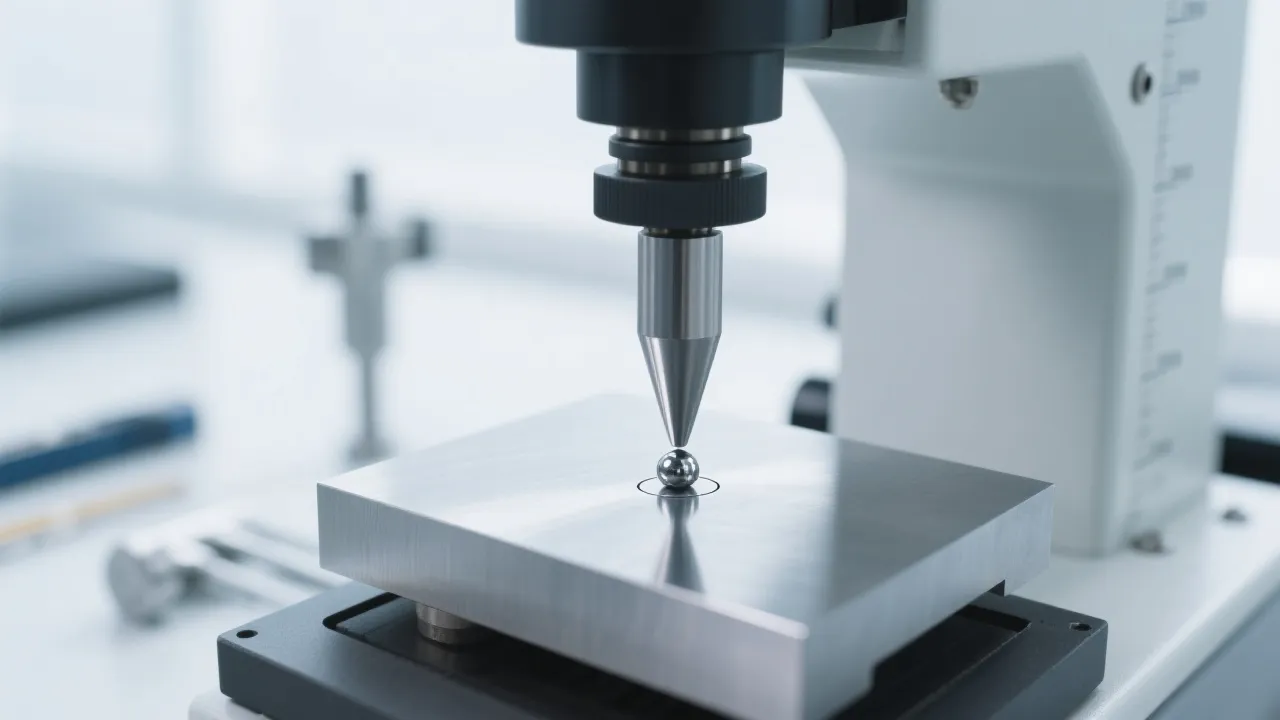
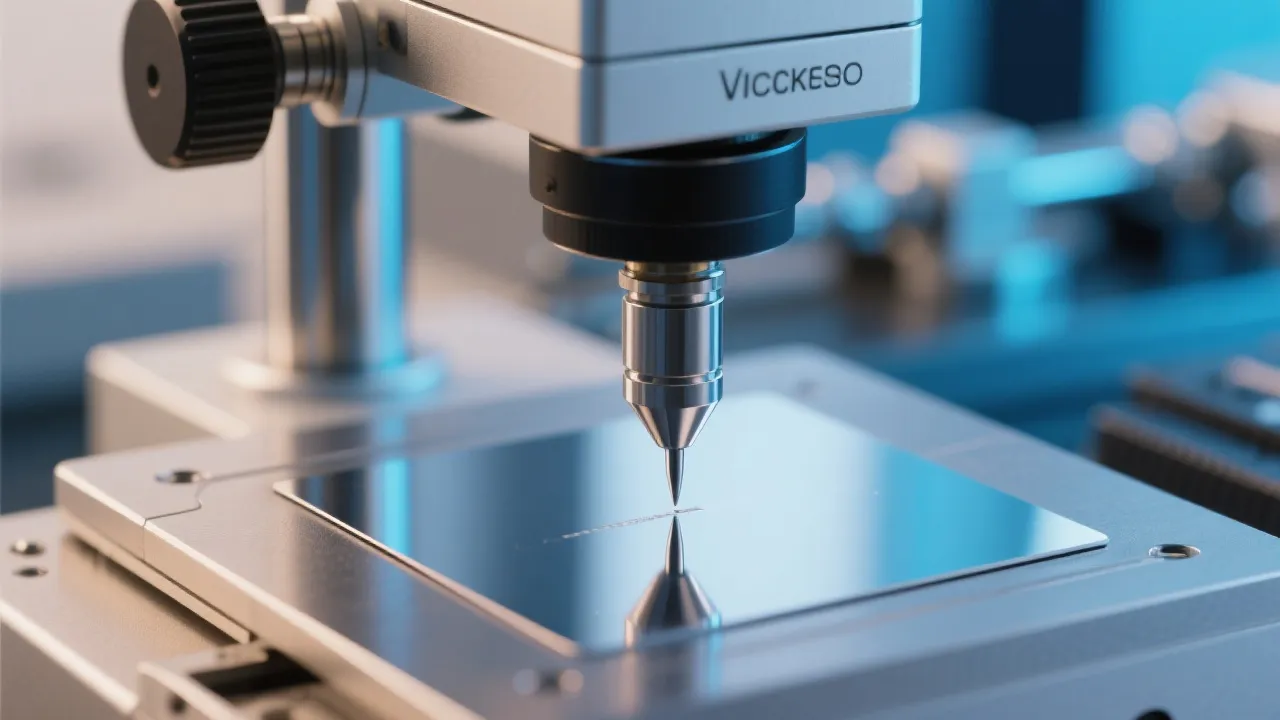
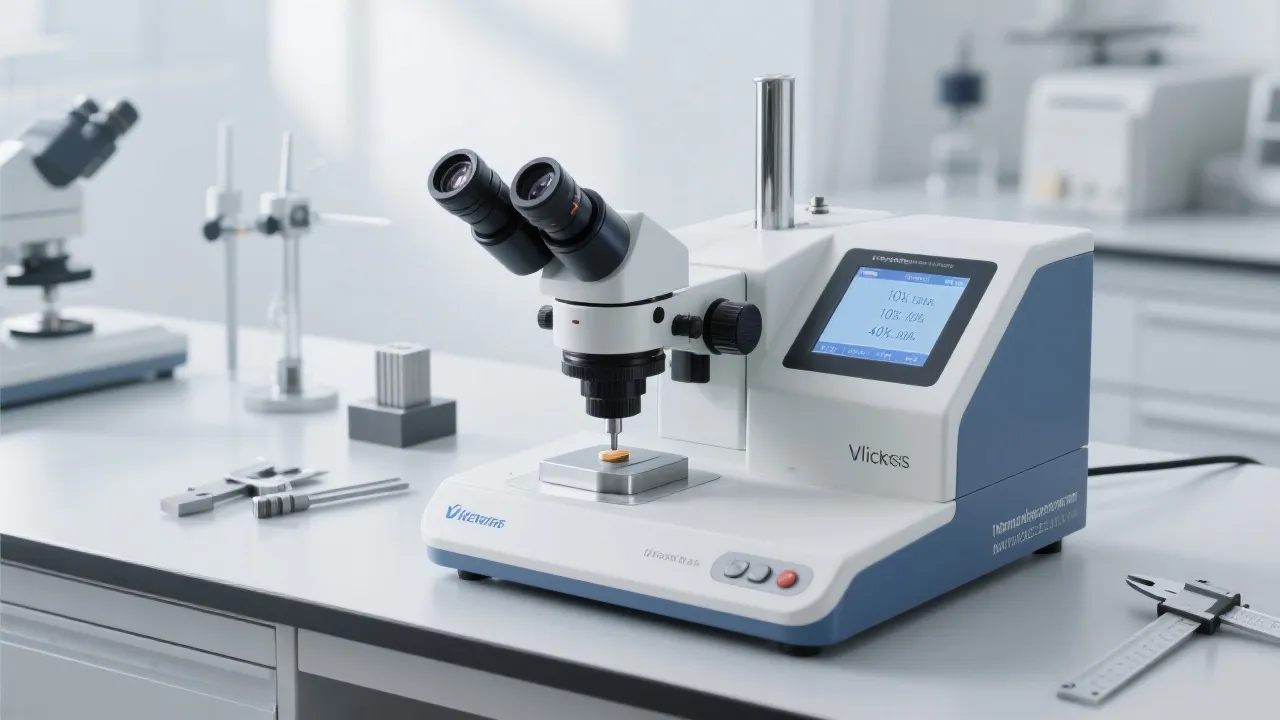
Metallographic observation is often complemented by hardness testing to form a more complete quality picture. Laizhou Jincheng also provides manual hardness testers for quick on-site checks and computerized hardness testing systems featuring high-precision sensing and intelligent data processing to output common hardness scales (e.g., Vickers, Brinell, Rockwell) with statistical support for quality control.
If you are evaluating metallographic testing equipment for mechanical manufacturing, metallurgy, or research/education, the checklist below helps align equipment selection with real operating constraints.
As a B2B supplier serving users in Russia, Southeast Asia, and Europe, Laizhou Jincheng Industrial Equipment Co.,Ltd provides metallographic testing equipment and related solutions for laboratories and industrial environments. For large metallurgical enterprises, the company can also undertake the design, development, and manufacturing of online testing equipment based on user requirements.
To discuss a suitable setup, prepare your application details (material type, sample size, throughput, and reporting needs). A scenario-matched configuration can then be defined around sample preparation, microscopic inspection, and result analysis—from lab use to production support.

Hardness-TesterHVS-1000-1.jpg?x-oss-process=image/resize,m_fill,h_600,w_600/format,webp)