Metallographic Testing Equipment Explained: The Role of Hardness Testers and Metallographic Analysis

01 06,2026
Laizhou Jincheng Industrial Equipment Co.,Ltd
Standard Definition
Learn what metallographic testing equipment is and how hardness testers and metallographic analysis equipment support material inspection, quality control, and failure analysis across industrial applications. By Laizhou Jincheng Industrial Equipment Co.,Ltd.
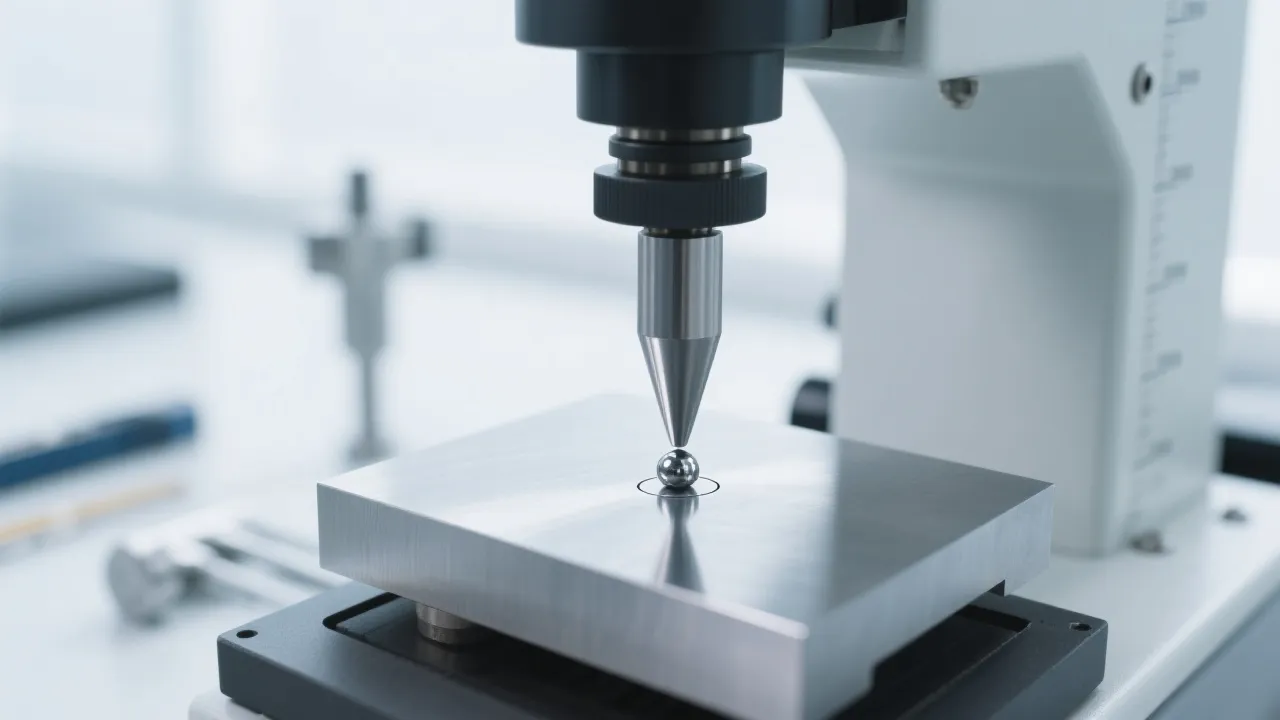
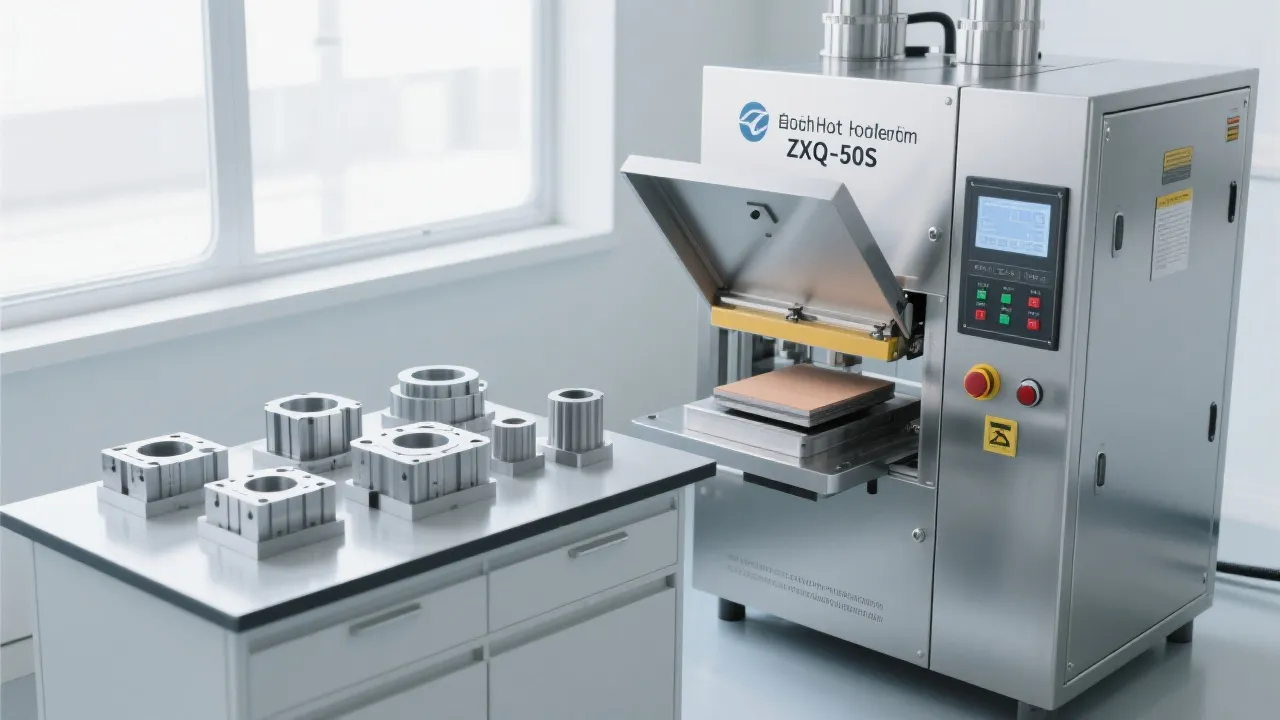
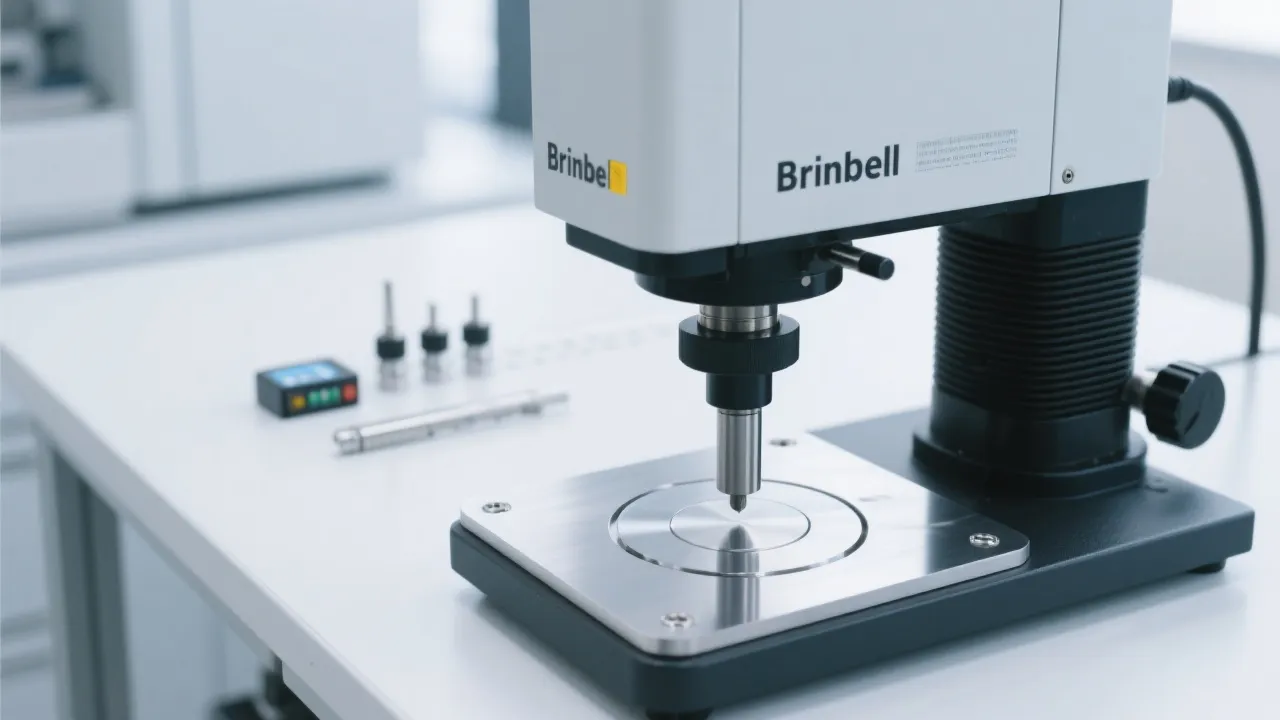
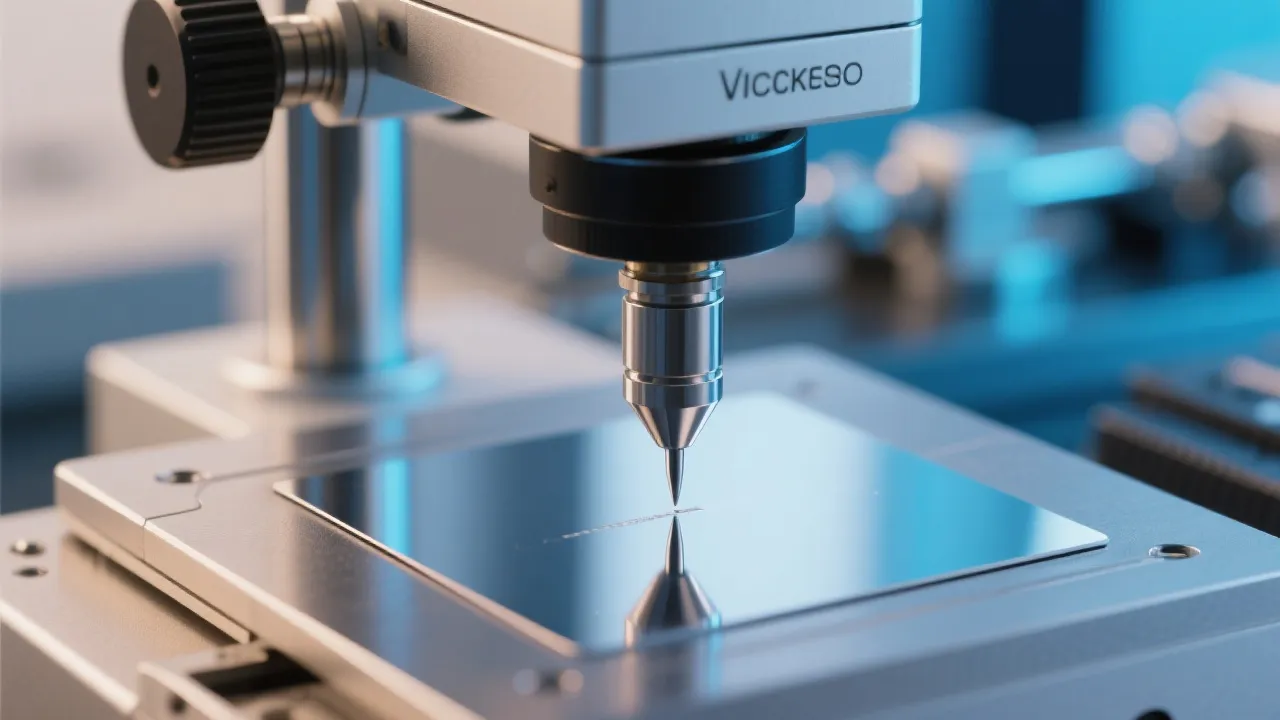
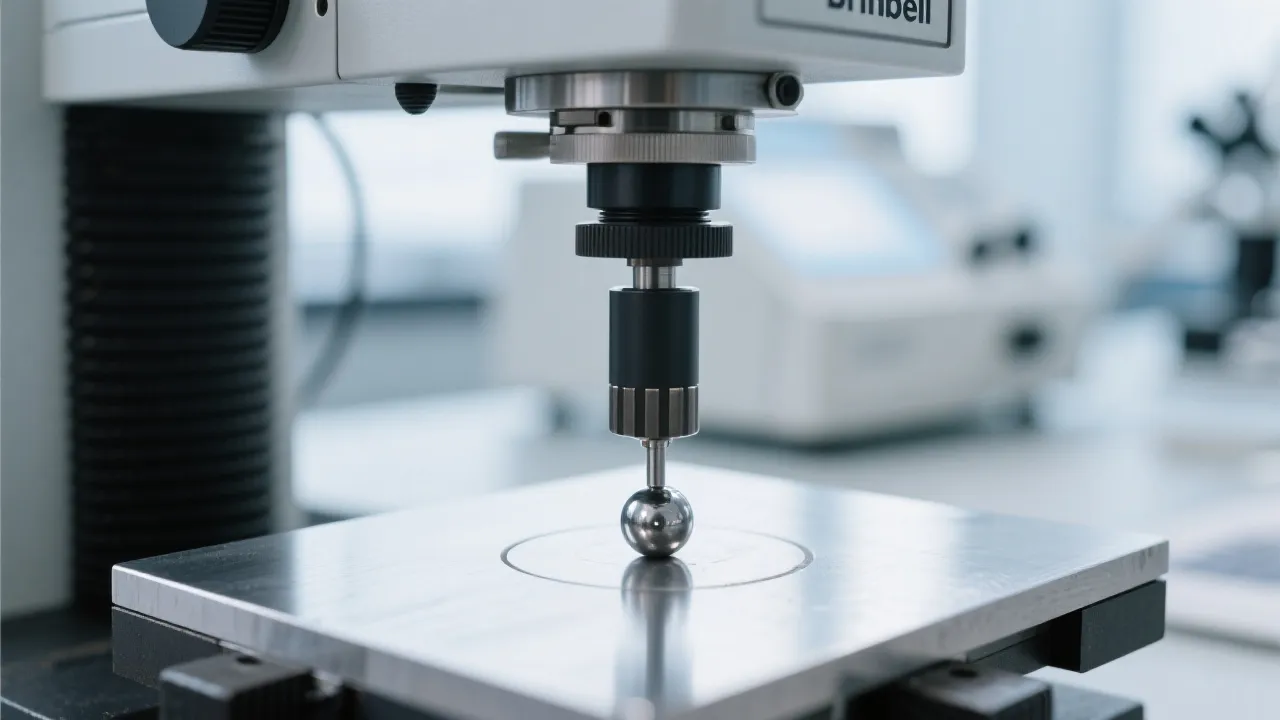
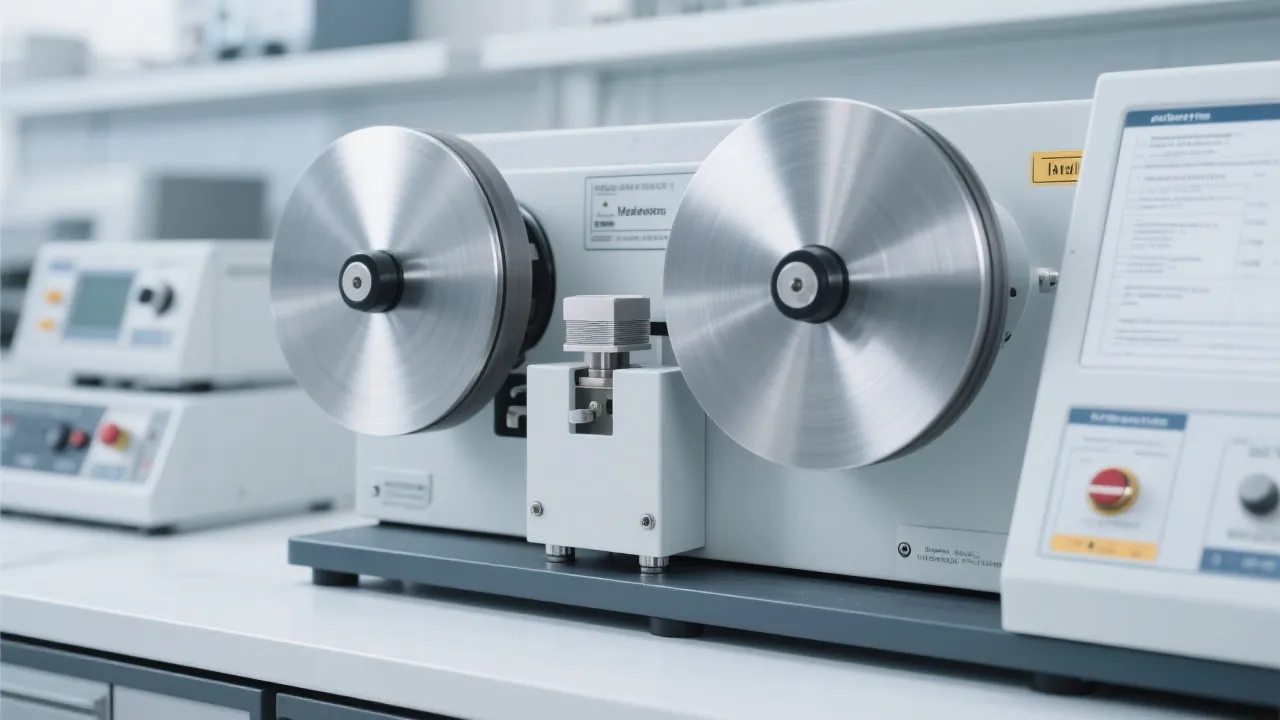
Illustration of metallographic testing equipment showing a hardness tester and a metallographic analysis setup used for industrial material inspection

Metallographic testing equipment is a practical foundation for material inspection—helping teams understand not only what a material looks like under the microscope, but also how it performs under mechanical load.

In industrial inspection workflows, two tool categories work together: hardness testers (indentation-based hardness measurement) and metallographic analysis equipment (sample preparation + microstructure observation). This page explains the basics and how they support industrial quality control and failure analysis, based on the manufacturing and application experience of Laizhou Jincheng Industrial Equipment Co.,Ltd (est. 2004).

What Is Metallographic Testing Equipment?

Metallographic testing equipment refers to the instruments and accessories used to evaluate materials through:

  • Microstructure evidence: preparing and observing metallographic specimens to reveal grain structure, phases, inclusions, and processing features.
  • Hardness evidence: measuring indentation hardness to quantify resistance to deformation (commonly reported as Vickers, Brinell, Rockwell, etc.).

Used together, these results help connect material condition (microstructure) with mechanical response (hardness), improving decision-making in QA/QC and engineering investigations.

Hardness Testers: What They Measure

A hardness tester measures hardness based on the indentation principle: a specified indenter and load are applied to the test surface, and the resulting indentation is used to calculate hardness.

  • Manual hardness testers: intuitive operation for fast checks and routine tasks, including on-site inspection where simplicity matters.
  • Computerized hardness testing systems: integrate high-precision sensing and data processing to support automated procedures and reporting for quality control needs.

Why it matters in QC: hardness is a fast, comparable indicator often used to screen heat-treatment consistency, verify incoming material, and track process stability.

Metallographic Analysis Equipment: What It Supports

Metallographic analysis equipment supports the workflow of turning raw material samples into observable metallographic specimens and enabling microstructure evaluation.

  • Sample preparation equipment: from basic manual preparation to advanced computerized preparation solutions designed to improve preparation consistency.
  • Optical observation support: high-resolution imaging and stable preparation help produce reliable microstructure observations suitable for research and industrial inspection.
  • Standards alignment: in practice, metallographic preparation and inspection are commonly performed with reference to international standards such as ASTM and ISO (as applicable to the method and material).

Why it matters in failure analysis: microstructure evidence can explain abnormal hardness, cracking behavior, wear patterns, and processing issues—when paired with hardness results.

How They Work Together in Industrial Inspection

In many inspection scenarios, a single measurement is not enough. Metallographic analysis and hardness testing complement each other by providing different types of evidence.

Goal Hardness Tester Contribution Metallographic Analysis Contribution
Production quality control Quantifies hardness for acceptance checks and trend monitoring. Verifies microstructure consistency related to processing routes.
Heat-treatment verification Detects whether hardness falls within the expected range. Links hardness to microstructural features shaped by treatment conditions.
Failure analysis support Provides a measurable indicator of local property changes. Provides visual evidence to interpret mechanisms (e.g., wear, cracking-related structure).
Teaching & research Supports lab demonstrations and property comparisons. Enables sample prep practice and microstructure study for academic work.

Typical Workflow (From Sample to Decision)

  1. Define the inspection objective (quality control, incoming inspection, process validation, or failure analysis support).
  2. Prepare the specimen using metallographic sample preparation equipment appropriate for the material and inspection purpose.
  3. Observe and document microstructure through metallographic analysis equipment, aiming for consistent preparation and clear imaging.
  4. Measure hardness using a suitable hardness tester method (e.g., Vickers/Brinell/Rockwell), following the applicable procedure and surface requirements.
  5. Interpret results together: compare hardness values with microstructure evidence to support acceptance decisions or investigation conclusions.
In practical inspections, the most reliable conclusions often come from correlating hardness data with metallographic microstructure observations, rather than relying on a single indicator.

Who Uses Metallographic Testing Equipment?

Manufacturing QA/QC

Routine inspection, process checks, and documentation for industrial quality control.

Industrial inspection teams

On-site hardness checks and lab-level metallographic verification when needed.

Universities & research labs

Teaching fundamentals, developing specimen preparation skills, and conducting microstructure studies.

Laizhou Jincheng’s solutions are applied across mechanical manufacturing, metallurgy, chemical industry, power sector, and academic or research institutions—supporting both routine inspection and specialized project requirements.

Laizhou Jincheng: Equipment Coverage & Implementation Focus

Founded in 2004, Laizhou Jincheng Industrial Equipment Co.,Ltd focuses on metallographic and hardness testing fields, providing complete equipment and consumables solutions. Our offering spans:

  • Metallographic sample preparation: manual preparation equipment for intuitive operation and training use; computerized preparation solutions designed for automation control and consistent specimen outcomes.
  • Hardness testing: manual hardness testers for straightforward operation and quick checks; computerized hardness testing equipment supporting automated workflows and structured data processing.
  • Engineering customization: design, development, and manufacturing support for large metallurgical enterprises’ online testing equipment (project-based, requirement-driven).

Market presence (B2B): Serving customers in Russia, Southeast Asia, and Europe, with an emphasis on practical usability, inspection consistency, and workflow fit for industrial environments.

Selecting the Right Setup: Key Considerations

  • Inspection purpose: routine QC vs. investigative failure analysis will drive needed automation, imaging clarity, and documentation requirements.
  • Material and surface condition: hardness methods and specimen prep steps depend on the material type and required test surface quality.
  • Workflow and throughput: manual equipment suits training and low-to-mid volume tasks; computerized systems support repeatability and standardized reporting.
  • Standard alignment: confirm applicable ASTM/ISO procedures for your internal or customer compliance needs.

If you share your material type, inspection goal, and expected throughput, Laizhou Jincheng can help map an appropriate combination of hardness tester and metallographic analysis equipment for your inspection workflow.

Name *
Email *
Message*

Recommended Products

Popular articles
Recommended Reading

Related Reading

Contact us
Contact us
https://shmuker.oss-accelerate.aliyuncs.com/tmp/temporary/60ec5bd7f8d5a86c84ef79f2/60ec5bdcf8d5a86c84ef7a9a/thumb-prev.png