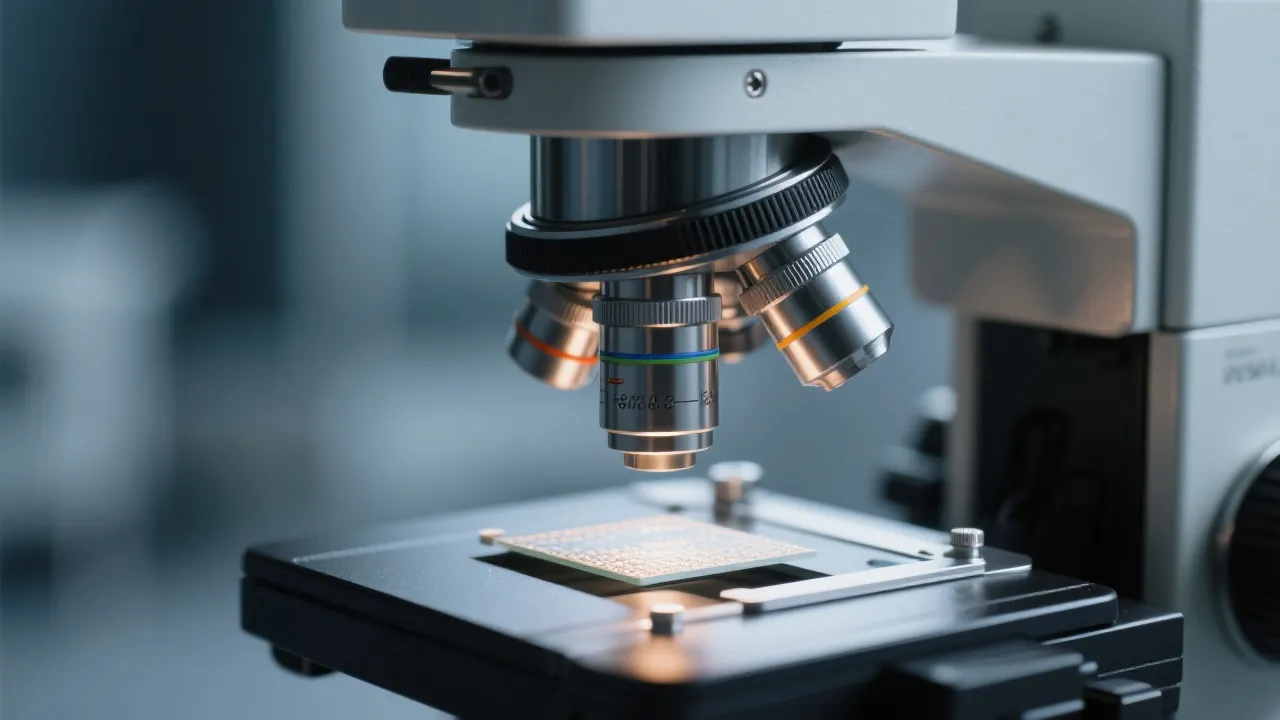
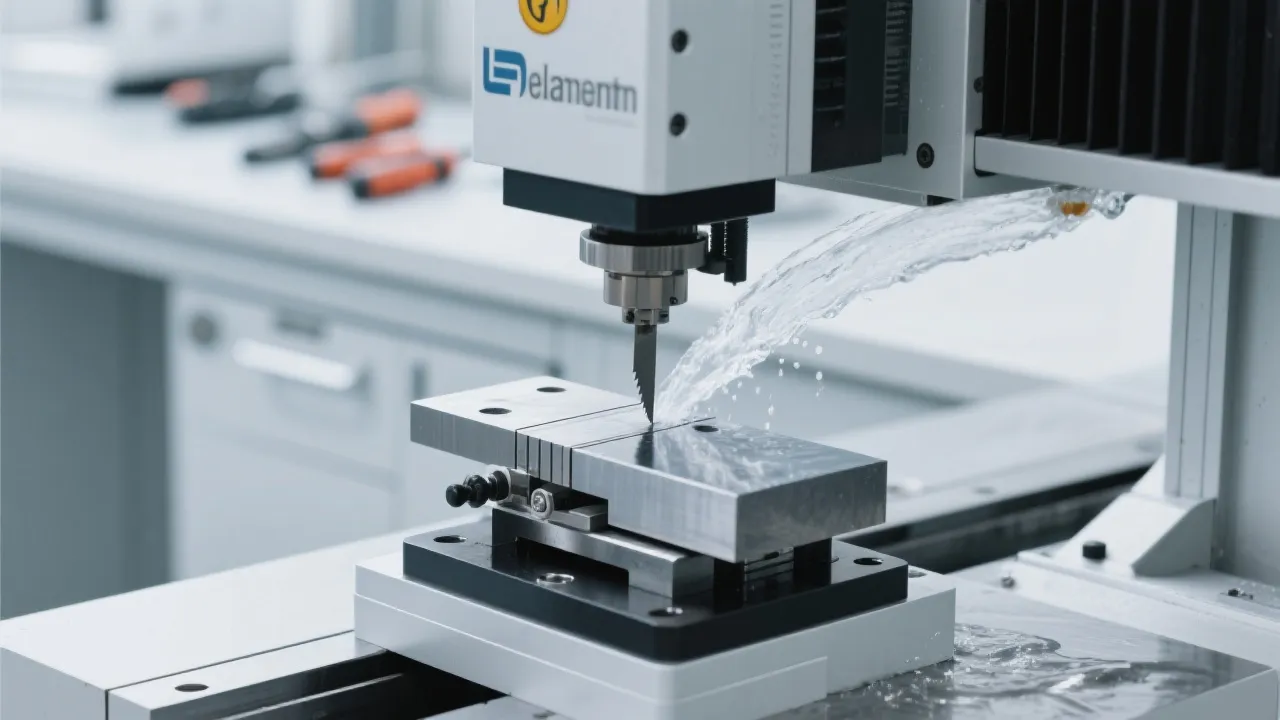
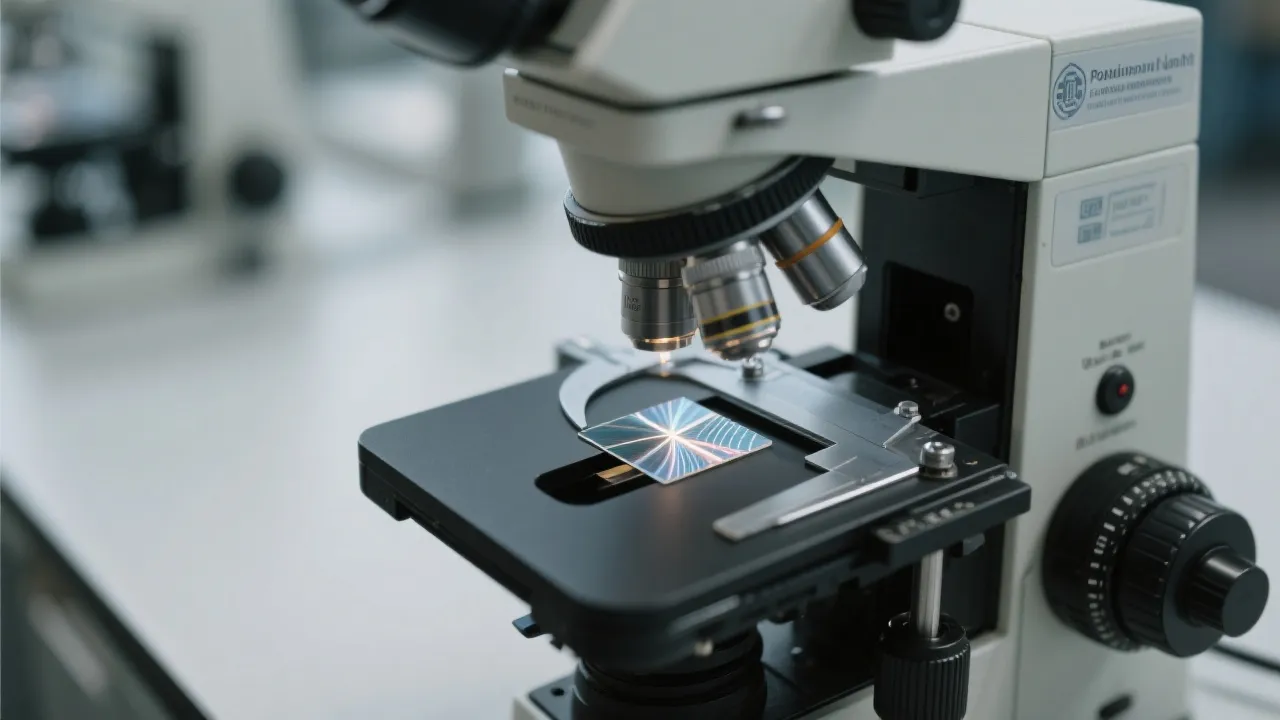
Metallographic testing equipment is the set of instruments used to prepare a material sample and then perform microscopic analysis of its microstructure. This workflow supports practical decisions in manufacturing quality control, metallurgy, and academic or industrial R&D—by making the structure of metals and alloys observable, comparable, and documentable.
Brand context: Laizhou Jincheng Industrial Equipment Co.,Ltd (founded in 2004) focuses on metallographic and hardness testing fields, providing complete equipment and consumables solutions. The aim of this page is to build a baseline understanding before selecting configurations and aligning with relevant ASTM and ISO practices.
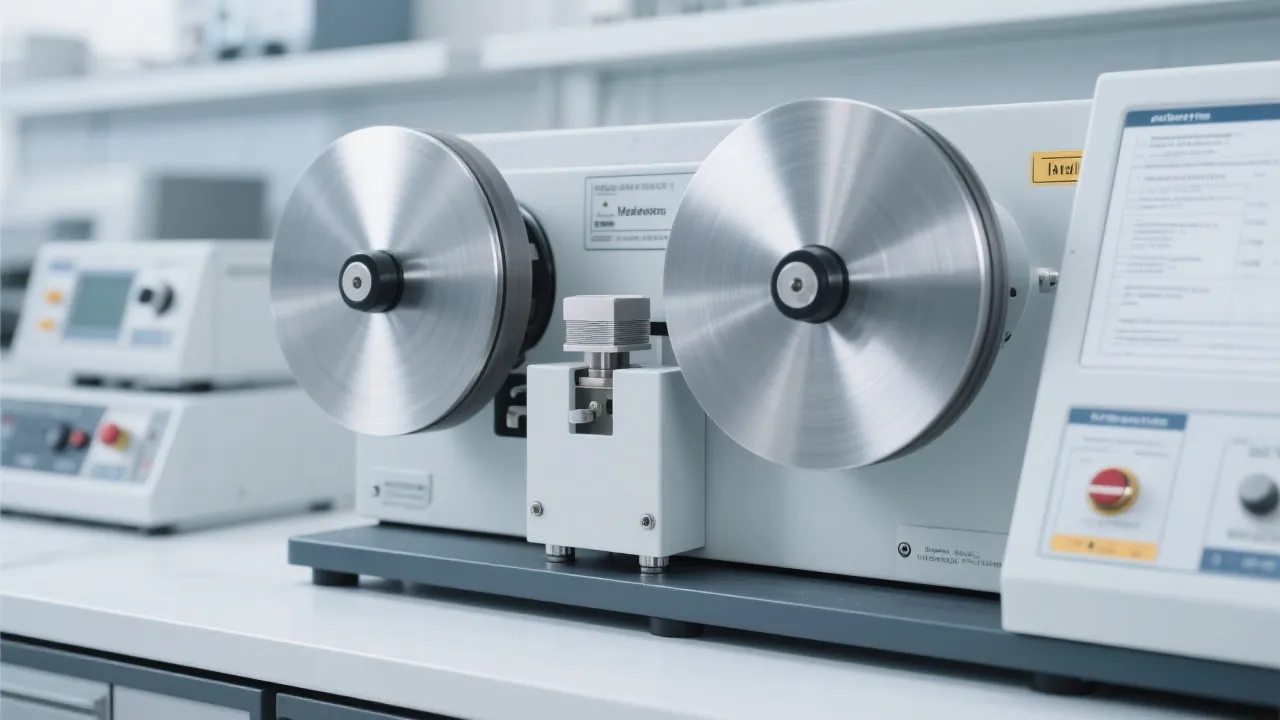
In a standard metallography workflow, equipment is typically grouped into two connected parts:
The value of the workflow depends on consistency: preparation quality directly affects the credibility of microscopic analysis results.
Practical note: If two labs see different microstructures on “the same material,” the root cause is often preparation variability (flatness, scratch pattern, edge rounding, contamination), not the microscope itself.
Metallographic sample preparation can be carried out using manual equipment or computerized (automated) preparation solutions. Both can support metallographic sample making; the choice is mainly about repeatability, throughput needs, and operator dependence.
| Dimension | Manual preparation equipment | Computerized / automated preparation solutions |
|---|---|---|
| Operation | Intuitive, hands-on control; good for training and basic analysis. | Programmed control with standardized steps; reduces operator-to-operator variation. |
| Consistency | Depends more on operator skill and discipline in following procedures. | Better step repeatability; supports stable results for routine QC and multi-shift labs. |
| Use cases | Teaching labs, entry-level metallography, occasional sample prep needs. | High-end research workflows, precision industrial inspection, repeated preparation tasks. |
| Selection boundary | When flexibility and cost control matter more than throughput. | When you need standardized procedures, traceability, and stable output across operators. |
Laizhou Jincheng Industrial Equipment Co.,Ltd provides both manual metallographic sample preparation equipment and computerized preparation solutions designed for precise preparation and clear imaging needs in workflows aligned with recognized ASTM/ISO practices.
Incoming inspection, process verification, and failure analysis support—where consistent metallographic sample making improves decision quality.
Microstructure control checks tied to heat treatment and production stability, supported by repeatable microscopy observations.
Advanced projects requiring controlled preparation steps and high-quality microscopic images for comparative studies.
Metallography fundamentals training—manual systems are often preferred for hands-on learning and method comprehension.
Before choosing metallographic testing equipment, clarify your workflow needs and the boundaries of your application:
Boundary reminder: This page provides an overview for understanding metallographic testing equipment. Final configuration should be determined by your specimen materials, required preparation quality, and your laboratory’s standard operating procedures.
As a dedicated supplier in metallographic and hardness testing fields, Laizhou Jincheng Industrial Equipment Co.,Ltd supports customers with:
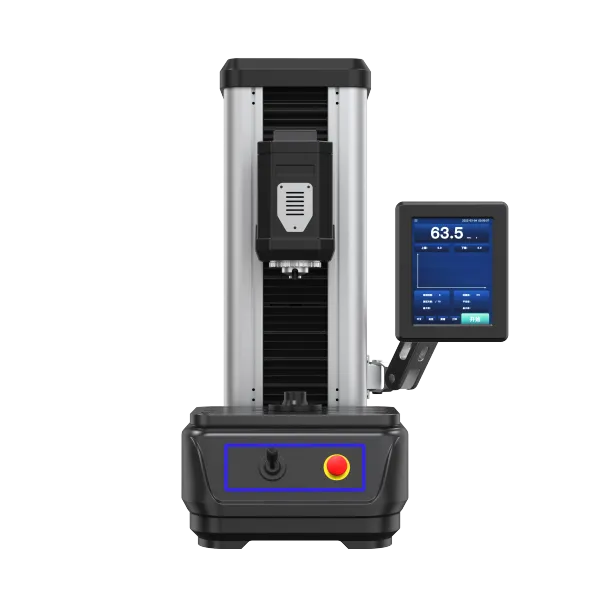
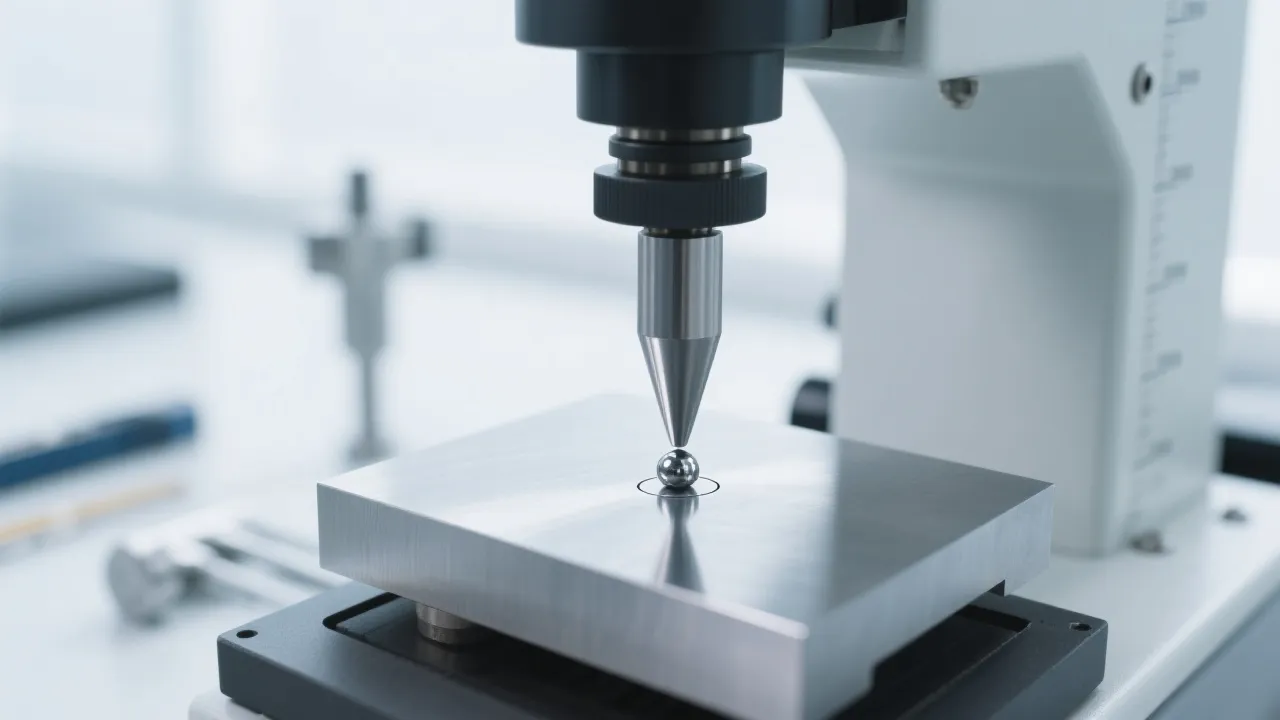
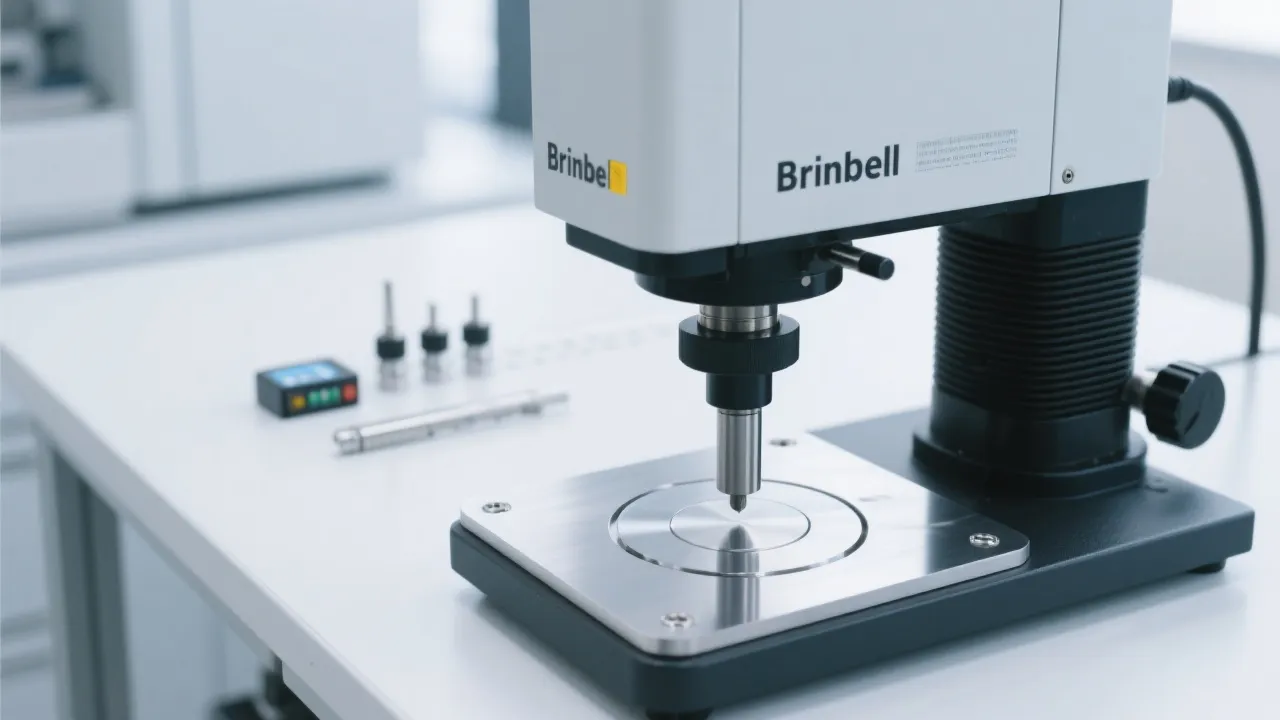
The same inspection mindset extends to hardness testing workflows—where instrument choice (manual vs computerized) affects speed, repeatability, and reporting quality—often complementing metallographic microscopic analysis in materials evaluation.
If you share your sample material, specimen size, expected throughput, and the ASTM/ISO practices you follow, we can help outline a practical metallographic testing equipment scope—covering sample preparation to microscopic analysis—without overcomplicating the configuration.
Best for: manufacturing QC, metallurgy, R&D labs, universities
Scope: metallographic sample preparation + microscopic analysis
Selection key: consistency, throughput, documentation
Options: manual systems or computerized solutions