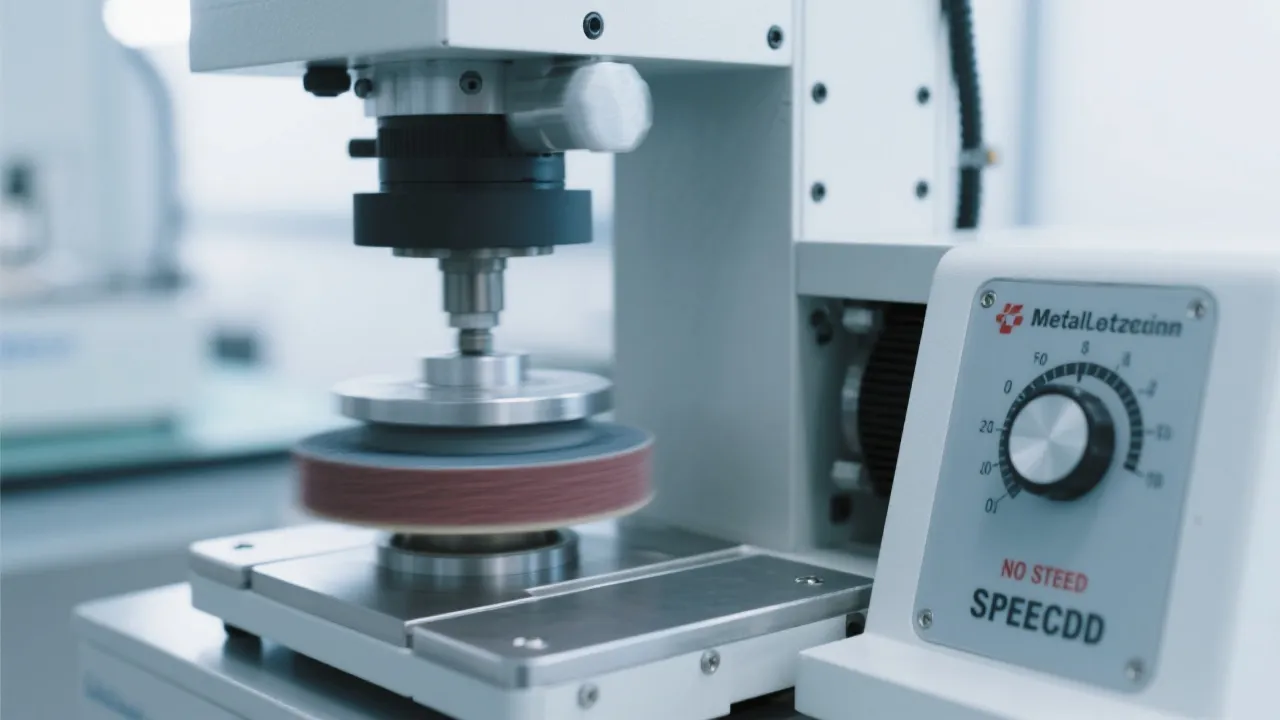
In metallography labs, reproducibility is not just a goal—it’s the foundation of reliable research and quality control. Yet many teams unknowingly sabotage their results through routine errors like improper cleaning, inconsistent pressure application, or misconfigured equipment parameters. According to a 2023 survey by the ASM International, over 68% of lab technicians reported inconsistent sample preparation as their top challenge—often due to overlooked procedural details.
One of the most frequent issues we see? Inconsistent clamping force during grinding and polishing. A study published in Materials Characterization found that variations in applied pressure can lead to up to 35% difference in surface roughness between identical samples. Using standardized fixtures—not just any clamp—ensures uniform contact across all specimens. This isn’t just about precision—it’s about trust in your data.
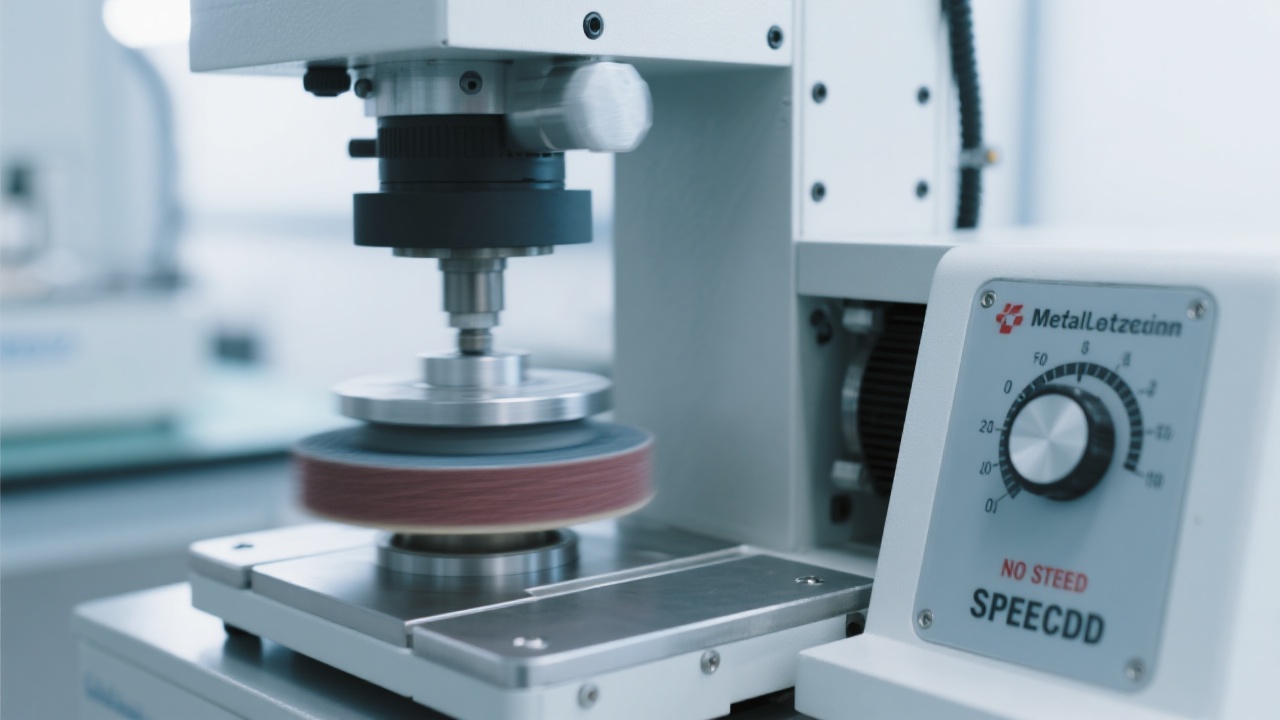
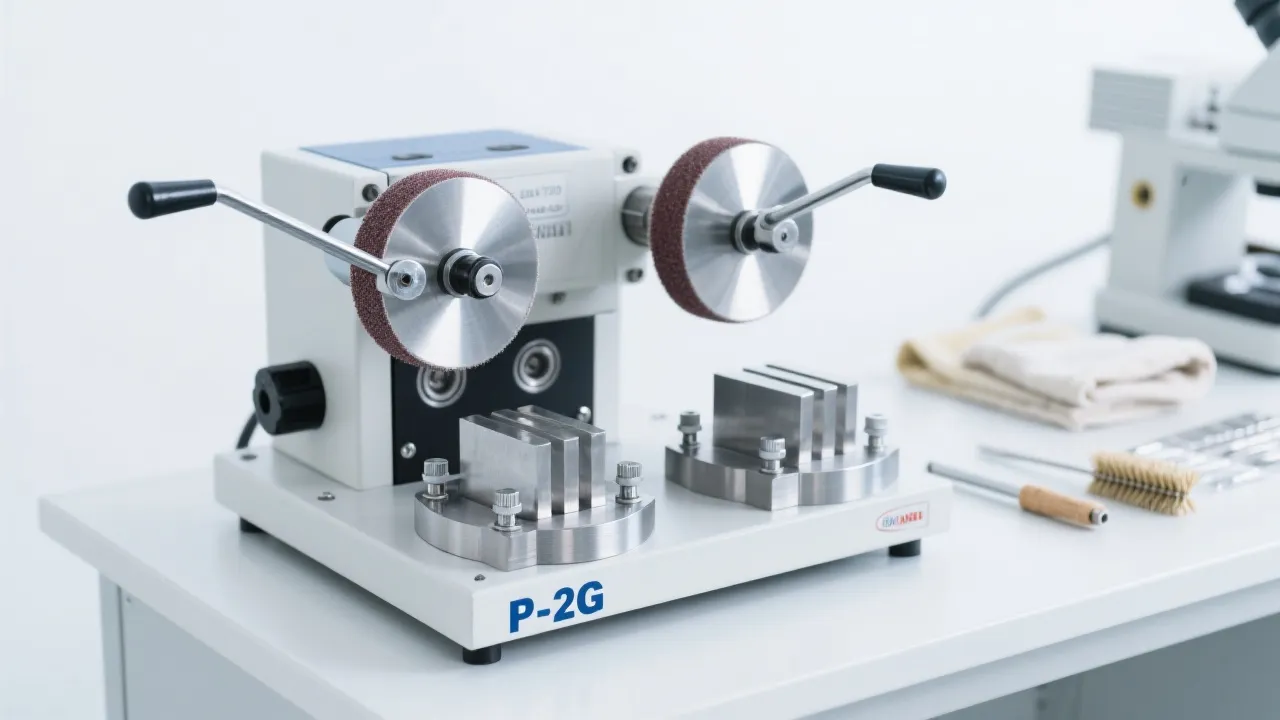
Many operators set one speed and stick with it—even when processing different materials. But here’s the truth: aluminum needs slower speeds than hardened steel. The MP-2S Dual-Disc Manual Polishing Machine features a precise variable-speed control system that allows adjustments from 100–1500 RPM, enabling optimal surface finish across diverse alloys. In real-world testing at a German automotive supplier lab, switching to adjustable speeds reduced rework rates by 42% within three months.
Even high-quality machines drift over time. A recent ISO 17025 audit revealed that 41% of non-compliant labs had skipped regular calibration of their polishing equipment. Establishing a simple monthly check-in using a calibrated tachometer (like those from Fluke) ensures consistent performance. We recommend logging each calibration in a shared digital tracker—this builds accountability and supports internal audits.
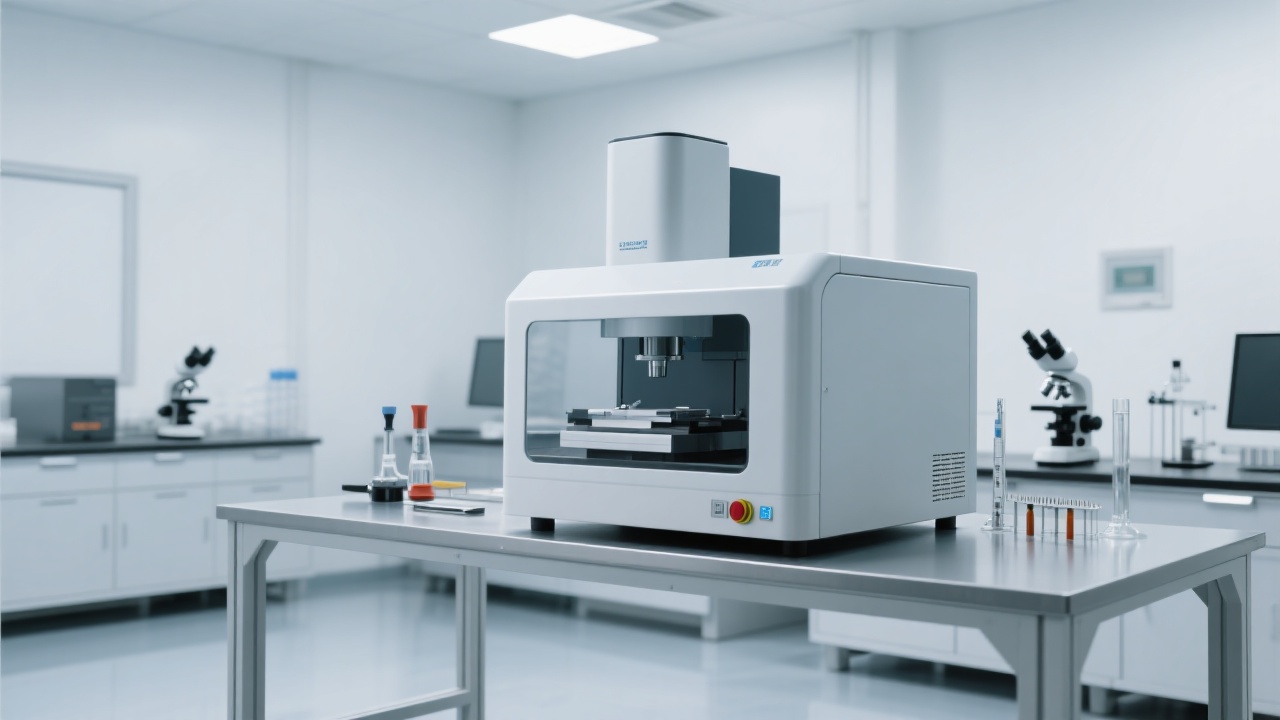
Don’t let small oversights turn into big problems. Whether you're preparing samples for academic publication or industrial QA, consistency starts with process—not luck.
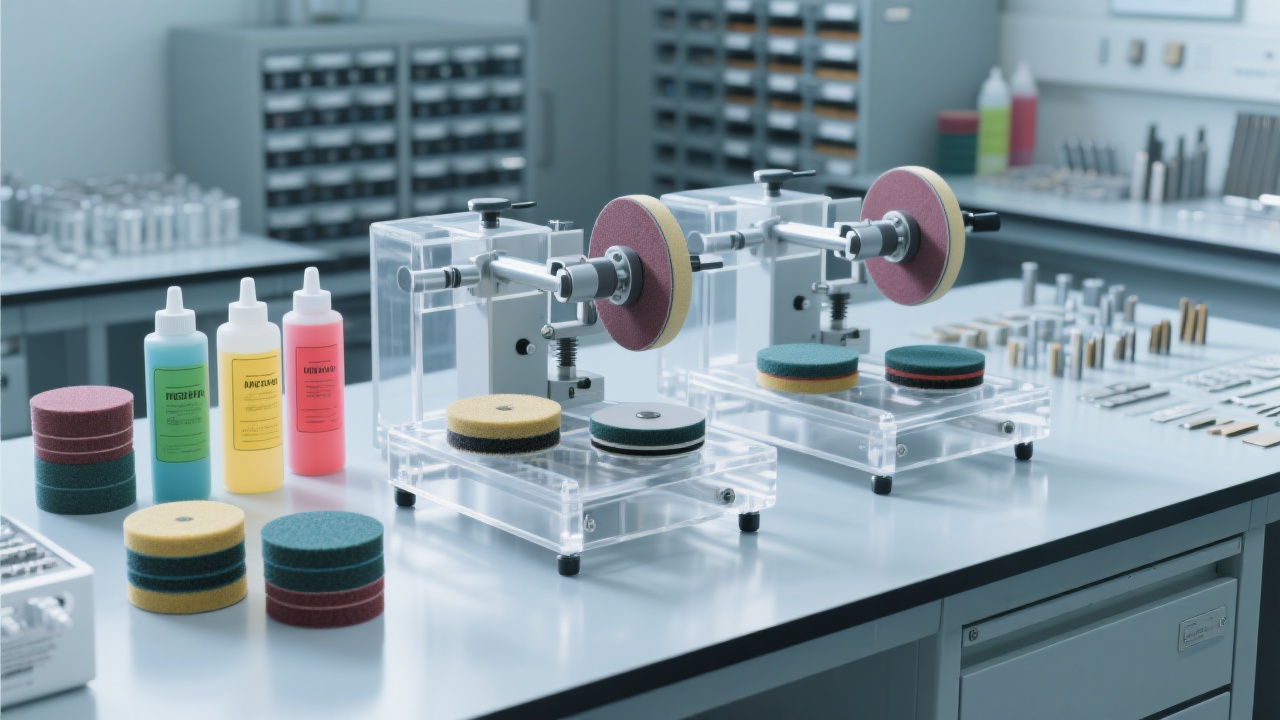


Hardness-TesterHV-1000A-1.jpg?x-oss-process=image/resize,m_fill,h_600,w_600/format,webp)


Hardness-TesterHV-5103050A-1.jpg?x-oss-process=image/resize,h_1200,m_lfit/format,webp)