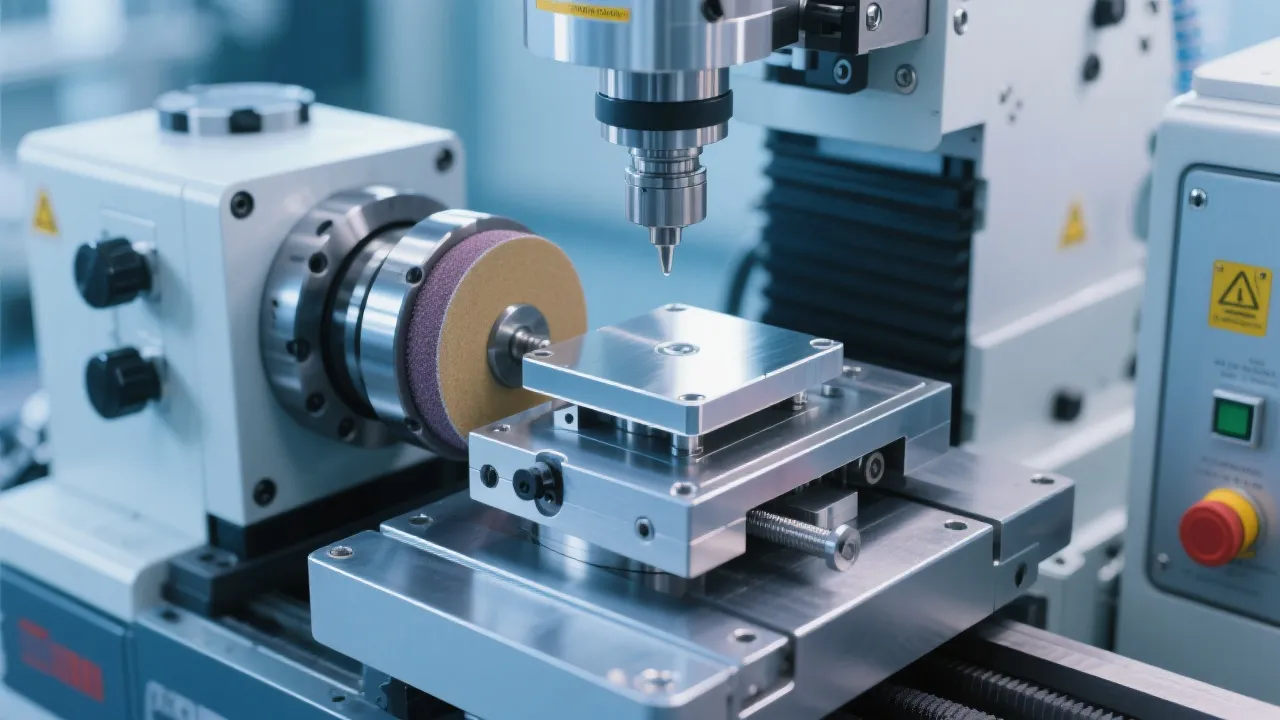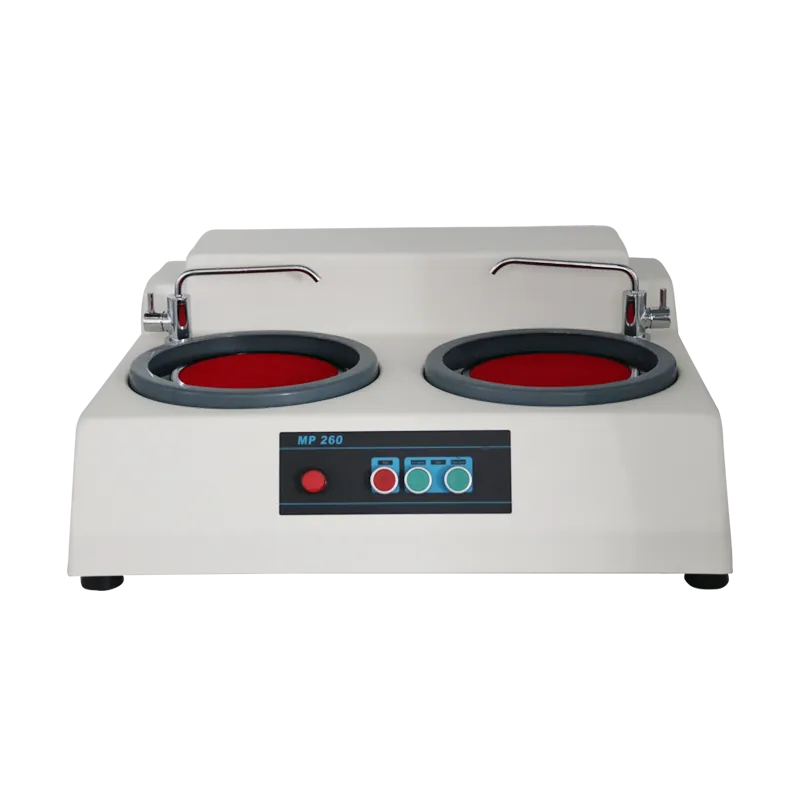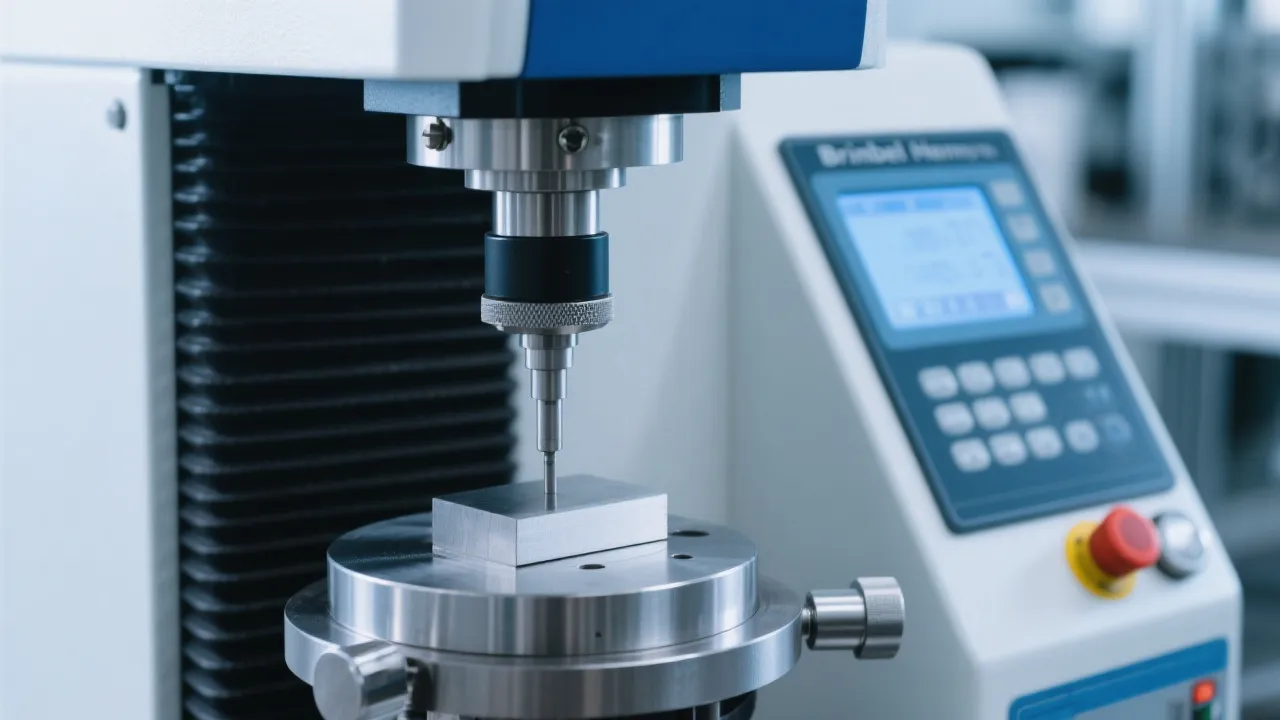
As a quality control supervisor in a mid-sized metallurgical plant, I've witnessed firsthand how inconsistent hardness testing can disrupt production schedules and compromise material integrity. Last quarter alone, our team encountered 17 instances of batch rejections due to hardness measurement discrepancies—each costing approximately $4,200 in material waste and rework. This frustrating cycle repeated until we upgraded to the HVS series digital Vickers hardness testers, a decision that has since reduced our testing-related rejections by 89%.
Metallurgical hardness testing presents unique challenges that often go underestimated. When working with heat-treated alloys and high-strength steels, traditional testing methods struggle with three critical issues:
These challenges translate directly to financial losses. According to industry benchmarks, a mid-sized metallurgical facility can lose $75,000-$120,000 annually due to hardness testing inaccuracies and inefficiencies alone.
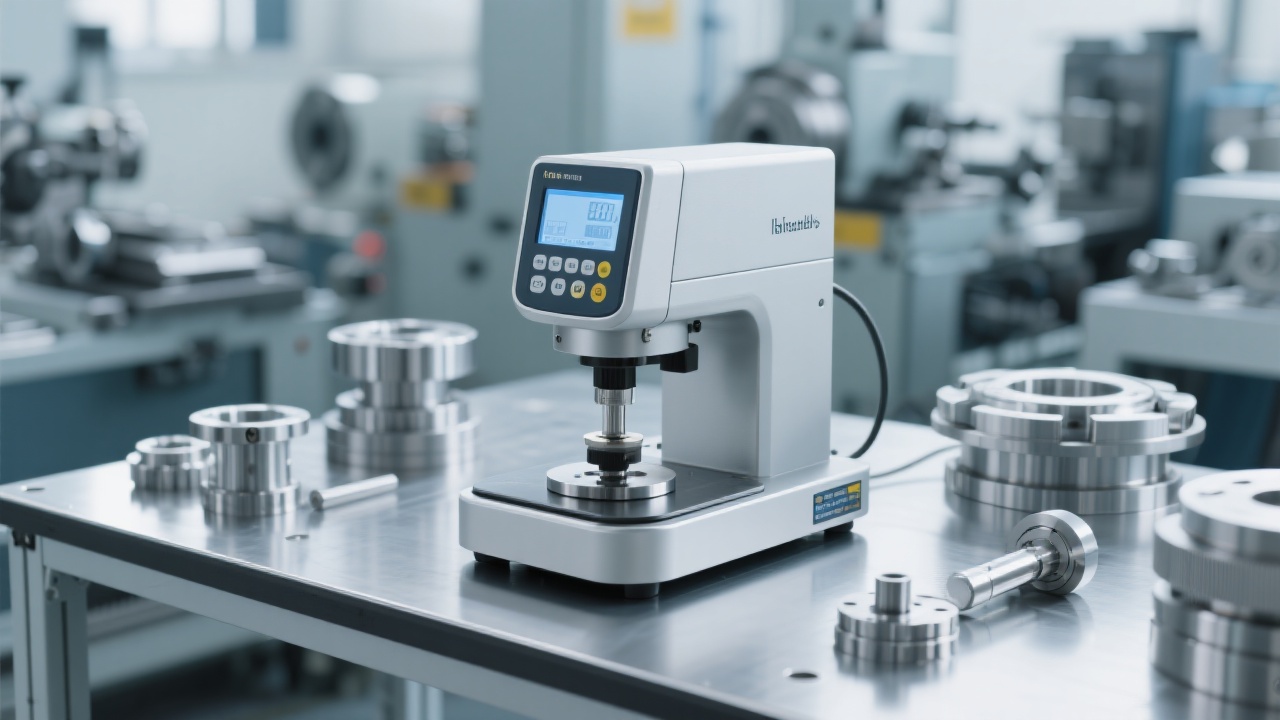
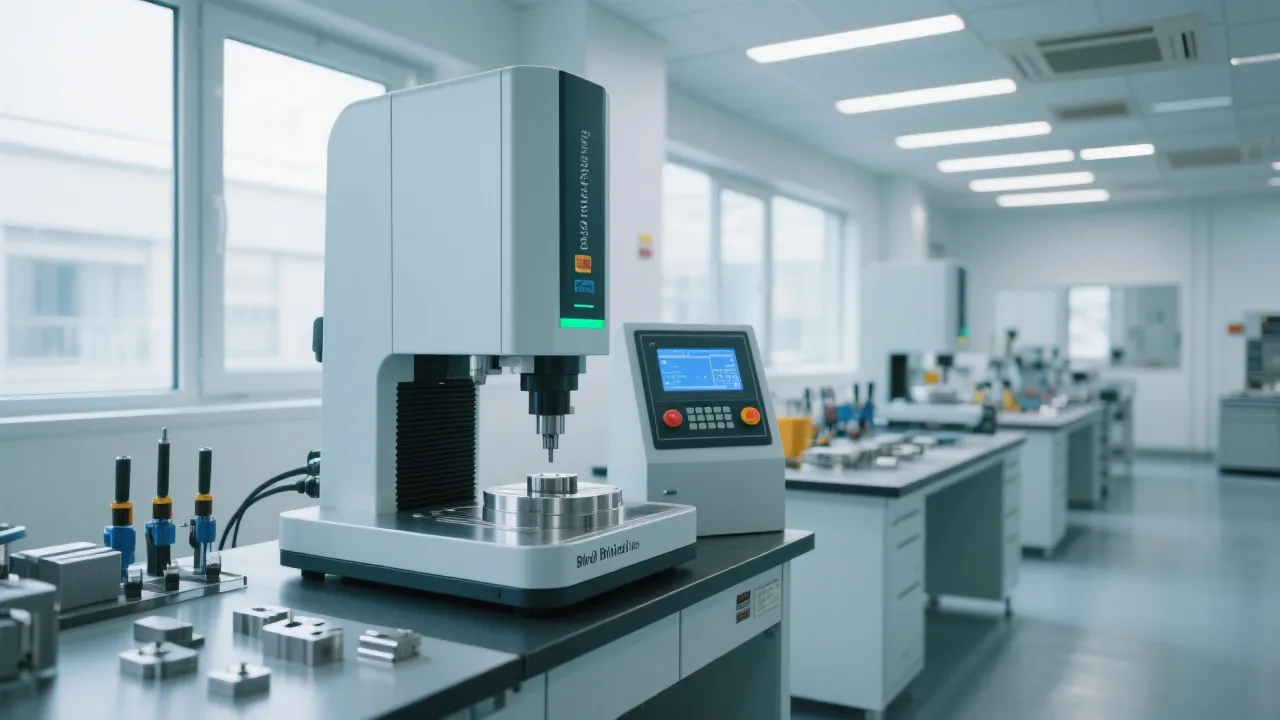
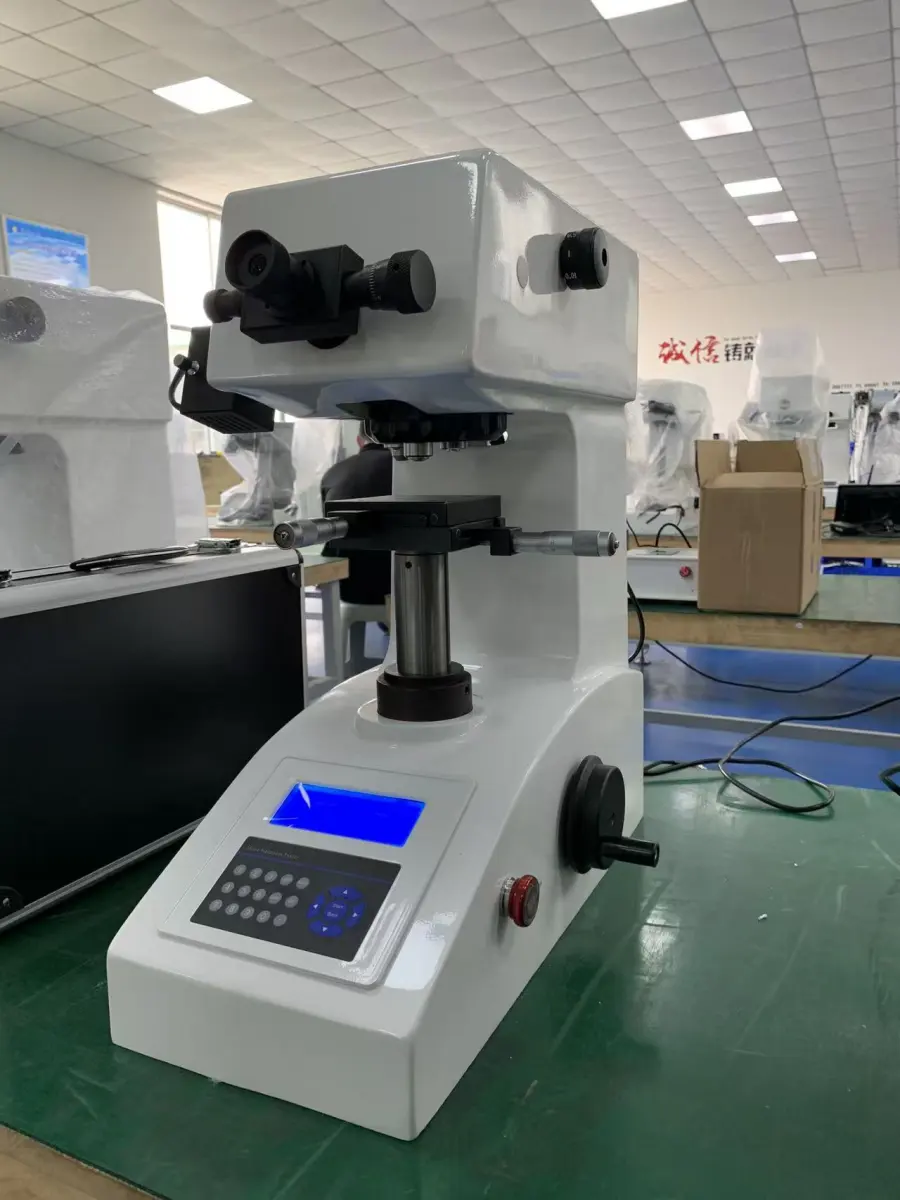
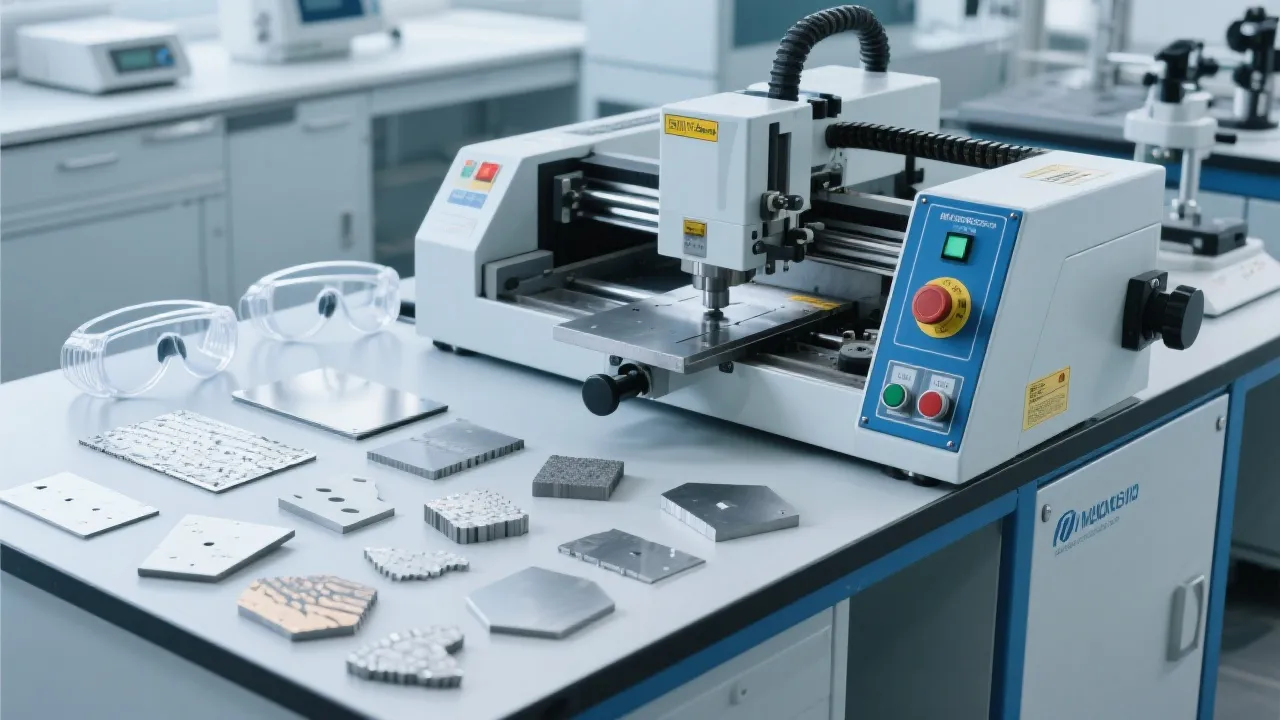
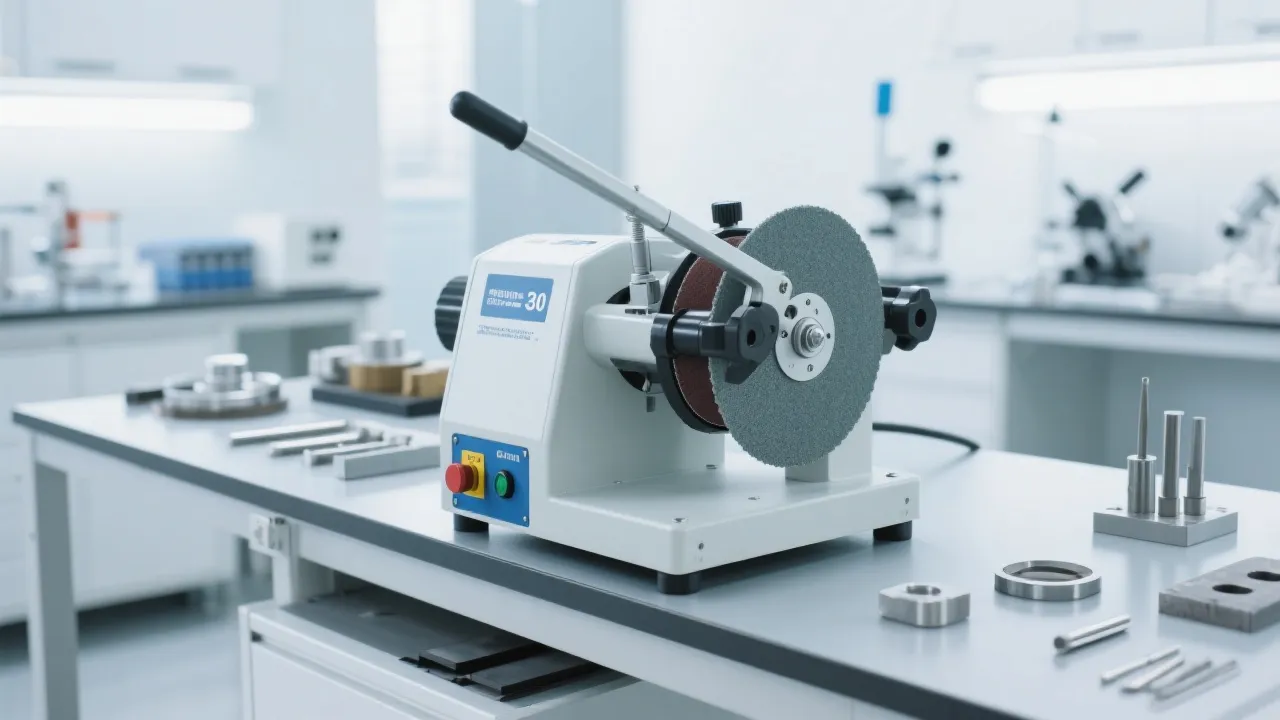
After evaluating six different hardness testing systems, our team selected the HVS-30 digital Vickers hardness tester based on its technical specifications and real-world performance claims. Three months of implementation revealed three game-changing advantages:
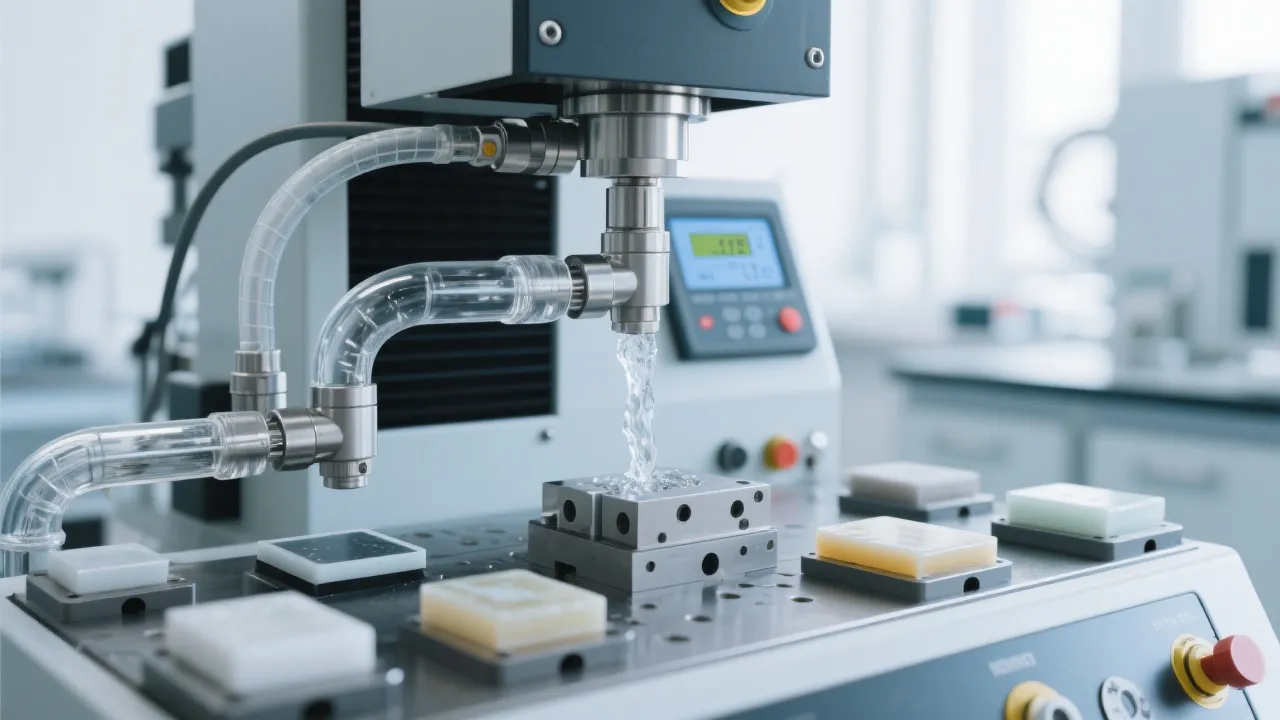
The HVS series incorporates a closed-loop load control system that maintains force application accuracy within ±0.5%—a significant improvement over the industry standard of ±1.5%. During our validation testing with certified reference blocks, the HVS-30 consistently produced results within 0.8% of the certified values, compared to our previous tester's average deviation of 3.4%.
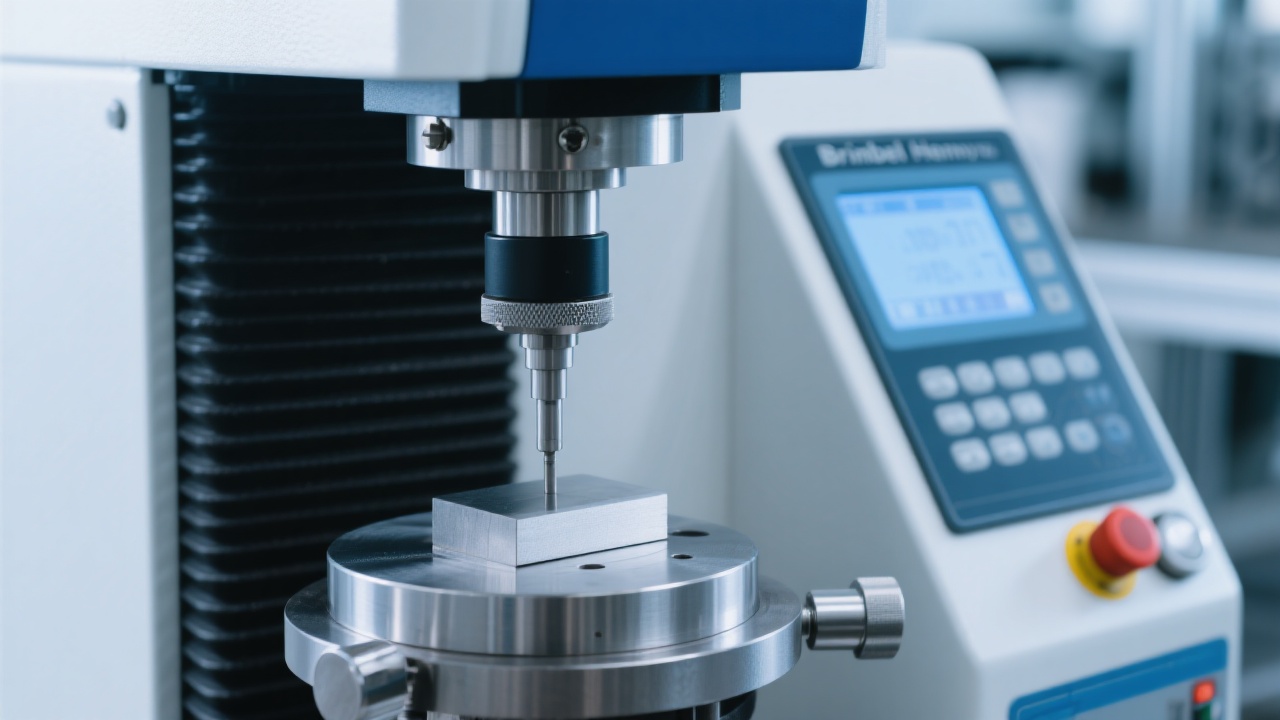
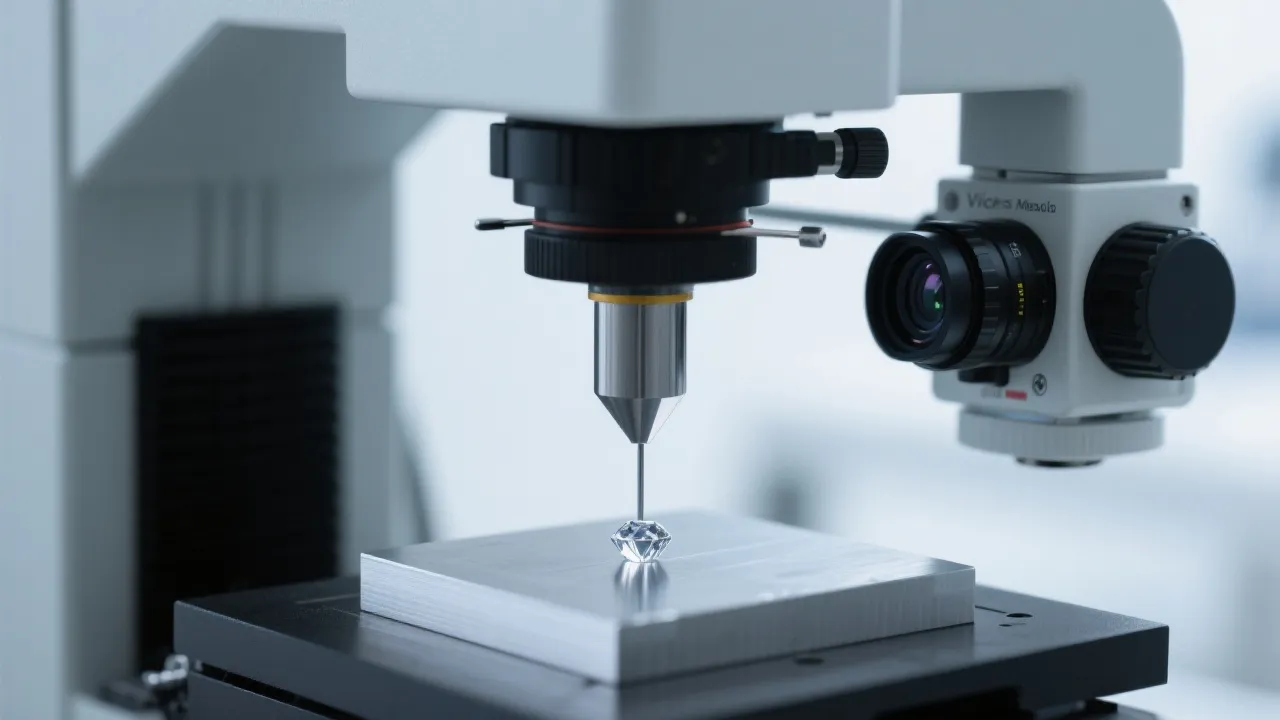
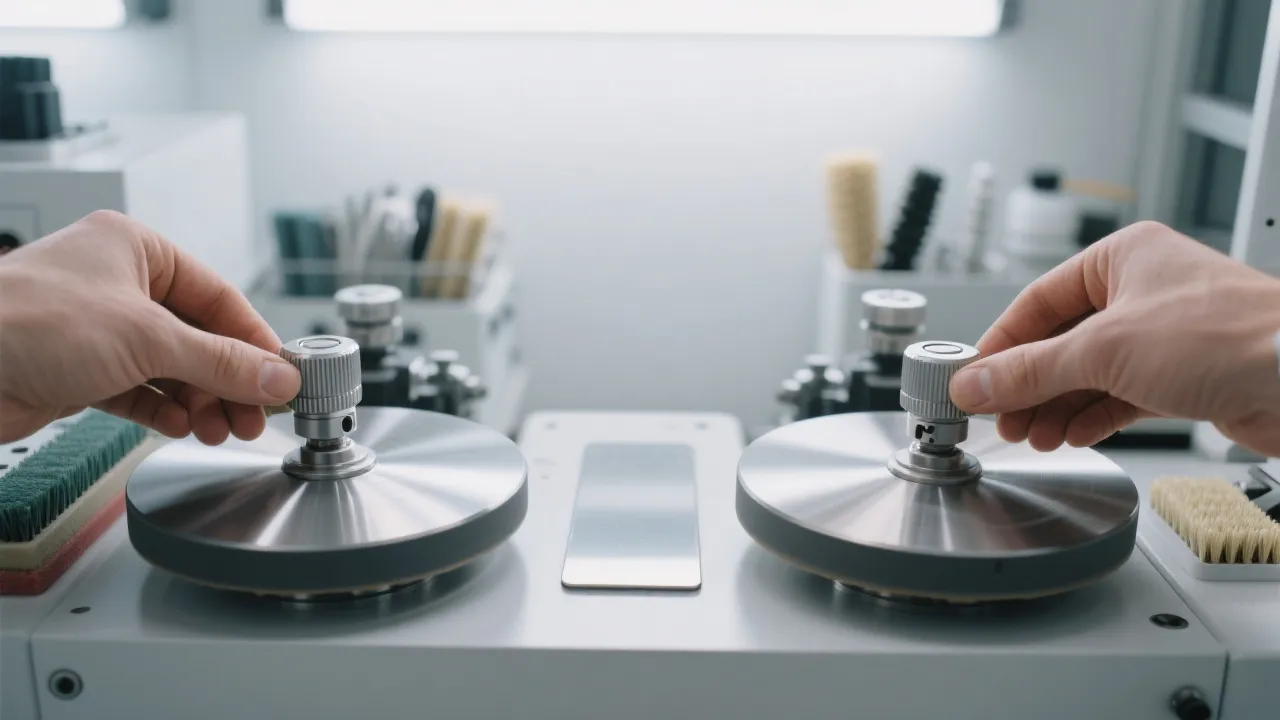
The integrated 10x digital microscope paired with a 40x objective lens transforms indentation measurement. The high-resolution imaging system eliminates the guesswork in diagonal measurement, allowing our operators to consistently identify indentation edges with sub-micron precision. In side-by-side testing, this reduced measurement time per sample by 47% while improving measurement consistency.
The ability to instantly switch between HV and HK hardness scales with a single button press has been invaluable for our diverse product line. This feature alone saved us approximately 12 hours per week previously spent on equipment adjustments and recalibrations when switching between testing standards.
Operational Insight: "The combination of automated measurement and instant scale switching has transformed our workflow. What used to take two operators 8 hours now takes one operator 3.5 hours with better accuracy," notes Maria Gonzalez, our senior quality technician with 15 years of metallurgical testing experience.
Implementing the HVS-30 yielded quantifiable improvements across our quality control processes:
| Performance Metric | Before HVS-30 | After HVS-30 | Improvement |
|---|---|---|---|
| Testing Throughput | 18 tests/hour | 42 tests/hour | +133% |
| Measurement Repeatability | ±3.2% | ±0.7% | 84% reduction |
| Testing-Related Rework | $14,200/month | $1,560/month | 89% reduction |
| Operator Training Time | 16 hours | 4 hours | 75% reduction |
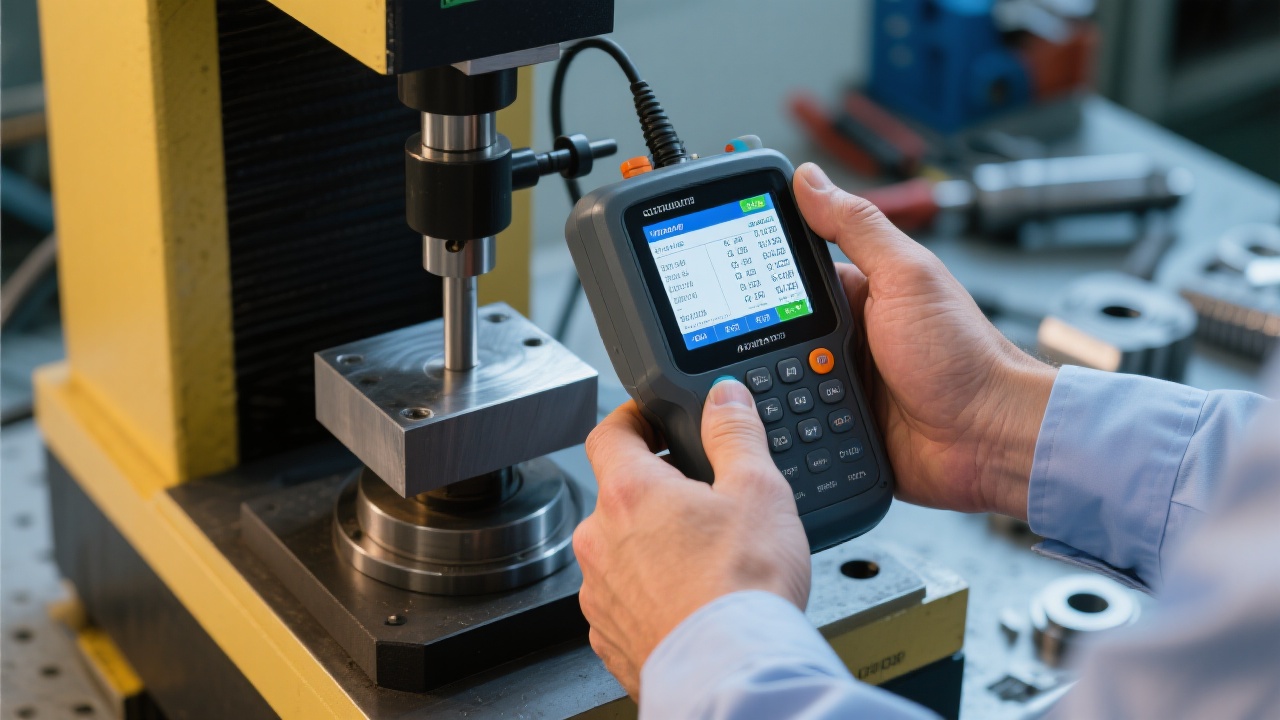
To ensure consistent performance, we've implemented a proactive maintenance schedule for our HVS-30 based on manufacturer recommendations and our own operational experience:
Following this schedule has maintained our tester's accuracy within ±0.6% over 12 months of operation, well within the manufacturer's specifications. The total annual maintenance cost averages $850, which represents a fraction of the savings generated through reduced rework and improved efficiency.
Download our comprehensive "Vickers Hardness Testing in Metallurgy: Best Practices Guide" to discover:
Or schedule a live online demonstration to see the HVS series in action
After experiencing firsthand the transformative impact of the HVS series on our quality control processes, I'm convinced that precision hardness testing is no longer just a quality assurance measure—it's a competitive advantage. The ability to provide consistent, reliable hardness data has strengthened our customer relationships and opened new opportunities with industries requiring the highest material quality standards. As we continue to expand our production capabilities, the HVS series remains a cornerstone of our quality infrastructure, delivering measurable value with every test.


Hardness-Tester7MHVS-5103050A-1.jpg?x-oss-process=image/resize,m_fill,h_600,w_600/format,webp)
Hardness-TesterHVS-5103050A-7.jpg?x-oss-process=image/resize,m_fill,h_600,w_600/format,webp)





Hardness-TesterHVS-5103050-1.jpg?x-oss-process=image/resize,h_1200,m_lfit/format,webp)