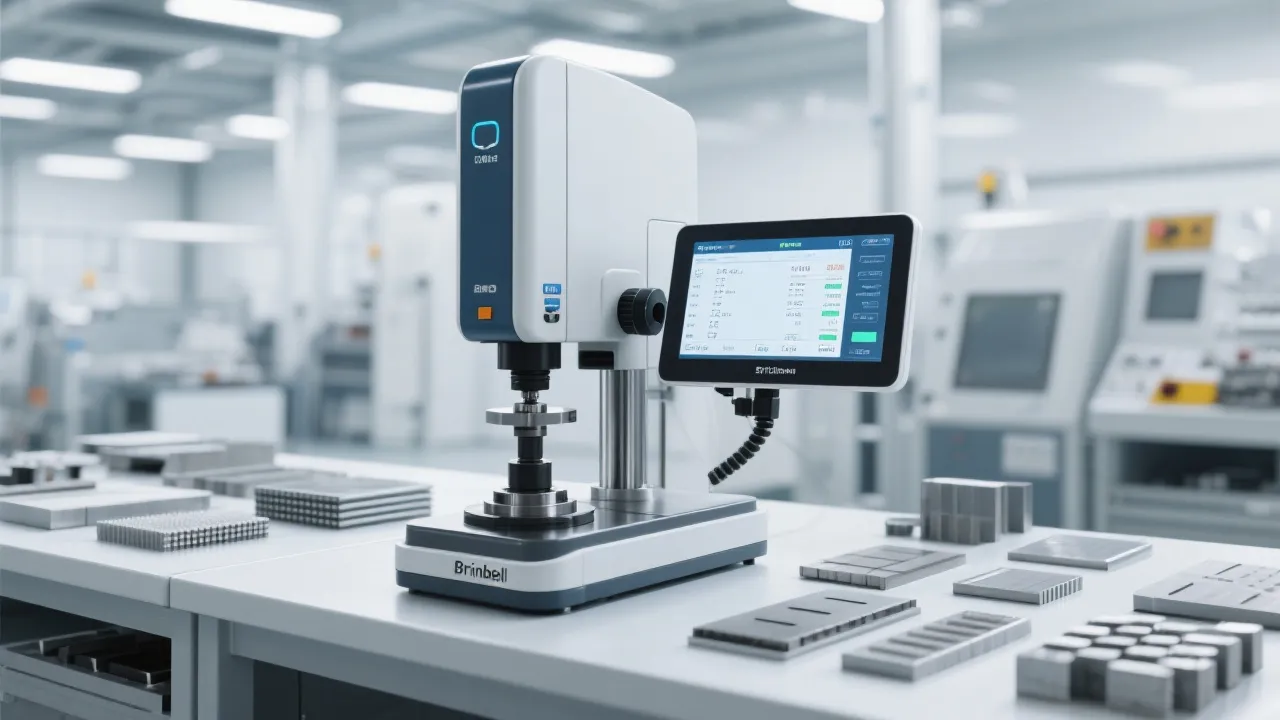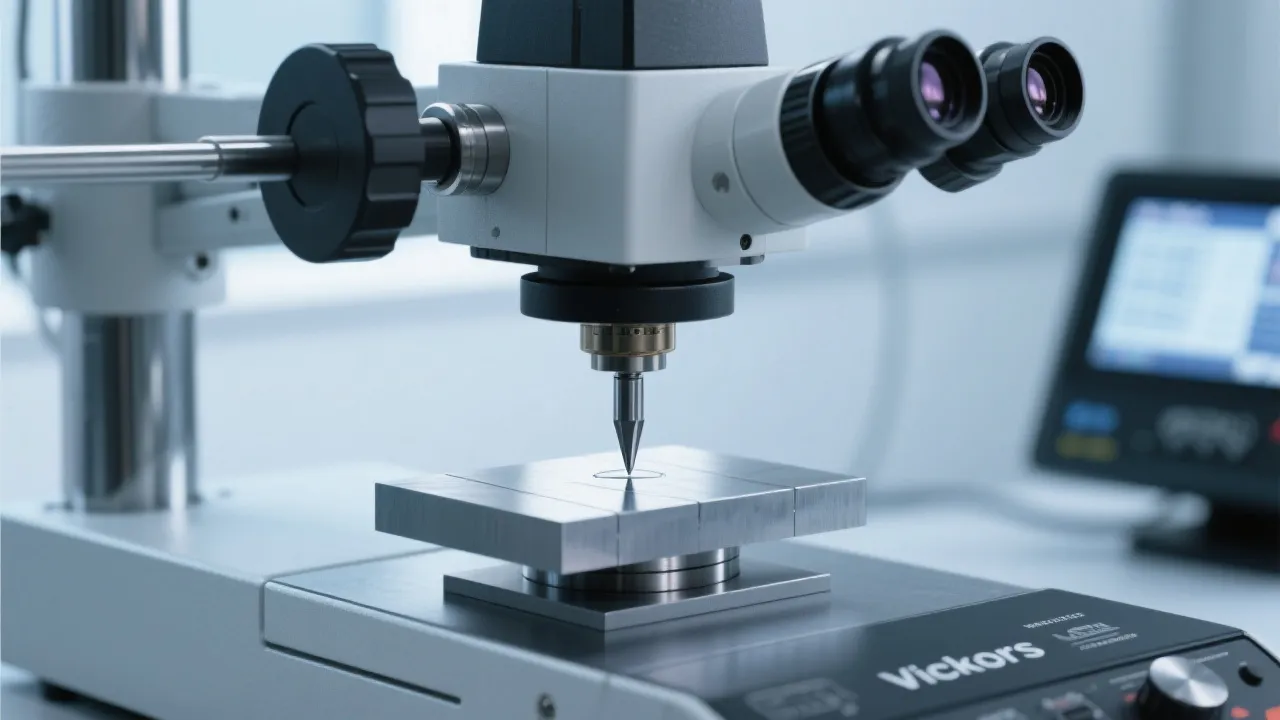
In today’s fast-paced research environment, microhardness testing isn’t just about measuring material properties—it’s about ensuring data integrity, traceability, and compliance. For universities, third-party labs, and industrial R&D teams, manual data logging has become a bottleneck. A recent case study from a leading university lab shows that implementing an automated system with HVS-1000A显微硬度计 reduced data entry errors by up to 78% and cut reporting time by 40%.
The HVS-1000A's built-in RS232 interface allows seamless transfer of test results directly to computers or LIMS (Laboratory Information Management Systems). Unlike USB or Wi-Fi solutions that require driver installations or network setup, RS232 offers plug-and-play reliability—especially critical in regulated environments like ISO 6507-certified facilities. In one real-world deployment, researchers were able to export data in standardized CSV format within seconds, enabling immediate import into Excel for analysis without formatting issues.
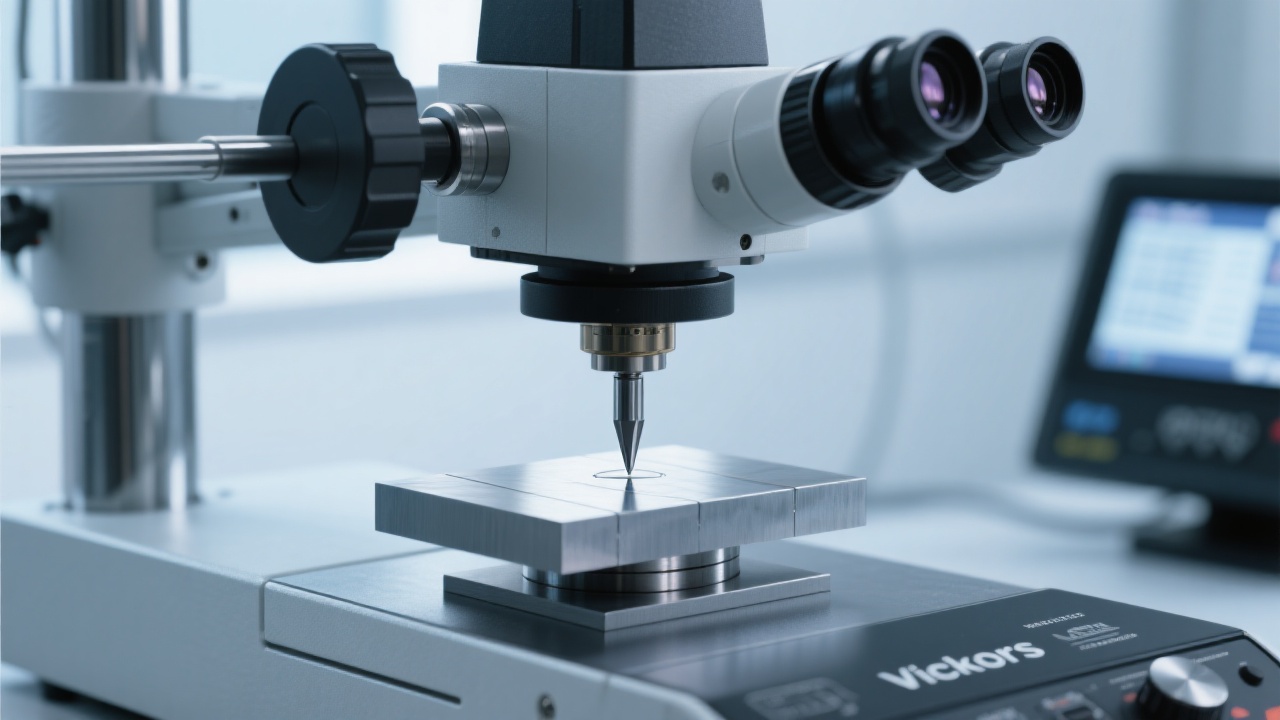
Each measurement is tagged with a unique identifier and timestamp—critical for traceability under standards such as GB/T 4340.1 and ASTM E384. This ensures no result can be misattributed or lost during batch processing. One lab reported a 60% reduction in audit discrepancies after adopting this practice, thanks to clear digital footprints for every test.
Human error or equipment drift can lead to outlier values. The HVS-1000A includes configurable algorithms to flag potential anomalies based on statistical thresholds (e.g., >2σ deviation from mean). These alerts allow users to review, confirm, or discard results before finalizing reports—boosting accuracy while maintaining workflow continuity.
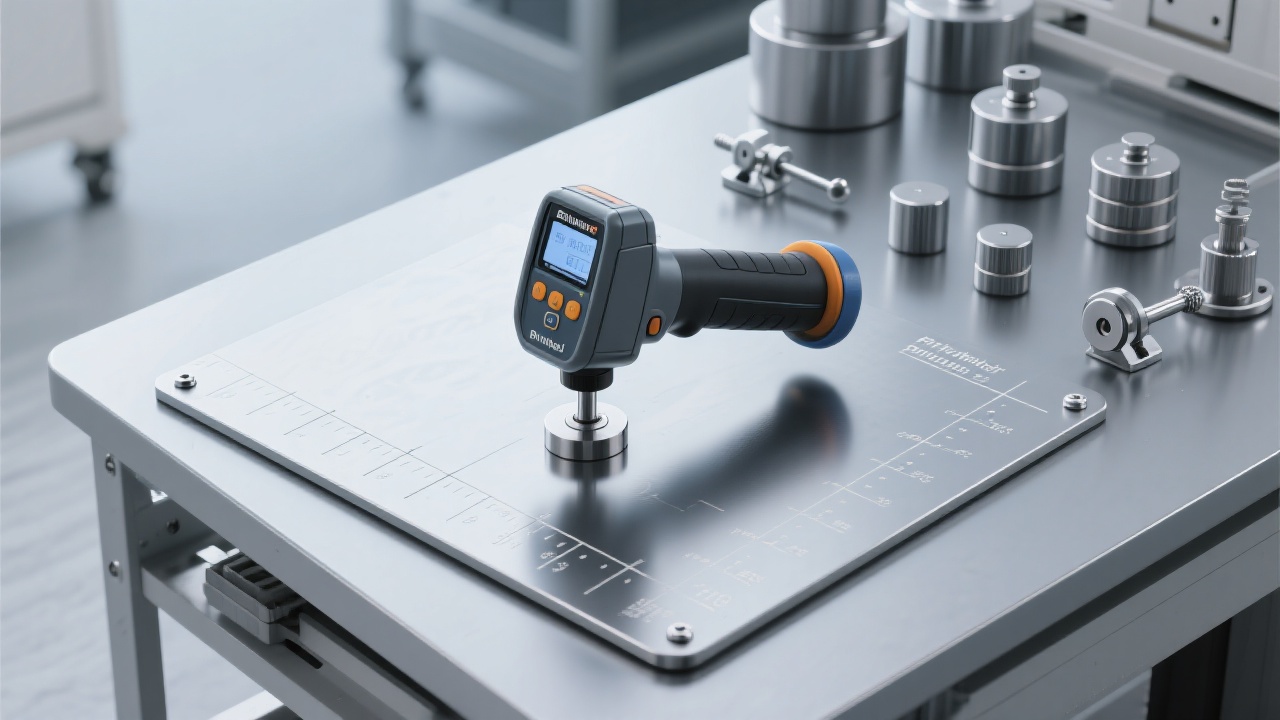
Multiple users working across departments need different levels of access—not all should modify raw data. With role-based permissions (admin, reviewer, viewer), labs ensure only authorized personnel can edit or delete records. This aligns with Good Laboratory Practice (GLP) principles and minimizes risk of accidental overwrites—a common issue in shared lab spaces.
ISO 6507 Clause 6.4: “All measurements shall be recorded in a manner that allows full traceability and verification.”
Whether you're managing a multi-user academic lab or a certified testing facility, integrating smart data handling isn't optional—it’s essential. The HVS-1000A doesn't just measure hardness; it builds trust through transparency, security, and automation.
Discover how the HVS-1000A helps labs achieve reliable, compliant, and collaborative data management—from first test to final report.
Explore HVS-1000A Features Now →Hardness-Tester7MHVS-5103050A-1.jpg?x-oss-process=image/resize,m_fill,h_600,w_600/format,webp)
Hardness-TesterHV-5103050A-1.jpg?x-oss-process=image/resize,m_fill,h_600,w_600/format,webp)


-1.jpg?x-oss-process=image/resize,h_1200,m_lfit/format,webp)







Hardness-TesterHVS-1000A-1.jpg?x-oss-process=image/resize,h_1200,m_lfit/format,webp)

Hardness-TesterHV-1000-1.jpg?x-oss-process=image/resize,h_1200,m_lfit/format,webp)