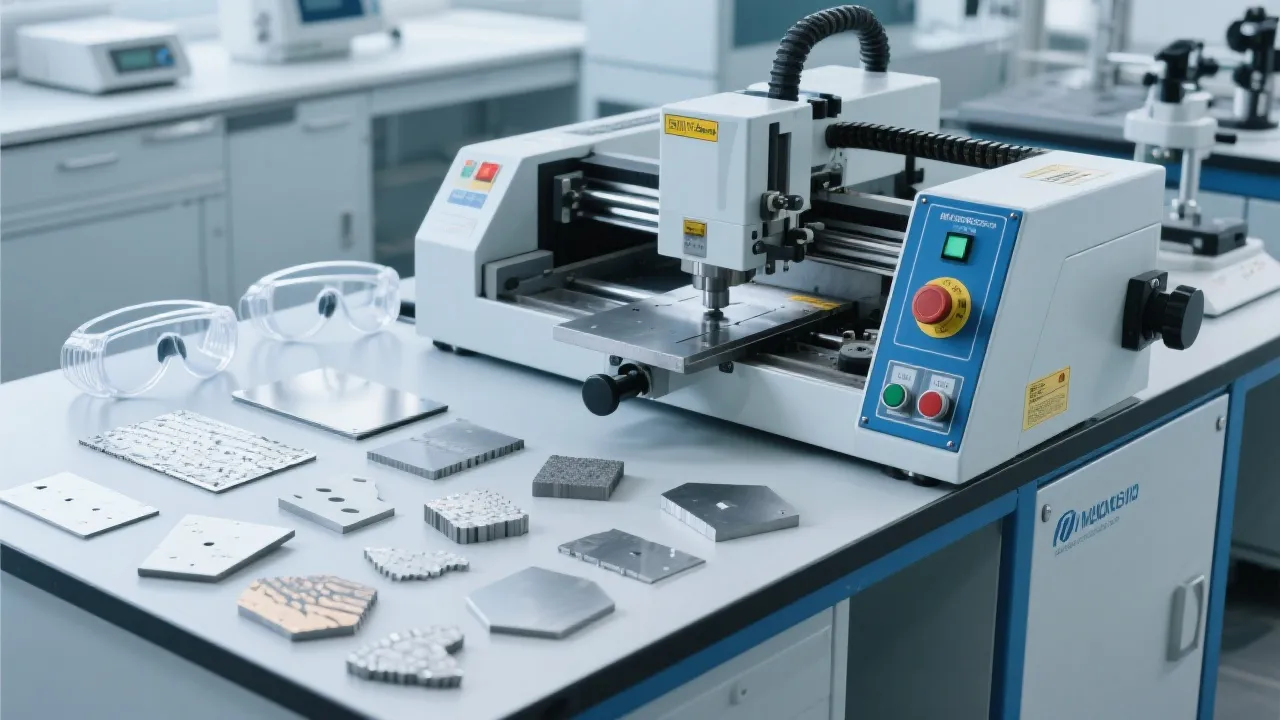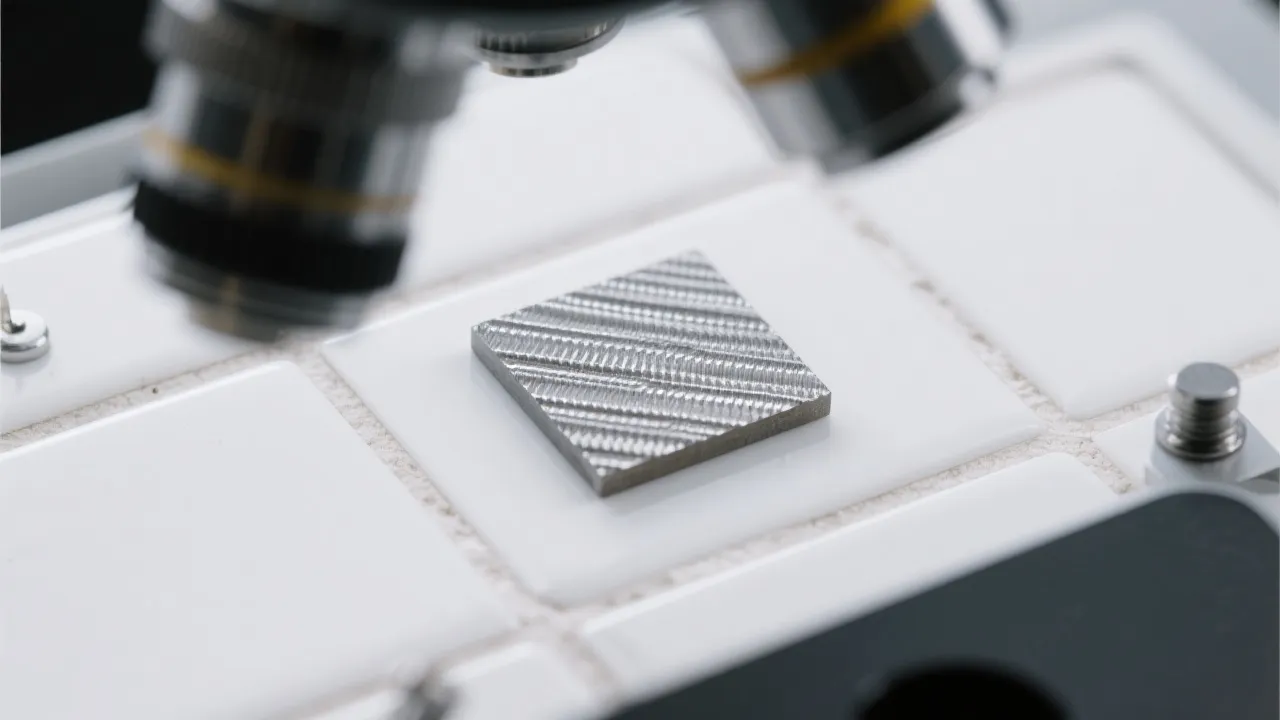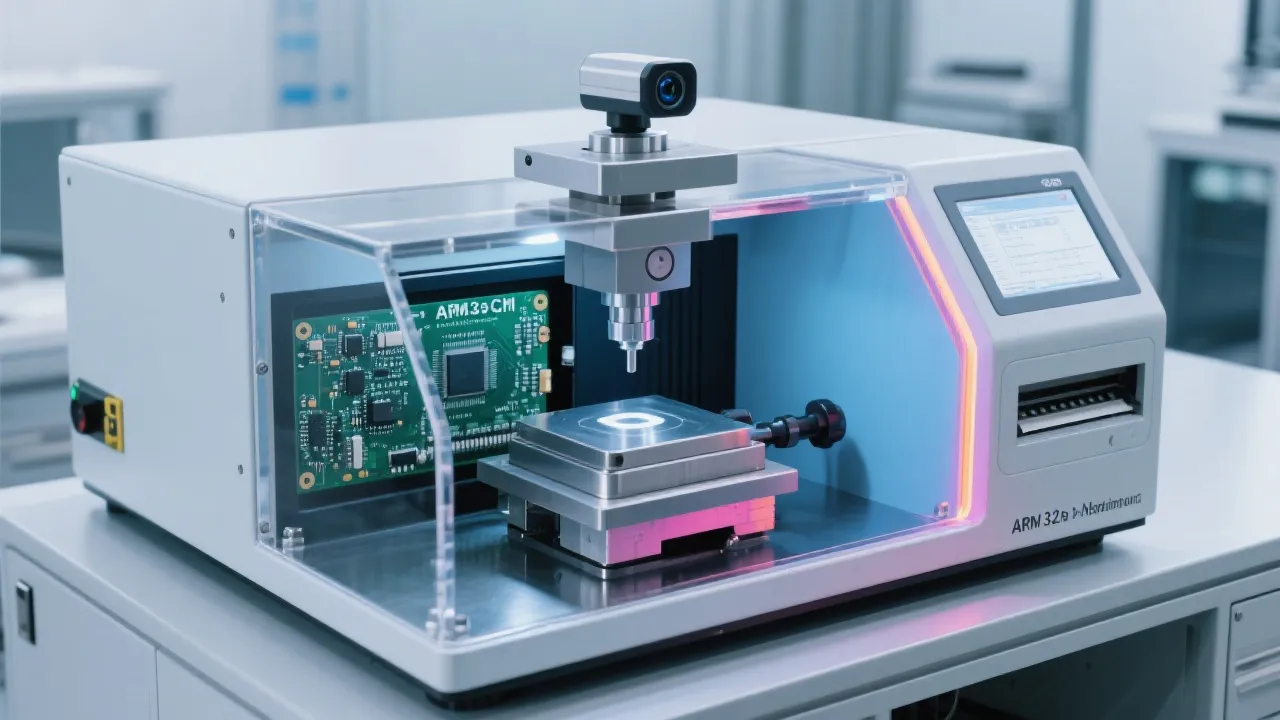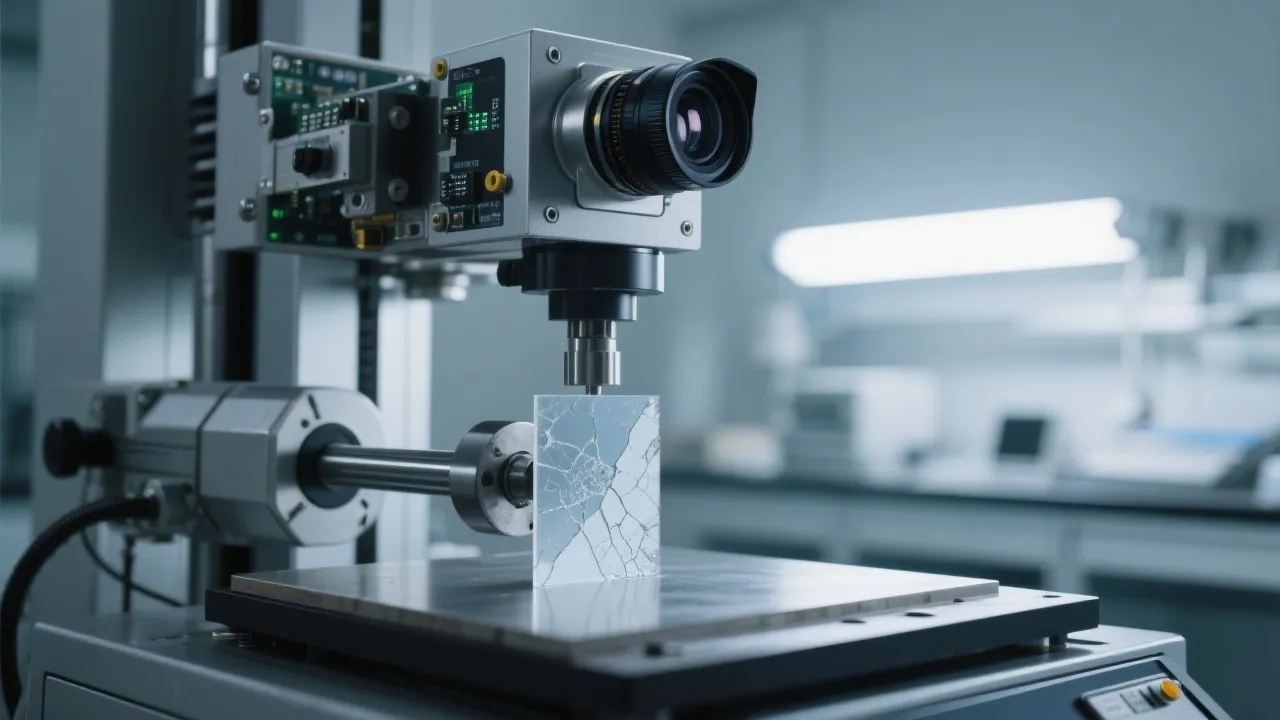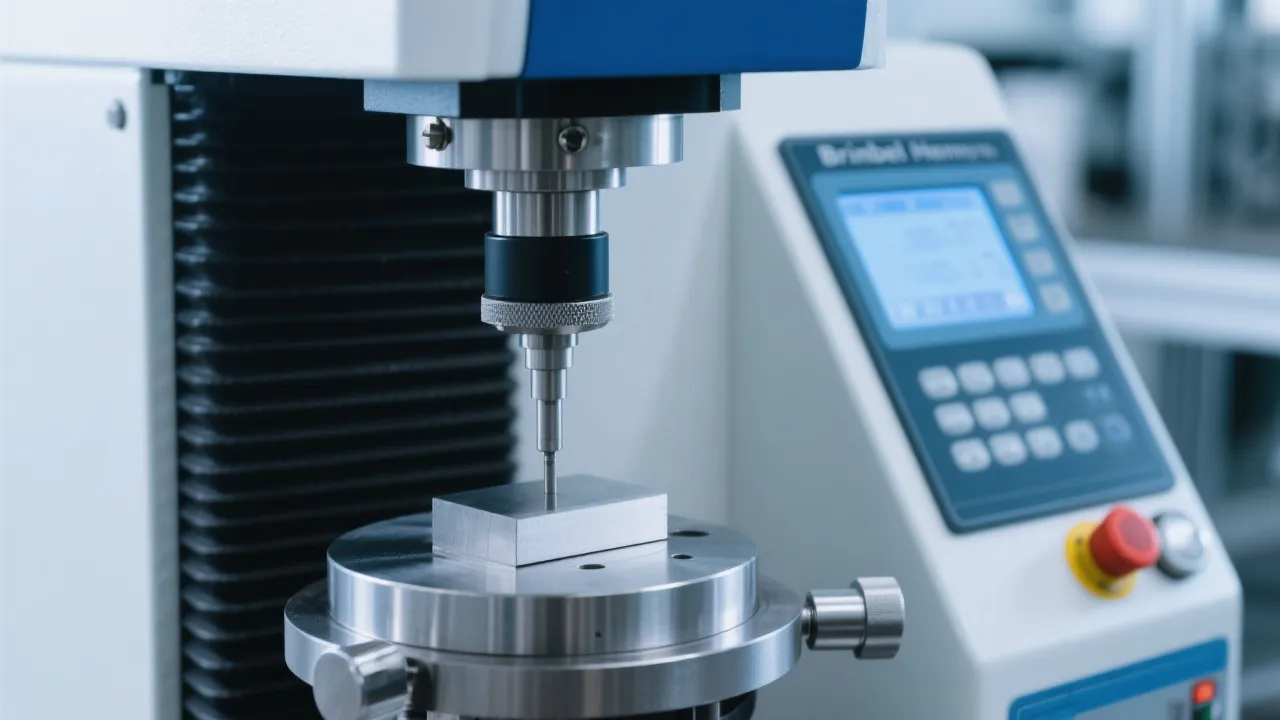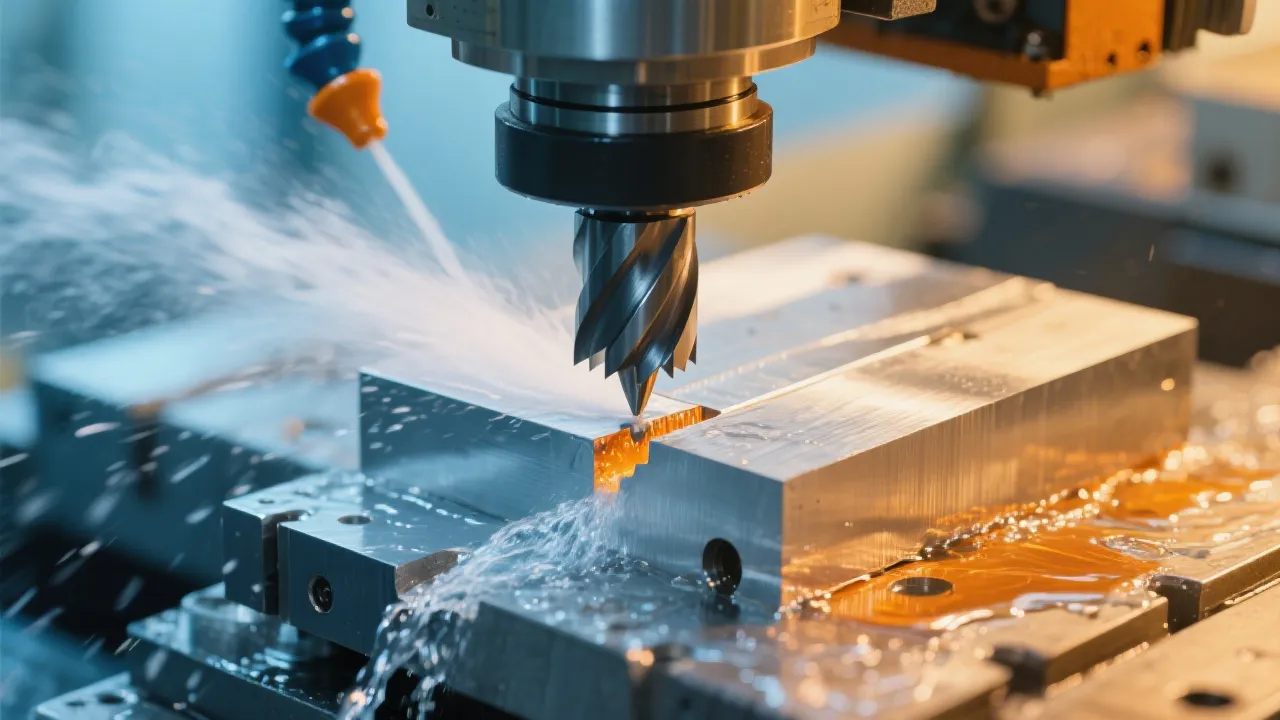
In industrial materials inspection, the most expensive “error” is often not a wrong conclusion—it is an inconsistent sample. A metallographic grinding and polishing machine becomes the quiet cornerstone of quality control because it determines whether microstructures are revealed clearly, repeatably, and without preparation artifacts. For QC teams under throughput pressure, the MP-1B class of metallographic grinder/polisher is frequently selected for its practical combination of stepless speed control (50–1000 rpm), integrated 3-in-1 design, and a high-flatness polishing platen engineered for stable, standard-friendly preparation.
Interactive prompt: Are you struggling with sample-to-sample consistency—where the same material, prepared by different operators, produces different scratch patterns, edge rounding, or etch response?
Metallography often sits upstream of critical decisions: heat-treatment validation, incoming inspection, failure analysis, coating thickness checks, and process audits. When preparation introduces deformation, pull-out, embedded abrasive, or contamination, the microscope can faithfully “confirm” a problem that never existed—or hide one that did.
A robust grinder/polisher helps QC laboratories standardize material removal rate, surface flatness, and scratch refinement. In typical industrial labs, a well-controlled preparation workflow can reduce rework significantly; field observations commonly show 10–25% fewer repeat preparations after standardizing consumables, speeds, and operator steps on a consistent platform.
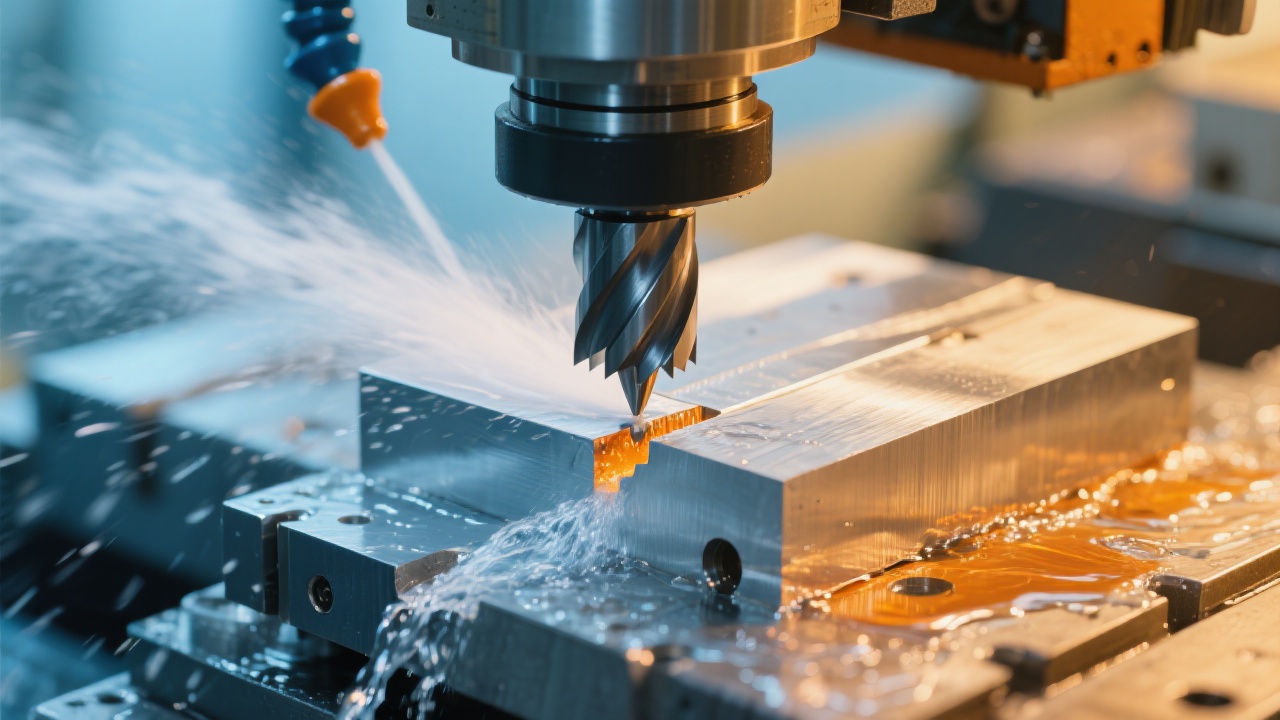
Stepless speed control is not a convenience feature; it is a tuning mechanism for scratch depth, heat generation, and abrasive interaction. Different alloys respond differently at the same rpm—especially when hardness and ductility diverge.
| Material type | Typical target | Recommended speed window (rpm) | Why it helps |
|---|---|---|---|
| Low/medium carbon steels | Fast planar removal + clean scratch progression | 300–600 | Balances removal rate and heat control; reduces smear risk |
| Stainless steels / Ni alloys | Minimize deformation and work hardening | 150–400 | Lower rpm reduces temperature rise and work-hardening artifacts |
| Aluminum / soft alloys | Reduce smearing and abrasive embedding | 80–250 | Lower speed helps maintain definition and avoids “drag marks” |
| Tool steels / hardened parts | Efficient scratch refinement without chatter | 250–500 | Stable platen speed improves repeatability for fine polishing |
| Ceramics / hard coatings | Control fracture and edge chipping | 100–300 | Moderate rpm helps reduce micro-cracking and pull-out |
In practice, a stepless 50–1000 rpm range allows the QC operator to lock in a validated recipe for each alloy family while still adapting to part geometry, mounting method, and initial surface condition. It also supports pre-SEM preparation where the final surface must be extremely clean with minimal deformation.
Standards reference (quote-style):
ASTM E3 emphasizes the need for preparation methods that produce a surface free of deformation and artifacts suitable for the intended examination method, with controlled progression through grinding and polishing steps.
ISO 4502 series provides guidance for metallographic preparation and examination practices, reinforcing repeatability and suitability for microstructural interpretation.
Standards do not dictate a single universal recipe, but they are consistent about outcomes: planar, scratch-controlled, contamination-free surfaces suitable for optical microscopy or electron microscopy. For quality systems, this translates into a repeatable, auditable workflow where each step has defined consumables, rpm range, time window, and cleaning rules.
One of the most underestimated variables in metallographic preparation is the polishing platen itself. A high-flatness platen supports uniform contact pressure across the specimen surface, which helps reduce:
Often caused by uneven pressure and trapped debris; flatness improves contact uniformity and flushing effectiveness.
Common in mounted samples; stable platen geometry supports consistent edge retention during fine steps.
Abrasive carryover can embed into softer metals; disciplined cleaning and separated consumables are essential.
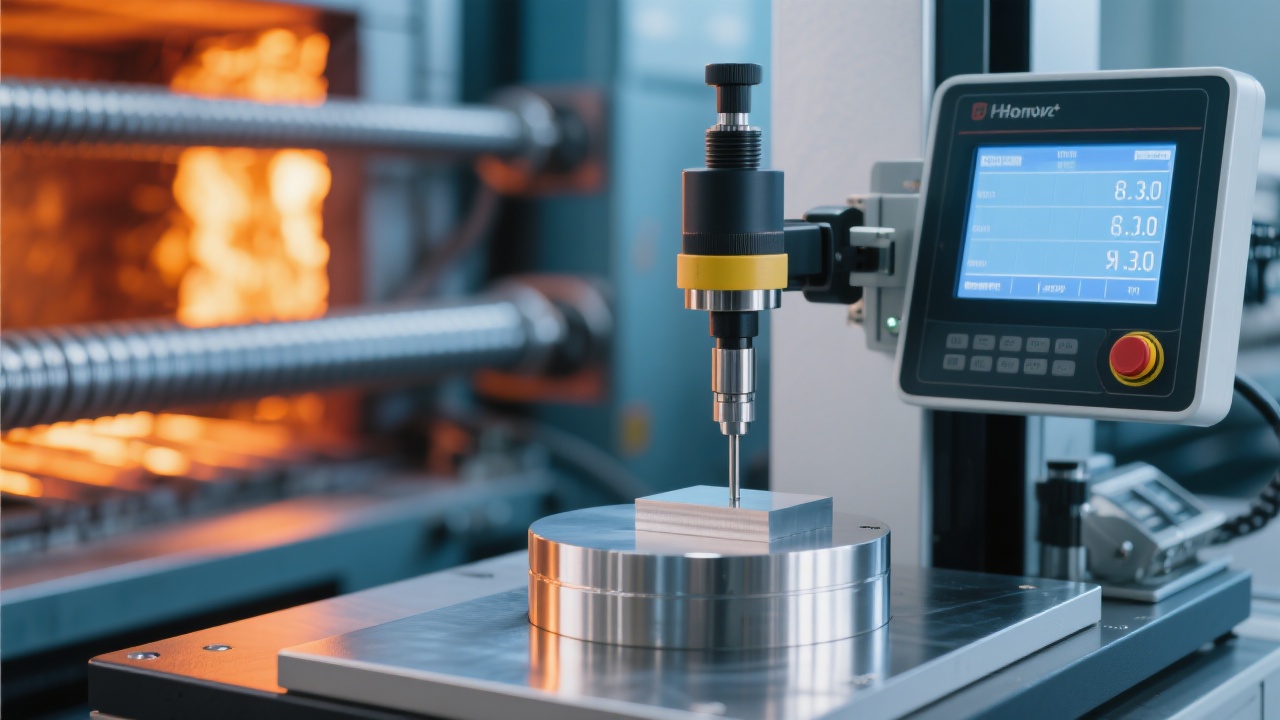
For industrial labs, a “good” machine is the one that makes it easy to do the right thing every time. A 3-in-1 integrated design supports standardized operation because the workflow stays on one stable platform, reducing setup variation and operator-dependent transitions. Combined with a broad rpm range (50–1000 rpm), QC teams can maintain validated recipes while adapting to multiple material families.
Repeat prep rate: target < 5–8% after SOP stabilization
Cycle time per sample: typical 8–20 min depending on material & initial condition
Training time: many operators reach stable results within 1–2 shifts with checklist coaching
These values vary by lab maturity, consumables, and sample volume, but they are useful as internal KPIs to prove improvement when a standardized grinder/polisher is introduced.
Equipment performance is only half of the outcome. The other half is how quickly a QC team turns a machine into a repeatable system—especially when shift rotation, audit pressure, and urgent failure analysis are part of daily reality.
Long-term stability also depends on a realistic spare parts plan: belts, platens/accessories, seals, and routine consumables. A sensible policy is to stock 4–12 weeks of high-turn items based on sample volume, and to align replenishment with internal audit cycles so the lab is never forced to “improvise” with off-spec substitutes.
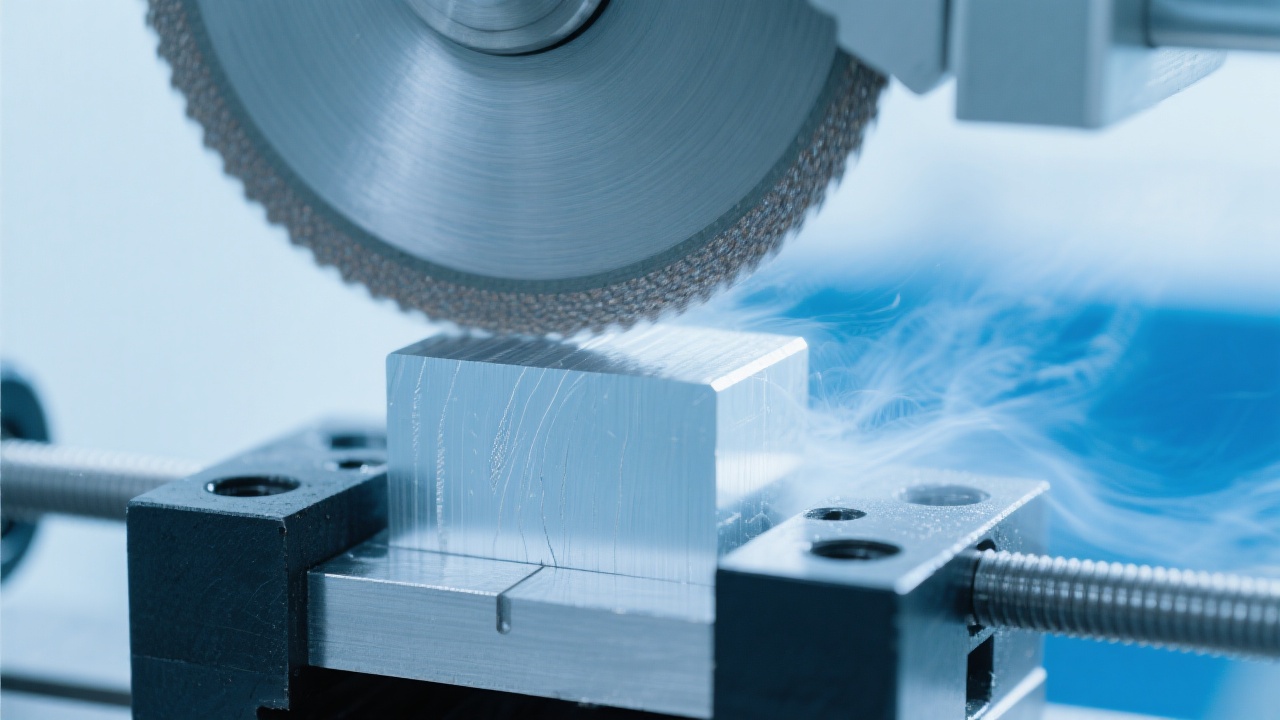
Likely causes: grit carryover, insufficient time at intermediate step, worn cloth, contaminated slurry.
Fast correction: reset cleaning discipline, extend the previous step by 20–40%, refresh cloth/suspension, and confirm scratch direction change before proceeding.
Likely causes: rpm too high, inadequate lubrication, excessive pressure, dirty cloth.
Fast correction: reduce rpm into a lower window, increase lubricant, shorten step time, and keep consumables dedicated to soft alloys.
Likely causes: too soft mounting, excessive polishing time, cloth too compliant.
Fast correction: improve mounting support, use a firmer polishing surface, and validate a shorter final polish recipe.
If your lab is aiming for more consistent microstructures, fewer re-preps, and smoother compliance with metallographic preparation standards, the MP-1B approach—stepless 50–1000 rpm control, integrated workflow design, and a high-flatness platen—can be a practical upgrade path.
Typical next step: share your materials list (e.g., steel, stainless, aluminum, coatings) and inspection method (OM/SEM), then align an SOP recipe with your internal QC targets.


Hardness-TesterHVS-1000-1.jpg?x-oss-process=image/resize,m_fill,h_600,w_600/format,webp)

Hardness-Tester7MHVS-1000A-1.jpg?x-oss-process=image/resize,m_fill,h_600,w_600/format,webp)