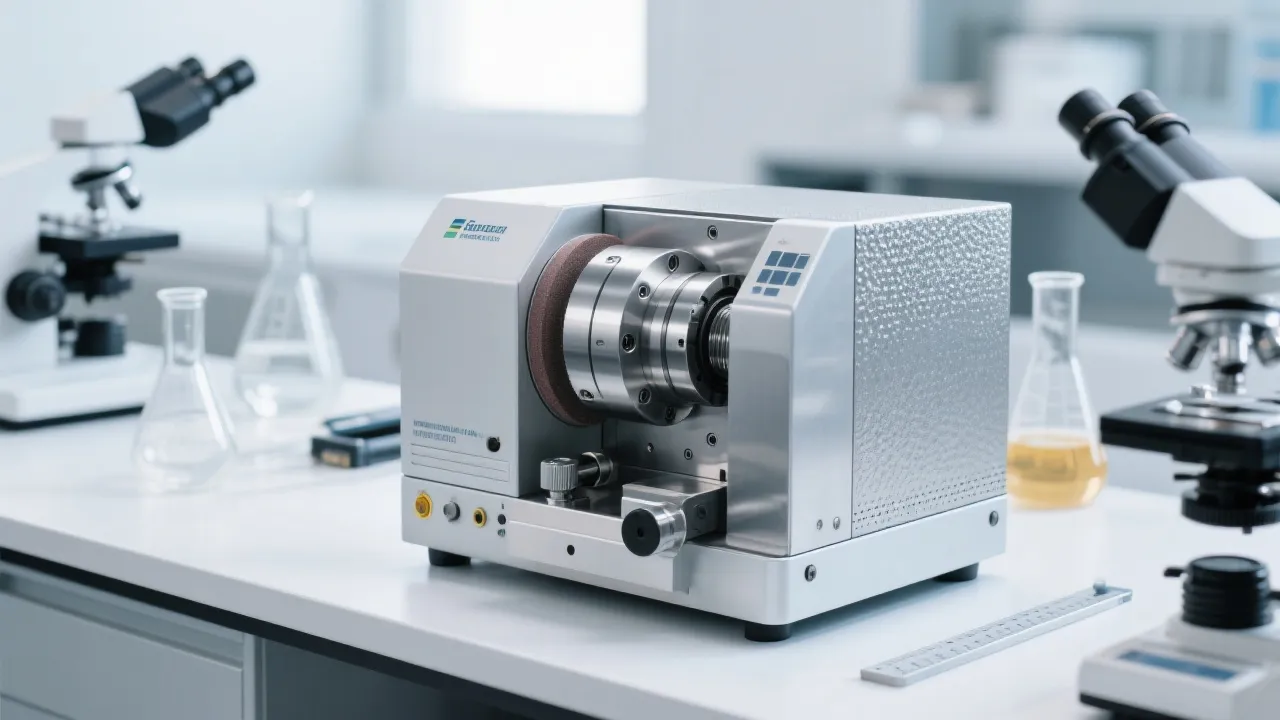
Metallographic Grinding & Polishing Machine for Industrial Material Quality Control: MP-1B Standardized Sample Preparation
06 03,2026
Technical knowledge
In industrial material quality control, your test results are only as reliable as the sample surface you prepare. This article explains how the MP-1B metallographic grinding and polishing machine supports accurate, repeatable metallographic sample preparation through stepless speed control (50–1000 rpm), an integrated 3-in-1 design, and a high-flatness polishing platen. Aligned with ISO/ASTM metallography practices, it outlines practical operating essentials—such as scratch prevention, cross-contamination control, and process consistency—to help you stabilize preparation quality for routine QC and electron microscopy pre-treatment. It also covers on-site installation and commissioning, technician training, and remote technical support to build a sustainable, standardized preparation system that improves throughput and elevates the value of your QC work. Learn more about how Jincheng MP-1B helps you establish a standardized sample preparation workflow.
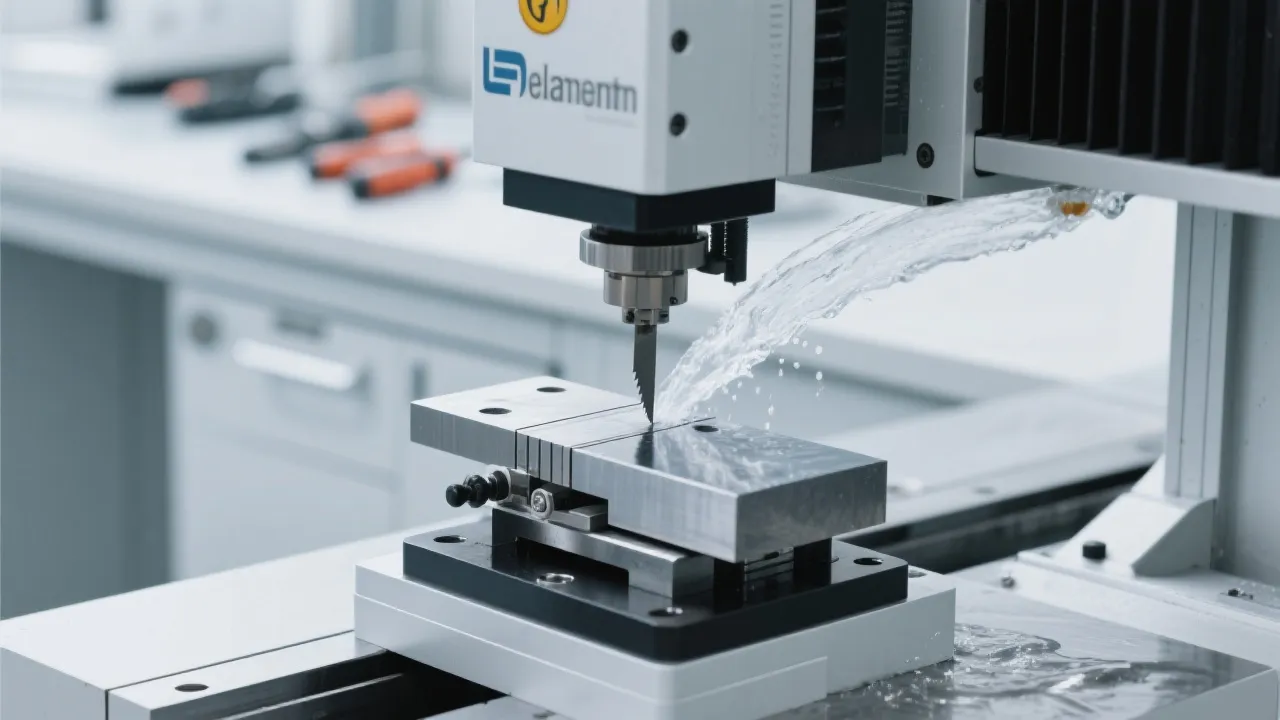
Metallographic Grinding & Polishing: The “Invisible” Step That Decides Your Inspection Accuracy
In industrial quality control, you can have a high-end microscope, a strict incoming inspection plan, and an experienced team—yet still get inconsistent results if sample preparation is unstable. A metallographic grinding and polishing machine is not “just a lab tool”; it is the gatekeeper of repeatable microstructure evaluation, defect confirmation, and failure analysis. When you standardize this step, you standardize your decisions.
Quick check: Have you ever faced “good-looking” samples that show different scratch patterns under the microscope from one operator to another? That’s often not a material issue—it’s a preparation control issue.
Why a Metallographic Polisher Matters in Factory QC (Not Only in R&D)
In production environments—heat treatment lines, casting shops, machining plants, wire & fastener factories—your metallographic results influence acceptance/rejection, corrective actions, and supplier scoring. The catch: microstructure interpretation is only as reliable as the surface you prepare. A stable metallographic grinding polishing machine reduces “noise” so your team focuses on actual material signals: grain size, decarburization depth, inclusions, porosity, carbide distribution, and coating integrity.
Typical inspection risks caused by poor preparation
- False “cracks” from deep grinding scratches
- Smearing that hides inclusions or phase boundaries (common in softer alloys)
- Edge rounding that distorts coating thickness or decarb layers
- Cross-contamination between abrasives that creates random surface defects
What standardization buys you (practical outcomes)
- More repeatable grain-size ratings and inclusion assessments
- Fewer reworks per specimen and shorter turnaround time
- Cleaner SEM pre-processing with fewer artifacts
- Better inter-operator consistency for audits and customer reports
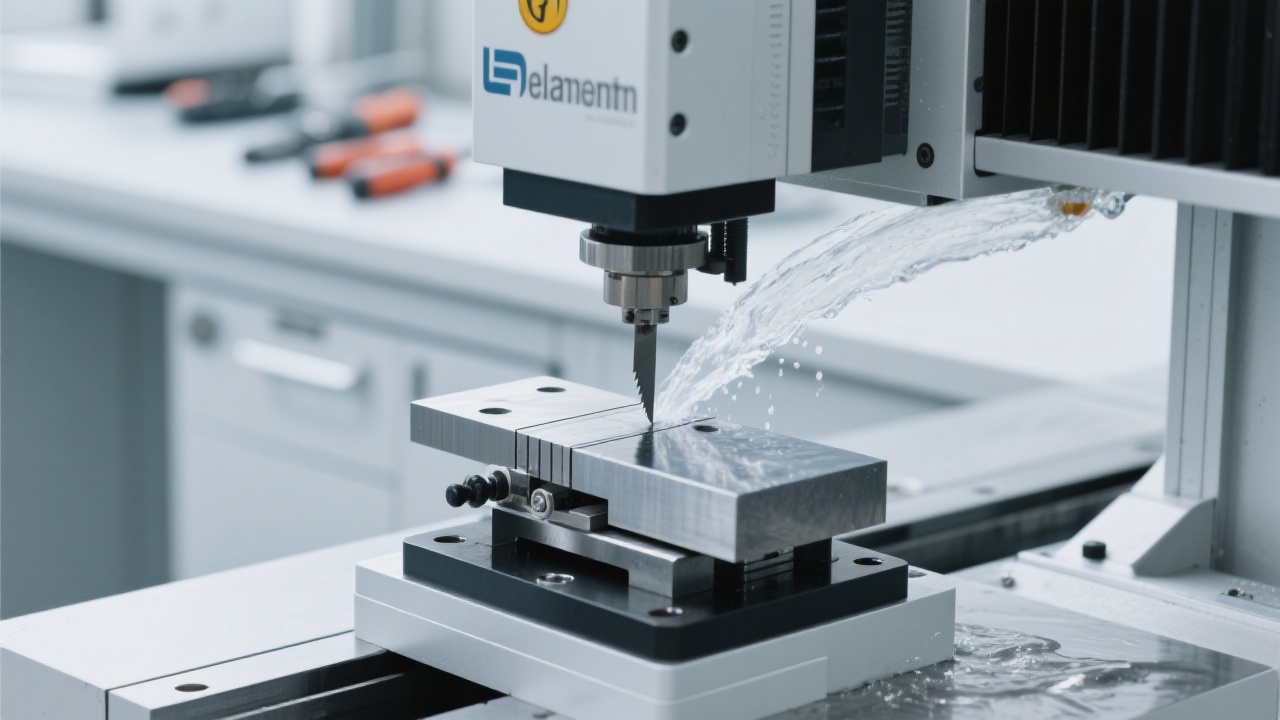
How MP-1B Builds a Stable, Repeatable Preparation Workflow
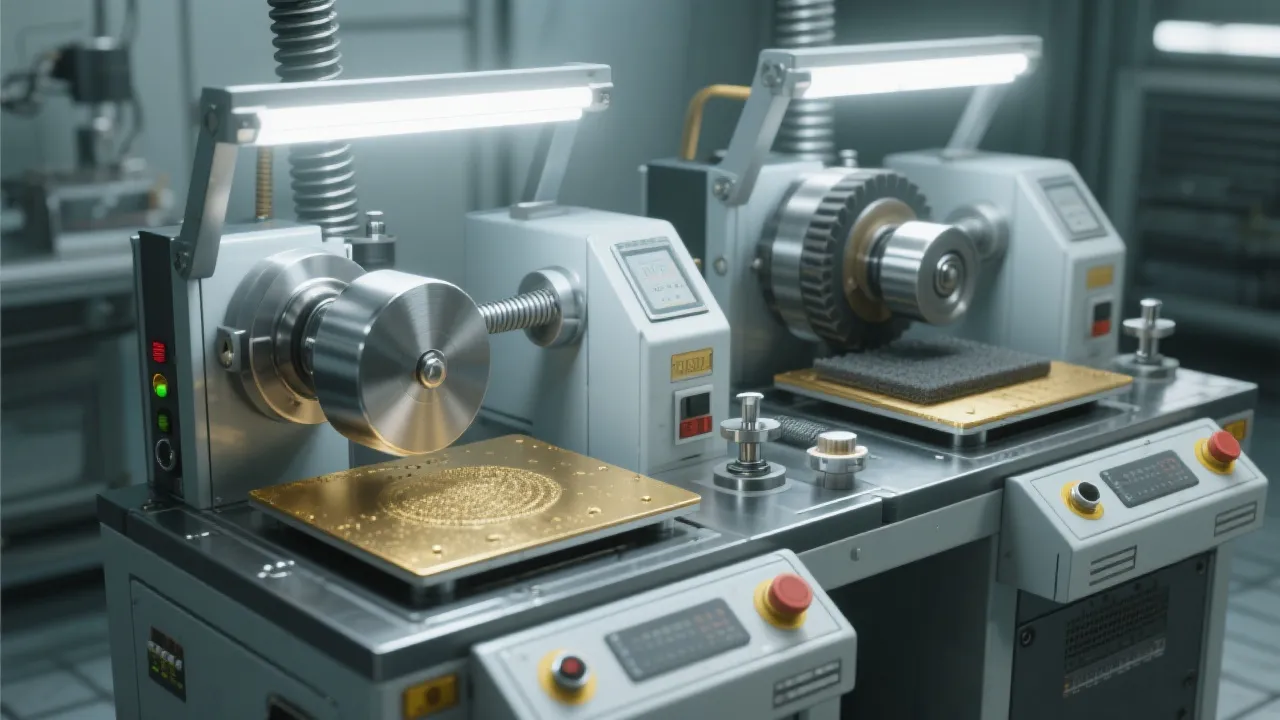
If you’re setting up (or upgrading) a preparation station, your key requirement is repeatability under real factory constraints—multiple operators, different shifts, and a mix of alloys. Jincheng positions the MP-1B metallographic grinding & polishing machine as a practical solution for standardized preparation: a 3-in-1 integrated design supported by stepless speed control from 50 to 1000 rpm, built to keep process windows stable and operator influence lower.
What you should care about (not just specifications)
| Feature |
Why it impacts your results |
QC benefit in daily work |
| Stepless speed 50–1000 rpm |
Controls removal rate, heat generation, and scratch depth |
Fewer artifacts, better repeatability between operators |
| Integrated 3-in-1 configuration |
Reduces handoffs and process variability in multi-step preparation |
Shorter cycle time per sample; easier SOP training |
| High flatness polishing plate |
Maintains plane surfaces; minimizes edge rounding |
More reliable coating thickness, decarb depth, and case depth readings |
| Durable low-noise structure (glass-fiber reinforced design) |
Improves stability during long runs and reduces vibration-related marks |
More comfortable shifts; stable surface finish in routine QC |
The Logic Behind Speed Control: How You Reduce Scratches and Improve Surface Flatness
Grinding and polishing is not “faster is better.” Your surface quality is a balance of removal rate, abrasive size, pressure, lubrication, and time. Stepless speed control helps you stay in a stable window when you switch materials (e.g., hardened steel vs. aluminum alloy) or when you move from grinding to final polish.
Recommended speed windows (field reference)
Below is a practical starting range many QC labs use. Adjust by material hardness and specimen size.
- Coarse grinding: 200–400 rpm (control heat, avoid deep grooves)
- Fine grinding: 150–300 rpm (refine scratch pattern)
- Intermediate polishing: 100–250 rpm (stability over speed)
- Final polishing: 80–180 rpm (minimize relief and smearing)
A repeatability target you can manage
For routine metallography, many industrial labs aim for a stable finish where the final scratch pattern is not visible at 100× optical magnification for steels, and where preparation-induced deformation is minimal for soft alloys. With a controlled process, it’s common to reduce re-preparation rates from around 15–20% to 5–8% over 4–6 weeks of SOP adoption (results vary by material mix and operator baseline).
Interactive prompt (for your next shift)
When you see random “mystery lines” under the microscope, do you first blame the material—or do you check whether your speed, lubricant flow, and abrasive cross-contamination control are consistent?
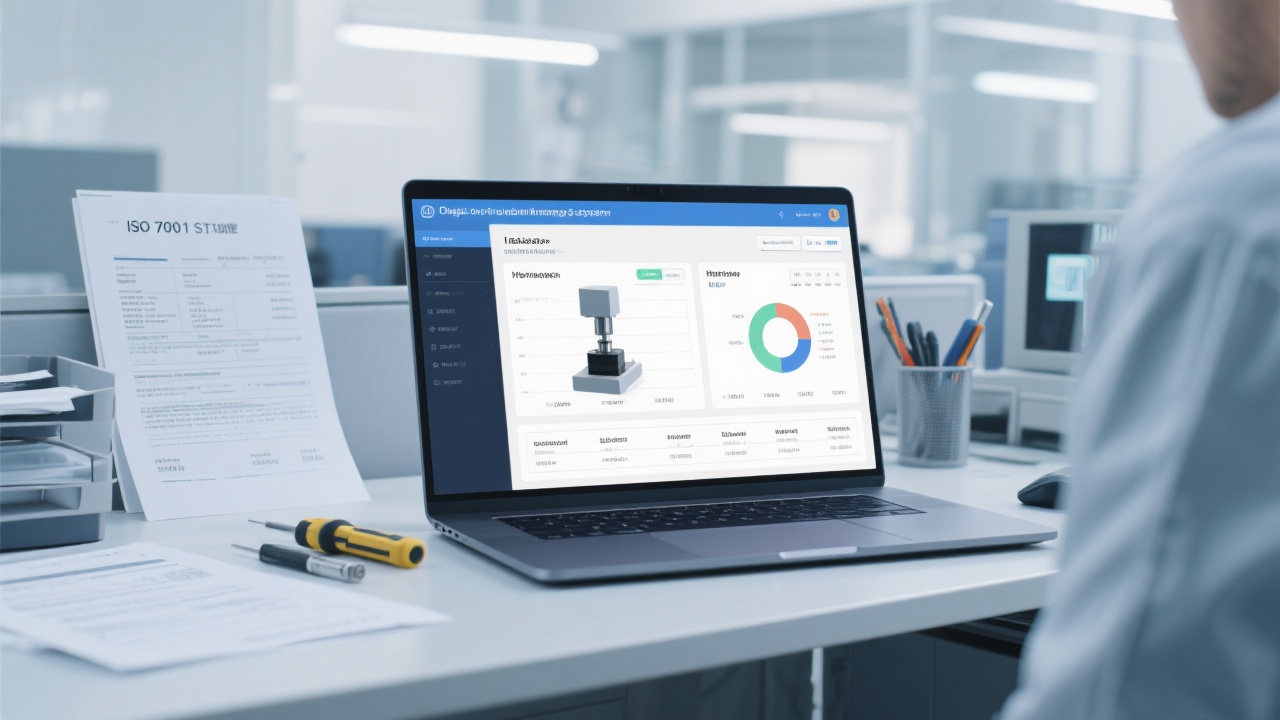
Standard Operating Flow Aligned with ISO/ASTM: What You Should Do Every Time
Your lab may reference ISO or ASTM documents depending on your industry and customer requirements. No matter the standard set, the principle is the same: use a controlled progression of abrasives, remove the previous step’s damage, and prevent contamination between steps. A machine like MP-1B helps you enforce these variables through stable speed and a consistent platform.
Reference (ISO 14104): Good practice in metallographic preparation emphasizes maintaining a controlled sequence of preparation steps and preventing cross-contamination to avoid preparation-induced artifacts that can affect interpretation.
Infographic suggestion: “QC Sample Prep Flow” (you can post on your lab wall)
- Incoming check: confirm specimen ID, orientation, and target zone (avoid wrong location sampling).
- Mounting (if required): ensure proper edge retention for coatings/case depth checks.
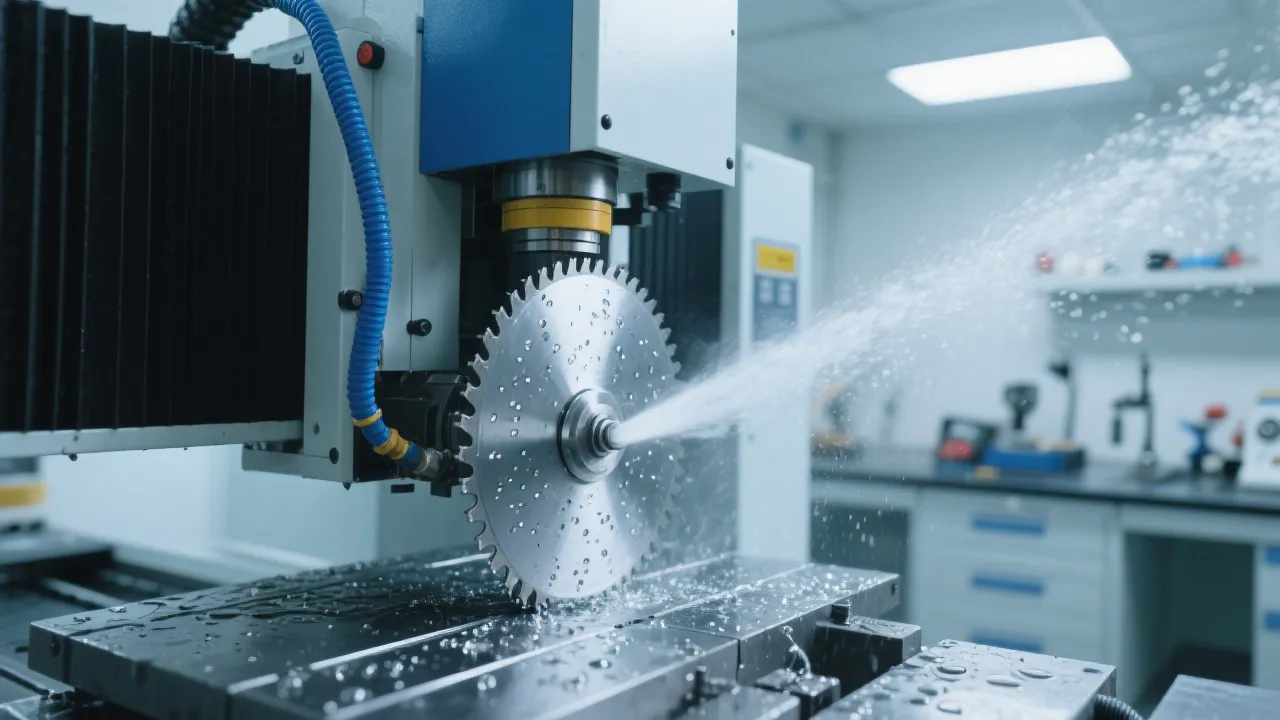
- Coarse grinding: remove saw damage; keep steady coolant/lubrication; avoid overheating.
- Fine grinding: rotate specimen orientation ~90° between steps to confirm previous scratches are removed.
- Polishing: use clean cloths and dedicated suspensions; control pressure and time.
- Rinse & dry: rinse thoroughly; use clean air; avoid wiping that re-scratches the surface.
- Etching: apply correct reagent/time; rinse immediately; document parameters.
- Verification: quick microscope check before SEM/measurement; log deviations.
Anti-scratch essentials (operator-level)
- Don’t skip grit sizes when switching from rough to fine removal
- Keep consistent pressure; too much load increases deep deformation
- Maintain adequate lubricant; dry grinding often creates thermal damage
- Verify scratch removal by changing orientation each step
Anti-contamination essentials (system-level)
- Use dedicated cloths/plates per abrasive grade when possible
- Clean the platen and surrounding splash zone between steps
- Store suspensions clearly labeled; discard if particles agglomerate
- Separate prep routes for very different materials (e.g., Cu alloys vs. steels)
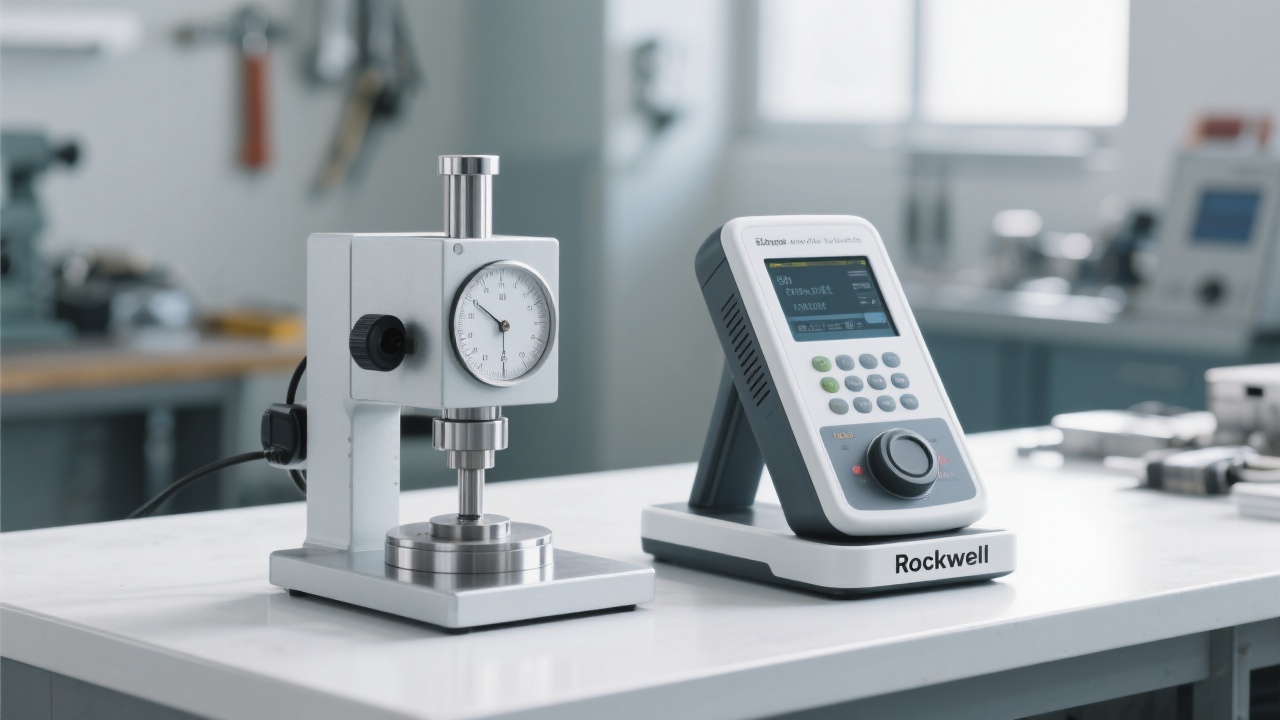
Real Industrial Scenarios: Where MP-1B Helps You Move Faster Without Losing Control
You don’t need “perfect lab conditions” to produce trustworthy metallographic surfaces—you need a controllable process. In many factories, QC staff prepare specimens for optical microscopy first, then select critical samples for SEM/EDS. The stability of your final polish becomes the difference between a clean inclusion morphology and a smeared artifact that wastes hours.
Scenario A: Heat-treatment QC (case depth / decarb)
Plane surfaces and controlled edge retention are critical. With stable platen flatness and controlled speed, you reduce edge rounding that can “shrink” the apparent case depth. This is especially important when your acceptance window is tight (e.g., case depth variations of ±0.1 mm can matter depending on standard/spec).
Scenario B: Incoming inspection (supplier dispute)
When you’re building a dispute-ready report, consistency beats speed. Stepless speed control helps you lock the same removal behavior across operators and shifts, improving comparability between “before/after” corrective actions.
Scenario C: SEM pre-processing (inclusions & fractures)
SEM is unforgiving: preparation artifacts look “real.” A stable polishing stage reduces pull-outs and smearing, supporting clearer EDS spot results and fewer “repeat prep” loops—often the hidden cost in failure analysis lead time.
Installation, Training, and Remote Support: The Service Loop That Keeps Your SOP Alive
In QC, the real win is not buying a machine—it’s building a sustainable preparation system that survives staff turnover and workload spikes. With Jincheng, the goal is a closed loop: installation & commissioning, operator training, and remote support to stabilize your SOP over time.
A practical rollout plan you can adopt
Day 1: Installation & calibration
Confirm platen run stability, speed response, water/lubrication routing, and safe operating checks. Establish baseline parameters for your top 3 materials.
Week 1: Hands-on training
Train operators on scratch control, step verification, cleaning rules, and documentation habits. Build a one-page SOP and a troubleshooting checklist.
Weeks 2–6: Remote tuning & audit readiness
Use remote support to refine speed/time windows, align with your report templates, and reduce rework. This is where consistency becomes measurable.
Many factories see the biggest improvement when training focuses on contamination control + verification habits, not just “how to start the machine.”
One mindset shift that upgrades your output
Your value in QC increases when you reduce “interpretation debates.” A stable metallographic preparation workflow turns discussions from “Is this artifact?” into “What’s the root cause in the process?”—and that’s where quality teams create real business impact.
Ready to Standardize Your Metallographic Sample Prep?
If your lab is aiming for faster turnaround, fewer re-preps, and inspection results you can defend in audits and supplier disputes, it’s time to implement a repeatable system—speed control, flatness, and clean-step discipline included.




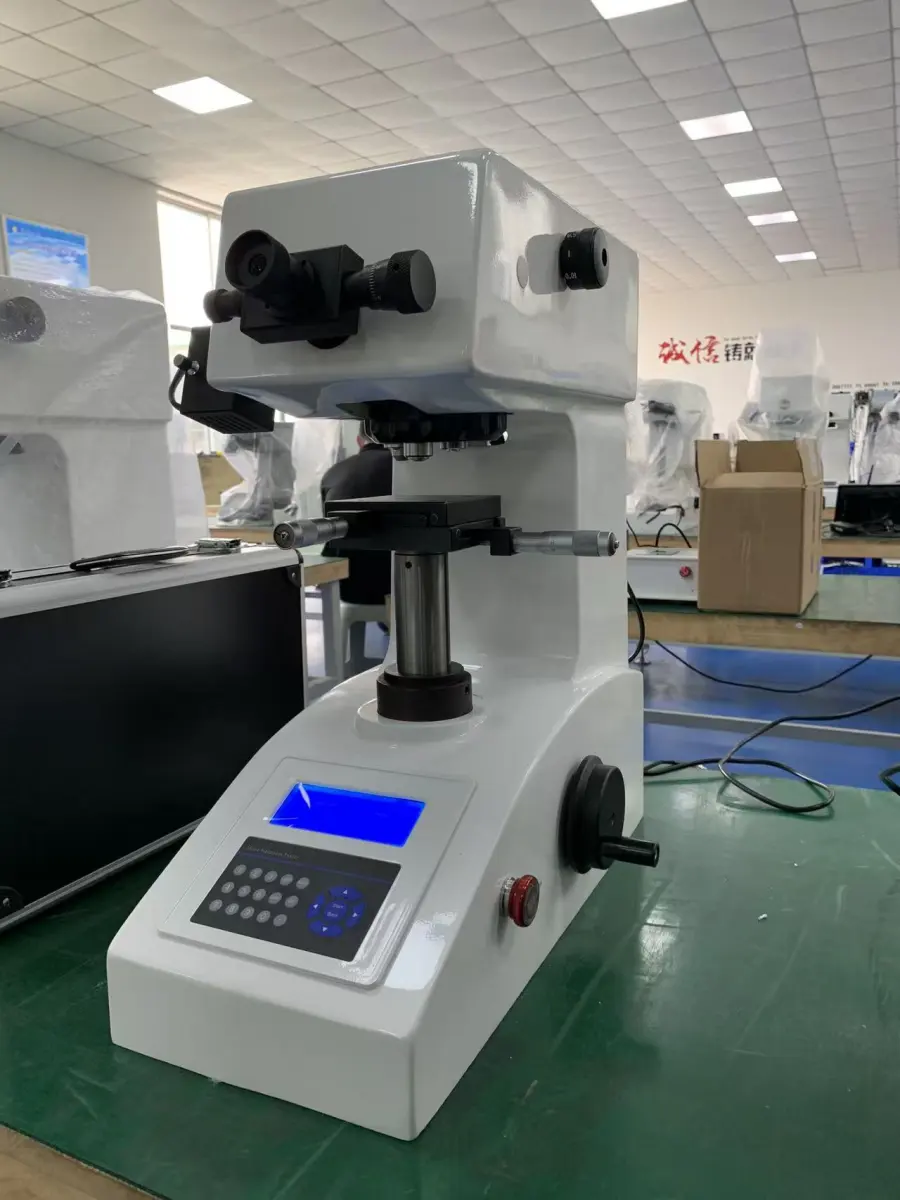
Hardness-TesterHV-1000-1.jpg?x-oss-process=image/resize,h_1200,m_lfit/format,webp)

.jpg?x-oss-process=image/resize,h_1200,m_lfit/format,webp)