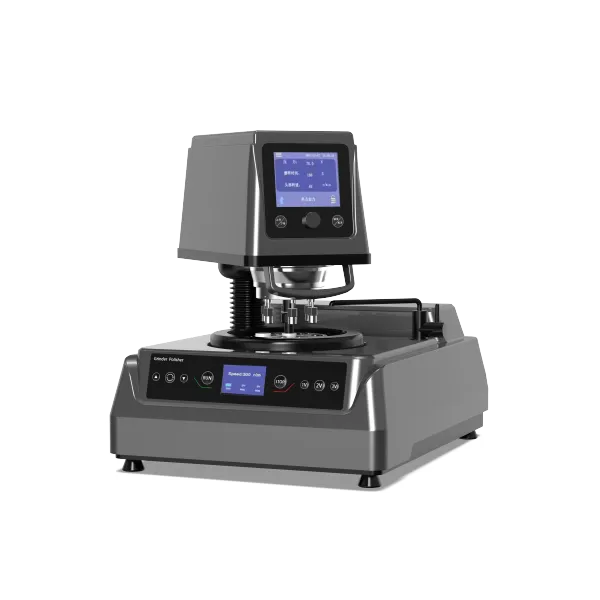
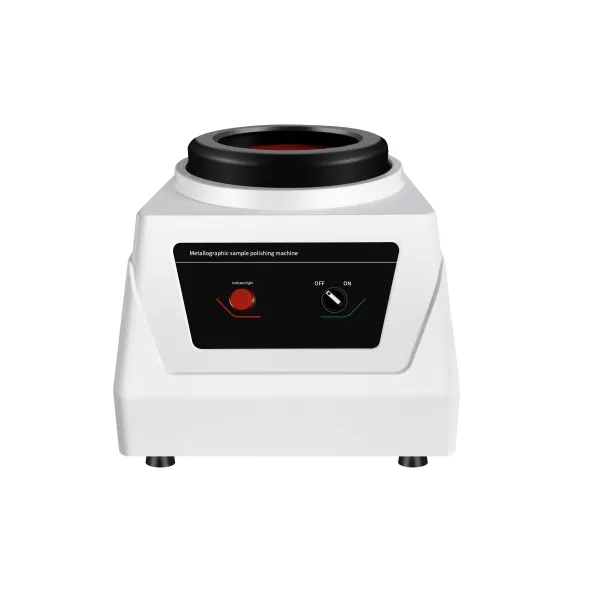
Metallurgy Lab Maintenance SOP for the MP-2S Dual-Disc Manual Grinding & Polishing Machine
17 11,2026
Laizhou Jincheng Industrial Equipment Co.,Ltd
Laizhou Jincheng Industrial Equipment Co.,Ltd shares a standardized maintenance workflow for the MP-2S dual-disc manual grinding and polishing machine in metallurgy laboratories, covering fiberglass body care, variable-speed control upkeep, daily cleaning and anti-corrosion practices, and routine inspection and periodic calibration to keep sample preparation accuracy stable.
This page provides a practical Maintenance Standard Operating Procedure (SOP) for the MP-2S dual-disc manual metallographic grinding & polishing machine used in metallurgy laboratories. The workflow is shared by Laizhou Jincheng Industrial Equipment Co.,Ltd (Laizhou Jincheng), a manufacturer focused on metallographic inspection and hardness testing equipment since 2004.
Scope includes: fiberglass body care, variable-speed control upkeep, daily cleaning and anti-corrosion, routine inspection, and periodic calibration checks aimed at keeping sample preparation stability consistent.
Equipment Covered
- Model: MP-2S metallographic grinding & polishing machine (dual-disc, manual operation)
- Typical use: metallography sample preparation in metallurgy labs (grinding, polishing prior to microstructure examination)
- Key maintenance topics: fiberglass housing care, variable-speed control system, cleaning and corrosion prevention, inspection & calibration routines
Note: Always follow your lab’s safety rules and lock-out/tag-out practices when servicing electrical components or moving parts.
Recommended Maintenance Cadence
| Frequency |
Primary goals |
| Per shift / daily |
Remove slurry and debris, wipe surfaces dry, basic corrosion prevention, quick safety/function check |
| Weekly |
Inspect variable-speed control response, check fasteners/guards, verify smooth disc rotation and abnormal noise |
| Monthly / quarterly (based on workload) |
Deep clean, corrosion review, inspect electrical connections, evaluate wear parts and consumable interfaces |
| Scheduled (periodic) |
Standardized inspection record review and calibration/verification checks to keep preparation stability consistent |
1) Pre-Maintenance Safety and Setup
- Stop operation: ensure the discs have fully stopped before reaching into the working area.
- Power isolation: switch off and disconnect power before cleaning near electrical controls or opening panels.
- Remove samples & consumables: clear specimens, papers/cloths, and accessories to expose surfaces for cleaning.
- Prepare cleaning materials: non-abrasive cloths, mild cleaner (lab-approved), and corrosion-prevention supplies suitable for lab environments.
Avoid aggressive solvents or abrasive pads on the fiberglass body and painted/finished surfaces to reduce risk of surface damage.
2) Fiberglass Machine Body Care
Cleaning steps (recommended daily)
- Wipe the outer housing and working-area splash zones with a soft, damp cloth to remove slurry residue.
- Dry surfaces after wiping to reduce moisture retention around edges and joints.
- Inspect for surface scratches, chips, or cracks that can trap debris and complicate cleaning.
Care tips
- Keep chemical splashes off the body; clean promptly if contact occurs.
- Do not use sharp tools to scrape dried slurry from fiberglass surfaces.
- Maintain a tidy perimeter to prevent accidental impacts and abrasion.
3) Variable-Speed Control System Upkeep
Stable speed control supports repeatable grinding and polishing conditions. Maintenance should focus on cleanliness, predictable response, and early detection of irregular behavior.
Weekly functional checks
- Verify the speed setting changes smoothly across the operating range (no sudden jumps or dropouts).
- Listen for abnormal sound during speed changes that may indicate mechanical load issues or misalignment.
- Confirm the control panel area stays dry and clean after operation.
Cleaning & protection
- Prevent slurry or water from entering gaps around controls and interfaces.
- Use only lab-approved methods for cleaning near electrical sections; avoid excessive moisture.
- If response becomes inconsistent, stop using the unit and arrange inspection by qualified personnel.
Documentation tip: record any speed instability (when it occurs, approximate setting, load condition, and observed behavior). This improves troubleshooting efficiency during service.
4) Daily Cleaning and Anti-Corrosion Practices
End-of-use cleaning sequence
- Remove visible debris and slurry from the working area.
- Wipe contact surfaces and splash areas; avoid pushing slurry into seams and corners.
- Dry all surfaces thoroughly, especially around joints and edges.
- Check the floor and nearby bench area to prevent secondary contamination and corrosion sources.
Corrosion prevention focus
- Control residual moisture after wet grinding/polishing.
- Keep the unit in a ventilated, clean lab zone.
- Inspect for early signs of corrosion and address promptly according to lab policy.
Consistent cleaning is part of quality control: residue buildup can change preparation conditions and affect repeatability across operators and shifts.
5) Routine Inspection Checklist (Standardized)
Use a simple checklist to make inspections repeatable and auditable. The items below can be adapted to your lab’s internal maintenance records.
| Area |
What to check |
Typical action |
| Housing (fiberglass) |
Cracks, chips, residue buildup, cleanliness |
Clean, dry, and schedule repair if damage is found |
| Variable-speed behavior |
Smooth speed change, stable operation at set speed |
Document anomalies; arrange service if instability persists |
| Disc rotation |
Abnormal vibration/noise, uneven rotation feel |
Stop operation; inspect mechanical condition and mounting |
| Fasteners & guards |
Loose screws, missing guards, unsafe gaps |
Tighten/restore per lab rules; do not bypass safety parts |
| Work area hygiene |
Slurry residue on adjacent surfaces, standing water |
Clean and dry to reduce corrosion and cross-contamination |
6) Periodic Calibration / Verification Practices
In metallurgy labs, periodic verification supports consistent sample preparation conditions over long-term use. Calibration/verification activities should follow your internal quality system and the applicable standards used by your organization.
What to standardize
- Verification interval (e.g., monthly/quarterly) based on workload and quality requirements
- Consistent test method and acceptance criteria defined by the lab
- Traceable records: date, operator, observations, actions taken
When to perform earlier checks
- After abnormal noise/vibration or unstable speed behavior
- After relocation, long downtime, or major cleaning/service work
- When preparation results show unexpected variability between operators or shifts
For labs running ASTM/ISO-aligned workflows, align verification records with your internal audit needs. If you need a site-specific checklist template, Laizhou Jincheng can provide guidance based on the MP-2S configuration.
7) Consumables, Cleaning Boundaries, and Good Practice Notes
Keep maintenance “repeatable”
- Use the same cleaning steps across shifts to reduce preparation variability.
- Separate cleaning cloths for body surfaces vs. working-area slurry residue.
- Maintain clear ownership: lab manager defines interval; technicians execute and record.
Do not do
- Do not wash electrical areas with running water.
- Do not scrape fiberglass surfaces with metal tools.
- Do not ignore unstable speed behavior; document and investigate.
Support from Laizhou Jincheng
Laizhou Jincheng Industrial Equipment Co.,Ltd supplies metallographic preparation equipment and related solutions for manufacturing, metallurgy, universities, and research organizations. If your metallurgy lab needs a maintenance checklist aligned with your workflow (daily cleaning, corrosion prevention, inspection routines, and scheduled verification), you can contact Laizhou Jincheng and reference the MP-2S model for faster assistance.