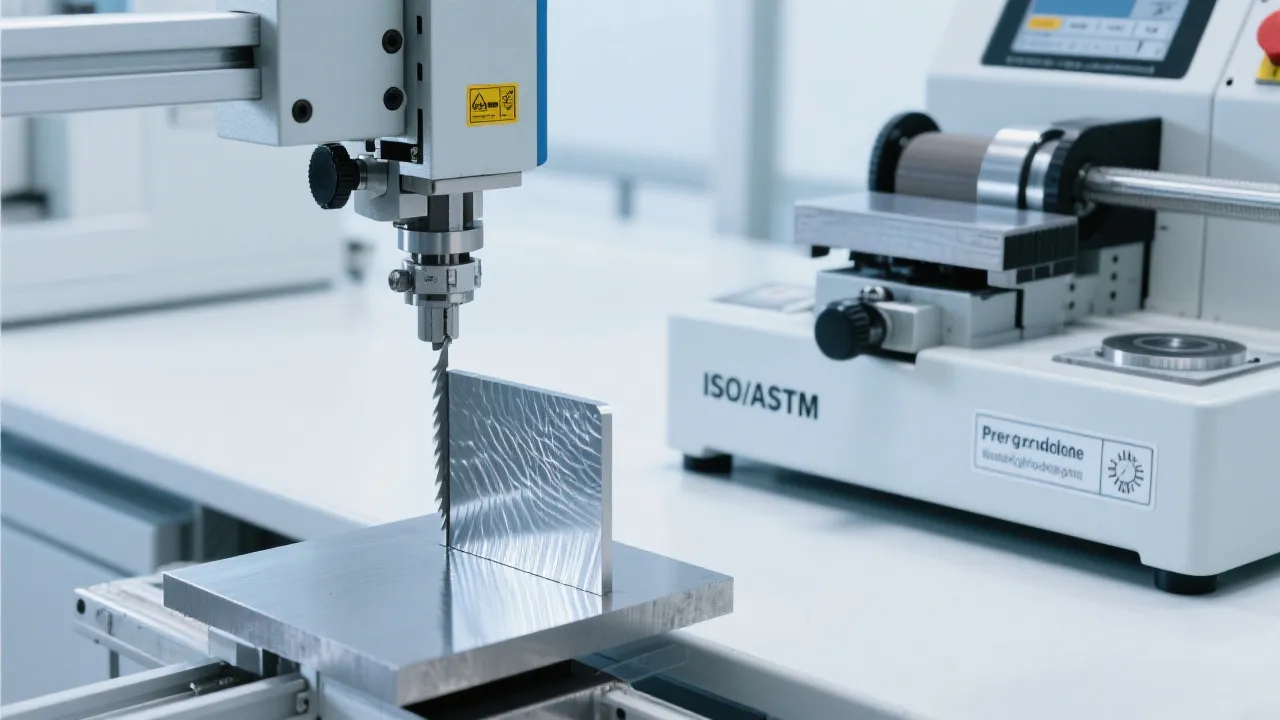
MP-2S Metallographic Grinding and Polishing Machine Maintenance Guide for Long-Term Stable Lab Operation
10 03,2026
Jin Cheng
Application Tutorial
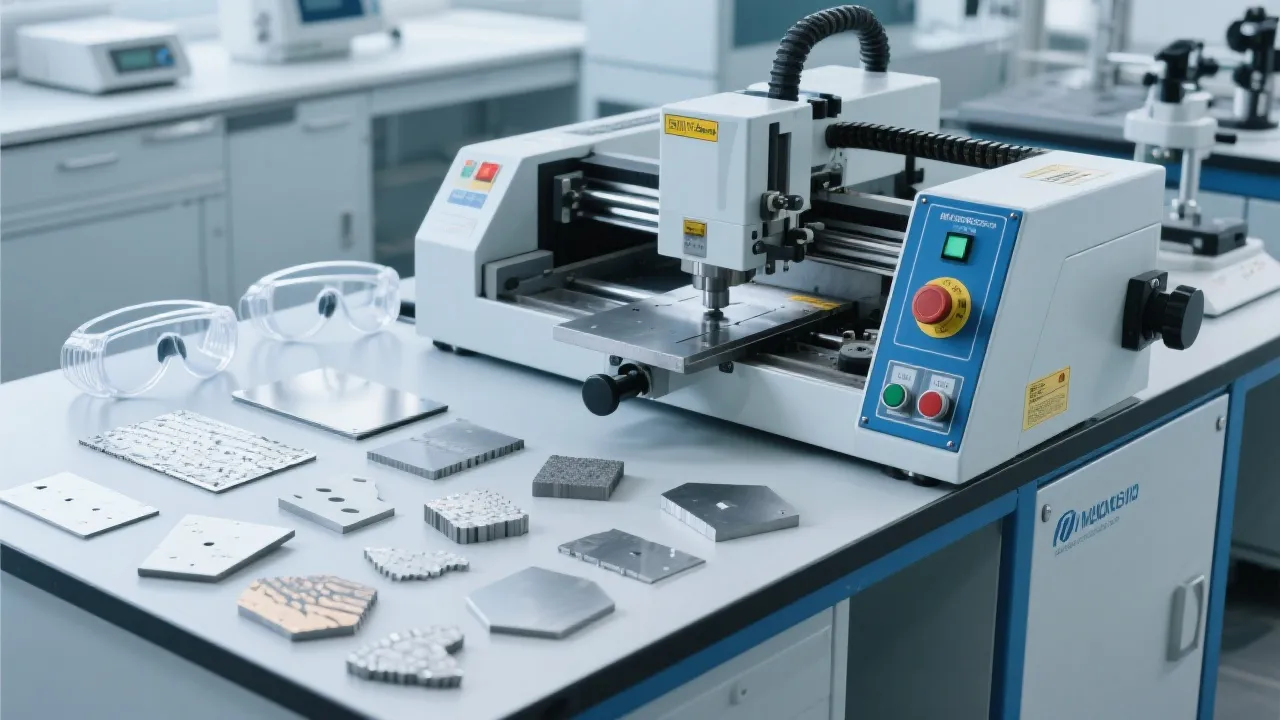
Long-term stability of a laboratory grinding and polishing machine depends on disciplined, repeatable maintenance. This practical guide walks you through maintaining the MP-2S double-disc manual grinding/polishing machine, with a focus on fiberglass body cleaning and corrosion prevention, variable-speed control system care, and standardized inspection and calibration recommendations. Tailored to metallography and new materials R&D workflows, it provides actionable monthly and quarterly checklists, common failure pain points, and mistake-avoidance tips that help you reduce downtime, extend service life, and protect data reliability. For consistent results, you can also leverage JinCheng’s original spare parts support from Laizhou JinCheng Industrial Equipment Co., Ltd. to keep critical components aligned with factory specifications.
Laboratory Grinding & Polishing Machine Maintenance: A Practical Guide to Long-Term Stable Operation (MP-2S Focus)
If you run metallography, failure analysis, or new-material R&D, your grinding and polishing machine is not “just a tool”—it is part of your measurement chain. When the machine drifts, your surface finish drifts; when the speed control fluctuates, your removal rate becomes a guess. This tutorial helps you build a realistic, repeatable maintenance routine for an MP-2S double-disc manual grinding/polishing machine, with special attention to FRP (fiberglass) body care, variable-speed control system upkeep, and standardized checklists + calibration habits that keep downtime low and data reliable.
Why Lab Grinding/Polishing Machines Fail in Real Life (and What You Can Control)
Most “sudden” failures are actually slow accumulation: abrasive slurry residue, moisture ingress, overloaded discs, and inconsistent operator habits. In B2B labs, the maintenance gap often comes from one of these patterns:
Hidden corrosion & contamination
Slurry dries into hard deposits, seals and drain paths clog, and cleaning agents attack surfaces. FRP and fasteners age faster in humid rooms.
Speed instability & control drift
Variable-speed systems can drift with dust, heat, and wiring fatigue, impacting removal rate, scratch pattern, and repeatability.
Non-standard operation
Over-pressure, long continuous runs, and poor water management shorten bearing life and increase vibration, especially under high sample throughput.
A practical goal is to keep your machine operating within a stable window: consistent RPM, low vibration, clean water/slurry paths, and predictable specimen results. With good habits, labs commonly reduce unplanned stoppages by 30–50% over 6–12 months, mainly by avoiding preventable electrical and contamination-related incidents.
MP-2S Maintenance Logic: Protect the FRP Body, Stabilize the Variable-Speed System
The MP-2S type of double-disc manual grinder polisher is built for daily lab work, but long-term stability depends on two areas you can actively defend:
1) FRP (Fiberglass) body: clean, decontaminate, prevent chemical attack
FRP housings resist many lab conditions, but they do not like prolonged exposure to strong solvents, concentrated acids/alkalis, or abrasive paste left to cure. Your objective is to remove slurry quickly, keep seams dry, and avoid harsh cleaners that dull surfaces and weaken sealing interfaces.
Daily: wipe splash zones with neutral detergent + warm water; dry seams and edges.
Weekly: inspect around drains, disc edge, and work area corners for cured slurry.
Monthly: apply a light protective wax/film on exposed FRP surfaces if your lab is humid or uses aggressive coolants.
2) Variable-speed control system: keep airflow, wiring, and load under control
Speed stability is a “silent KPI” for metallographic sample preparation. Even a modest RPM drift can change removal rate and scratch depth. Aim to keep the control area clean, reduce heat, and prevent electrical moisture.
Daily: avoid running at maximum load for long continuous sessions; use planned cool-down breaks.
Monthly: check ventilation paths (no slurry dust buildup); verify connectors are seated and free from moisture.
Quarterly: verify speed response is smooth across the range (no surging, no dead zones).
Standard Operating Steps You Can Apply Today (Clean, Check, Record)
Consistency beats hero repairs. If you want your equipment to support repeatable research outcomes, build a habit loop: clean → check → record. Below is a practical routine that fits real lab schedules.
Daily shutdown routine (5–8 minutes)
Rinse splash area and disc zone; remove visible slurry immediately (don’t let it cure).
Wipe FRP surfaces with neutral cleaner; avoid solvent soaking.
Dry edges, seams, and any fastener areas to reduce corrosion risk.
Listen briefly during last spin-down: abnormal noise or wobble is an early warning.
Log one line: operator, duration, abrasive type, and any abnormal observation.
Weekly routine (15–25 minutes)
Remove cured residue around drains/guards; confirm water/slurry paths are open.
Check disc mounting tightness (no slip marks, no uneven seating).
Inspect power cord and plug for damage; confirm grounding integrity.
Verify that RPM changes feel smooth and repeatable when adjusting speed.
Maintenance Cycle Infographic Suggestion: Use a One-Page Schedule on the Wall
A visible schedule reduces “I thought someone else did it” failures. Below is a maintenance cycle table you can convert into a wall infographic or a shared digital checklist.
Practical benchmark: in busy metallography rooms, a disciplined schedule like this typically extends effective service life by 1–3 years compared with “clean only when dirty,” especially for speed stability and mechanical smoothness.
Calibration & Verification: Keep Your Results Comparable Across Operators
“Calibration” in grinding/polishing is often misunderstood. You may not need a complex metrology setup, but you do need a verification habit that detects drift before your specimens do.
A simple quarterly verification protocol (15–30 minutes)
RPM spot-check: choose 3 common setpoints (e.g., 150/300/600 RPM) and verify stability. If drift exceeds ±3% or surging is visible/audible, schedule service.
Repeatability test: run a standard coupon/sample with a fixed recipe (same paper/cloth, time, load). Compare scratch uniformity and removal consistency versus your baseline.
Vibration sense-check: if vibration increases noticeably, inspect disc seating and bearings. Vibration is a root cause of edge rounding and random deep scratches.
The key is documentation: store your baseline photos/notes and keep the verification record linked to your lab’s SOP so results stay comparable between shifts and teams.
Adjust Maintenance to Your Industry Workload (Metallurgy vs. New Materials vs. QC)
Not every lab uses a grinder polisher the same way. Your maintenance interval should follow sample volume, abrasive aggressiveness, and humidity.
Metallurgy & failure analysis (high duty)
If you run 20–60 specimens/day, treat weekly cleaning as mandatory and add a monthly ventilation/control-area inspection. Speed verification every quarter prevents subtle drift that changes etch response and microstructure interpretation.
New materials R&D (sensitive surfaces)
For ceramics, composites, and advanced coatings, consistent surface state is critical. Focus on residue control and process repeatability: logging recipes, consumables, and RPM behavior often improves inter-operator consistency by 20–30%.
Production QC (moderate but continuous)
If your lab runs throughout the week with predictable recipes, prioritize a wall checklist and weekly drain/guard inspection. The biggest ROI comes from preventing clogging and speed instability that causes rework.
Common Mistakes (Quick “Don’t Do This” Box)
Build a Maintenance SOP Your Team Will Actually Follow
If you manage a lab, the biggest win is turning knowledge into a system. Keep it short, visible, and tied to accountability:
One baseline “golden sample” verification recipe per material family.
Consumables and spare-part list with reorder points (avoid emergency downtime).
Clear escalation rule: what requires internal check vs. vendor service.
For buyers and lab managers who need supply continuity, 锦骋 supports stable operation with 莱州锦骋工业设备有限公司原厂配件支持, helping you keep the MP-2S running with correct-fit parts and consistent performance.
Need an MP-2S Maintenance Checklist + Original Spares Plan for Your Lab?
Get a practical maintenance pack tailored to your usage intensity (R&D, QC, or high-throughput metallography), plus guidance on wear parts and speed verification. This is designed to help you reduce stoppages and protect data consistency—without over-maintaining.



Hardness-TesterHV-1000A-1.jpg?x-oss-process=image/resize,m_fill,h_600,w_600/format,webp)


-1.jpg?x-oss-process=image/resize,h_1200,m_lfit/format,webp)