
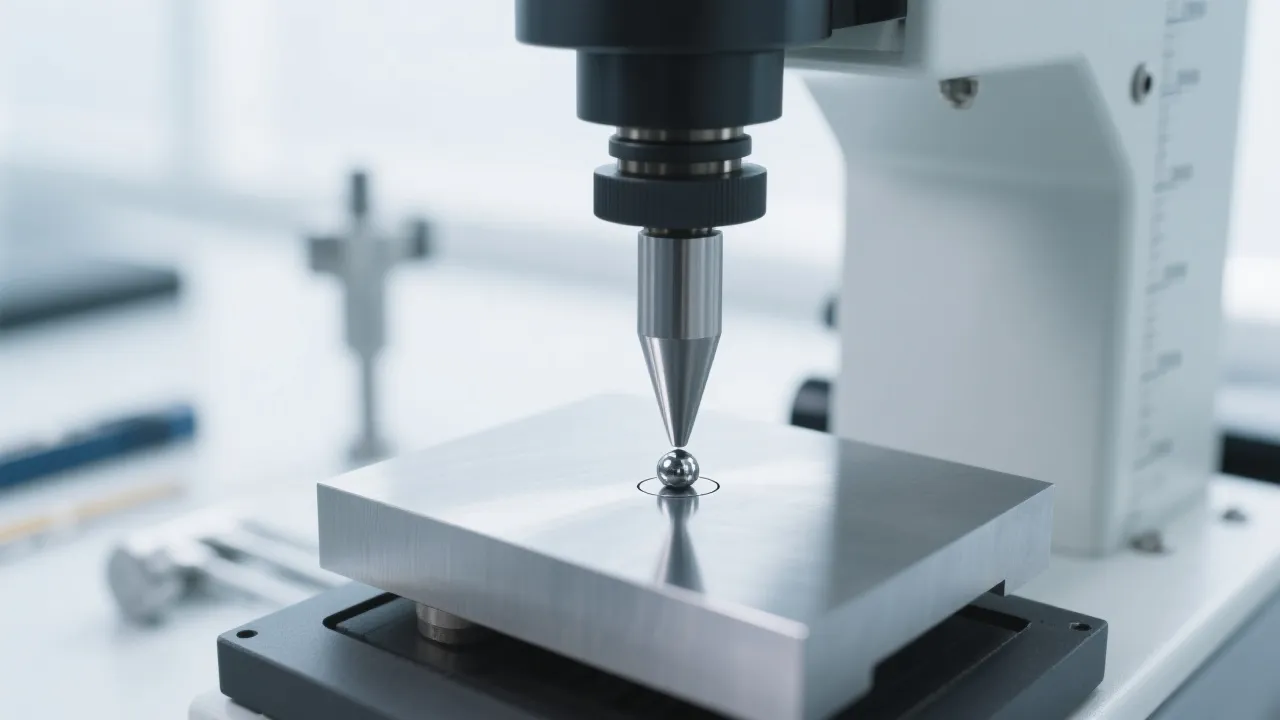
On-site Brinell testing is valued because it can verify metal hardness without cutting samples or moving heavy workpieces. The tradeoff is that field conditions—surface scale, unstable supports, operator habits, and rushed setups—can shift a result by several HB if the workflow is not consistent. This guide lays out a practical, step-by-step operating method used by inspection teams to improve repeatability, plus maintenance, troubleshooting, and service practices that help a portable Brinell hardness tester stay stable over time.
Best for
Large forgings, castings, heat-treated parts, weld zones, and incoming material verification.
Common accuracy killers
Incorrect indenter ball, inconsistent load dwell, poor surface prep, vibration, and missed calibration checks.
Goal
Reduce operator-to-operator spread and keep on-site data auditable for QA and customer reporting.
Before powering up, inspection teams typically follow a “3S” rule: Surface, Support, and Settings. In field testing, these three factors explain most unexpected deviations.
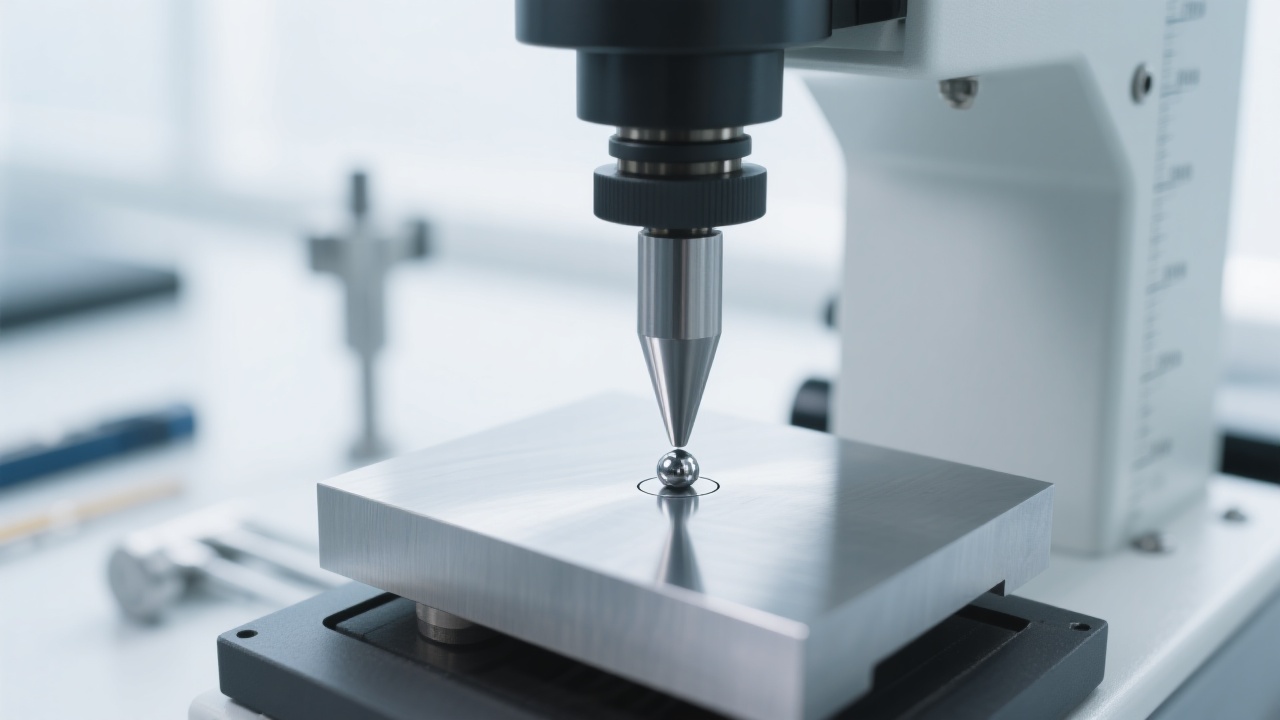
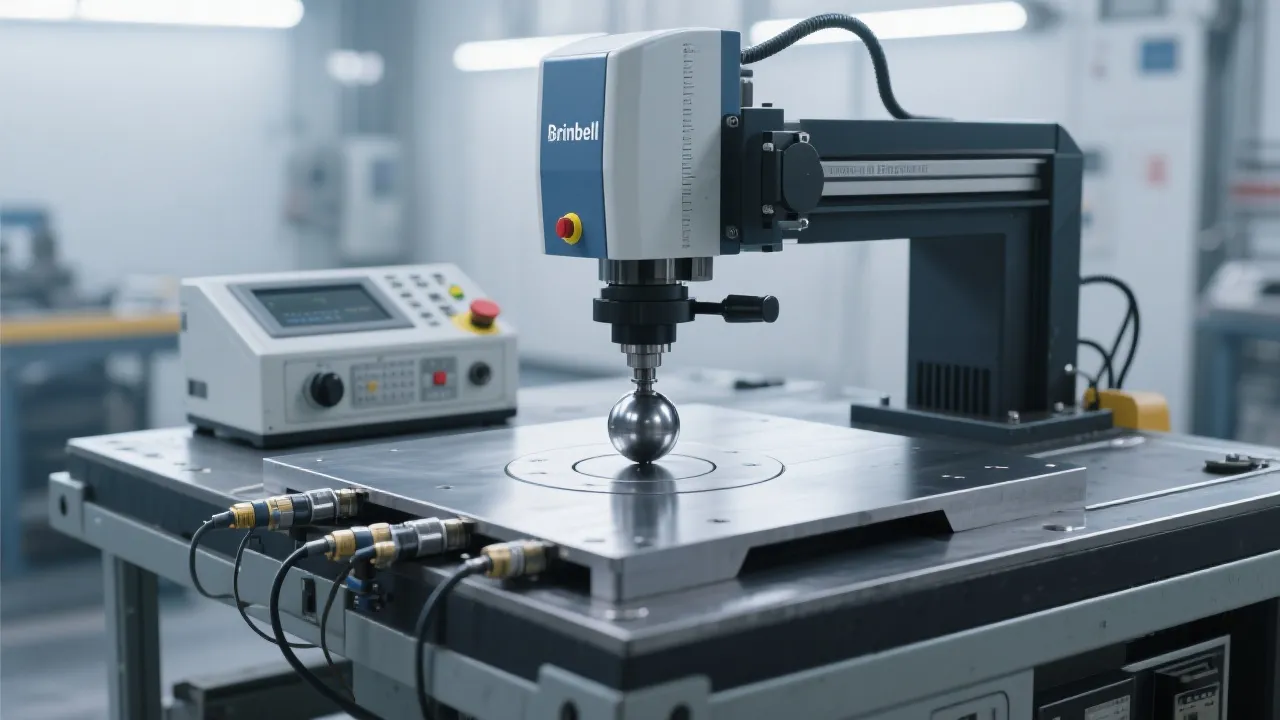
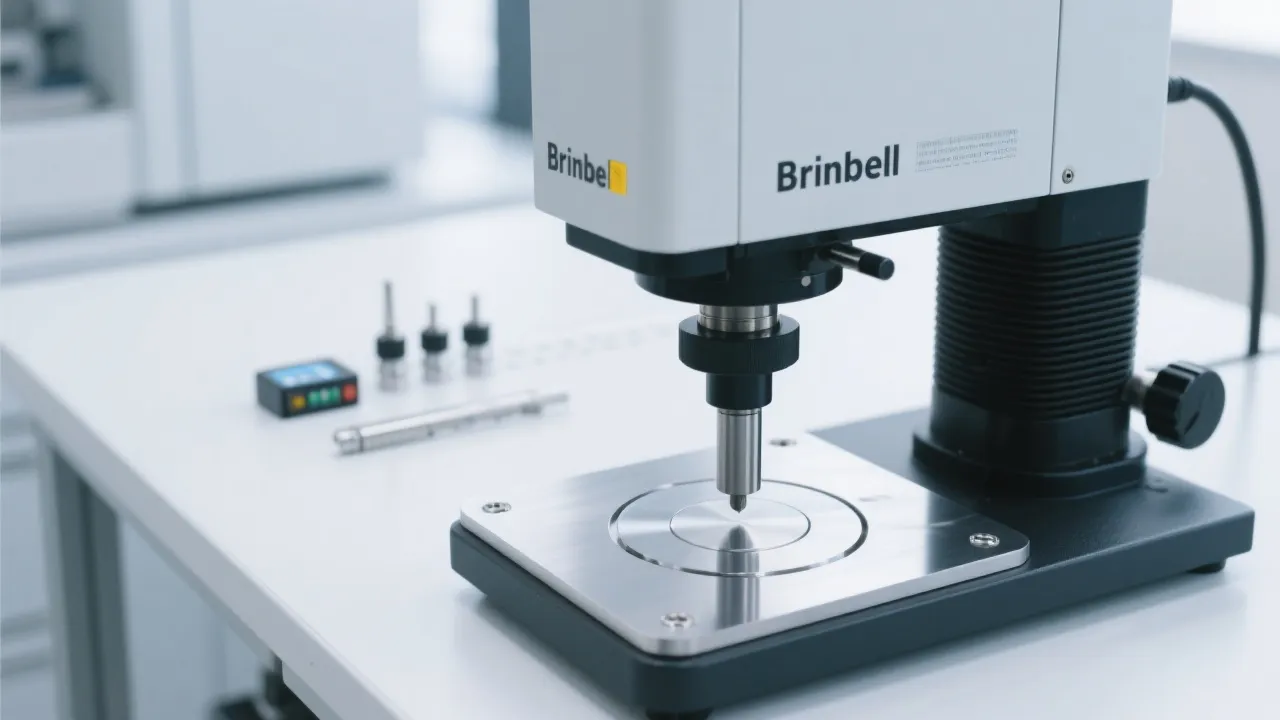
In Brinell testing, the indenter ball defines the geometry of the indentation. A worn, scratched, or mismatched ball can create irregular edges, making diameter measurement less repeatable. Inspection supervisors often treat the ball like a consumable—tracked, inspected, and replaced on schedule.
Choose the ball diameter and load combination based on material hardness and thickness. A practical field target is to produce a clear indentation with a measurable diameter—neither too small to read nor so large that it approaches edges or causes excessive deformation.
Many teams keep a quick reference card for typical steels, cast irons, and non-ferrous alloys. If the indentation looks shallow or irregular, reassess surface prep and ball condition before blaming the material.
A stable Brinell result depends on consistent force application and dwell. As an operational reference, many procedures use a dwell of 10–15 seconds for steels and 15–30 seconds for softer non-ferrous materials, adjusted to the applicable standard and customer requirement. More important than the exact number is consistency: the same material batch should be tested with the same dwell and method settings to reduce scatter.
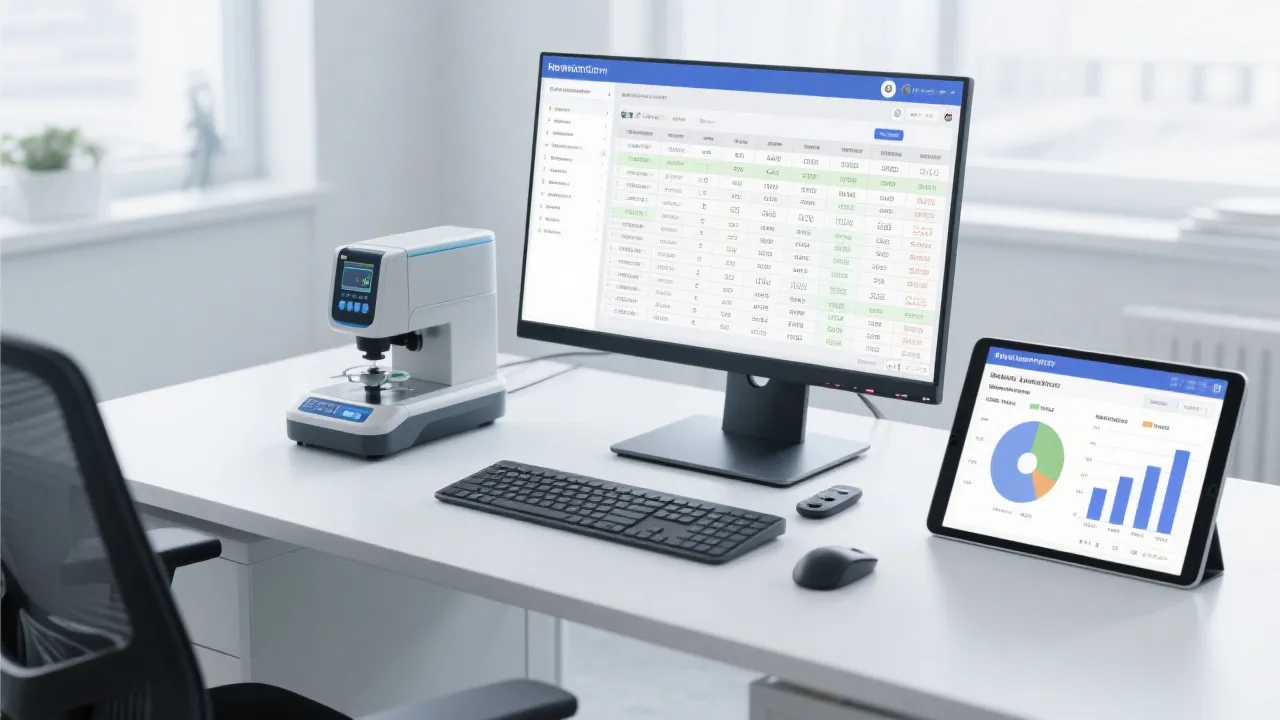
For audits and customer disputes, “We tested it on site” is not enough—buyers typically want a traceable chain: instrument status, verification records, and consistent method settings. A simple routine keeps data defensible without slowing the job.
Reference tolerance tip: Many factories use a practical acceptance band such as ±3% of the reference value (or the tolerance defined by the applicable standard and block certificate). If results fall outside tolerance, do not “average it away”—inspect the ball, surface, loading stability, and timing first.
Some experienced inspectors photograph the test location (wide shot for part ID + close shot for indentation) and log method parameters with each reading. In supplier-customer disagreements, this extra context often resolves questions faster than re-testing—especially when parts have been moved or reworked.
A Brinell result depends on reading the indentation diameter consistently. On-site environments can complicate visibility—glare, dust, and awkward angles. Teams that maintain consistent reading practices typically see noticeably tighter spreads on the same material.
| Part / Heat No. | __________ |
| Location (sketch/photo ref) | __________ |
| Ball / Force / Dwell | __________ |
| Reading 1 / Reading 2 | __________ |
| HB result / Operator | __________ |
This small discipline improves traceability and makes training new operators faster.

Portable testers live a hard life: transport cases, job sites, dust, and temperature swings. Preventive care reduces unplanned downtime and protects your calibration status.
Avoid testing on hot surfaces right after welding or heat treatment unless your procedure allows it. Temperature gradients can influence deformation behavior and operator reading consistency. If the site is dusty or humid, a short cleaning routine after each shift prevents long-term wear.
A useful discipline is to treat any out-of-family reading as a process signal first (setup/technique), and a material signal second—especially when the same part shows clean, consistent results after correcting the setup.
In many factories, the real cost of a hardness tester is not the device—it is the cost of delayed shipments, rework decisions made with uncertain data, and time lost in customer disputes. Brands that invest in service systems often help users achieve faster onboarding and more stable results.
JinCheng focuses on practical, field-oriented usability—clear operating steps, consistent consumable management (indenter balls), and service support that helps teams keep their on-site hardness inspection routine stable. For many buyers, that “system” matters as much as the measurement itself.
Brand keyword: JinCheng.
Many QA plans use 3–5 points per critical area as a practical starting point, then adjust based on part size, heat-treatment uniformity, and customer specification. If hardness gradients are expected (weld HAZ, thick sections), increase point density and label locations clearly.
Improve lighting, re-clean the surface, and check the indenter ball condition. If the indentation edge is broken or smeared, treat it as an invalid impression and correct the support/alignment or loading stability before retesting.
A common field practice is start-of-shift verification and an additional check after indenter replacement or any impact event. If your quality system requires it, add end-of-shift verification for stronger traceability.
Most differences come from inconsistent surface preparation, angle/control during loading, dwell timing, and how the indentation diameter is read. Standardizing the workflow (timer + stable support + verification routine) typically tightens the spread significantly.
Get practical configuration advice (ball selection, verification routine, spare parts list) and service support guidance for on-site metal hardness inspection.
Explore JinCheng Portable Brinell Hardness Tester Support & SolutionsFor buyers and QA teams who need accurate, audit-friendly results on real job sites—without slowing down production.


Hardness-TesterHV-1000-1.jpg?x-oss-process=image/resize,m_fill,h_600,w_600/format,webp)


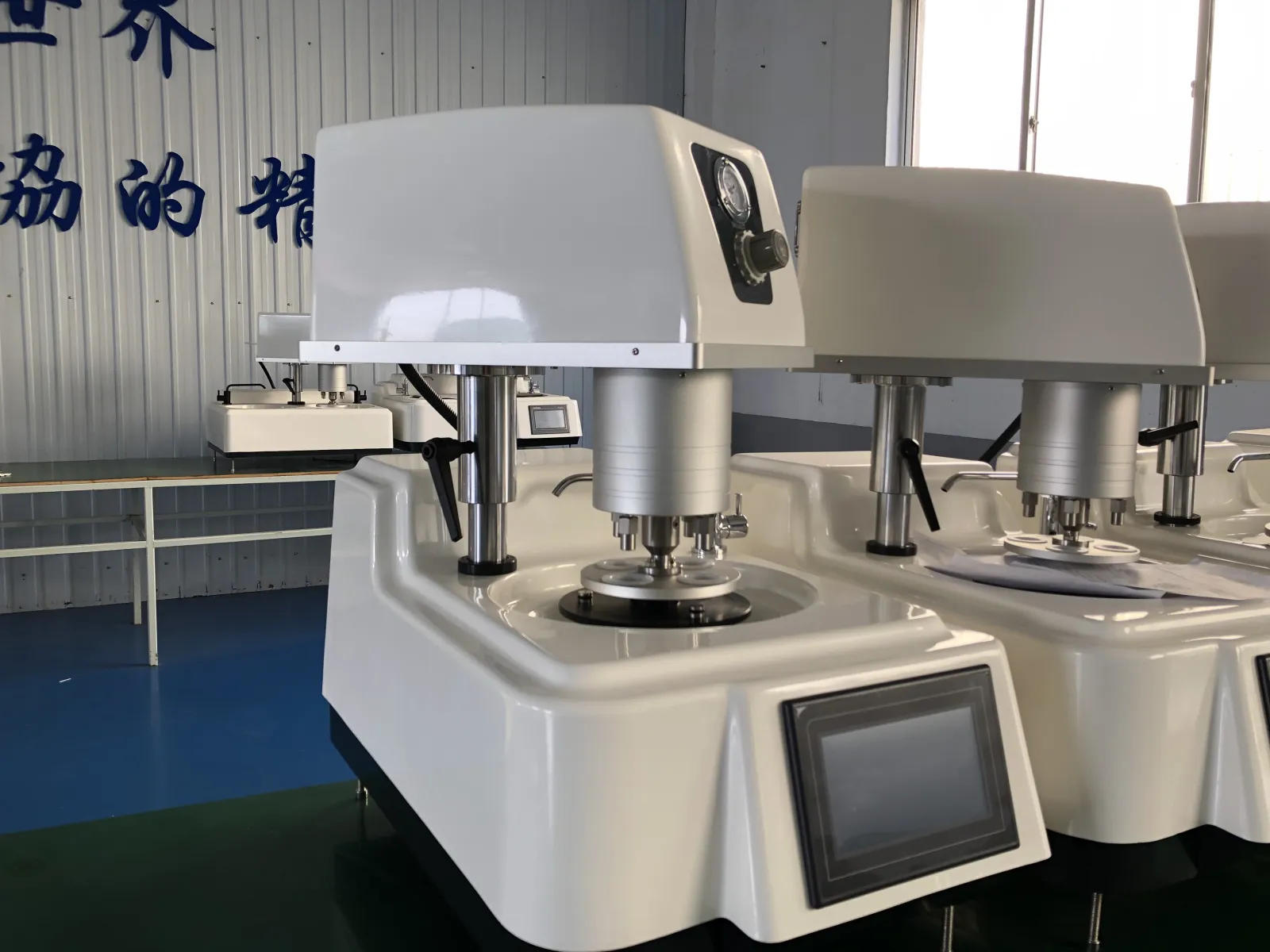


Hardness-TesterHV-5103050A-1.jpg?x-oss-process=image/resize,h_1200,m_lfit/format,webp)