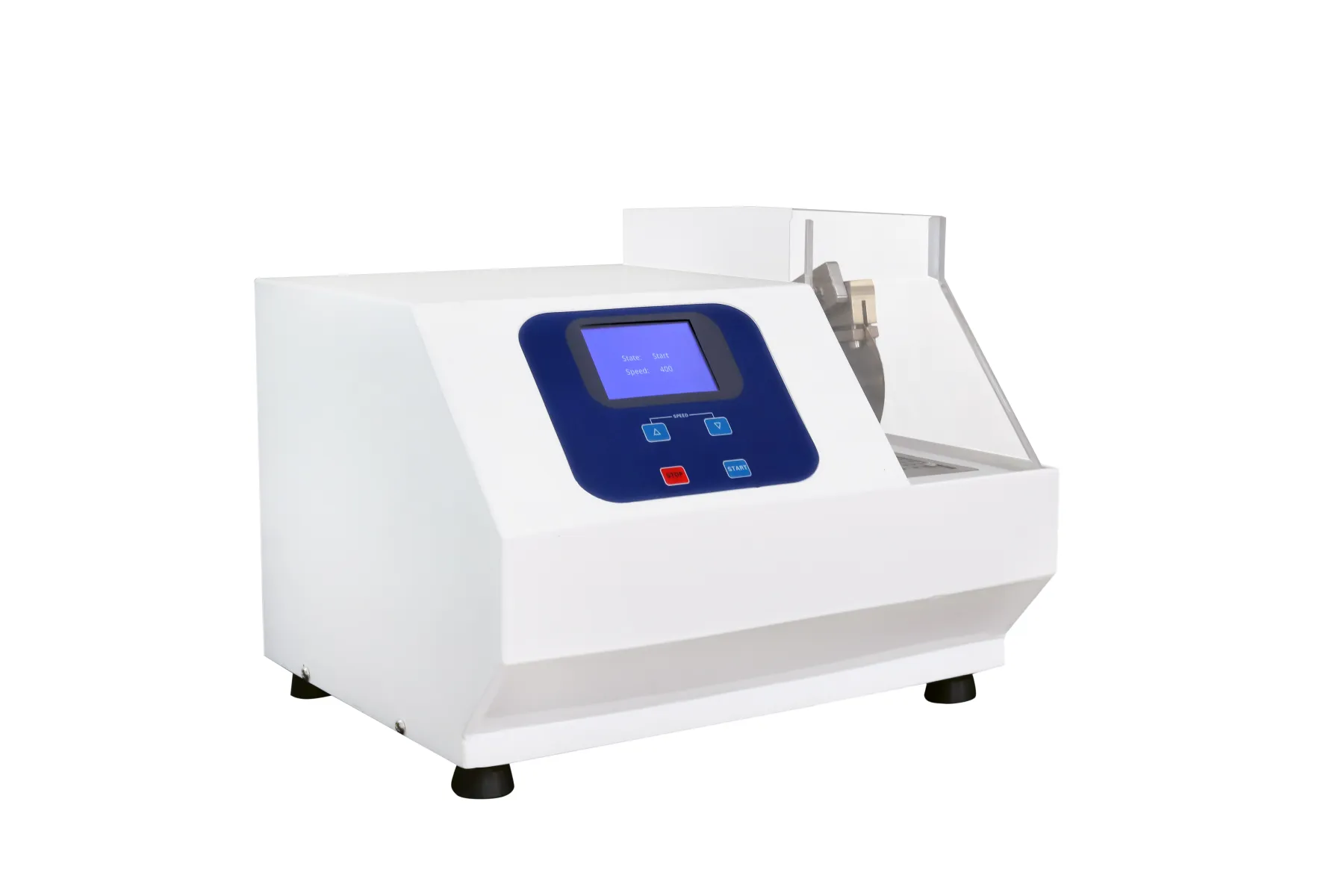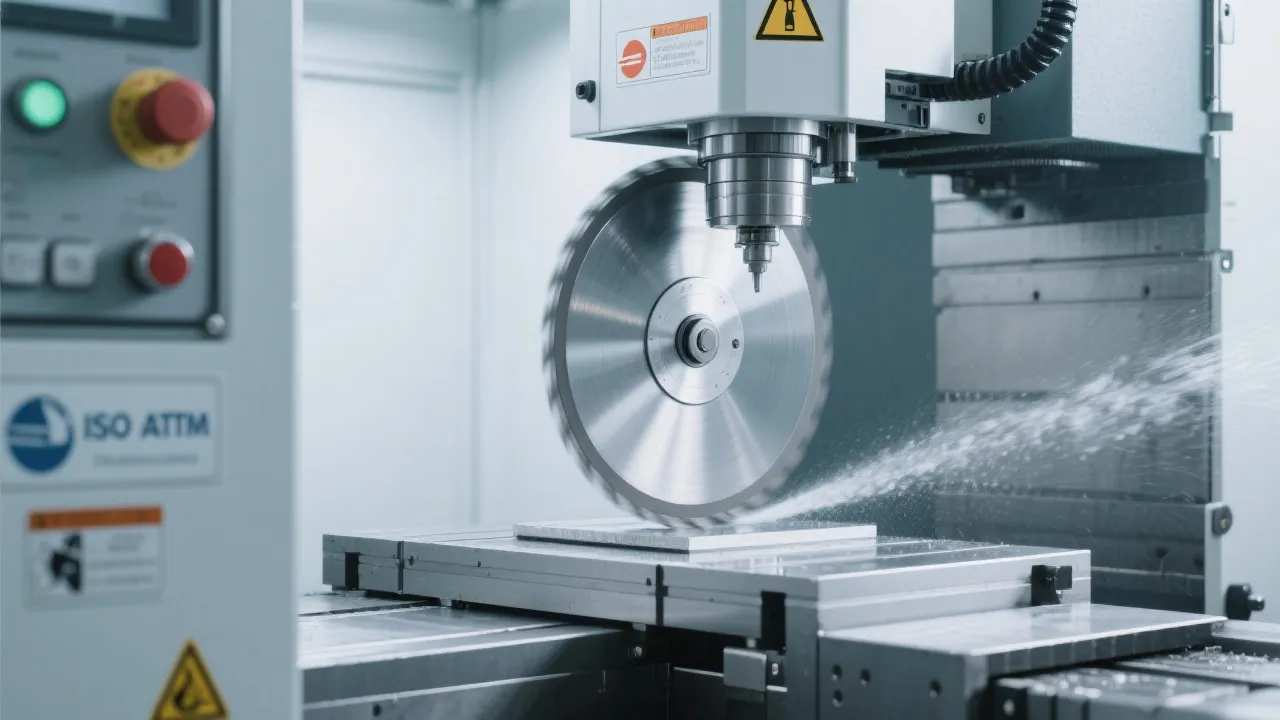
As a laboratory manager or technician, you're no stranger to the headaches caused by frequent equipment malfunctions and data fluctuations. These issues not only disrupt your workflow but also compromise the accuracy of your research. Did you know that proper operating habits can significantly extend the lifespan of your grinding and polishing machines? In this article, we'll delve into the maintenance practices of the MP - 2S Double - Disk Manual Grinding and Polishing Machine, which are of great concern to our foreign trade customers.
Think about the last time your grinding and polishing machine broke down. It probably led to project delays and increased costs. Standardized operations are the key to reducing these headaches. By following proper procedures, you can ensure long - term, stable operation of the equipment, which is crucial for maintaining the accuracy of your experimental data and the efficiency of your research.
The MP - 2S features a high - quality FRP body. FRP offers several advantages, such as corrosion resistance, light weight, and high strength. However, regular maintenance is still required to keep it in top condition.
Daily Cleaning and Anti - corrosion Measures
Clean the FRP body daily with a soft, damp cloth to remove dust and debris. Avoid using abrasive cleaners that can scratch the surface. For anti - corrosion, apply a protective wax coating every three months. Here's a little tip: if you notice any small scratches on the body, repair them immediately to prevent corrosion from setting in.
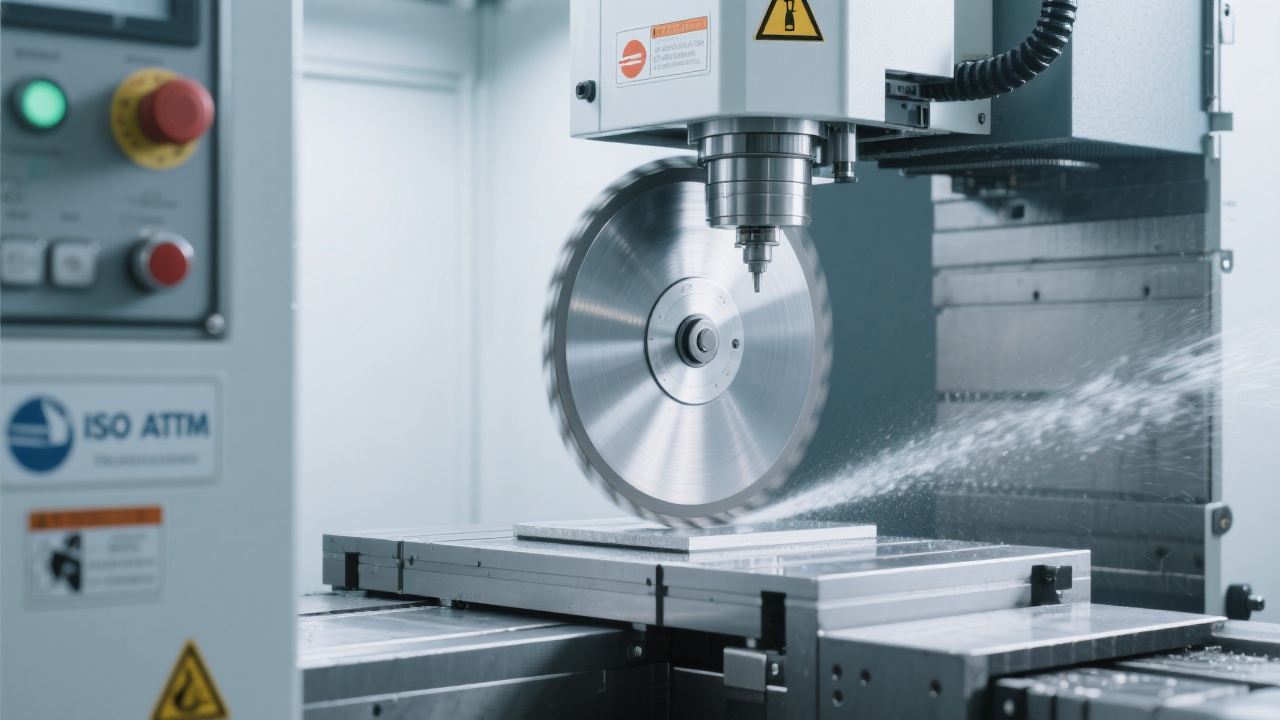
The variable - speed control system is another critical component of the MP - 2S. Proper maintenance can prevent many common problems.
Key Maintenance Points
Regularly lubricate the gears to ensure smooth operation. It is recommended to lubricate the gears every 50 hours of operation. Also, make sure the motor has proper ventilation to avoid overheating. Check the cooling fans monthly to ensure they are working properly.
Common Mistakes to Avoid
One common mistake is over - tightening the belts in the variable - speed control system. This can cause excessive wear on the belts and other components. Another mistake is ignoring abnormal noises from the motor. These could be early signs of a serious problem.
Standardized Inspection Checklist
Create a standardized inspection checklist for the MP - 2S. This should include daily, weekly, and monthly checks. For example, daily checks could include inspecting the power cord and the body for visible damage. Weekly checks could involve measuring the speed accuracy of the variable - speed control system. Monthly checks could include a comprehensive inspection of all components.
Periodic Calibration
Calibrate the MP - 2S every six months to ensure accurate operation. The calibration process may vary depending on the industry. For example, in the metallurgy industry, more precise calibration may be required due to the high - precision nature of the experiments.
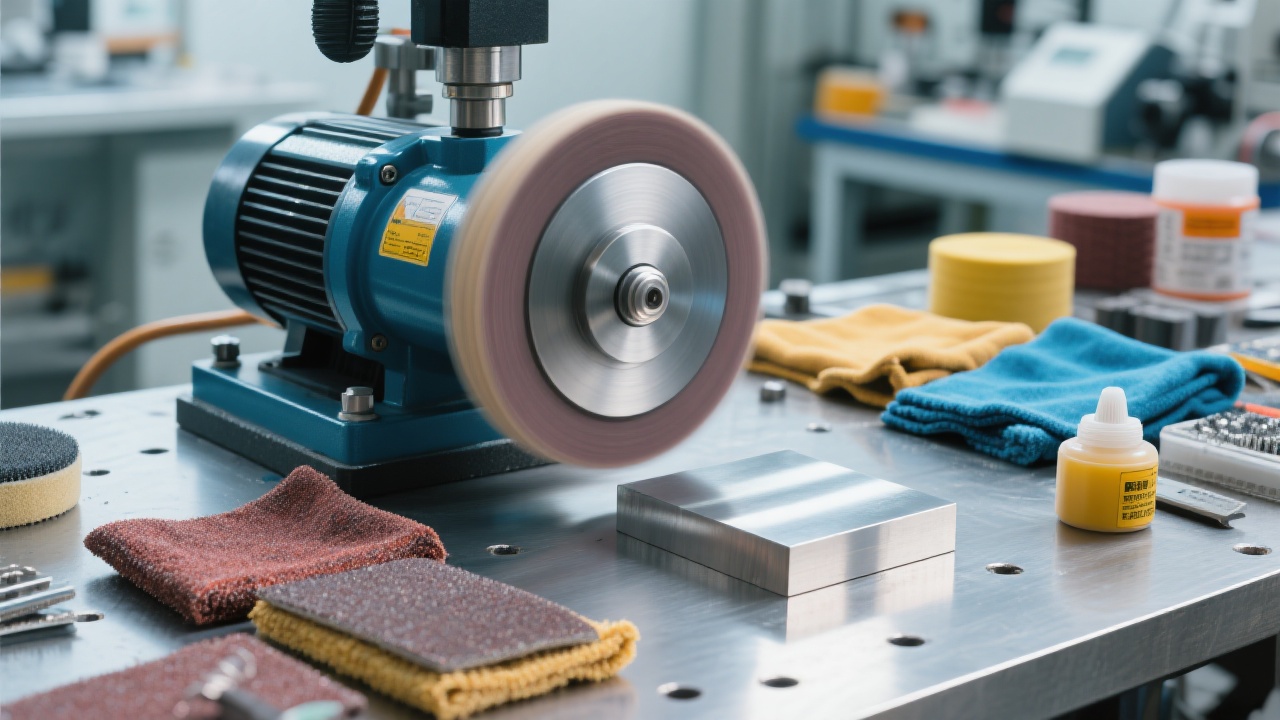
Metallurgy
In metallurgy, the MP - 2S is often used for high - precision sample preparation. Due to the high - intensity use, more frequent maintenance is required. Increase the frequency of gear lubrication and motor inspections.
New Material R & D
In new material R & D, the usage intensity may be lower, but the requirements for data accuracy are still high. Follow the standard maintenance procedures, but also pay attention to the special requirements of new materials, such as chemical corrosion resistance.
Standardized operations are not just a technical requirement; they are the core of ensuring the quality of your scientific research. By following the maintenance practices outlined in this article, you can reduce the failure rate of your MP - 2S, improve its stability, and ensure long - term, efficient operation.
Are you ready to take your equipment maintenance to the next level? Our original factory parts support quick replacement, making maintenance even more hassle - free. Click here to learn more about our maintenance services and original parts.


-1.jpg?x-oss-process=image/resize,h_1200,m_lfit/format,webp)



Hardness-Tester7MHVS-1000A-1.jpg?x-oss-process=image/resize,h_1200,m_lfit/format,webp)



Hardness-TesterHV-1000-1.jpg?x-oss-process=image/resize,h_1200,m_lfit/format,webp)