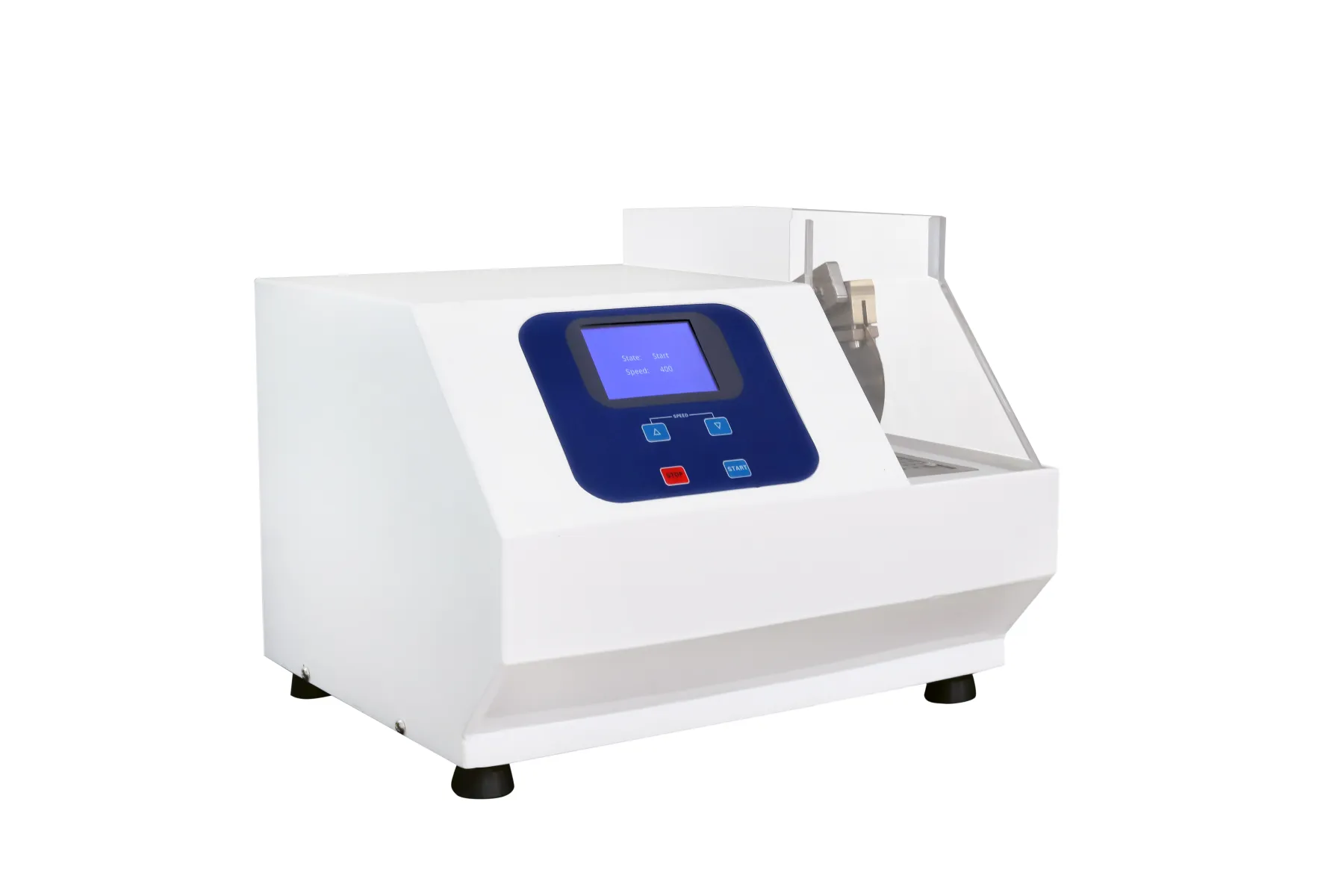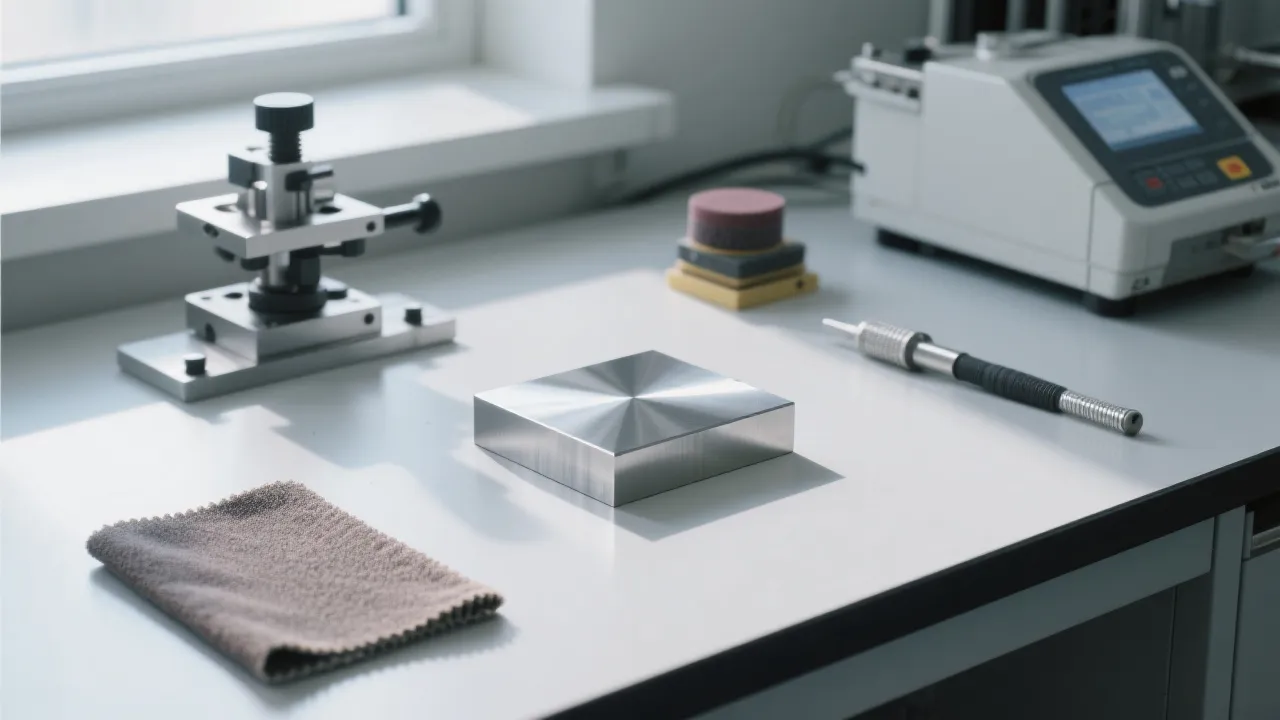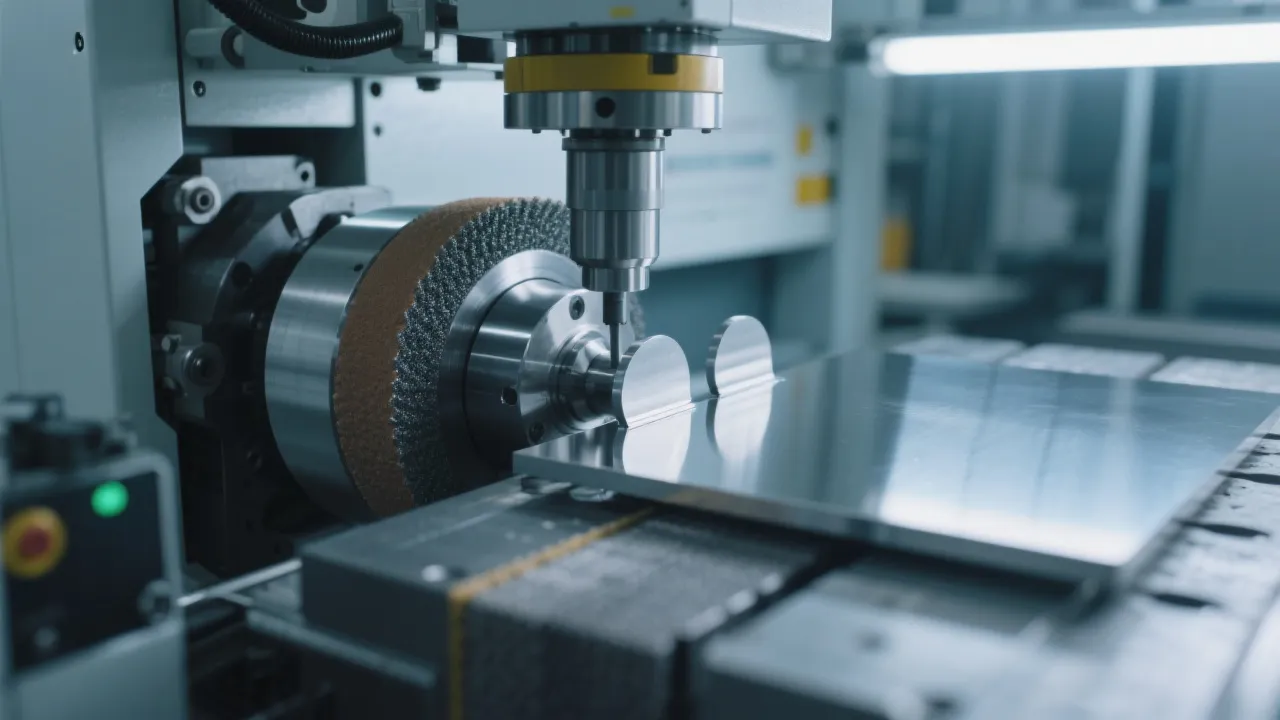
In the field of laboratory equipment, the Q-2 Manual Metallographic Specimen Cutting Machine launched by Laizhou Jincheng Industrial Equipment Co., Ltd. stands out as a crucial tool for ensuring high - quality cutting results. This article focuses on the daily maintenance and troubleshooting of this machine, aiming to provide practical guidance for laboratory technicians and equipment administrators.
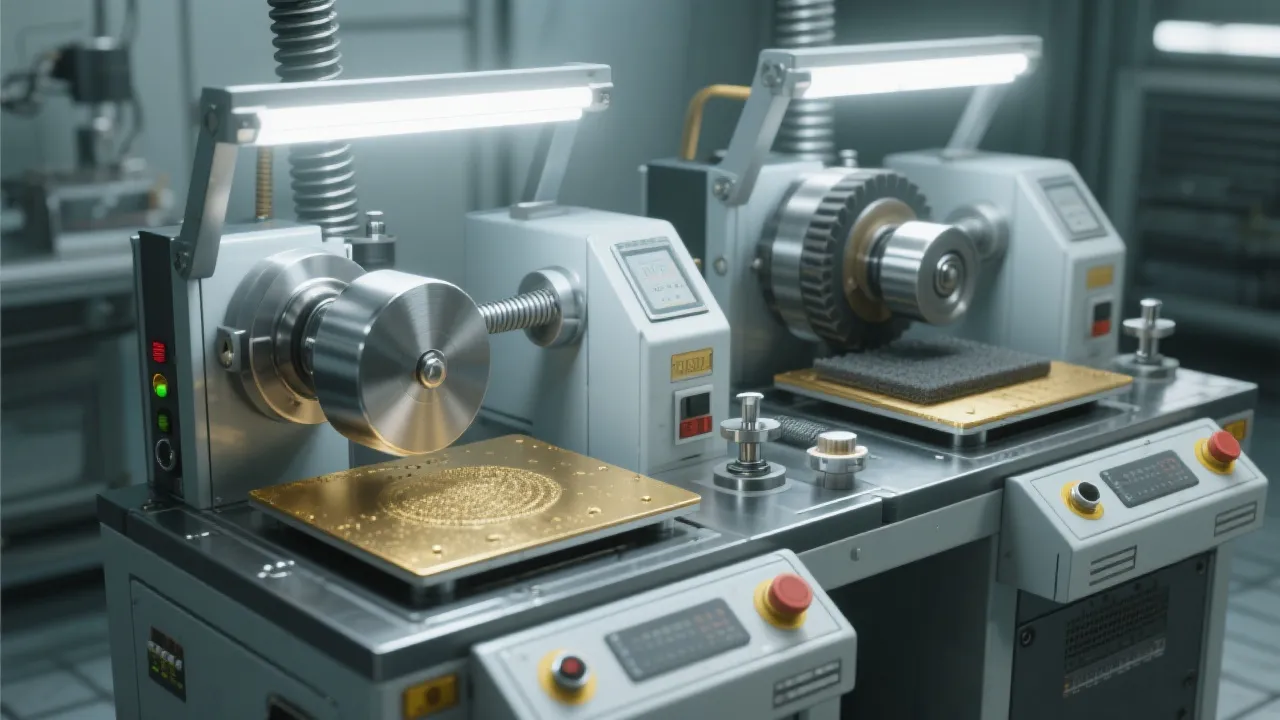
Proper daily maintenance is the key to extending the service life of the Q - 2 cutting machine. First, let's look at the lubrication points. The lubrication points of the Q - 2 cutting machine are marked clearly as shown in 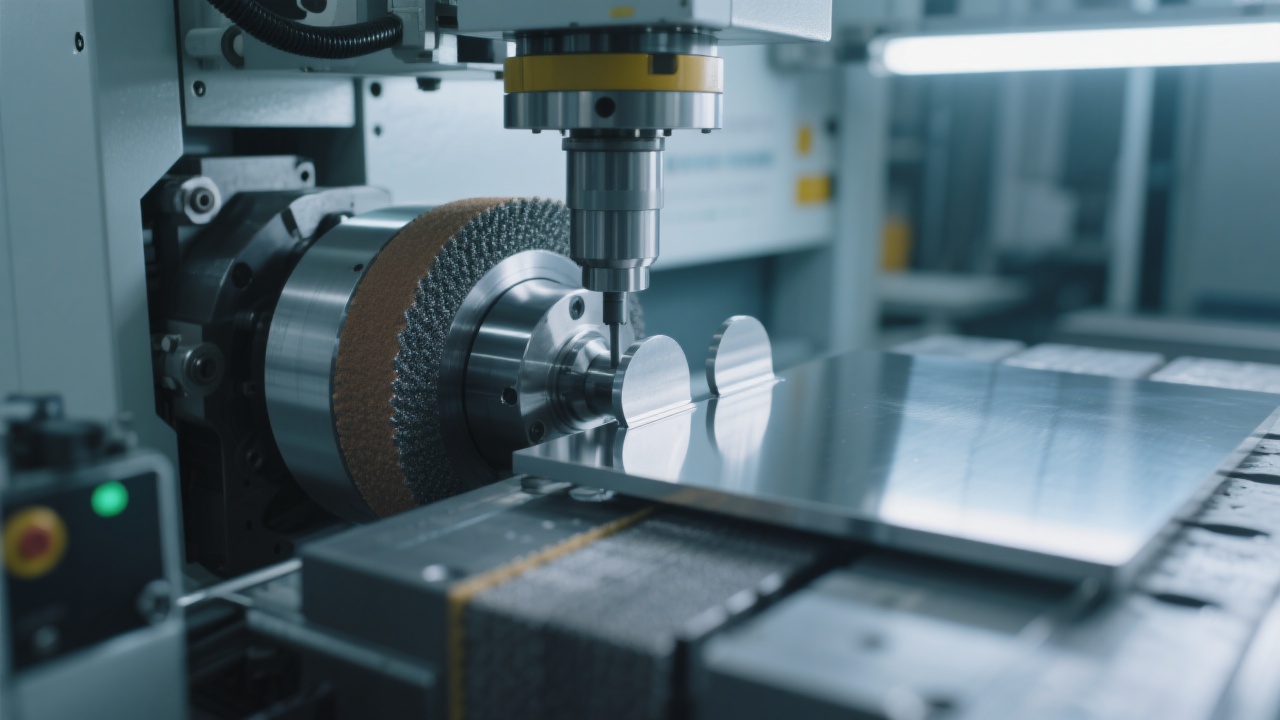 . A regular lubrication schedule is essential. For example, the lubrication points of the transmission parts should be lubricated every 50 working hours. This can ensure smooth operation of the machine and reduce wear.
The replacement cycle of seals is another important aspect. Seals usually need to be replaced every 300 - 400 working hours. Over time, seals may wear out, leading to fluid leakage, which can affect the normal operation of the machine. The cleaning frequency of transmission parts is also critical. The transmission parts should be cleaned every 100 working hours to remove dust and debris, preventing them from entering the internal structure of the machine and causing damage.
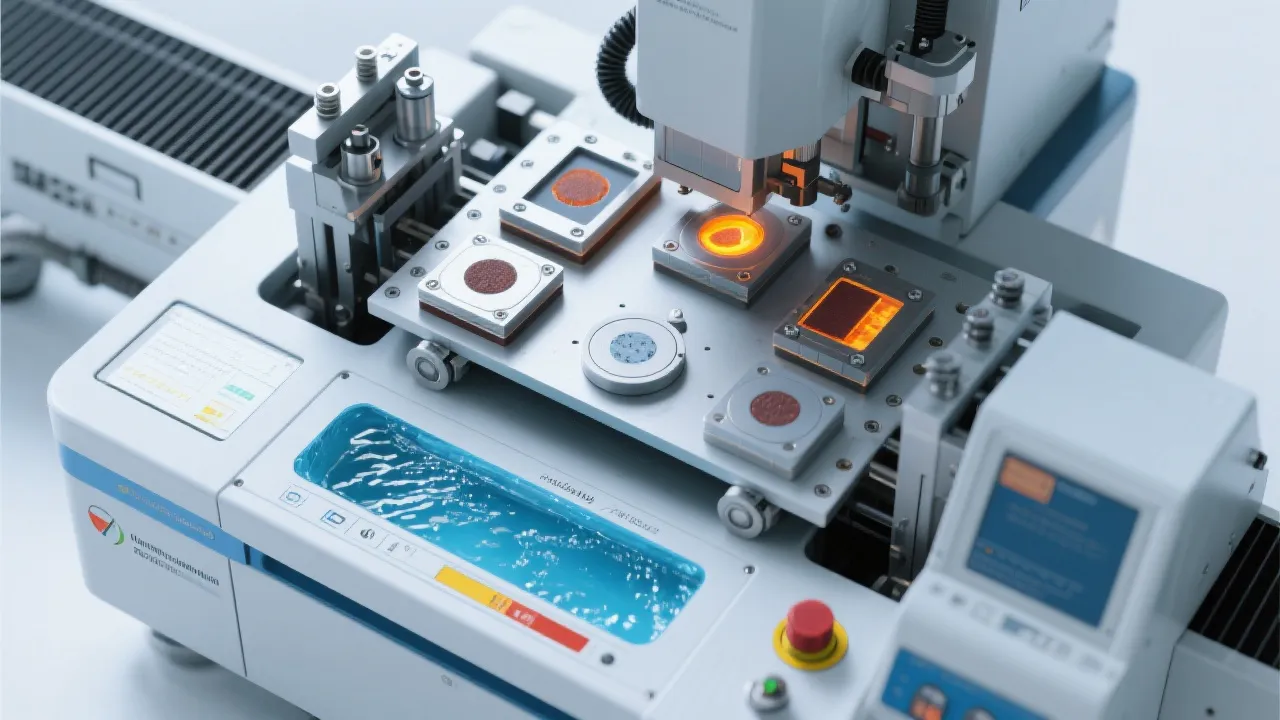
Besides daily maintenance, some operation skills are also necessary. Cutting angle calibration is an important operation. Incorrect cutting angles can lead to inaccurate cutting results. Technicians should calibrate the cutting angle at least once a week. This can be done by using a professional angle measuring tool. 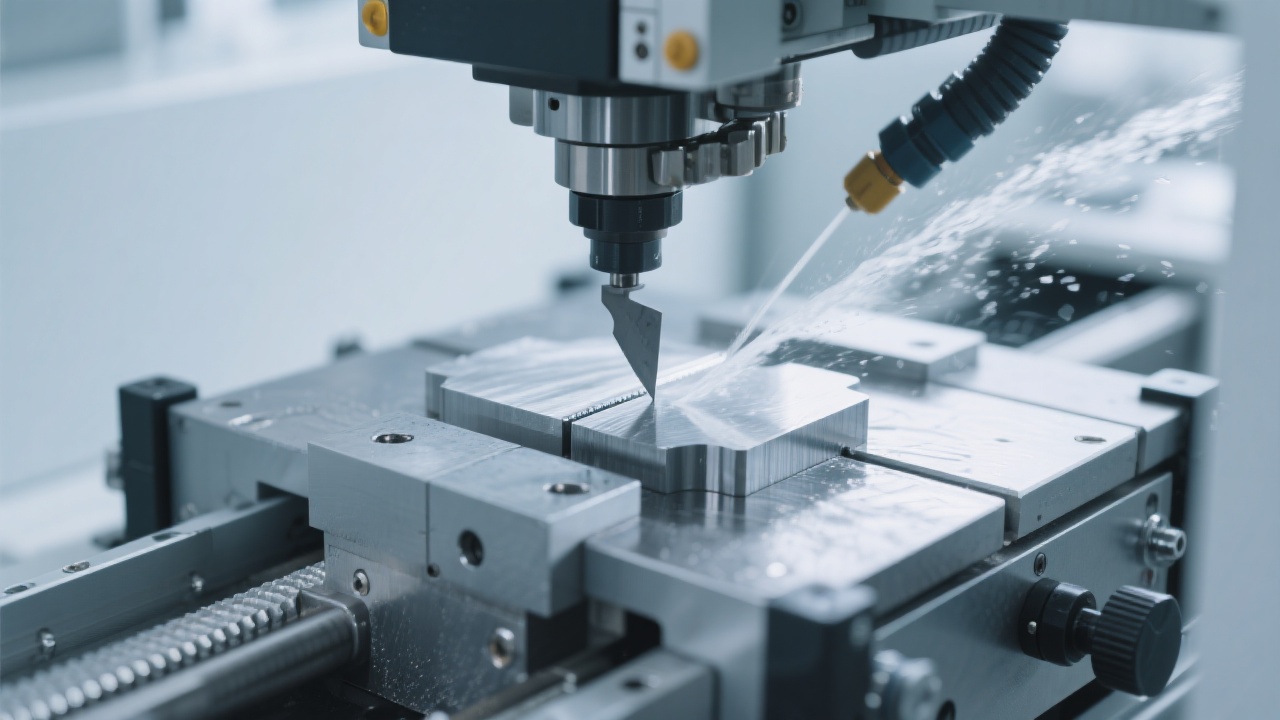 shows the detailed process of cutting angle calibration.
Waterway inspection is also crucial. The waterway of the cutting machine is used to supply coolant. If the waterway is blocked, it can cause overheating of the machine and affect the cutting quality. Technicians should check the waterway every 50 working hours to ensure smooth water flow. They can use a special waterway cleaning agent to clean the waterway if necessary.
Let's now turn to the common faults of the Q - 2 cutting machine and their solutions. One of the common problems is the wheel deflection. Wheel deflection can cause uneven cutting and damage to the specimen. The root cause of wheel deflection may be loose fixing screws or uneven wear of the wheel. To solve this problem, technicians should first check the fixing screws and tighten them if they are loose. If the wheel is worn unevenly, it needs to be replaced.
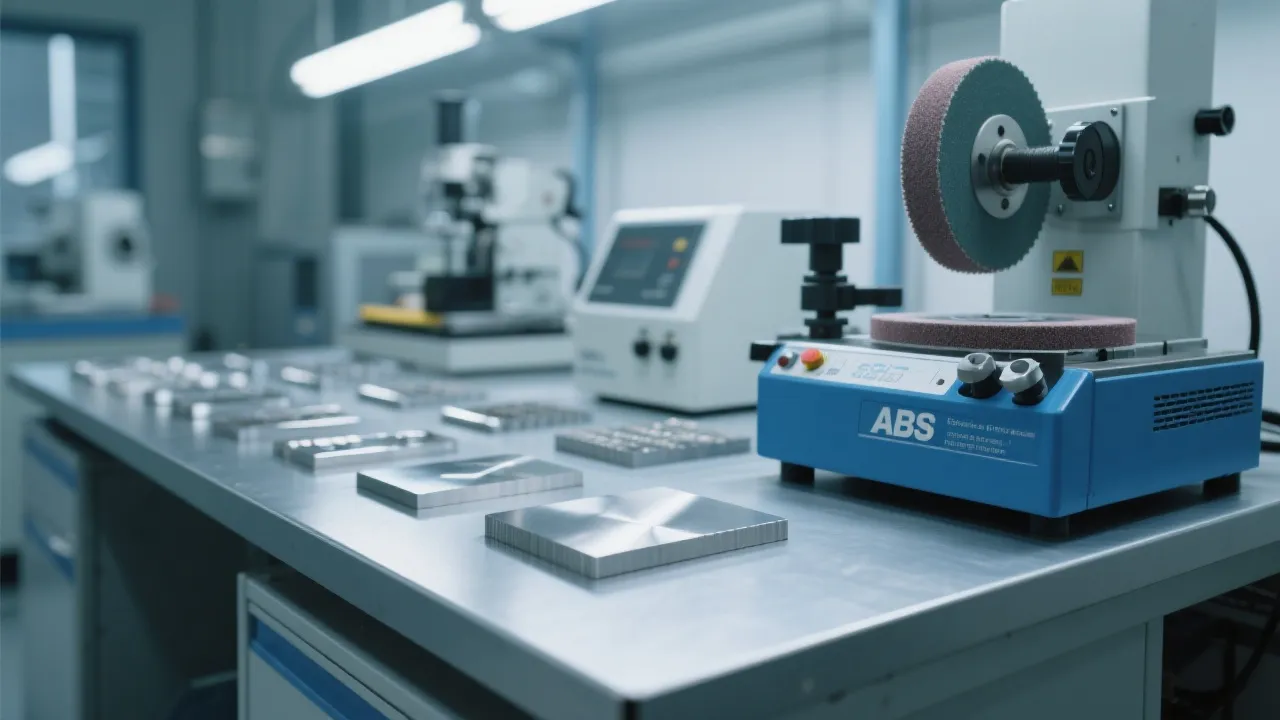
Coolant blockage is another common issue. Coolant blockage can lead to overheating of the cutting tool and poor cutting quality. The root cause may be the accumulation of debris in the coolant pipeline. Technicians should first turn off the machine and then check the coolant pipeline. They can use a thin wire to clear the blockage or replace the pipeline if necessary. 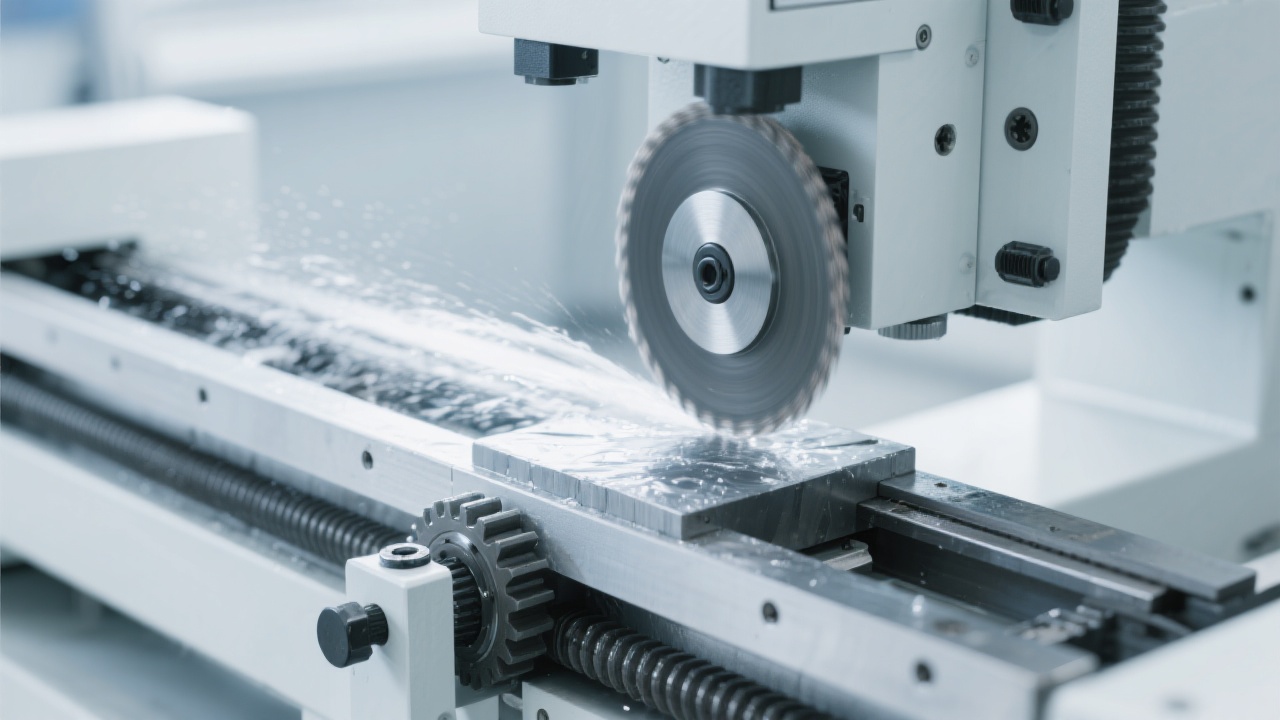 provides a visual guide for this process.
Motor abnormal noise is also a problem that cannot be ignored. Motor abnormal noise may indicate problems such as bearing wear or electrical faults. Technicians should first check the motor bearings. If the bearings are worn, they need to be replaced. If the problem persists, they should check the electrical circuit of the motor.
To ensure the stable operation of the Q - 2 cutting machine, standardized operation and training are necessary. Laizhou Jincheng provides a standardized maintenance process and operation skills training. They also offer illustrated guides and video tutorials. You can find the related operation videos here. These materials can help technicians better understand the maintenance and operation of the machine.
Laizhou Jincheng Q - 2 cutting machine provides original parts and fast after - sales service, ensuring long - term stable operation of the equipment. If you have any questions during the maintenance and operation of the machine, you can use the interactive Q&A module on our website. This module allows you to communicate with our professional technicians and get timely solutions.
Learn More about Q-2 Manual Metallographic Specimen Cutting Machine


Hardness-Tester7MHVS-1000A-1.jpg?x-oss-process=image/resize,m_fill,h_600,w_600/format,webp)
Hardness-TesterHV-1000-1.jpg?x-oss-process=image/resize,h_1200,m_lfit/format,webp)
.jpg?x-oss-process=image/resize,h_1200,m_lfit/format,webp)