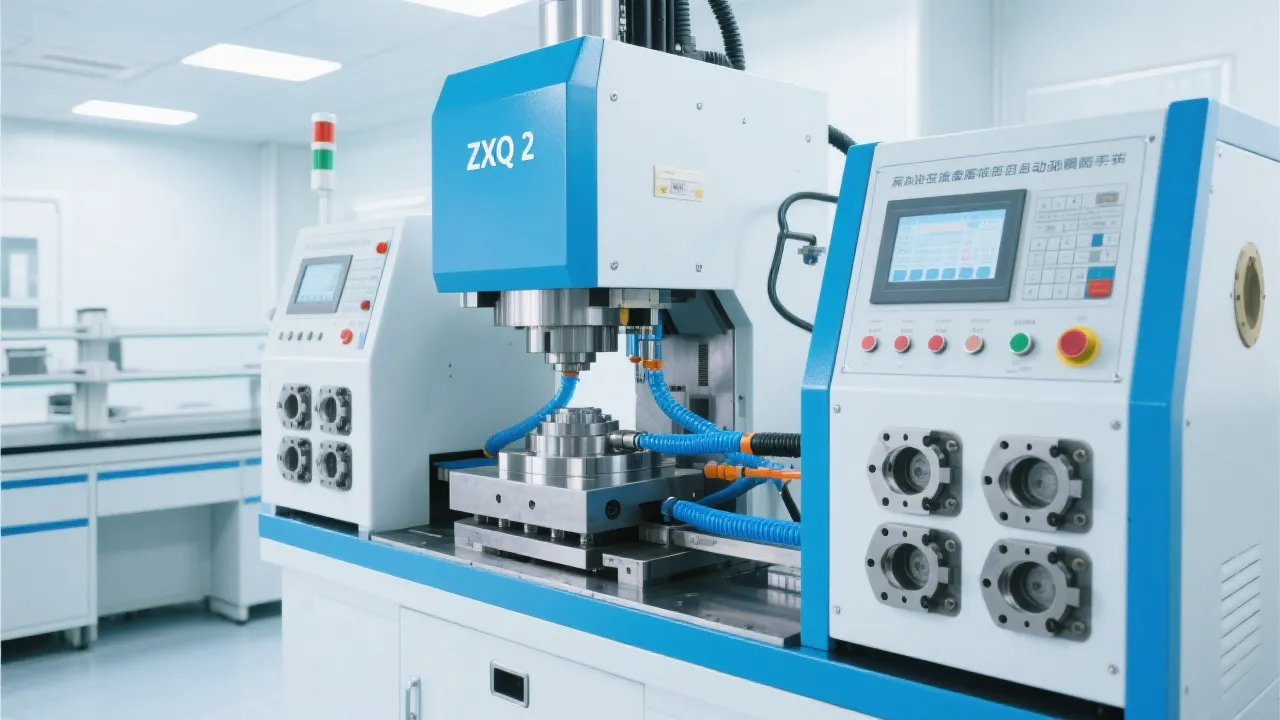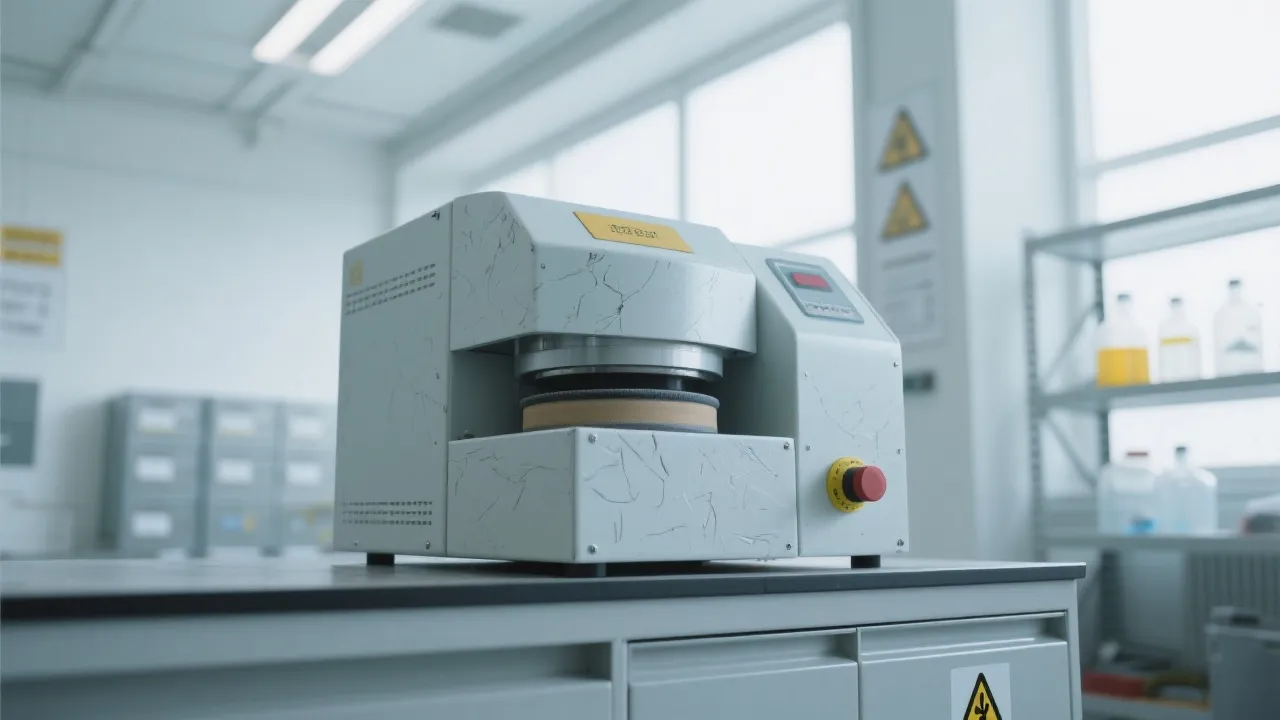
In the field of scientific research and quality control, achieving consistent and stable sample preparation is crucial for the credibility and reliability of experimental results. The process of grinding different materials presents significant challenges, especially in terms of speed control. This article delves into how the Laizhou Jincheng MP - 2S Double - Disk Manual Grinding and Polishing Machine addresses these challenges with its advanced variable speed control technology.
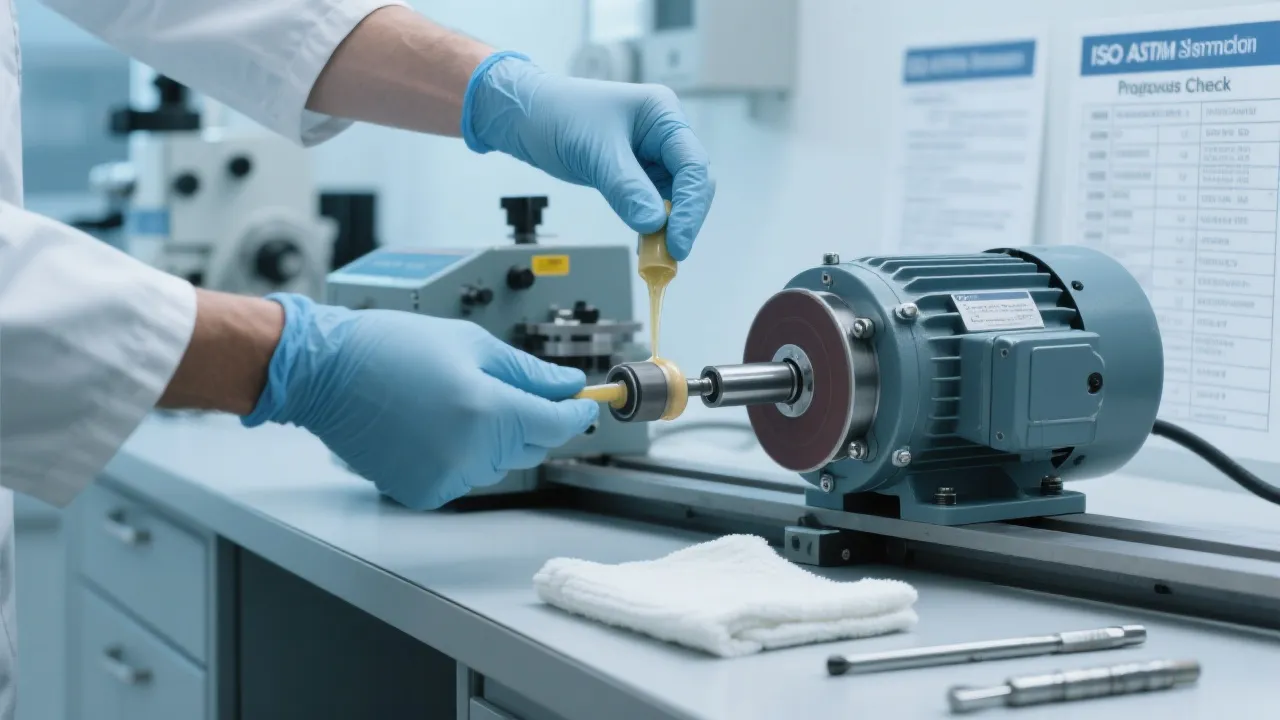
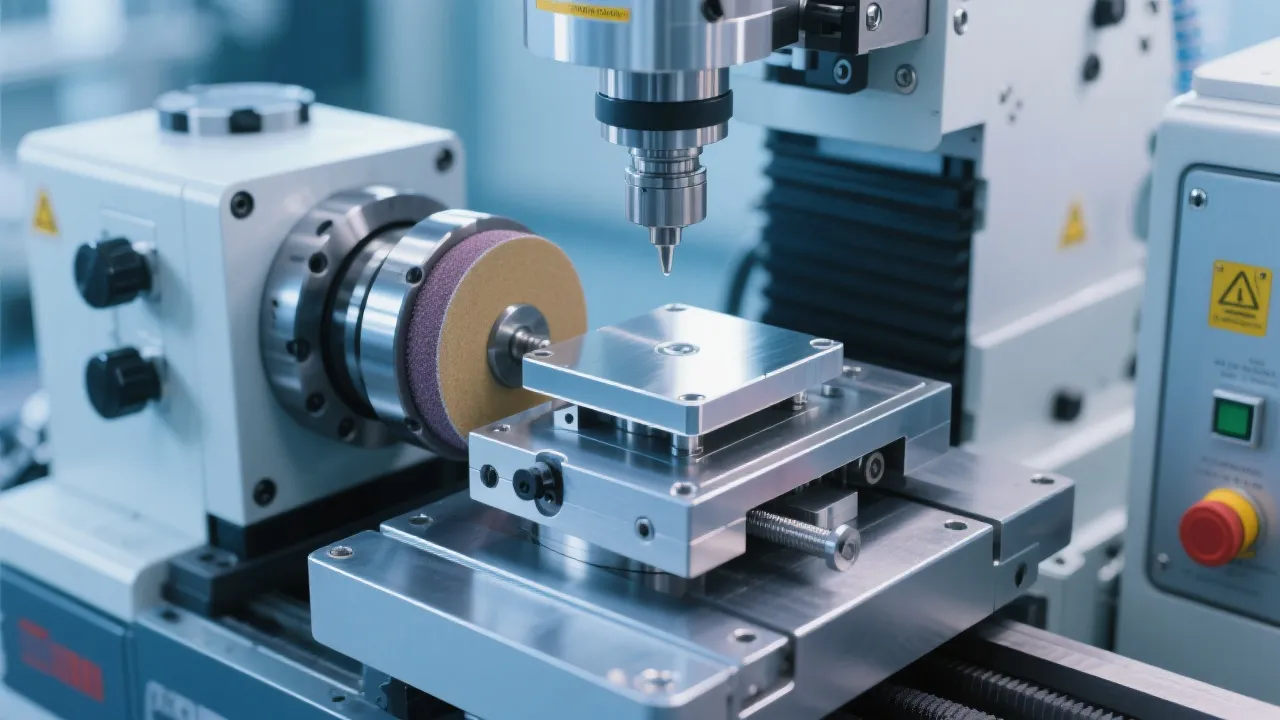
The first step in ensuring the quality of sample preparation is to use standardized fixture fixing and proper pressure application. The MP - 2S machine comes with a well - designed fixture system that allows for secure and stable fixing of samples. For example, in a laboratory setting where different metal alloys are being prepared for metallographic analysis, using the correct fixture can prevent sample movement during grinding, which could lead to inconsistent results.
The core method of fixture fixing involves aligning the sample precisely within the fixture and applying appropriate pressure. In practical operation, users should ensure that the pressure is evenly distributed across the sample surface. A common mistake is over - tightening the fixture, which can cause deformation of the sample. To avoid this, it is recommended to follow the manufacturer's guidelines and use a pressure gauge if available. According to a research study, samples fixed with standardized fixtures and proper pressure application showed a 30% improvement in the consistency of metallographic structure analysis.
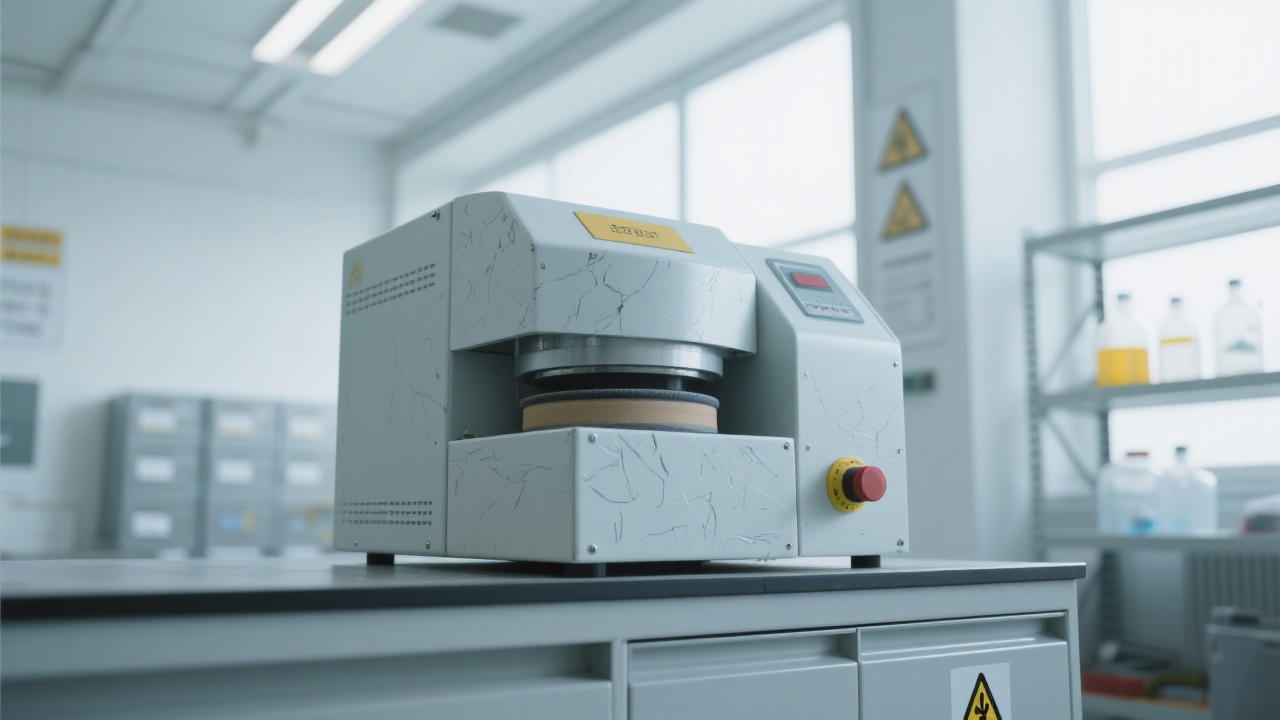
The variable speed control system of the MP - 2S machine is its key feature in adapting to different materials. Different materials, such as metals, ceramics, and composites, have different optimal grinding speeds. The MP - 2S can adjust the grinding speed precisely according to the material properties.
For instance, when grinding a hard ceramic material, a lower speed is required to prevent cracking and ensure a smooth surface finish. On the other hand, a softer metal like aluminum may require a higher speed for efficient material removal. In a case study of a quality control department in a manufacturing plant, the application of the MP - 2S variable speed control system led to a 40% reduction in the rejection rate of metallographic samples due to inconsistent grinding.
The principle behind the variable speed control system is based on a combination of mechanical and electrical control. The system can sense the load on the grinding disc and adjust the speed accordingly. This not only ensures the quality of the sample but also extends the service life of the machine.
Regular equipment calibration is essential for maintaining the accuracy and reliability of the MP - 2S machine. Over time, factors such as wear and tear, environmental changes, and electrical fluctuations can affect the performance of the machine. Calibration helps to ensure that the grinding speed and pressure are consistent with the set values.
A scientific calibration plan should be established based on the frequency of use and the nature of the samples. For example, in a high - volume production environment, the machine may need to be calibrated every two weeks. The calibration process involves using specialized tools, such as speed sensors and pressure gauges, to measure the actual values and compare them with the set values. If there is a deviation, adjustments can be made to the machine settings.
According to industry standards, regular calibration can improve the accuracy of grinding speed by up to 20%, which significantly enhances the consistency of sample preparation. A common mistake is neglecting calibration, which can lead to inaccurate results and increased costs in the long run.
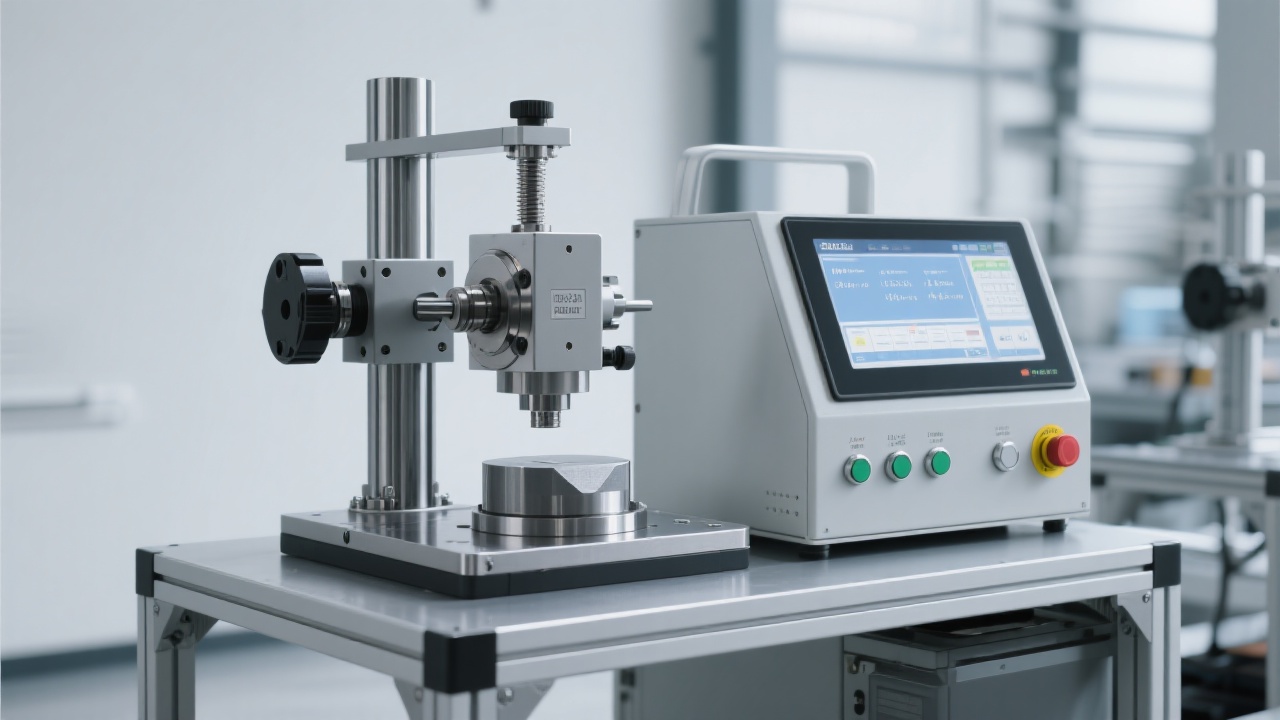
During the operation of the MP - 2S machine, there are several common mistakes. These include improper fixture fixing, incorrect speed setting, and irregular calibration. To address these issues, users should receive proper training, follow the operation manual carefully, and establish a regular maintenance and calibration schedule.
For example, if a user is experiencing inconsistent results in sample preparation, they should first check the fixture fixing and the speed setting. If the problem persists, it may be necessary to calibrate the machine. By avoiding these common mistakes, users can achieve better results and improve the efficiency of their work.
The Laizhou Jincheng MP - 2S Double - Disk Manual Grinding and Polishing Machine, with its advanced variable speed control system and calibration mechanism, provides a reliable solution for the challenges of grinding different materials. It helps users transition from experience - driven to data - driven quality management, improving the consistency and stability of sample preparation.
Are you ready to take your sample preparation to the next level? Discover the power of the MP - 2S machine and transform your research and quality control processes. Click here to learn more.
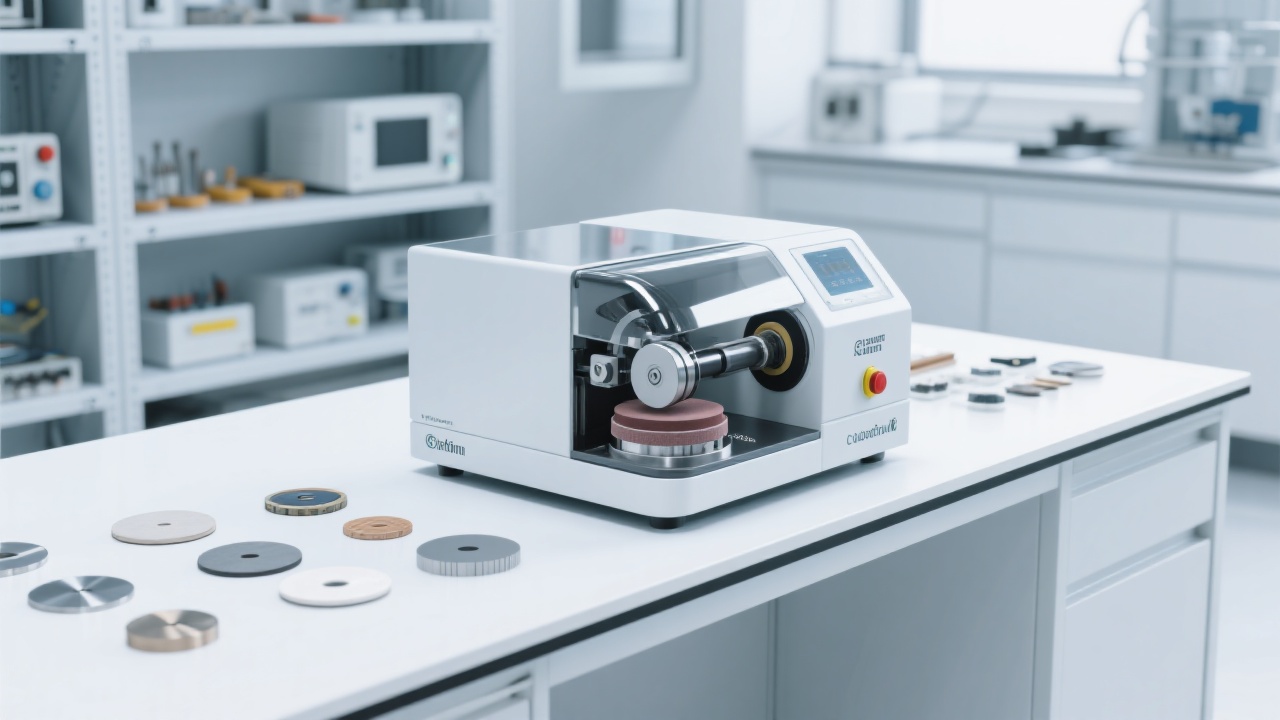
We encourage you to share your experiences and ask questions in the comments section below. Let's learn from each other and make the most of this amazing machine!


Hardness-Tester7MHVS-1000A-1.jpg?x-oss-process=image/resize,h_1200,m_lfit/format,webp)
Hardness-Tester7MHXZD-1000A-1.jpg?x-oss-process=image/resize,h_1200,m_lfit/format,webp)
-1.jpg?x-oss-process=image/resize,h_1200,m_lfit/format,webp)