Standardized Procedures for Consistent Metallographic Sample Preparation: Reducing Human Error and Enhancing Reliability
28 12,2025
Tutorial Guide
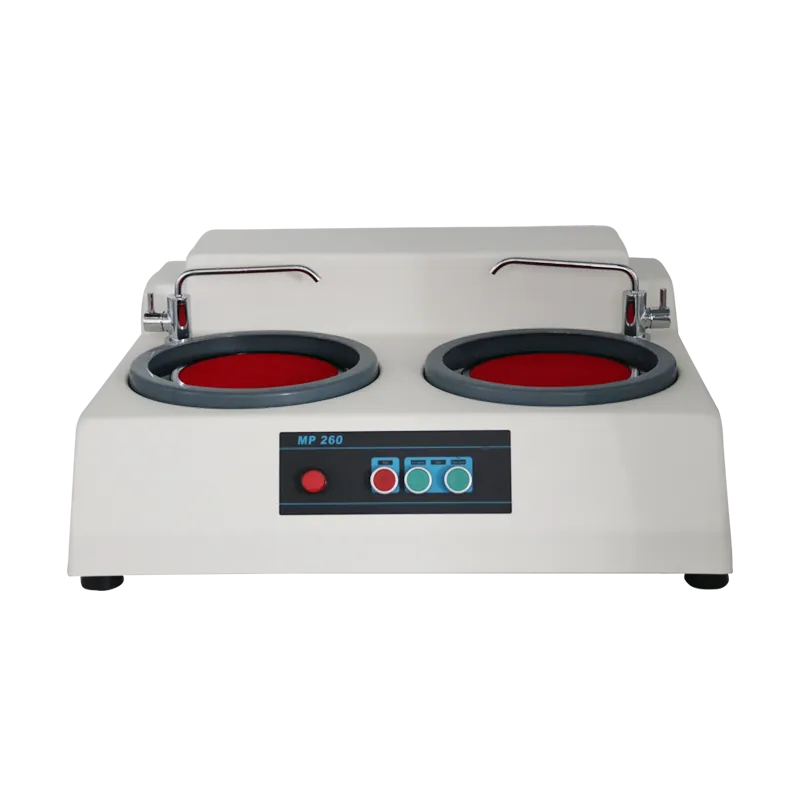
This guide addresses key factors affecting consistency in metallographic sample preparation—human error, equipment performance variability, and environmental influences. By aligning with ASTM E3 and ISO 14175 standards, it presents actionable protocols for standardizing rotational speed settings, spindle calibration, polishing pad cleaning, routine maintenance, and controlled lab environments. Real-world case studies, technical diagrams, and step-by-step video demonstrations enhance operator proficiency and data reproducibility. Recommended equipment includes the MP-2S manual double-disc grinding and polishing machine from Laizhou Jincheng Industrial Equipment Co., Ltd.—designed for precision, durability, and ease of use in research and quality control workflows.
Enhancing Consistency in Metallographic Sample Preparation: A Practical Guide to Minimize Human Error and Boost Reliability
In metallography labs worldwide, inconsistent sample preparation remains one of the top causes of unreliable microstructural analysis—leading to costly rework, delayed R&D timelines, and questionable quality control outcomes. According to a 2023 survey by the ASM International, over 68% of lab managers report variability in polishing results as their primary challenge when validating new materials or processes.
The Three Pillars of Consistent Sample Preparation
Achieving repeatable results isn't about luck—it’s about controlling three critical variables:
- Human Variability: Differences in pressure, speed, and technique between operators can introduce up to 30% variation in surface finish (per ASTM E3 standards).
- Equipment Stability: Unbalanced grinding heads or worn-out polishing cloths cause uneven wear—even with identical settings.
- Environmental Factors: Temperature fluctuations above ±3°C and humidity levels outside 40–60% RH significantly affect resin embedding and final polish quality.
Standardized Procedures Are Your Secret Weapon
Adopting a standardized workflow reduces inter-operator variance by up to 75%, according to ISO 14175 guidelines. Key steps include:
- Set consistent rotational speeds: 300–400 RPM for coarse grinding, 200–300 RPM for fine polishing.
- Perform daily calibration of the main spindle using a laser alignment tool—ensures less than 0.05 mm runout.
- Clean the polishing pad after every 5 samples using distilled water and mild detergent—prevents embedded debris that scratches samples.
For teams managing multiple projects simultaneously, implementing a digital maintenance log (like the free downloadable template) helps track equipment performance trends and schedule preventive checks before failures occur.
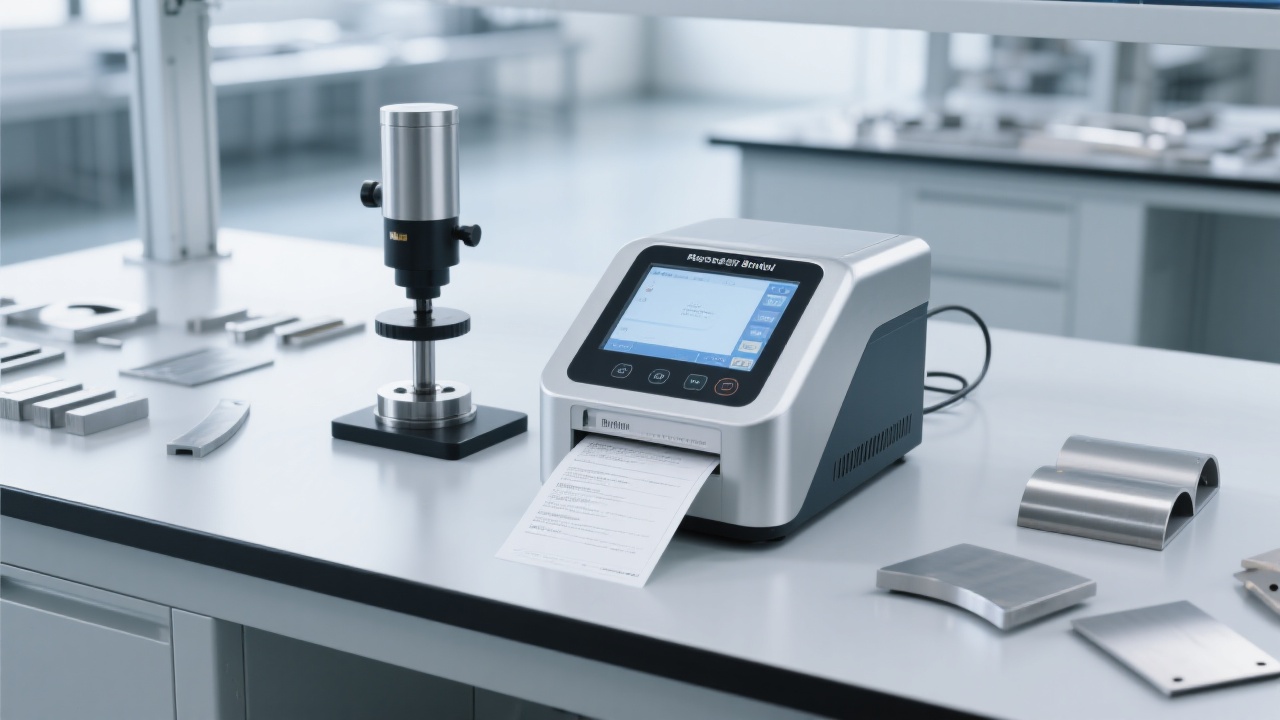
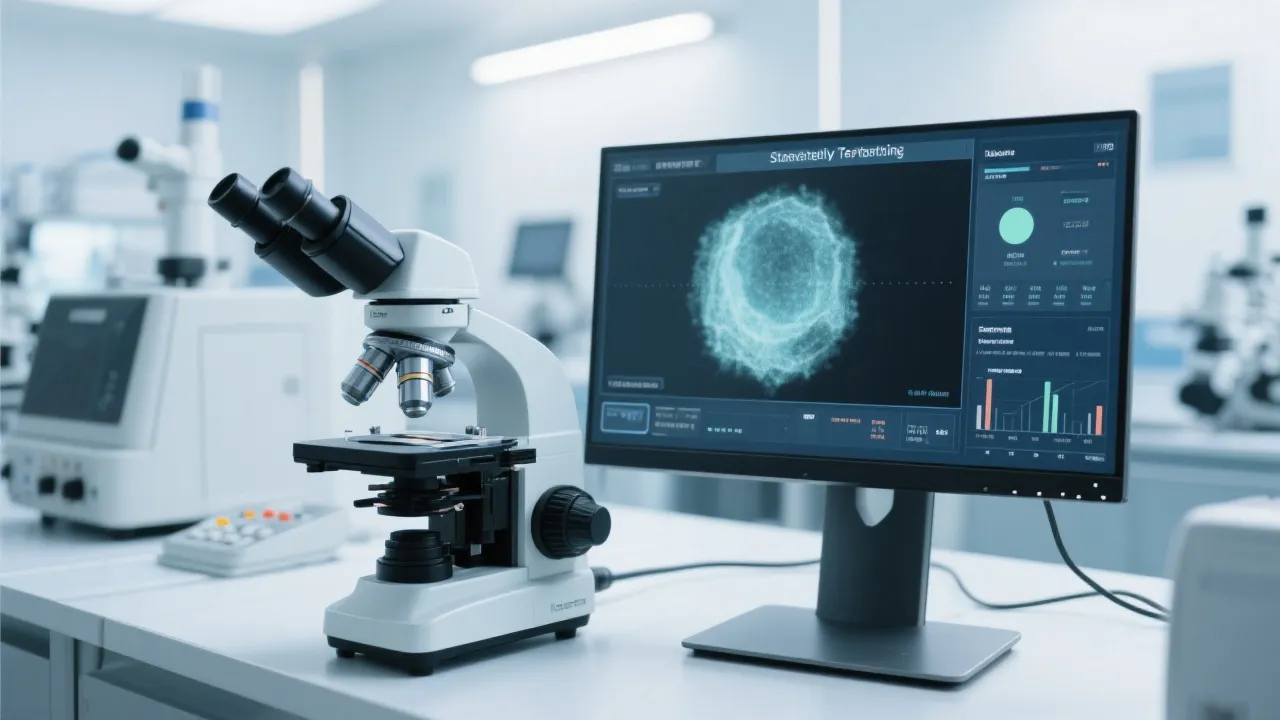
Figure 1: Visual impact of standardized preparation on surface uniformity — critical for accurate grain size measurement.
Why Equipment Matters More Than You Think
Even the best-trained technicians struggle if tools degrade. A study published in Materials Characterization found that machines without regular lubrication saw a 40% increase in vibration-induced defects within just 3 months of use.
Maintenance best practices:
- Weekly inspection of drive belts and bearings
- Daily cleaning of the polishing cloth with ethanol-based solution
- Monthly verification of motor RPM stability via tachometer
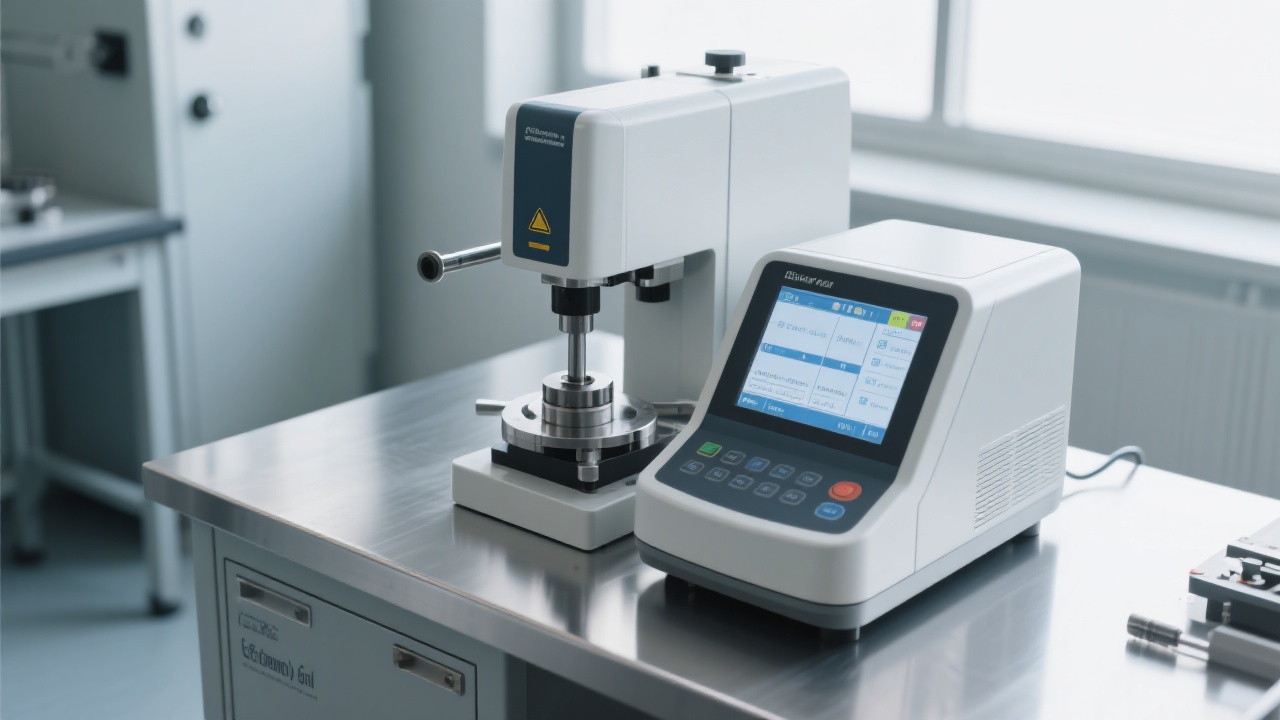
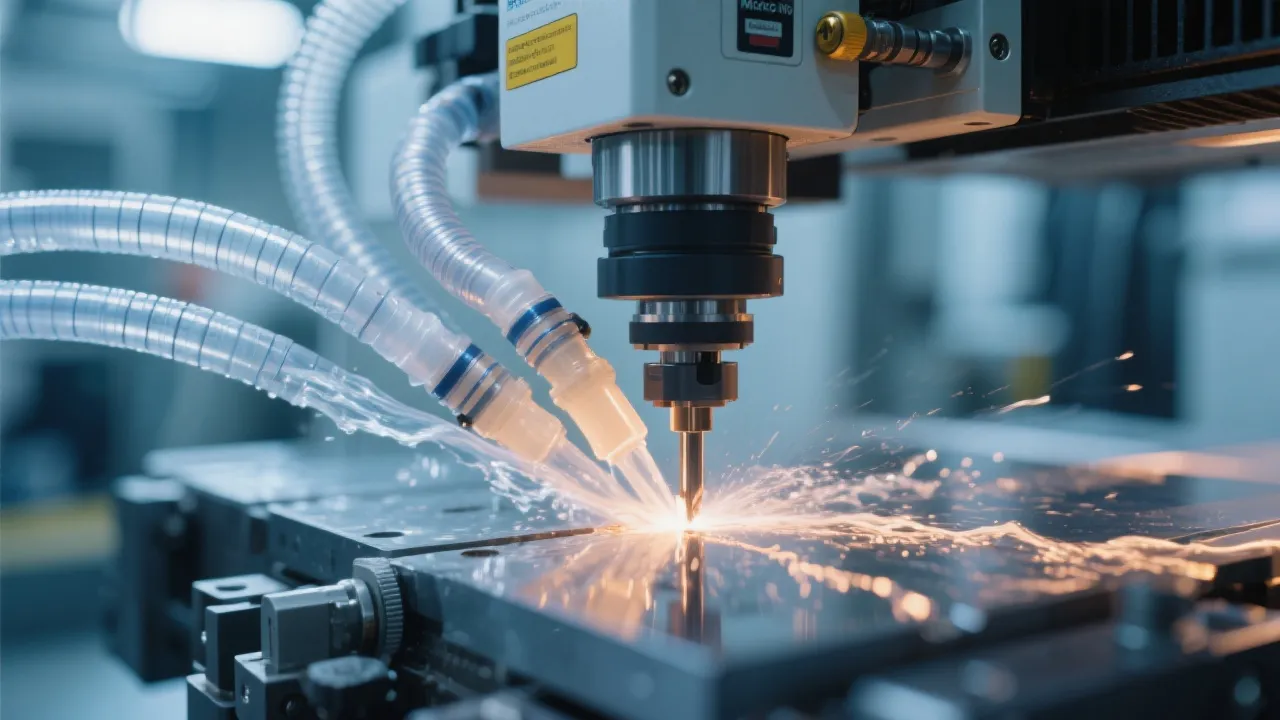
Figure 2: Proper disc cleaning technique prevents cross-contamination between samples—a common issue in multi-material labs.
Create a Culture of Precision
Consistency starts with awareness—not just training, but continuous reinforcement. Introduce weekly peer reviews where team members compare sample prep outcomes using reference images from ASTM-certified standards. This builds shared understanding and accountability across departments.
When you reduce variability at the source, your entire QA/QC pipeline benefits—from faster approvals to fewer rejected batches.
Ready to Elevate Your Lab’s Standards?
Discover how the MP-2S Dual-Head Manual Polishing Grinder from LaiZhou JinCheng Industrial Equipment Co., Ltd. delivers precision, durability, and ease-of-use—engineered for labs that demand reliability, not just compliance.
Get Your Free Sample Prep Checklist + Video Demo


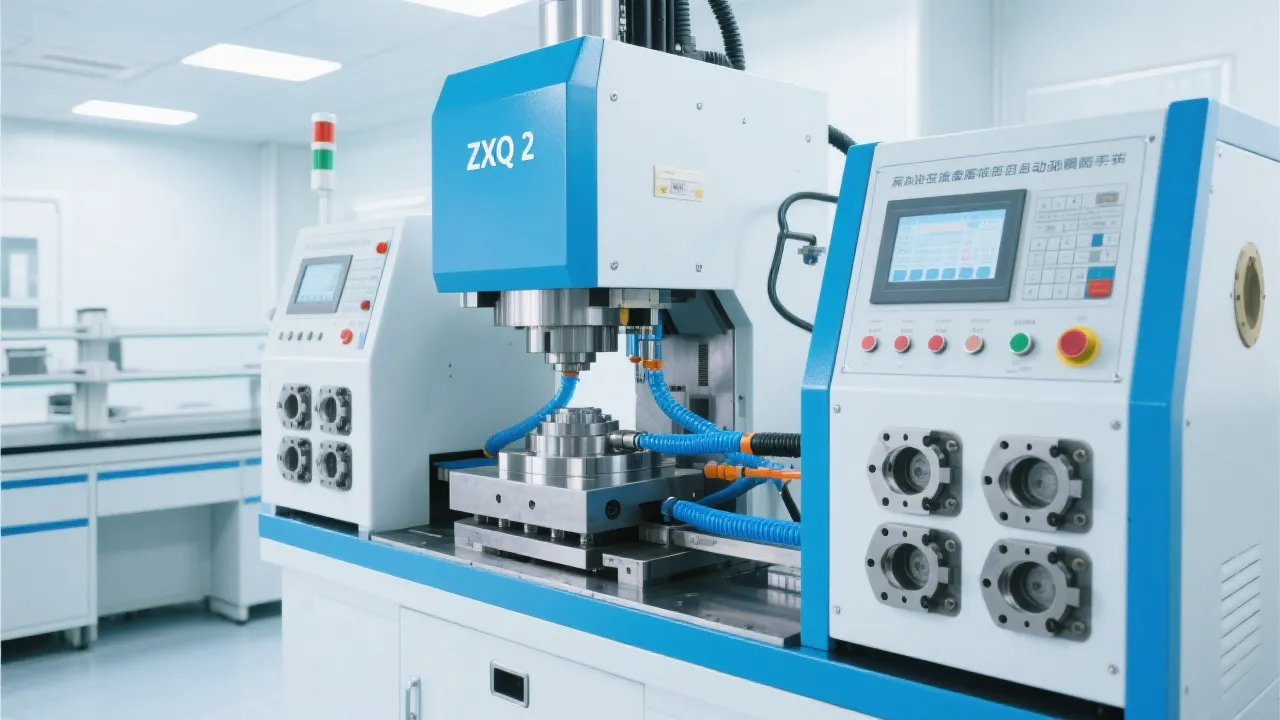
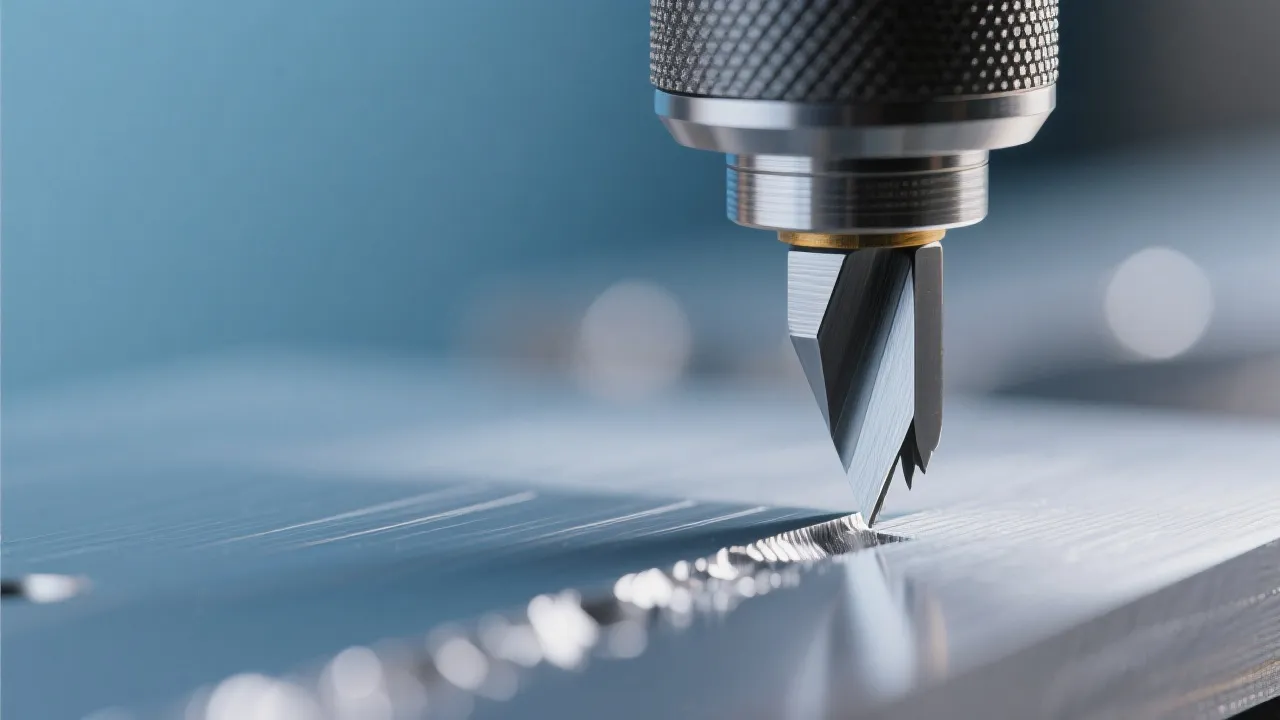

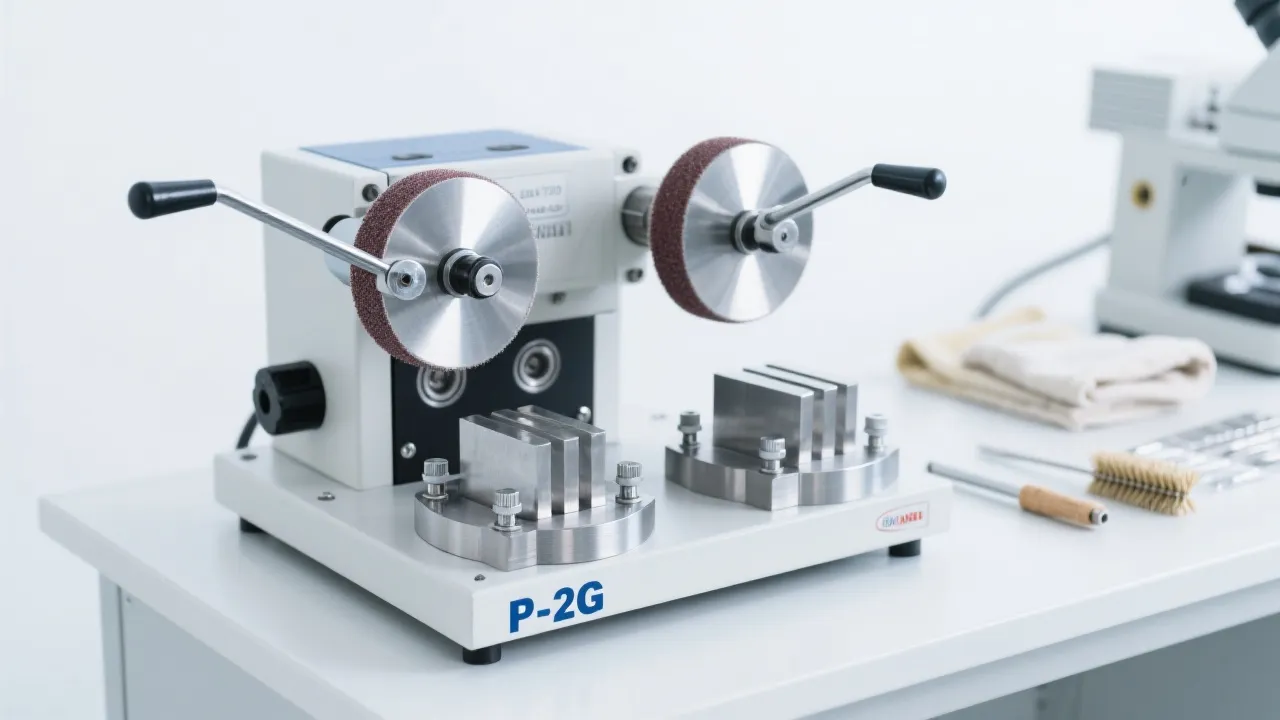

Hardness-Tester7MHXZD-1000A-1.jpg?x-oss-process=image/resize,h_1200,m_lfit/format,webp)
Hardness-Tester7MHVS-1000A-1.jpg?x-oss-process=image/resize,h_1200,m_lfit/format,webp)


Hardness-TesterHV-1000-1.jpg?x-oss-process=image/resize,h_1200,m_lfit/format,webp)