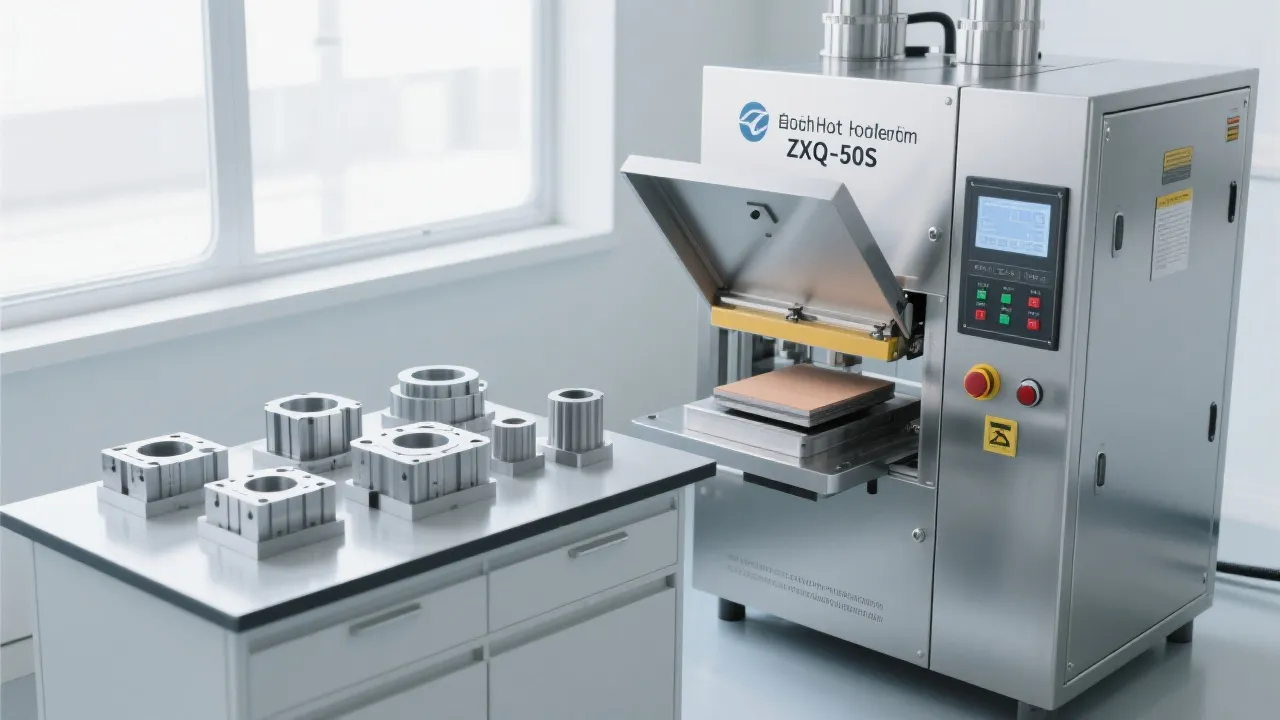
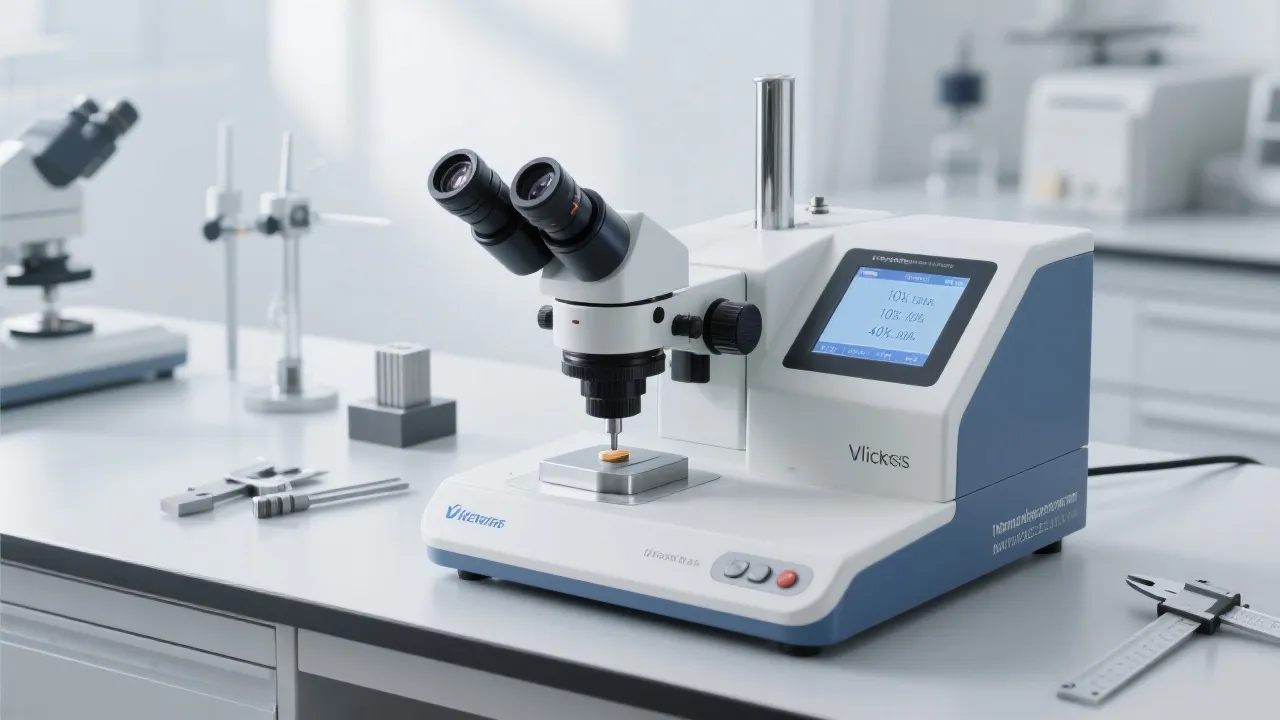
For B2B buyers, a hardness tester is a practical instrument used to verify whether a material, part, or heat-treatment result meets specification—before it moves further in production, acceptance, or research. At Laizhou Jincheng Industrial Equipment Co.,Ltd (Laizhou Jincheng), we focus on hardness testing and metallographic inspection solutions for manufacturing, metallurgy, universities, and research labs. This page explains what a hardness tester is, how indentation hardness testing works, where it is commonly used, and how the data supports quality control.
Scope note: This is a principles-and-applications guide intended to support pre-purchase understanding. It does not provide model comparisons or pricing.
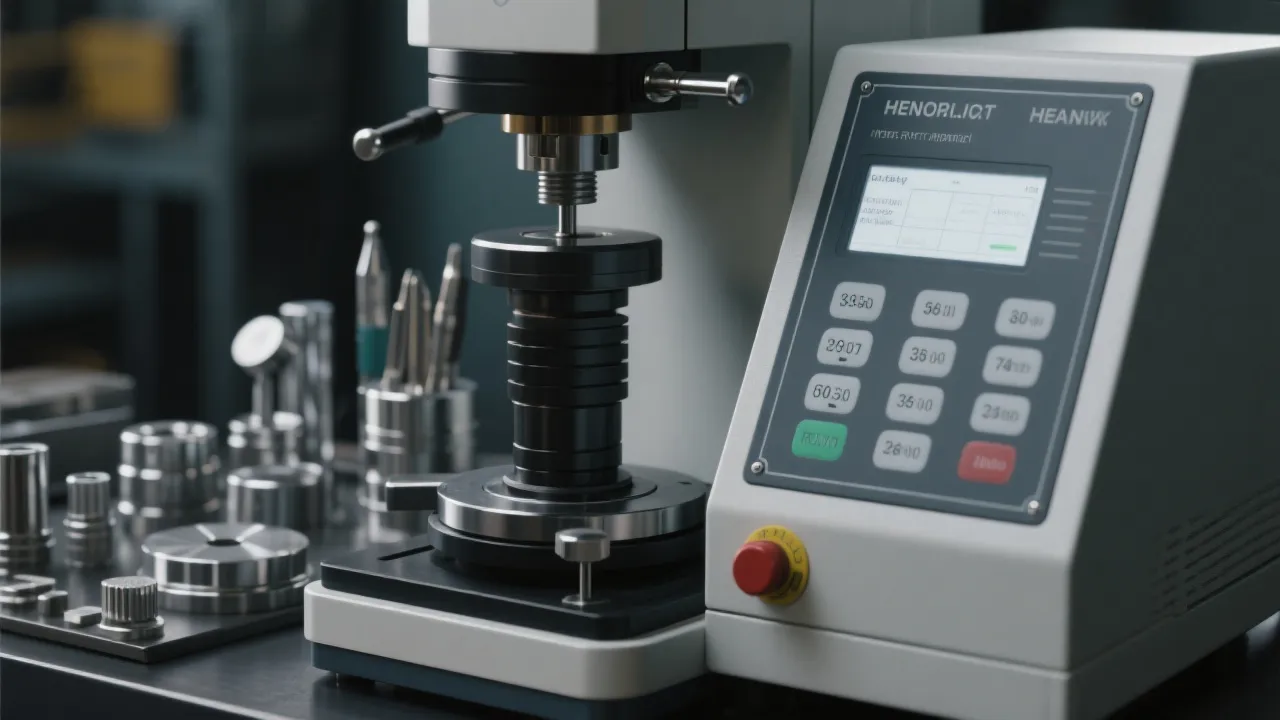
A hardness tester is a testing device that evaluates a material’s resistance to deformation—most commonly by pressing an indenter into the surface under a defined force and measuring the resulting impression or depth. In industrial and laboratory contexts, hardness results are widely used as an efficient proxy to confirm:
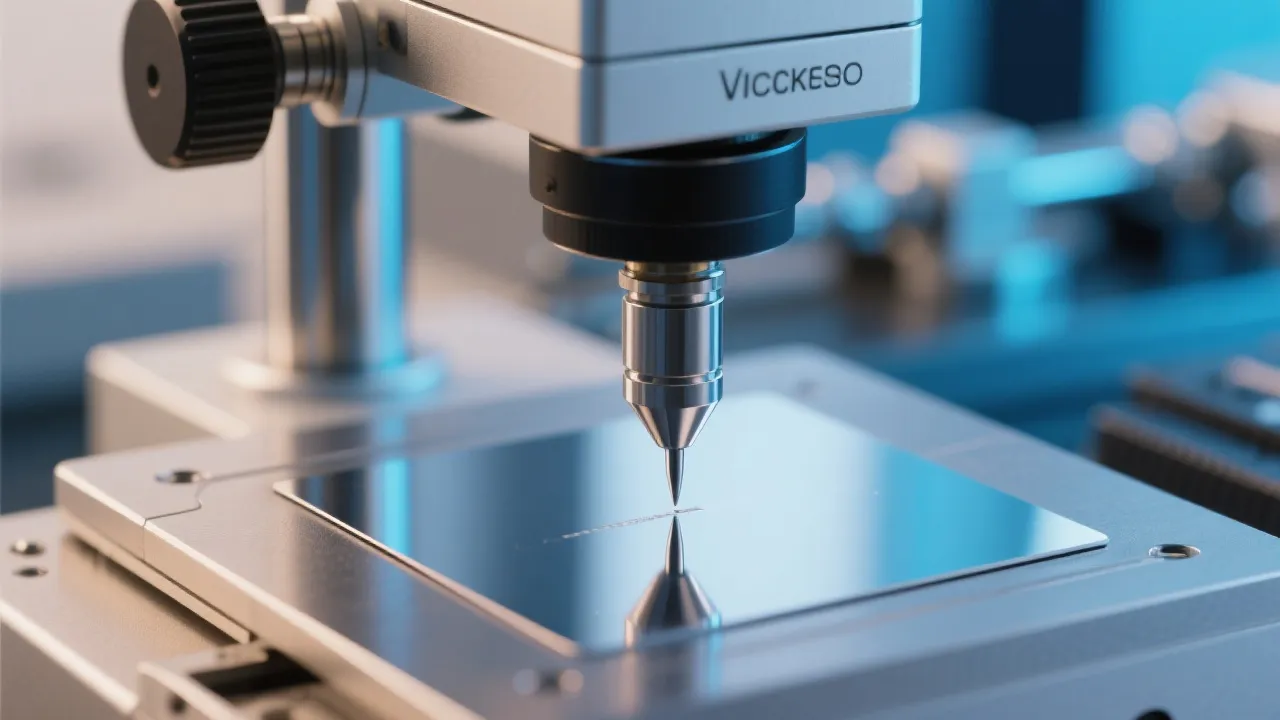
Indentation hardness testing follows a controlled and repeatable logic: apply a standardized force using a defined indenter geometry, then measure the indentation outcome and convert it into a hardness value per the selected method standard.
Standards define test forces, indenter types, dwell times, sampling rules, and reporting formats. Using ASTM and ISO-compliant procedures helps ensure your hardness results are comparable across suppliers, plants, and audits—especially important for B2B procurement and multi-site production.
Hardness testers are typically categorized by the indentation method they implement. Below is a practical, non-exhaustive overview to support method selection discussions:
| Method | How it measures | Typical fit (examples) | Notes for QC |
|---|---|---|---|
| Vickers hardness | Measures indentation diagonals (optical) | Wide material range; useful for precise lab work and micro/macro scales | Good comparability; surface prep influences repeatability |
| Brinell | Measures indentation diameter | Often used for castings/forgings and heterogeneous structures | Larger indentation can reflect bulk properties |
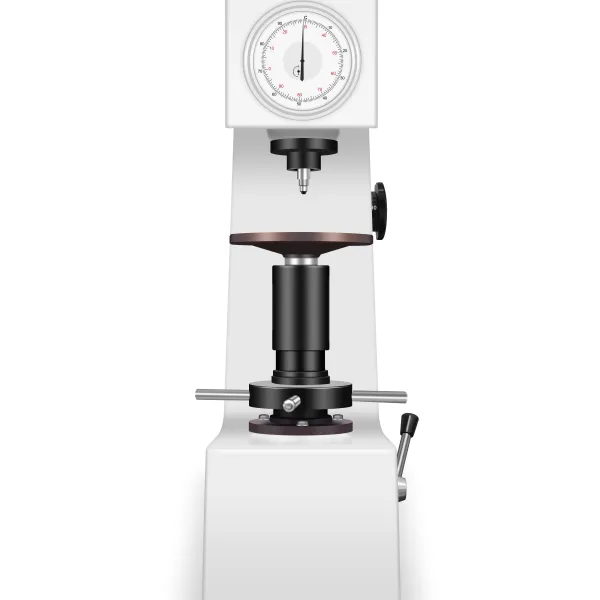
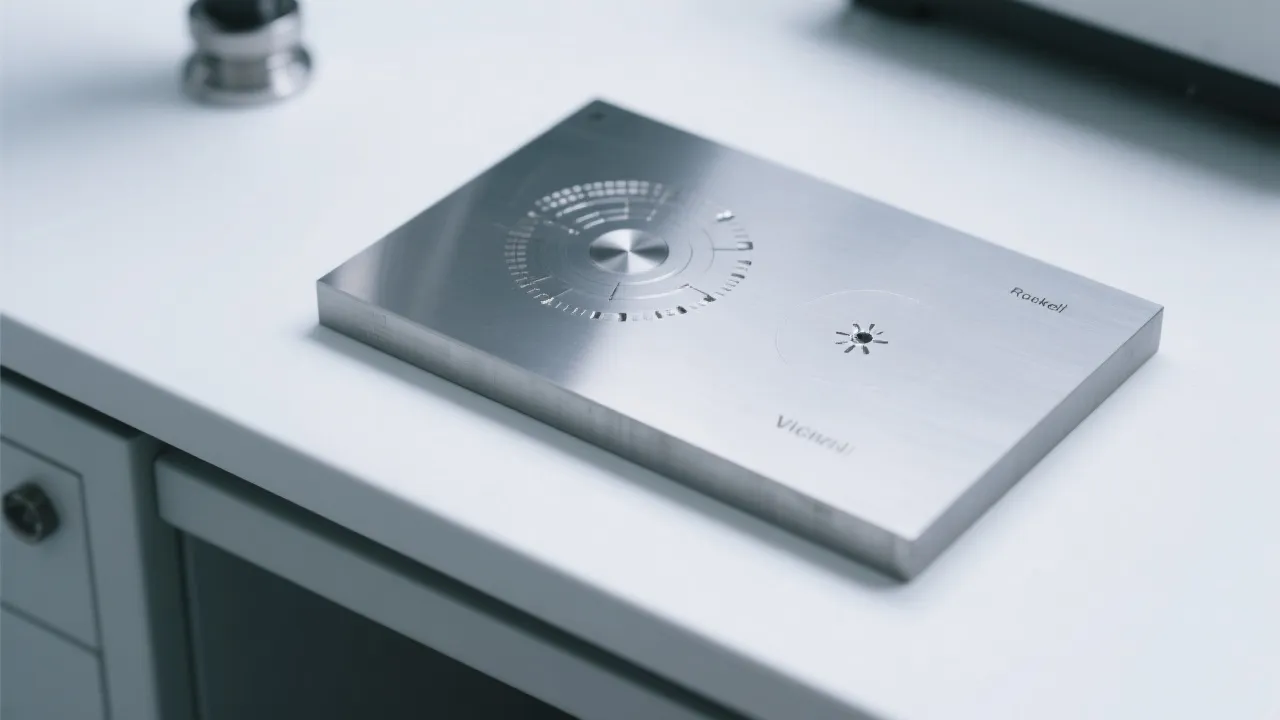
| Rockwell | Measures indentation depth under specified loads | Efficient shop-floor checks; fast throughput | Proper scale selection and surface condition are key |
Selecting a hardness method is not only a “hardness range” decision—part geometry, surface condition, coating/case depth, and reporting requirements often drive the best choice.
In real production and lab settings, hardness testers are integrated into multiple checkpoints. Typical applications include:
Hardness values become actionable when they are treated as part of a controlled system—method selection, sampling rules, calibration/verification, and traceable reporting. In B2B quality control, hardness testing commonly supports:
Before you compare specifications across suppliers, align internally on how the tester will be used. This helps avoid over- or under-specifying your purchase.
Established in 2004, Laizhou Jincheng Industrial Equipment Co.,Ltd provides hardness testing and metallographic inspection equipment, along with related consumables and solution support. Our portfolio includes manual instruments for intuitive operation and teaching use, as well as computerized systems designed for automated control, optical measurement, and standardized reporting aligned with common international practices (ASTM/ISO). Our equipment is used across mechanical manufacturing, metallurgy, chemical and power industries, universities, and research institutes.
If you are building or upgrading a quality control workflow and need help clarifying the appropriate hardness method, test process, or reporting approach, we can provide technical guidance based on your material type, standard requirements, and application context.
Typical regions we support include B2B buyers in Russia, Southeast Asia, and Europe.
Looking for a structured pre-purchase discussion? Prepare your target material(s), hardness method preference (if any), relevant ASTM/ISO requirement, sample dimensions, and the intended QC reporting format—then share them with Laizhou Jincheng to accelerate evaluation.
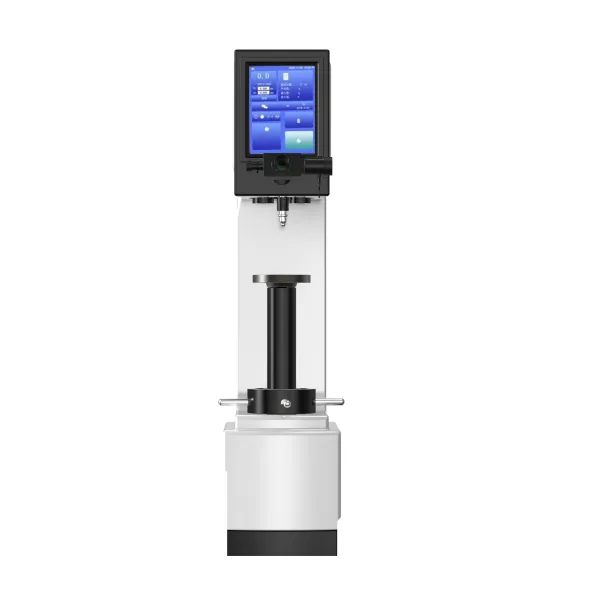
Hardness-Tester7MHVS-5103050A-1.jpg?x-oss-process=image/resize,m_fill,h_600,w_600/format,webp)






Hardness-TesterHV-1000-1.jpg?x-oss-process=image/resize,h_1200,m_lfit/format,webp)