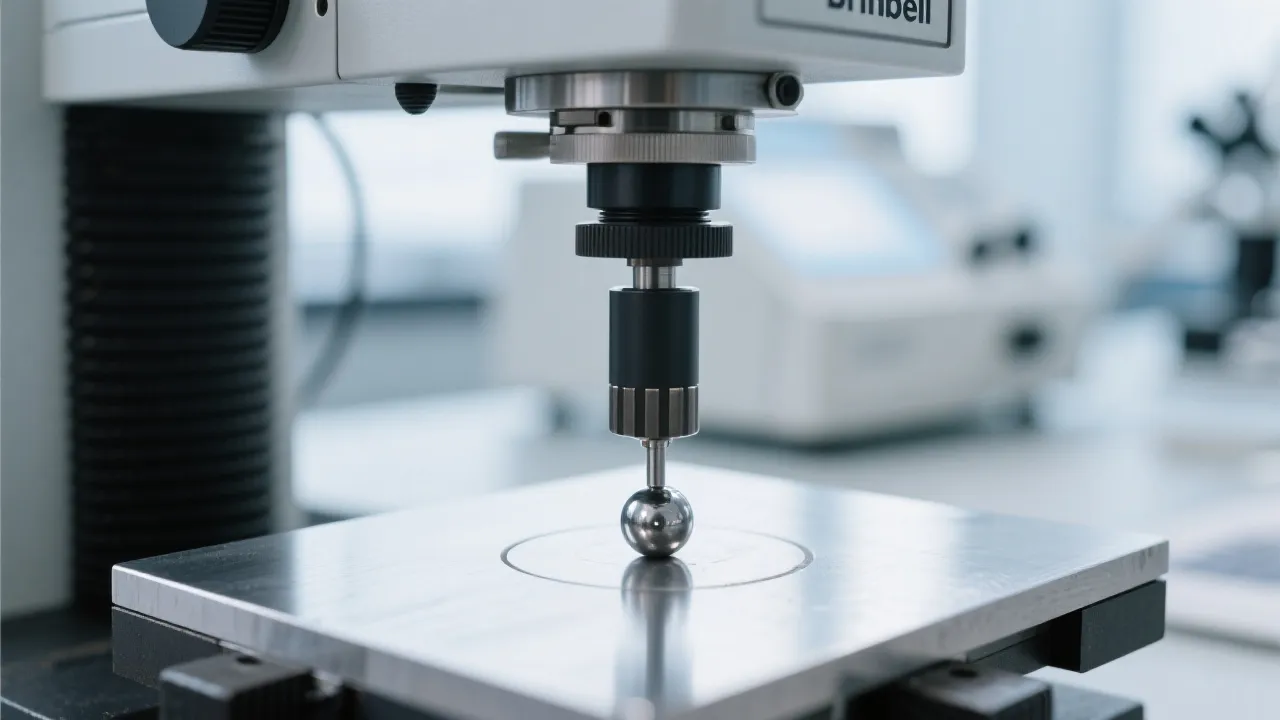
Hardness Testers Explained: Definition, Principles, and B2B Application Scenarios
16 05,2026
Laizhou Jincheng Industrial Equipment Co.,Ltd
Standard Definition
Learn the definition, core functions, common indentation-based principles, and typical use cases of hardness testers. This page helps B2B buyers in manufacturing, metallurgy, labs, and QC understand where manual vs. computerized hardness testers fit—by Laizhou Jincheng Industrial Equipment Co.,Ltd.
What is a hardness tester in B2B material testing?
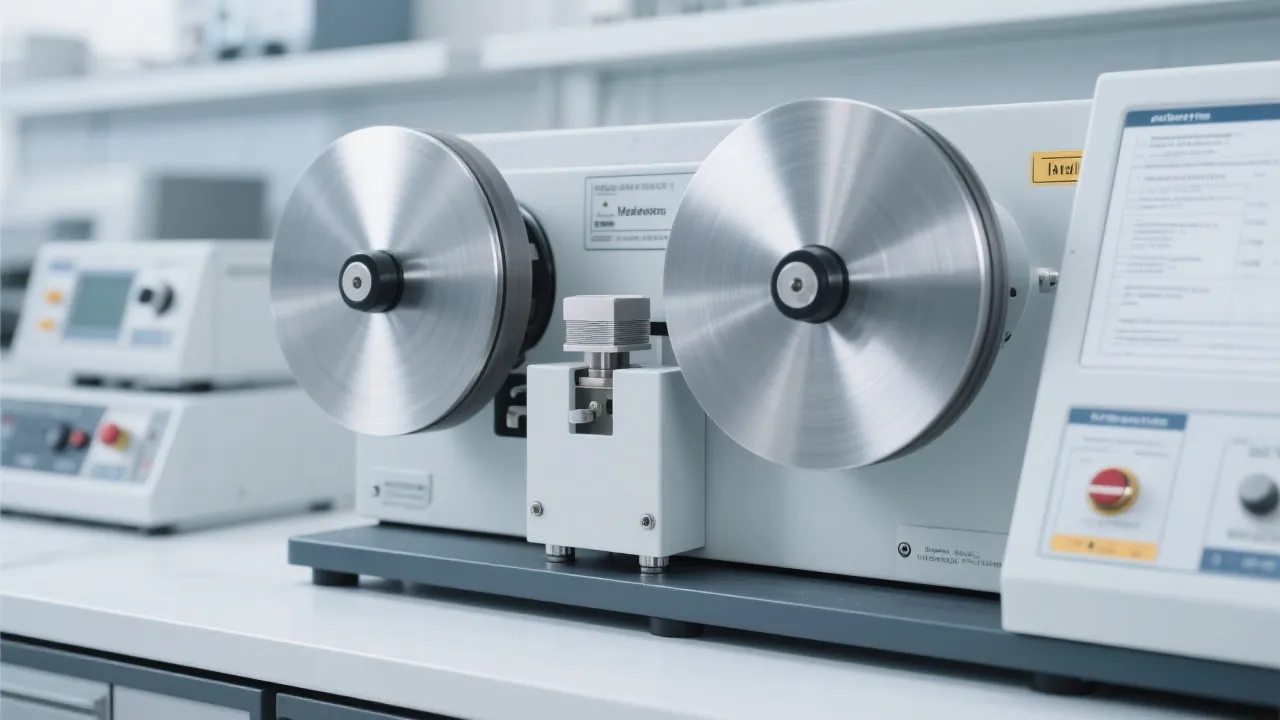
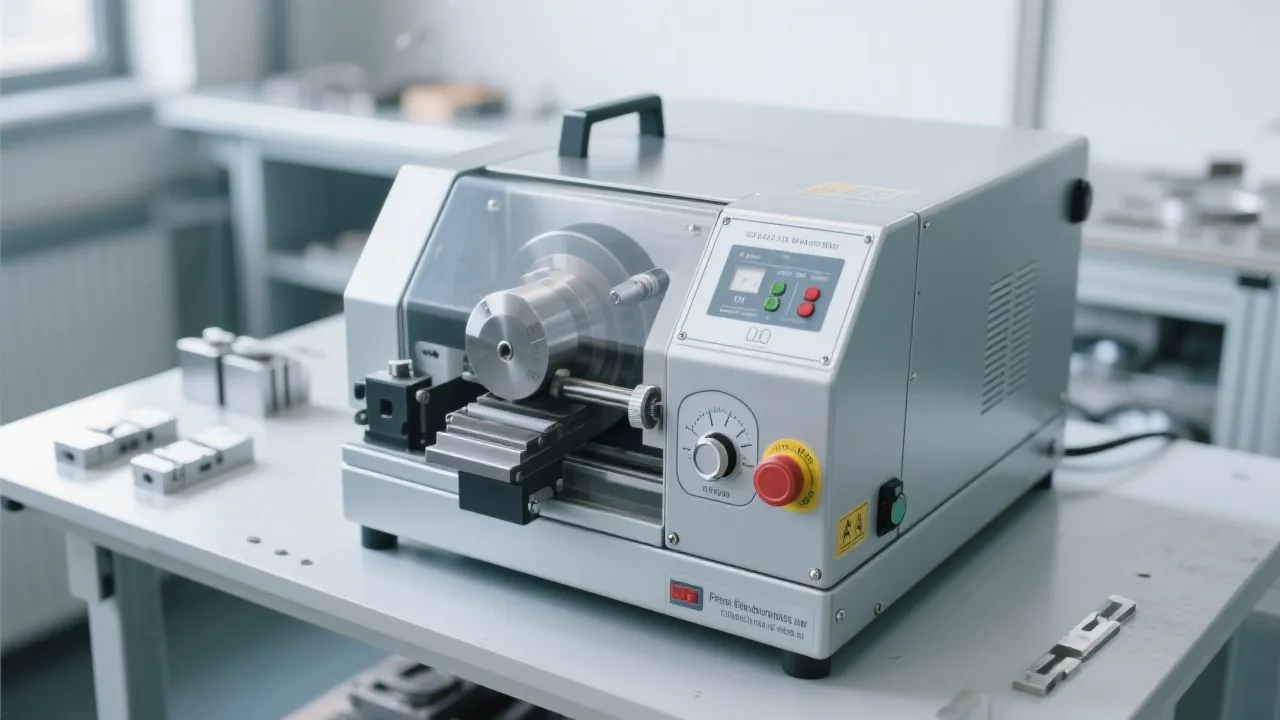
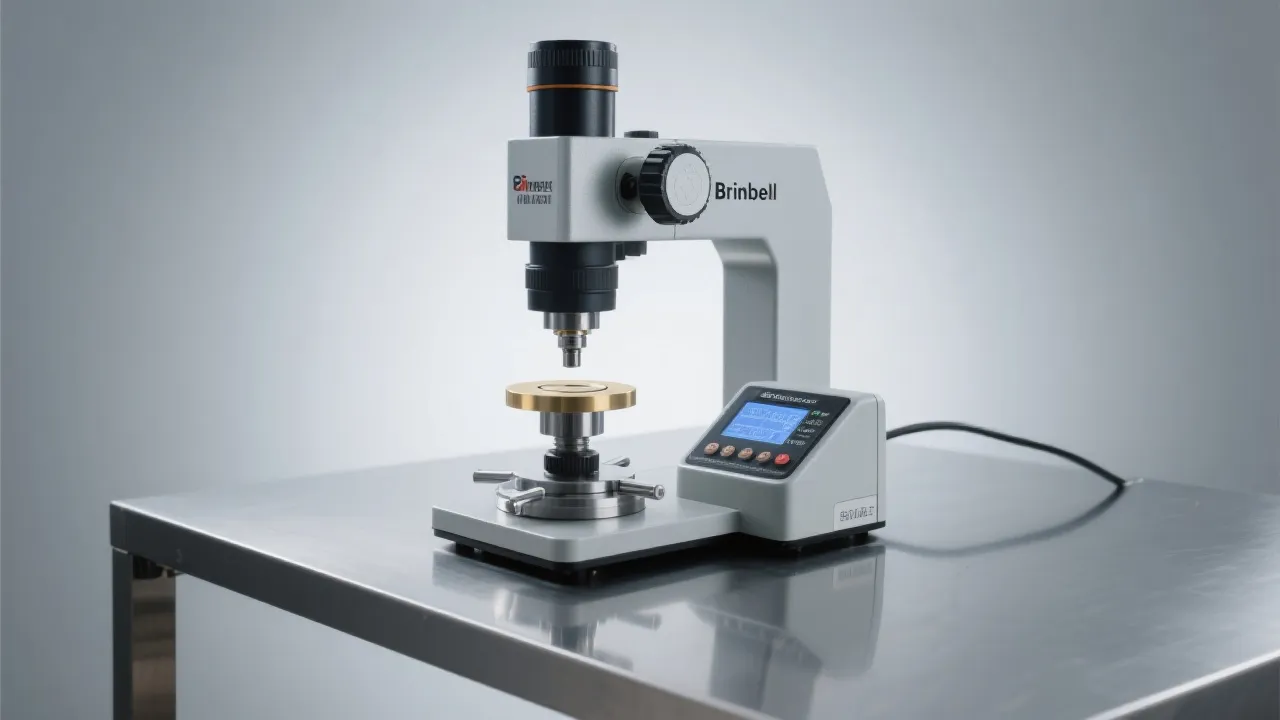
A hardness tester is a material property testing instrument used to evaluate a material’s resistance to localized plastic deformation—most commonly via indentation hardness testing. In B2B procurement and quality control, hardness testing is widely used to verify heat treatment results, screen incoming materials, support process control, and document compliance in manufacturing, metallurgy, laboratories, and R&D.
As a long-term supplier in metallographic and hardness inspection, Laizhou Jincheng Industrial Equipment Co.,Ltd provides both manual and computerized hardness testing solutions designed for practical on-site checks and repeatable lab/QC workflows.
Definition (clear and procurement-friendly)
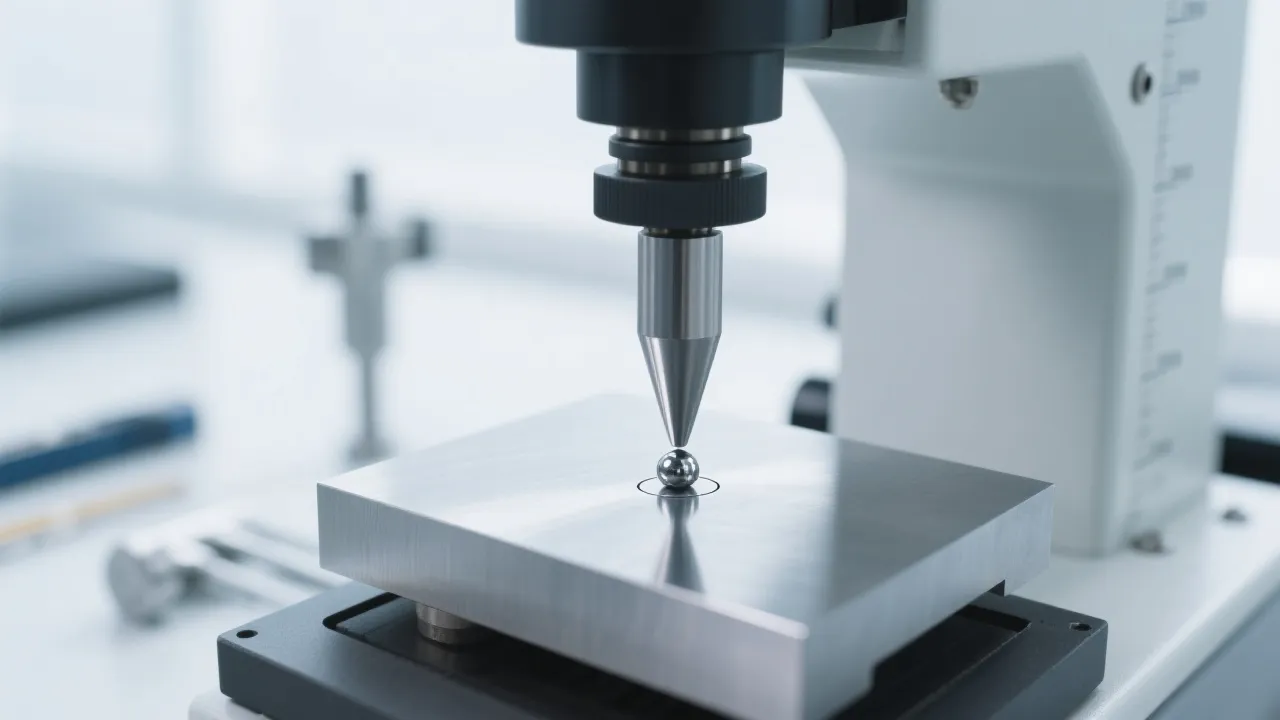
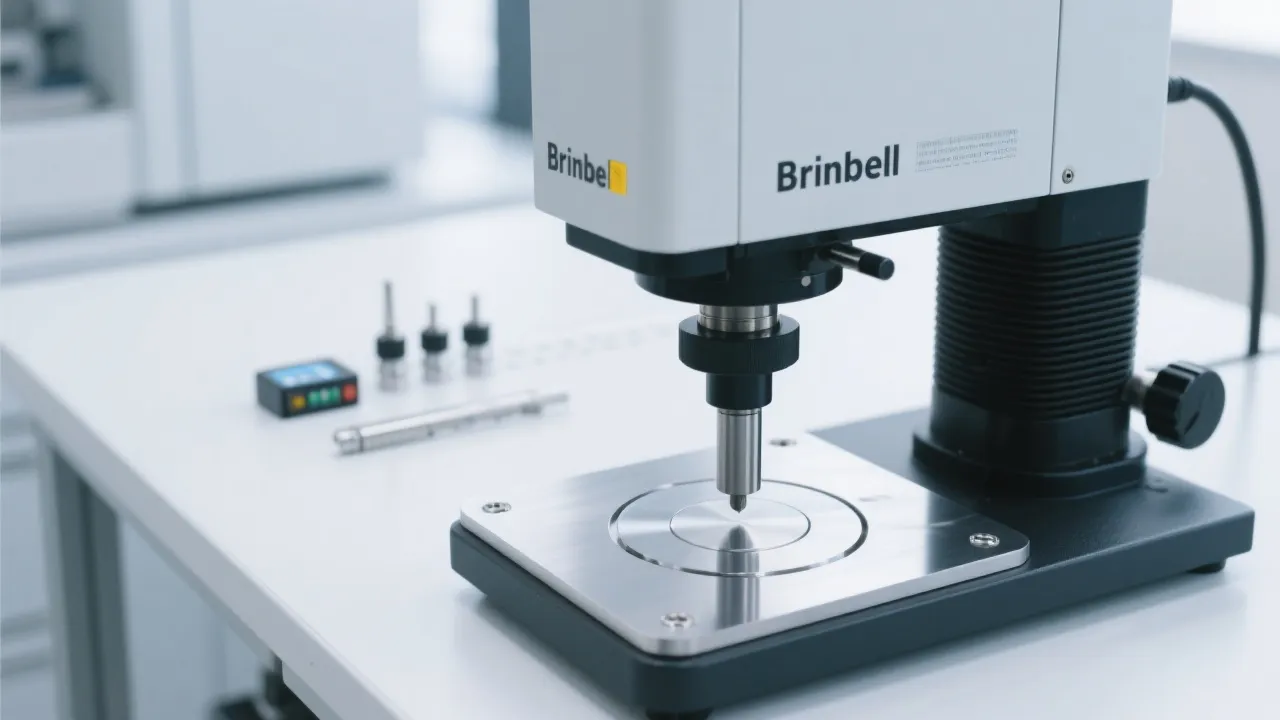
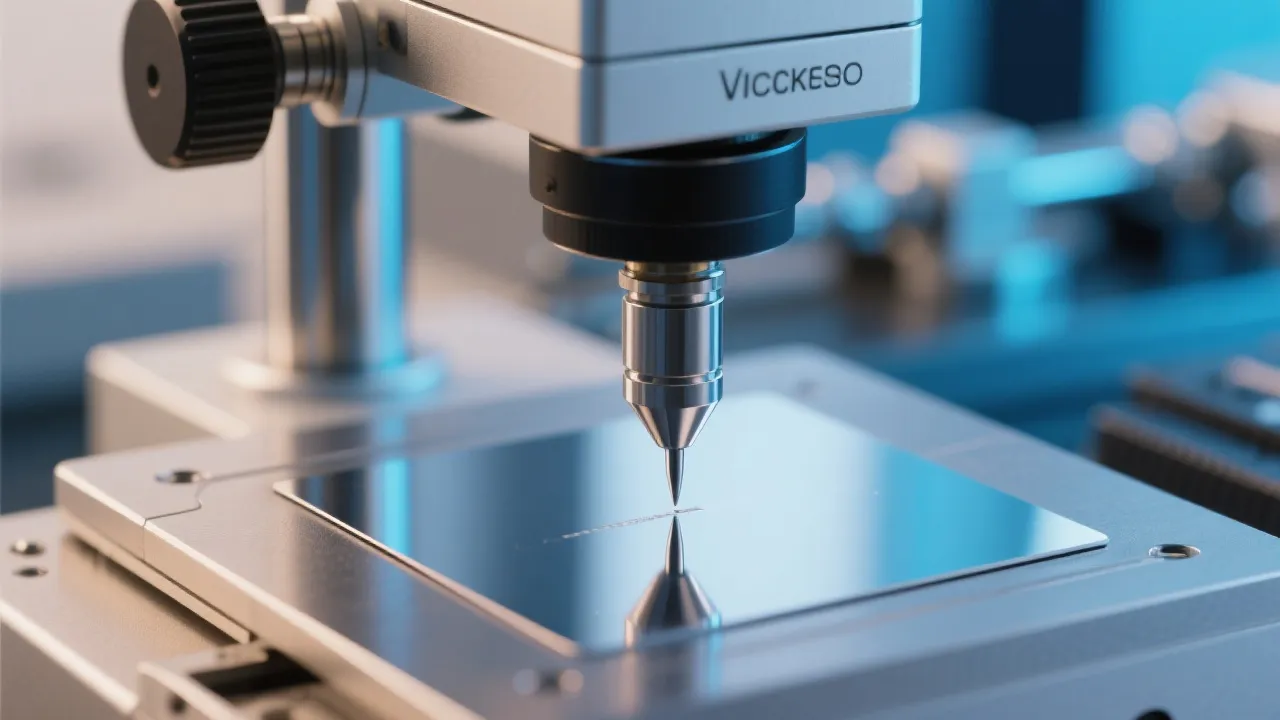
A hardness tester applies a controlled load to an indenter and measures the resulting indentation (or related response). The instrument then reports a hardness value (e.g., Vickers, Brinell, Rockwell—depending on method and configuration) used to compare materials and confirm processing consistency.
Core purpose in quality control
- Incoming inspection: quick verification of raw materials or outsourced parts
- In-process checks: monitor heat treatment, machining, and surface processes
- Final release: ensure traceable results for production batches
- Lab/R&D: support material selection and failure analysis
Indentation-based principles: how it works (conceptual view)
-
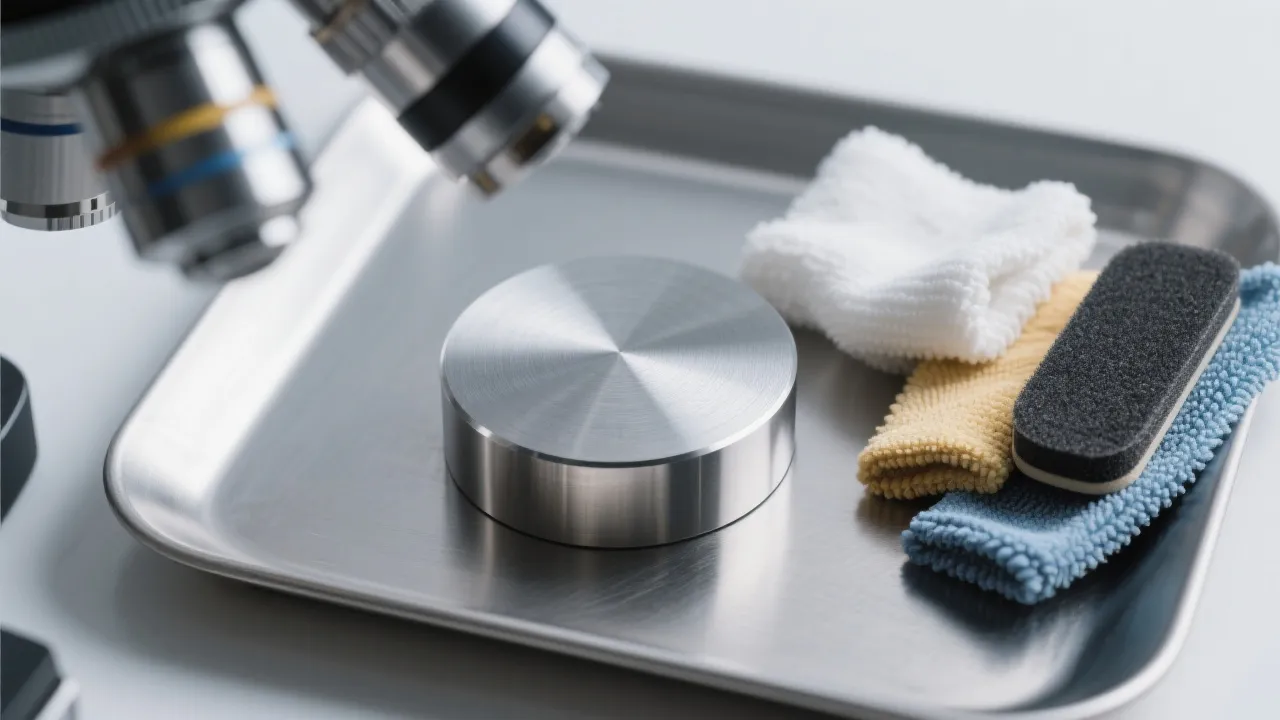
Prepare the surface: ensure the test area is suitable (flat/clean as required by your method and internal procedure).
-
Apply force with an indenter: the tester controls load and dwell time to create an indentation or corresponding deformation response.
-
Measure the result: depending on method, the tester measures indentation size/depth or uses method-specific measurement principles.
-
Calculate and record: the system outputs a hardness value and (in computerized workflows) can store results for reporting and statistical review.
Procurement note: when evaluating a hardness tester, buyers typically focus on test method fit, repeatability requirements, data traceability, and workflow integration (on-site vs. lab).
Manual vs. computerized hardness testers: where each fits
| Selection dimension |
Manual hardness tester |
Computerized hardness tester |
| Typical user goal |
Fast checks, straightforward operation, field or shop-floor verification |
Repeatable measurement, data handling, reporting, and QC standardization |
| Workflow |
Operator-led steps; suitable for quick decision-making |
Automated/assisted steps; supports consistent procedures and traceability |
| Data output |
Basic readings and manual recording |
Digital records, exportable results, optional statistics for QC |
| Best-fit scenarios |
On-site inspection, teaching labs, preliminary screening |
Lab measurement, higher-volume QC, audit-ready documentation |
Tip: many B2B organizations deploy both—manual units for immediate shop-floor decisions and computerized units for confirmatory lab/QC reporting.
Typical application scenarios by industry
Manufacturing & machining
- Incoming material verification
- Process consistency checks
- Final inspection for release
Metallurgy & heat treatment
- Heat treatment verification (comparative checks)
- Batch-to-batch uniformity monitoring
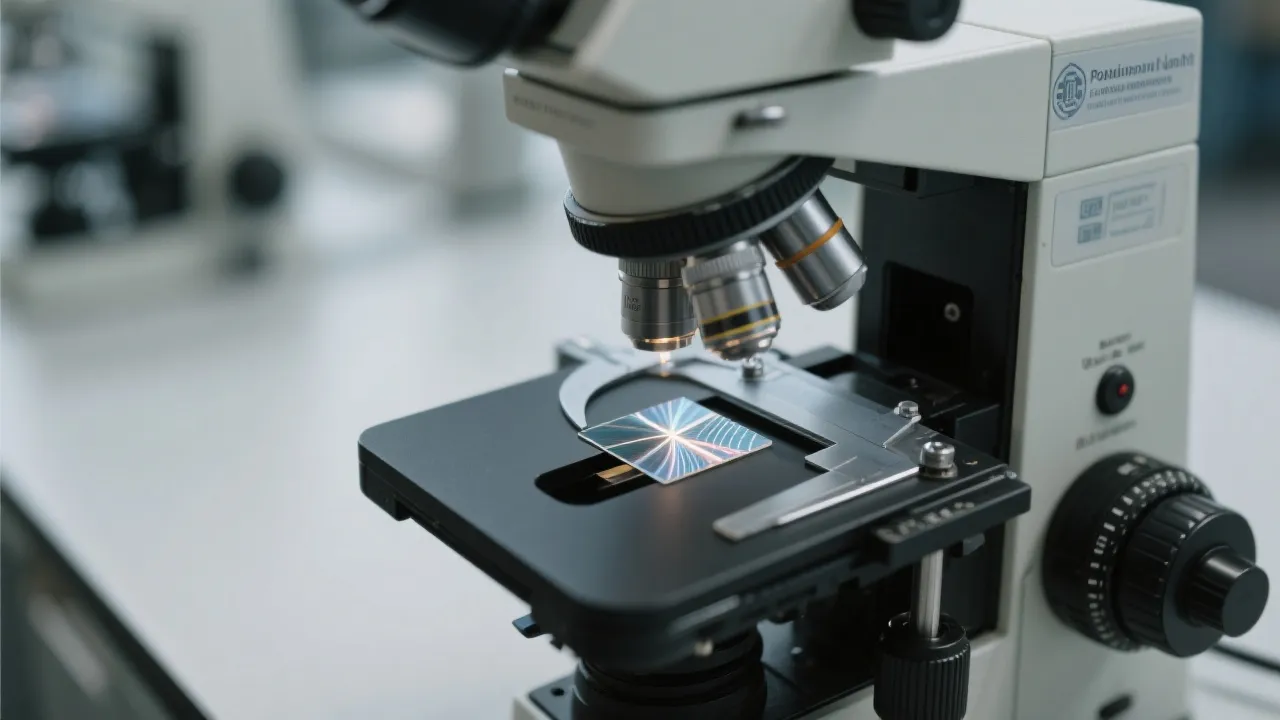
- Support for metallographic analysis workflows
Labs, universities & R&D
- Material selection and comparative studies
- Failure analysis support
- Teaching and training for test fundamentals
Quality control teams
- Standardized inspection procedures
- Result traceability and reporting
- Supporting audits with consistent records
How B2B buyers evaluate a hardness tester (practical checklist)
Method & standard alignment
- Which hardness method(s) match your specification and internal SOP?
- Do you need compatibility with common international standards (e.g., ASTM / ISO) for your documentation needs?
Accuracy & repeatability needs
- Required resolution and repeatability for your acceptance criteria
- Operator influence: manual vs. automated assistance
Data and QC workflow
- Do you need digital storage, exports, and statistical analysis for QC?
- Reporting format expectations for audits and customer submissions
Serviceability & support
- Spare parts availability and maintenance guidance
- Supplier responsiveness for B2B after-sales support
About Laizhou Jincheng: inspection equipment for metallography & hardness testing
Founded in 2004, Laizhou Jincheng Industrial Equipment Co.,Ltd focuses on metallographic inspection and hardness testing. Our portfolio includes manual units for intuitive operation and fast checks, as well as computerized systems designed for automated control, digital results, and structured QC workflows—supporting users in machinery manufacturing, metallurgy, chemical industry, power sector, universities, and research institutes.
If you are planning procurement for a new hardness tester or upgrading from manual to computerized measurement, we can help clarify method selection, workflow requirements, and suitable configurations for your inspection environment.
Note: This page explains hardness tester fundamentals for B2B selection. For tensile testing needs, please refer to our tensile testing machine line (e.g., UTM series) separately to avoid mixing test methods and specifications.
Request technical guidance for your use case
Share your material type, target method (if known), sample geometry, throughput, and documentation needs. We will respond with a configuration-oriented recommendation aligned with your QC workflow.
- Preferred test method(s) and standard requirements (ASTM/ISO, internal SOP)
- On-site screening vs. lab measurement expectations
- Need for digital data storage, export, and statistical reporting



-1.jpg?x-oss-process=image/resize,m_fill,h_600,w_600/format,webp)