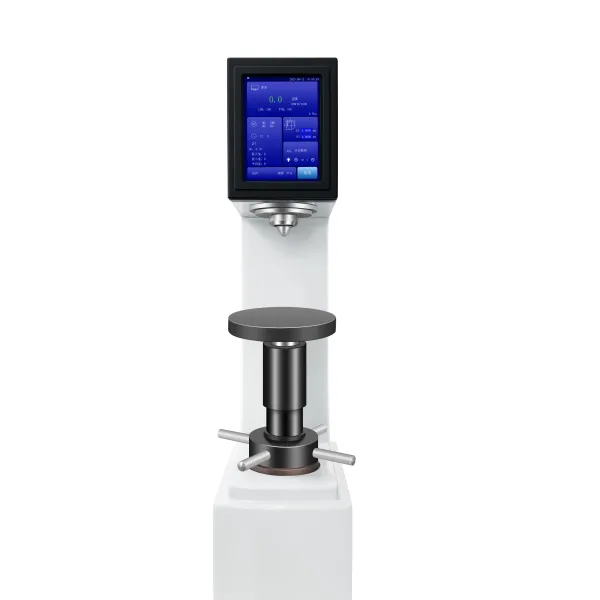
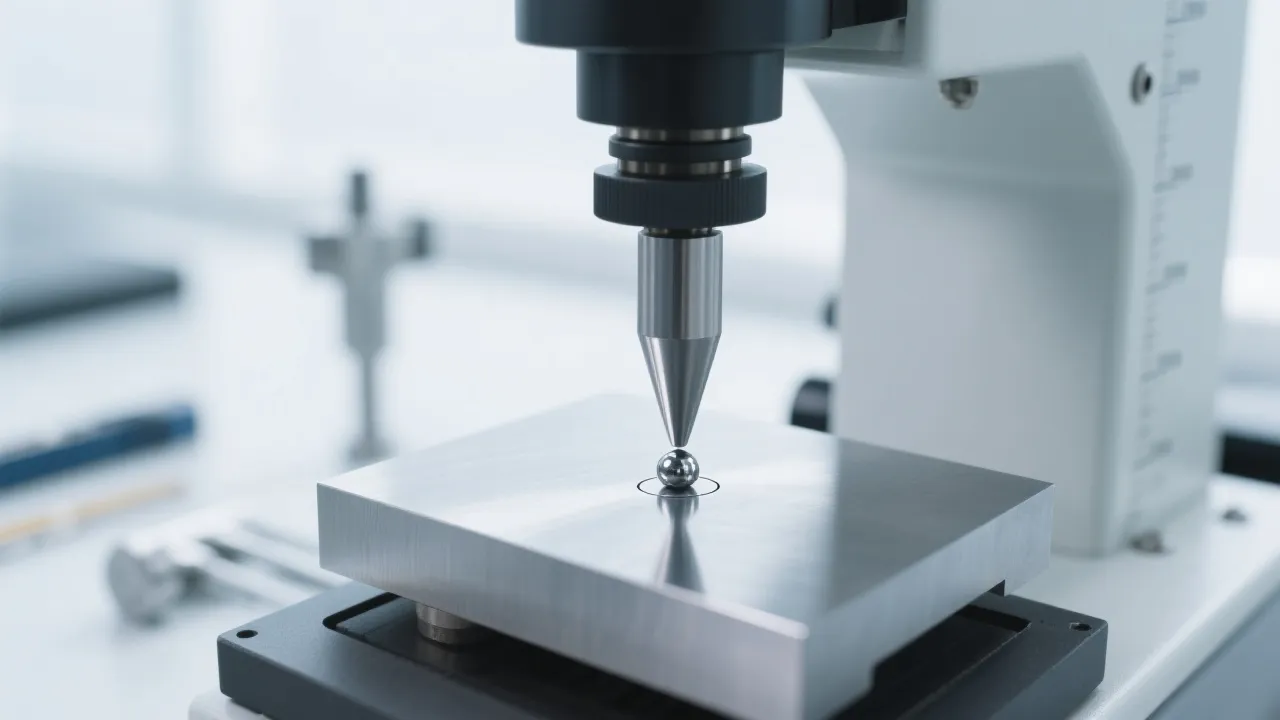
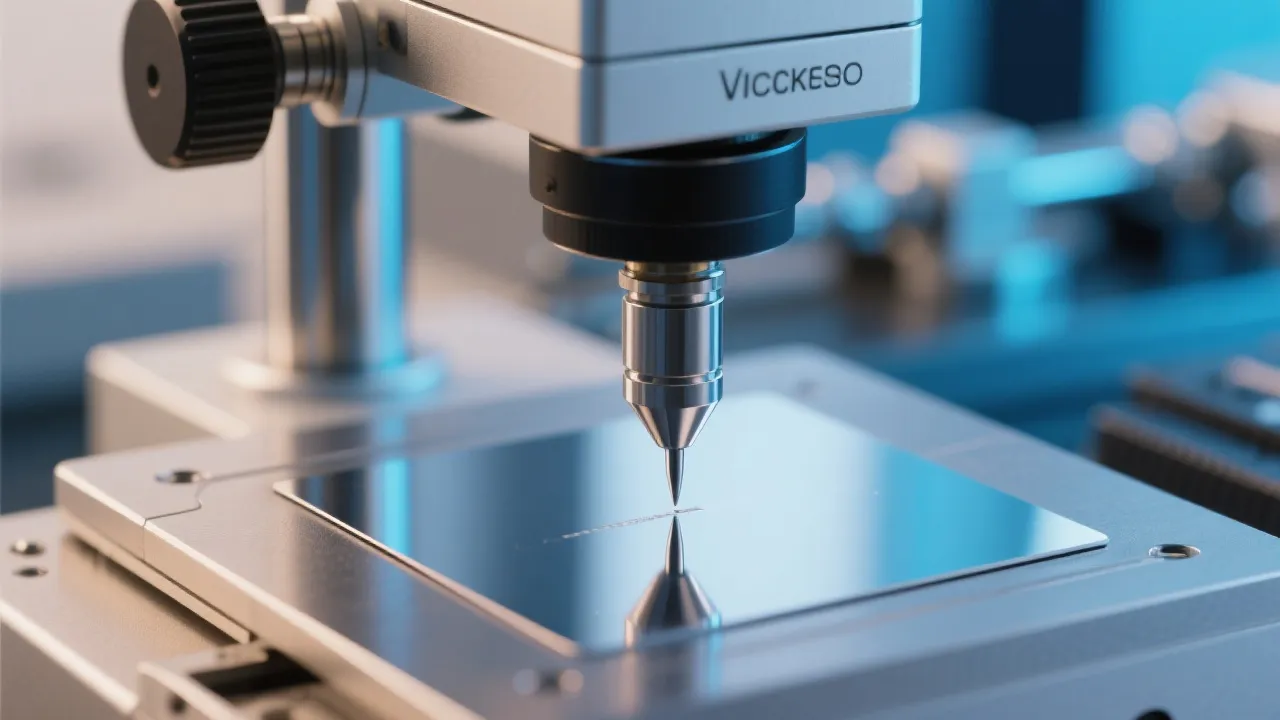
A hardness tester is an instrument used to evaluate how a material resists permanent deformation—most commonly by creating a controlled indentation and measuring the impression under standardized conditions. Understanding the basics of indentation testing and the differences between Vickers, Brinell, and Rockwell methods helps QC teams, labs, and educators establish consistent procedures before selecting equipment and setting acceptance criteria.
This page is provided by Laizhou Jincheng Industrial Equipment Co.,Ltd (est. 2004), a B2B supplier focused on hardness testing and metallographic inspection equipment for industrial and laboratory use.
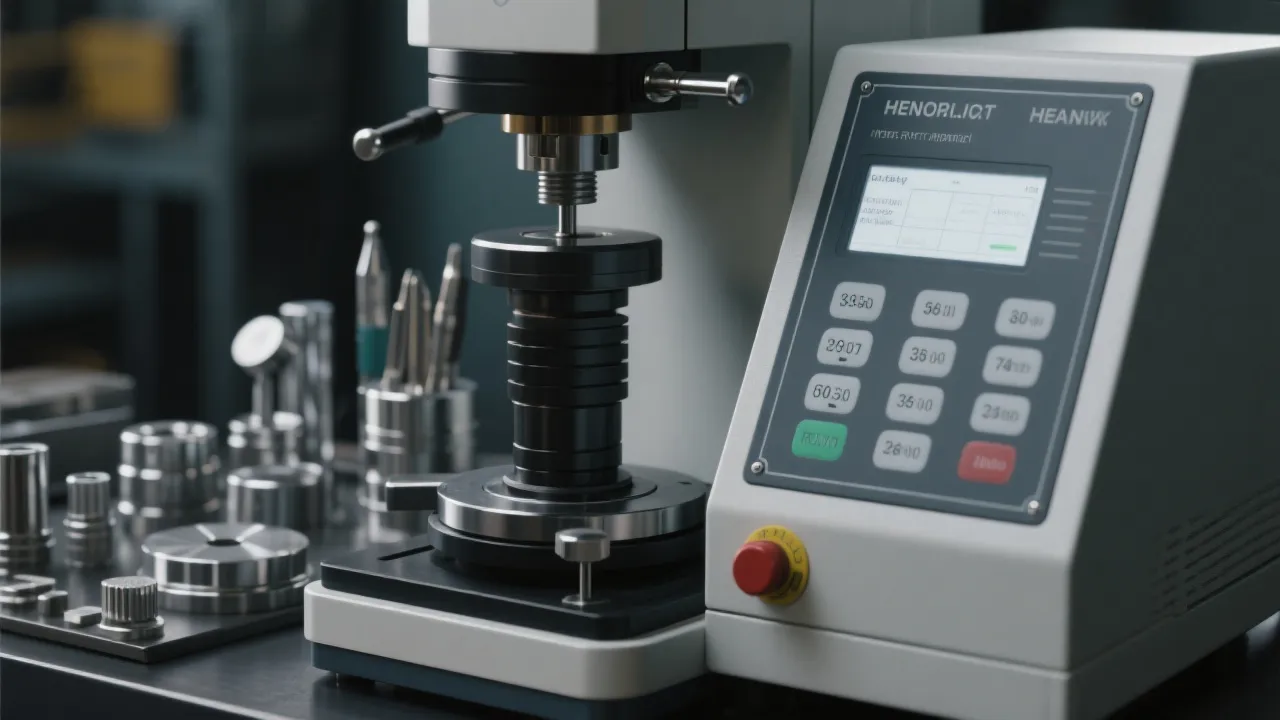
In indentation-based testing, the tester applies a specified force through a defined indenter geometry. The resulting indentation size or depth is used to calculate a hardness number on a given scale.
Hardness is not a direct synonym for strength or toughness. It is a practical, repeatable indicator that supports material verification and process control when testing conditions are standardized.
For standardized testing, align your procedure with the applicable ASTM or ISO standard used by your lab or customer requirement, and keep parameters consistent across incoming inspection, in-process control, and final QC.
| Method | How it reads hardness | Best-fit situations (typical) | Practical notes |
|---|---|---|---|
| Vickers (HV) | Measures indentation size (diagonals) made by a diamond pyramid indenter. | Broad hardness range; useful for fine structures and applications needing precise optical measurement. | Surface preparation and clear optics help repeatability; load selection should match thickness and structure. |
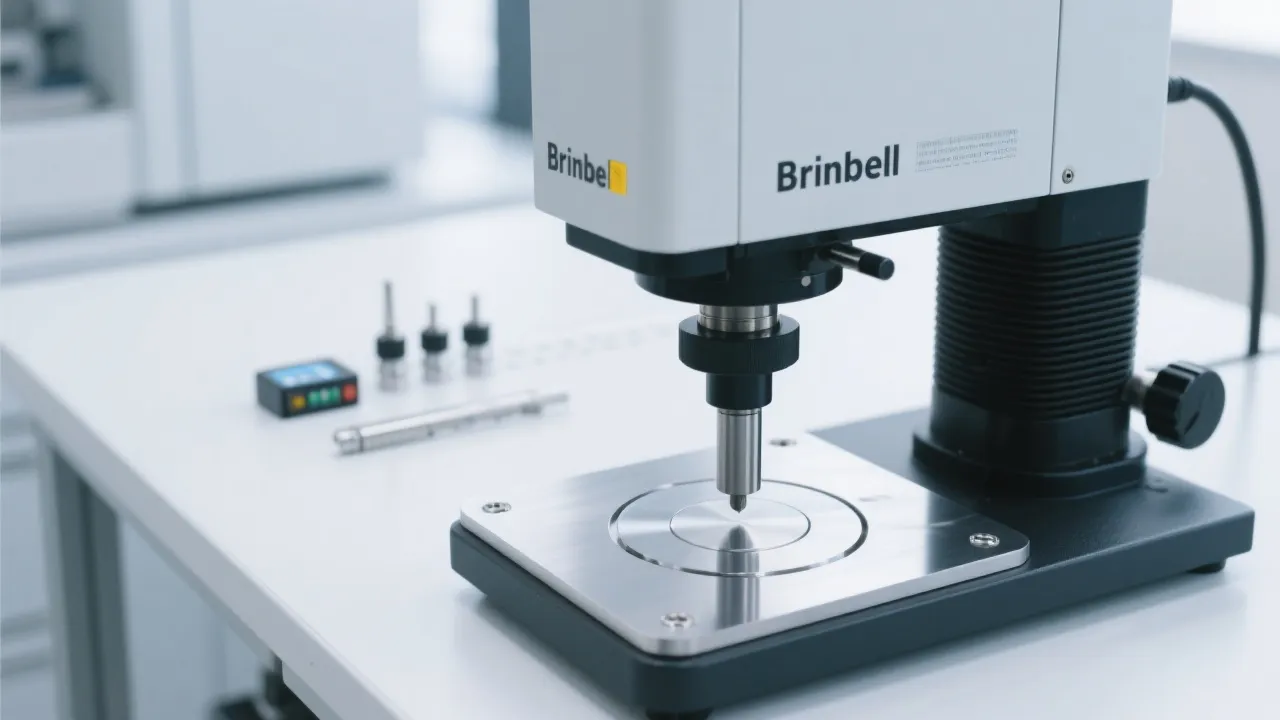
| Brinell (HBW) | Measures indentation diameter made by a ball indenter under a defined load. | Coarser or heterogeneous materials where a larger indentation better represents bulk behavior. | Requires adequate thickness and spacing; indentation is larger, so positioning and part geometry matter. |
| Rockwell (HR) | Measures indentation depth under minor and major loads; reading is direct on the Rockwell scale. | Fast testing in production and QC environments where throughput is important. | Method selection depends on scale and indenter type; ensure stable support and consistent surface condition. |
In practice, the “best” method is the one that matches your material, part geometry, required standards, and inspection workflow—while delivering repeatable results under your operating conditions.
| Aspect | Manual testers (typical) | Computerized testers (typical) |
|---|---|---|
| Operation | Straightforward interface; suitable for quick checks and teaching fundamentals. | Automation support for loading/reading/data handling depending on model and configuration. |
| Repeatability drivers | Relies more on operator consistency (positioning, reading, documentation). | Improves consistency by standardizing steps and supporting structured records. |
| Data use | Basic recording for pass/fail or spot checks. | Supports digital archiving and statistical review for QC analysis where required. |
Laizhou Jincheng Industrial Equipment Co.,Ltd supplies both manual and computerized hardness testing solutions, helping customers align testing style with workshop throughput, lab requirements, and documentation practices.
Once you understand the fundamentals of hardness tester principles and the practical differences between Vickers hardness, Brinell hardness, and Rockwell hardness, the next step is matching the method to your workflow—incoming inspection, in-process control, or final QC—while keeping procedures aligned with your internal and customer standards.
If you are building a testing capability for manufacturing, education, or research, Laizhou Jincheng can support you with appropriate hardness testing equipment and complementary metallographic preparation solutions—so results can be interpreted within a complete material evaluation process.

-1.jpg?x-oss-process=image/resize,m_fill,h_600,w_600/format,webp)