Hardness Testers Explained: Vickers, Brinell, and Rockwell Methods and When to Use Them

05 07,2026
Laizhou Jincheng Industrial Equipment Co.,Ltd
Concept Explanation
Learn what a hardness tester is and how Vickers, Brinell, and Rockwell hardness testing works across different materials and inspection scenarios. This guide from Laizhou Jincheng Industrial Equipment Co.,Ltd helps you build a clear foundation for comparing manual vs computerized hardness testing equipment and preparing for selection and technical discussions.
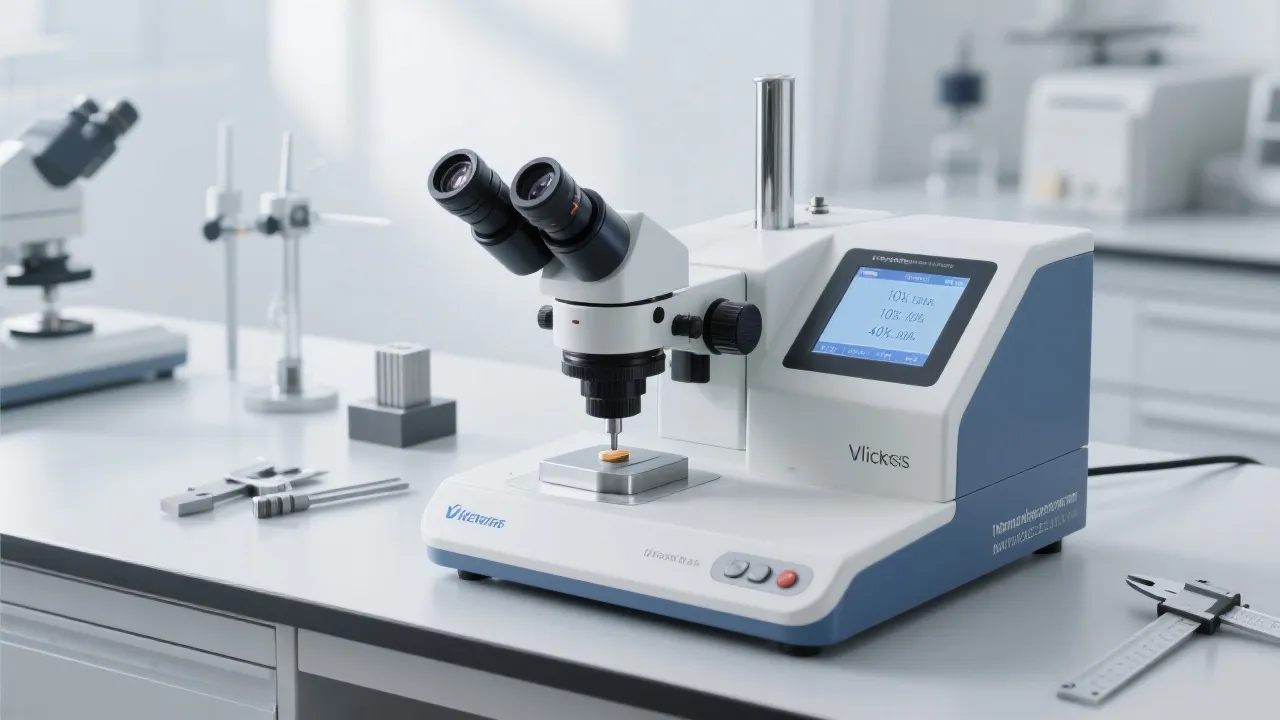
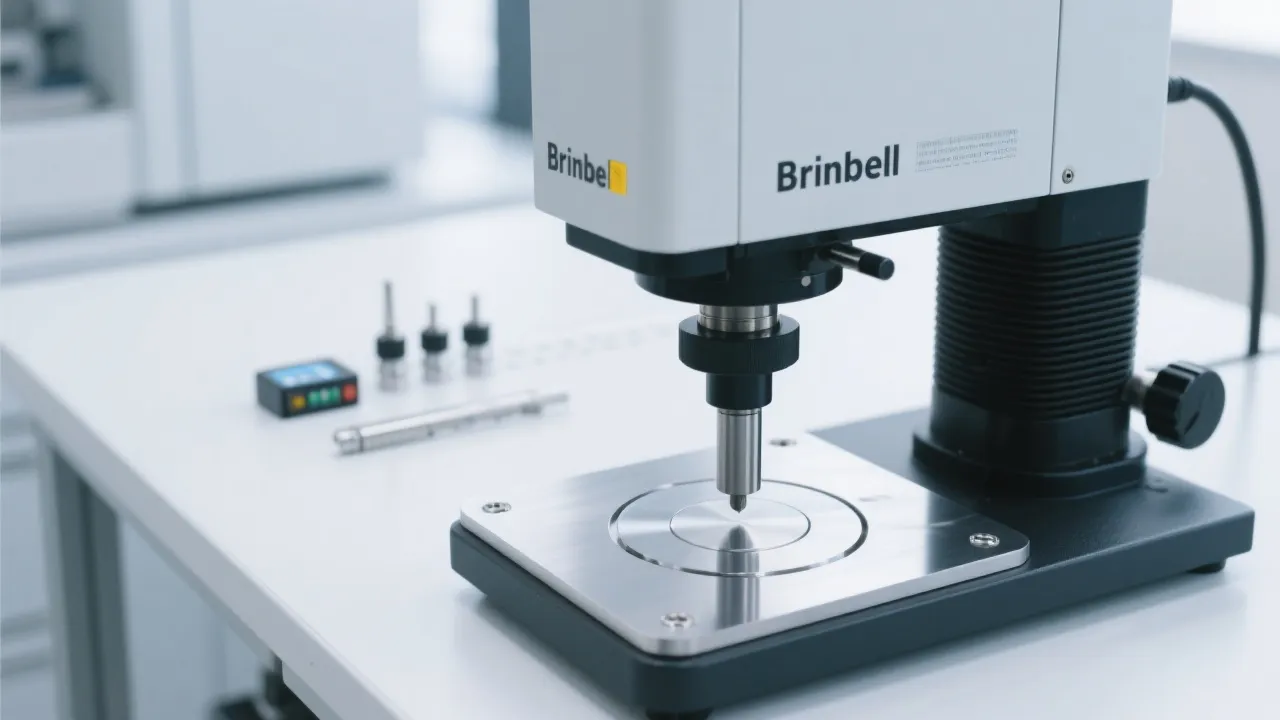
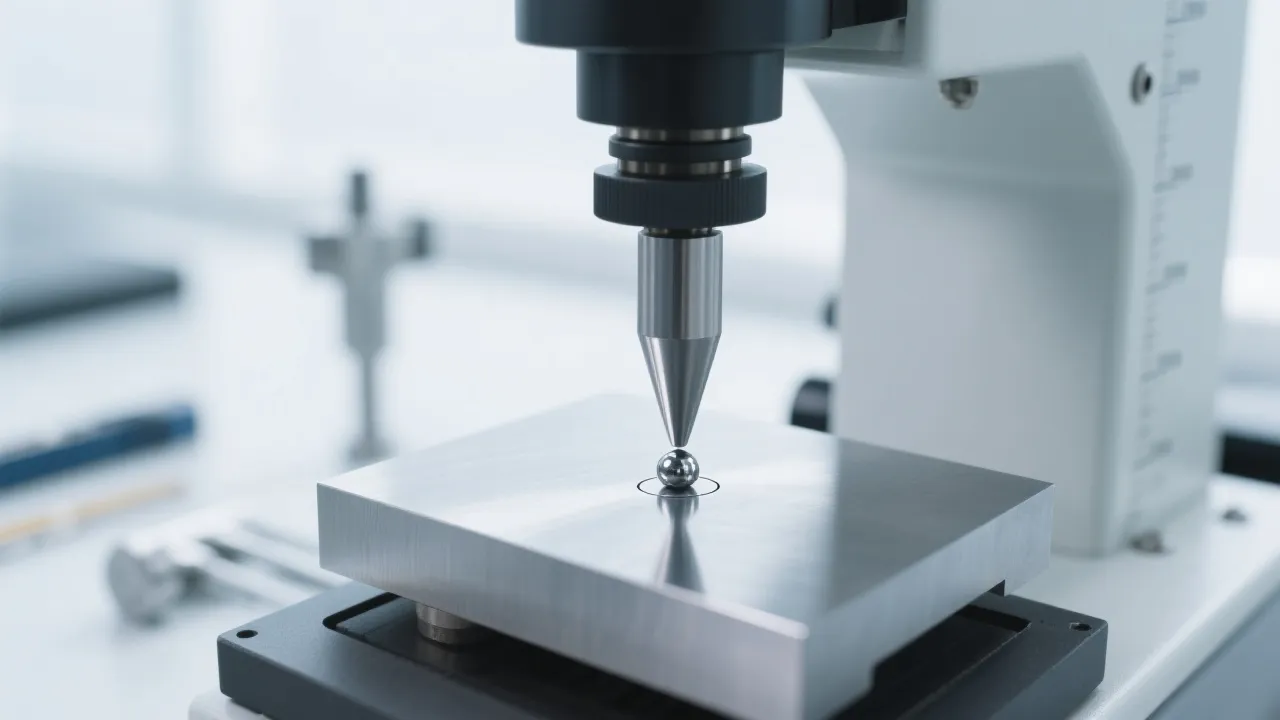
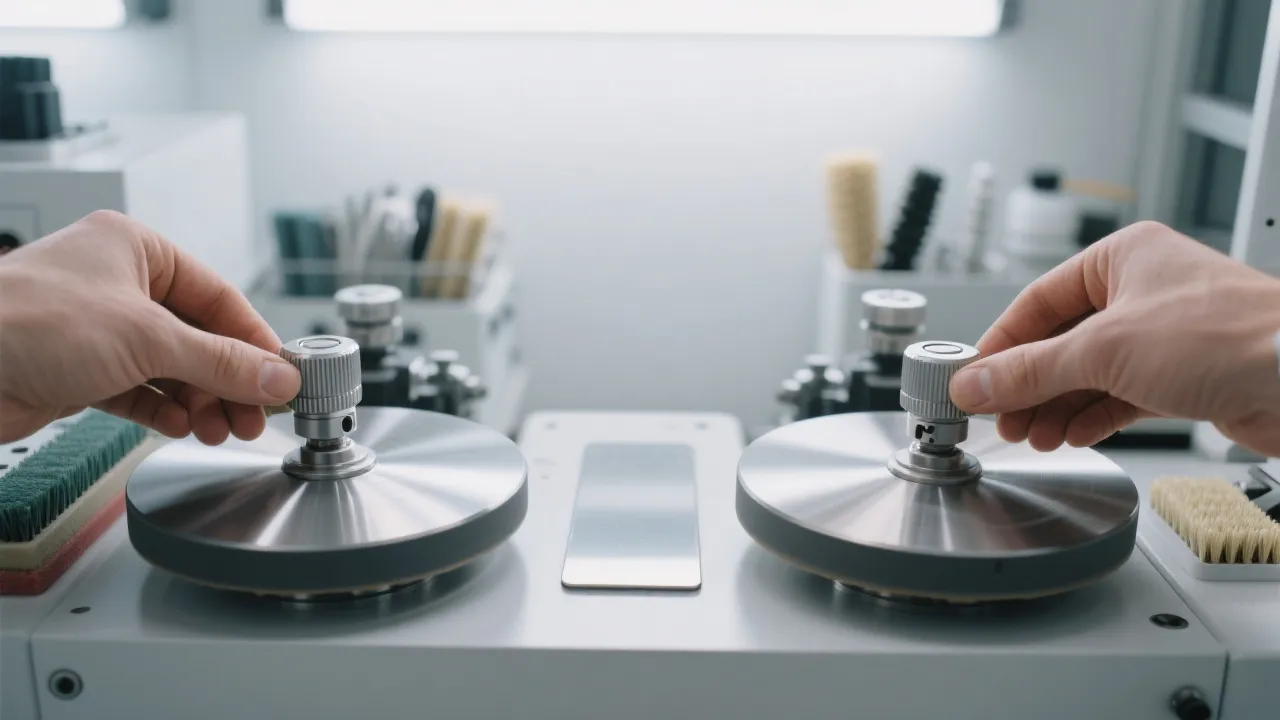
Illustration of Vickers, Brinell, and Rockwell hardness testing principles with a hardness tester and indentation examples

A hardness tester is an instrument used to evaluate how a material resists permanent surface deformation (indentation) under a defined load and indenter geometry. In industrial quality control and laboratory testing, hardness testing offers a practical way to compare material conditions such as heat treatment results, surface hardening, and consistency across batches—often with faster turnaround than full mechanical testing.

This page explains Vickers, Brinell, and Rockwell hardness testing principles, typical application fit, and a clear comparison of manual vs computerized hardness testing equipment—to support selection and technical discussions.

1) What hardness testing measures (and what it doesn’t)

  • Measures: resistance to indentation under standardized test conditions (force, time, indenter).
  • Used for: process control, incoming inspection, heat-treatment verification, and comparative material evaluation.
  • Not a direct substitute for: tensile strength, impact toughness, or fatigue testing—though hardness often correlates with strength depending on material and condition.

Good practice depends on choosing the right method, preparing an appropriate surface, and applying standards such as ASTM and ISO where required.

2) The three common methods: Vickers, Brinell, and Rockwell

Vickers hardness test (HV)

The Vickers method uses a diamond pyramid indenter. After applying a defined force for a specified dwell time, the indentation is measured optically; the hardness value is derived from the indentation geometry.

  • Why it’s used: versatile across many materials; suitable where fine measurement resolution is needed.
  • Typical fit: laboratory inspection, metallographic correlation work, and precision parts where controlled surface condition is available.
  • Practical note: because it relies on optical measurement, surface preparation and imaging quality strongly influence repeatability.

Brinell hardness test (HB)

The Brinell method uses a hard ball indenter and a relatively larger indentation. The test is well-suited for materials with coarse or heterogeneous structures where a larger impression provides a representative average.

  • Why it’s used: stable averaging effect due to larger indentation area.
  • Typical fit: castings, forgings, and materials where microstructural non-uniformity can affect small-indent methods.
  • Practical note: larger indentations require adequate thickness and spacing from edges/other indents.

Rockwell hardness test (HR)

The Rockwell method determines hardness by measuring the depth of penetration under a specified minor and major load sequence. It is widely used in production environments because it can be fast and straightforward.

  • Why it’s used: quick testing cycle and direct reading (depending on configuration).
  • Typical fit: shop-floor quality control and routine inspection where throughput matters.
  • Practical note: method selection (scale/type) must match material and thickness to avoid incorrect readings.

3) Choosing the right method: application-driven criteria

In most B2B technical discussions, method selection starts with the part and inspection goal—then confirms feasibility based on surface condition, thickness, and workflow constraints.

Decision factor Vickers Brinell Rockwell
Primary measurement Optical indentation size Optical indentation size (large) Depth of penetration
Typical scenario Lab & precision inspection Cast/forged parts, averaging Production QC & fast checks
Surface preparation sensitivity Medium to high (imaging matters) Moderate Moderate (depends on scale)
Throughput requirement Moderate Moderate High
Best first question to ask Do you need detailed, comparable lab results? Is the material heterogeneous or coarse-grained? Is speed and routine inspection the priority?

If your organization reports results to customers or auditors, align the method and reporting format with the applicable ASTM / ISO requirement and define acceptance criteria before purchase or process rollout.

4) Manual vs computerized hardness testing equipment

Hardness testers are often categorized by workflow: manual operation for straightforward testing and training, and computerized systems for automation, data handling, and consistency across operators.

Manual hardness testers

  • Simple, direct operation based on classic indentation testing principles
  • Suitable for rapid on-site checks, routine verification, and educational use
  • Relies more on operator consistency for loading, timing, and reading/recording

Computerized hardness testing systems

  • Support automated workflows and intelligent data processing for reporting and traceability
  • Can output common hardness scales such as Vickers, Brinell, and Rockwell depending on configuration
  • Useful when you need repeatable operation, structured records, and statistical review for quality control

5) Typical inspection workflows (from sample to report)

  1. Define the objective: incoming inspection, process control, heat-treatment verification, or R&D comparison.
  2. Select the method: Vickers, Brinell, or Rockwell based on material condition, geometry, and throughput needs.
  3. Prepare the surface: ensure cleanliness and appropriate smoothness for the chosen method (especially for optical indentation reading).
  4. Execute the test: apply standardized force and dwell time; ensure proper spacing and positioning.
  5. Record and review: confirm hardness values, replicate as needed, and keep traceable records (manual logs or computerized reports).

About Laizhou Jincheng Industrial Equipment Co.,Ltd

Laizhou Jincheng Industrial Equipment Co.,Ltd (established in 2004) focuses on hardness testing and metallographic inspection equipment, providing complete solutions including instruments and relevant consumables for industrial and laboratory users. Our portfolio covers both manual hardness testers for efficient routine checks and computerized hardness testing equipment designed for automated operation and structured data handling—supporting technical communication under common international practices such as ASTM and ISO.

Best fit industries: machinery manufacturing, metallurgy, chemical, power, universities, and research institutes.

Regional cooperation: B2B supply and technical support experience for Russia, Southeast Asia, and Europe.

For selection discussions, prepare your material type, expected hardness range, part thickness, applicable standard, and inspection throughput requirements—these inputs help determine the most suitable method and equipment configuration.
Name *
Email *
Message*

Recommended Products

Popular articles
Recommended Reading

Related Reading

Contact us
Contact us
https://shmuker.oss-accelerate.aliyuncs.com/tmp/temporary/60ec5bd7f8d5a86c84ef79f2/60ec5bdcf8d5a86c84ef7a9a/thumb-prev.png